

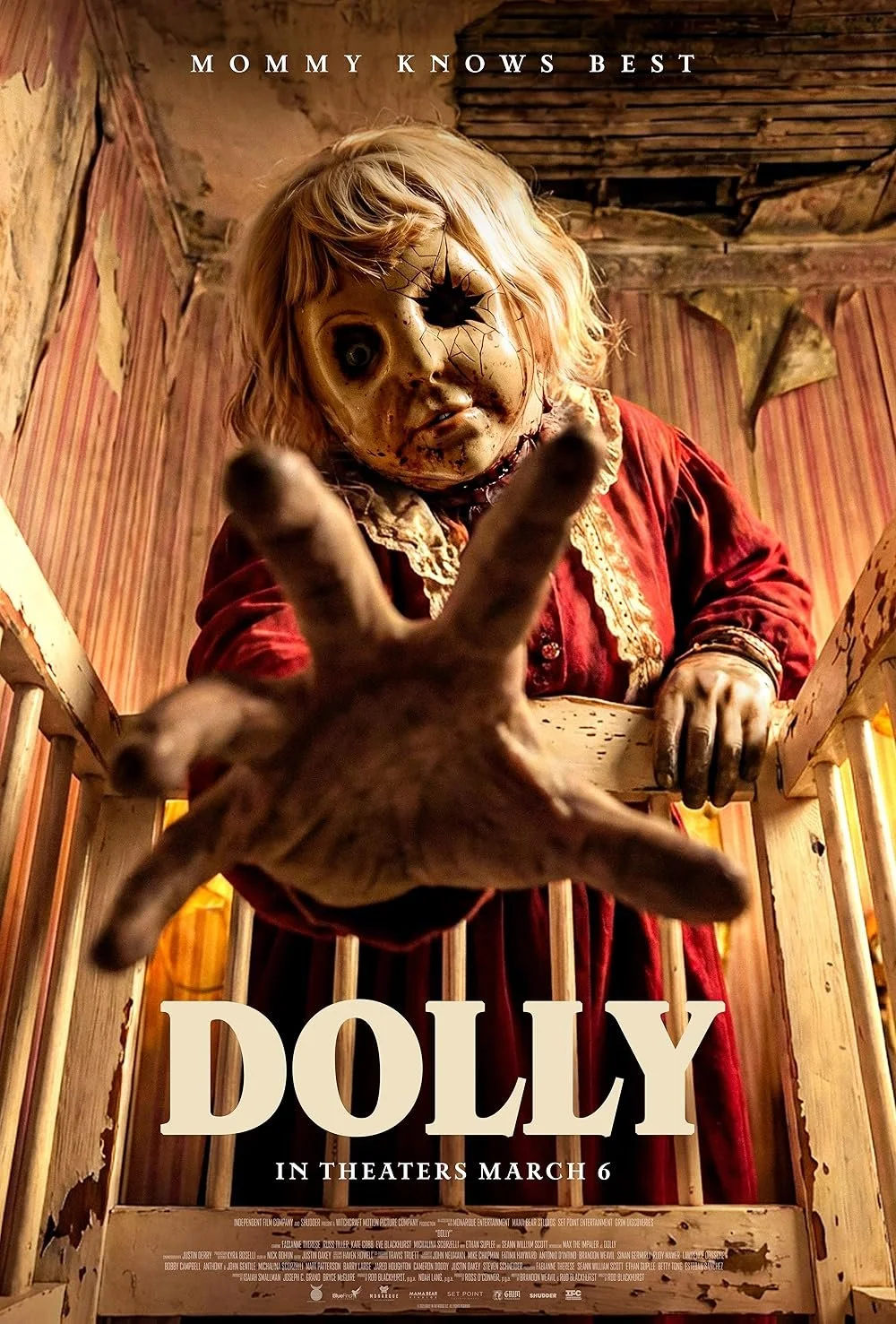
FANTASTIC FEST 2025 HIT “DOLLY” Coming to Theaters
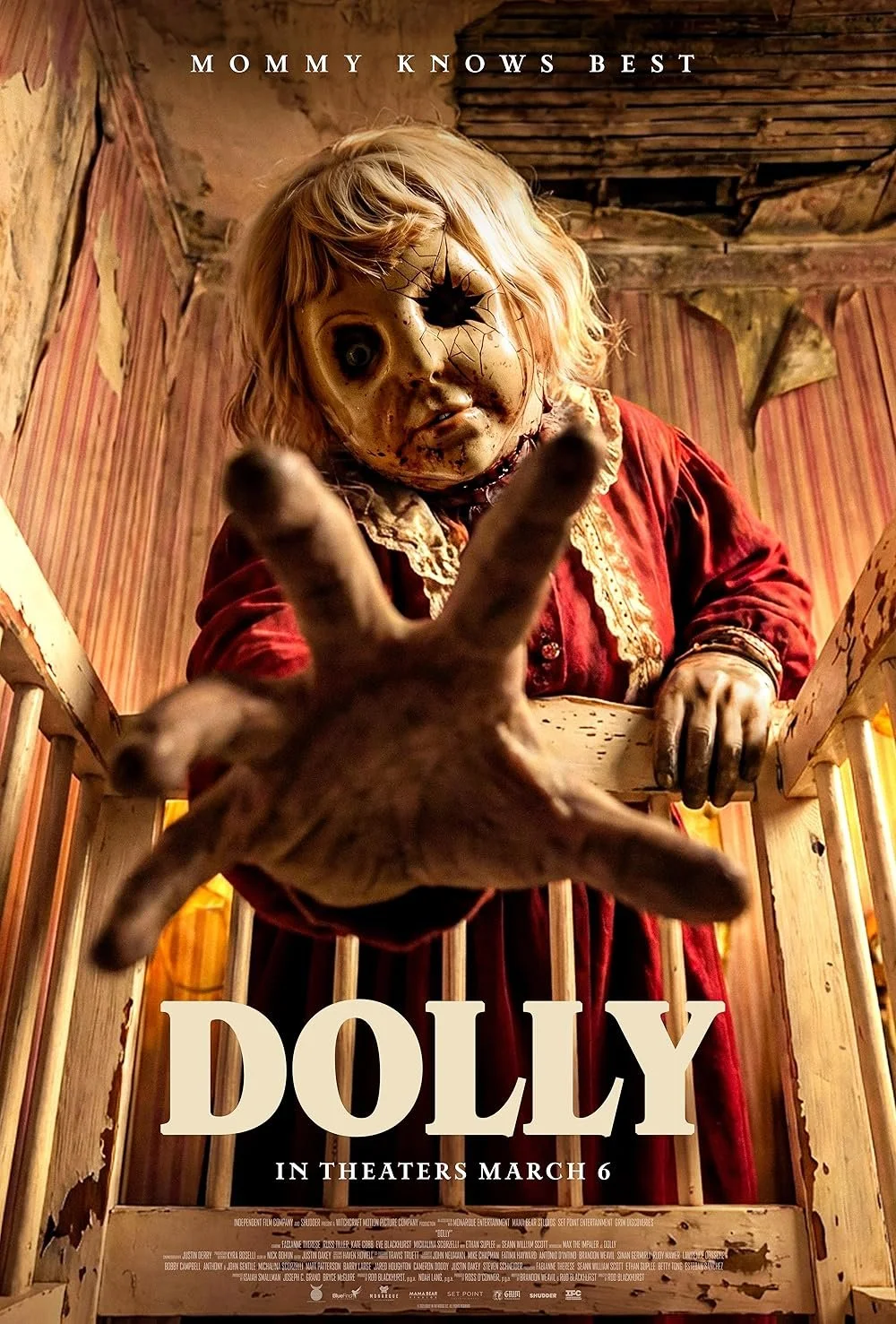
Courtesy of Blue Finch Films
Rod Blackhurst’s “Dolly” made its premier at last year’s Fantastic Fest and it was by far one of my favorite horror movies of the year. Which is why I couldn’t be more excited about the news that recently broke. Thanks to the horror loving heads of IFC FILMS and SHUDDER, “Dolly” will be hitting the big screen on March 6th.
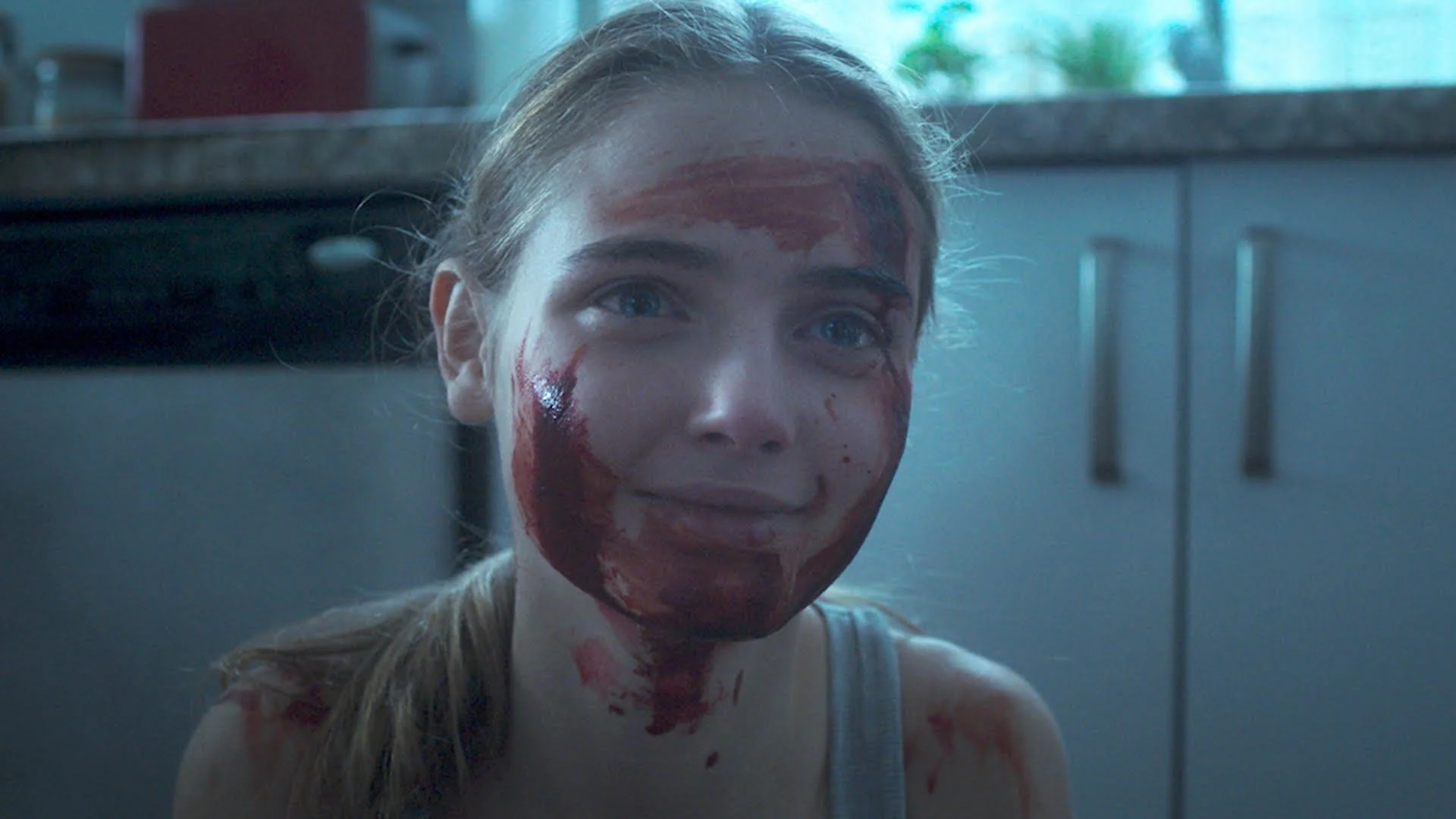
September seems like yesterday to me, but for those it feels like it was forever ago, here is a brief recap of the movie. It is a gnarly, blood-soaked survival tale that manages to feel both reverential toward its horror lineage and shockingly fresh. This isn’t just another masked killer movie. This is a movie that will gleefully crawls under your skin, rips it open with ferocious strength, and dares you to keep your eyes on the screen even when every instinct is screaming to look away.
The movie’s story follows Macy, a young woman who is abducted by a deranged, monster-like figure intent on raising her as their child. The movie is billed as “a daring blend of New French Extremity and 1970s American horror,” and that description couldn’t be more accurate. The result is a nightmare stitched together from two of the genre’s most brutal traditions: the nihilistic cruelty of French shock cinema and the raw, dirty grit of American exploitation. It’s a premise that feels simple on paper, but under Blackhurst’s direction, it transforms into something ferocious, relentless, and unforgettable. The cast is stacked with amazing performances from Fabianne Therese, Sean William Scott, Ethan Suplee, and Max the Impaler as Dolly.
Another standout of this movie is of course the concept of Dolly herself. The design alone is a masterstroke of nightmare fuel. With the porcelain doll mask gleaming under dim light, the stiff and frilly outfit smeared in blood, the towering presence that turns domesticity into terror. If Leatherface made us terrified of chainsaws and Ed Gein-inspired flesh masks, Dolly does the same for porcelain toys and the aesthetics of a large collection of dolls. There’s a surreal quality to watching this hulking figure holding a headless corpse or mannerisms in a warped, childlike cadence while committing atrocities. It’s grotesque, unnerving, and most importantly, memorable. Horror thrives on its villains, and Dolly feels like the kind of character who could fuel sequels, prequels, and endless Halloween costumes.

Courtesy of Blue Finch Films
Get your tickets for March 6th and don’t miss out on seeing this gory, insane twist of a horror movie. I am still a huge fan of this movie (as I mentioned before) and very excited to see everyone involved in this great horror movie get even more praise. You can check out my full review of the movie here! Stay tuned for the TBA date for this to be streaming on Shudder.
Whether it’s slashers in the woods, ghosts in the attic, or killers in the cornfield, ILHM Reviews brings you the frightful horror flick recommendations worth watching. Follow us on Instagram, be sure to listen to the the "I Love Horror" podcast and remember that if you’re a true fan of horror, every night can be a FRIGHT NIGHT!
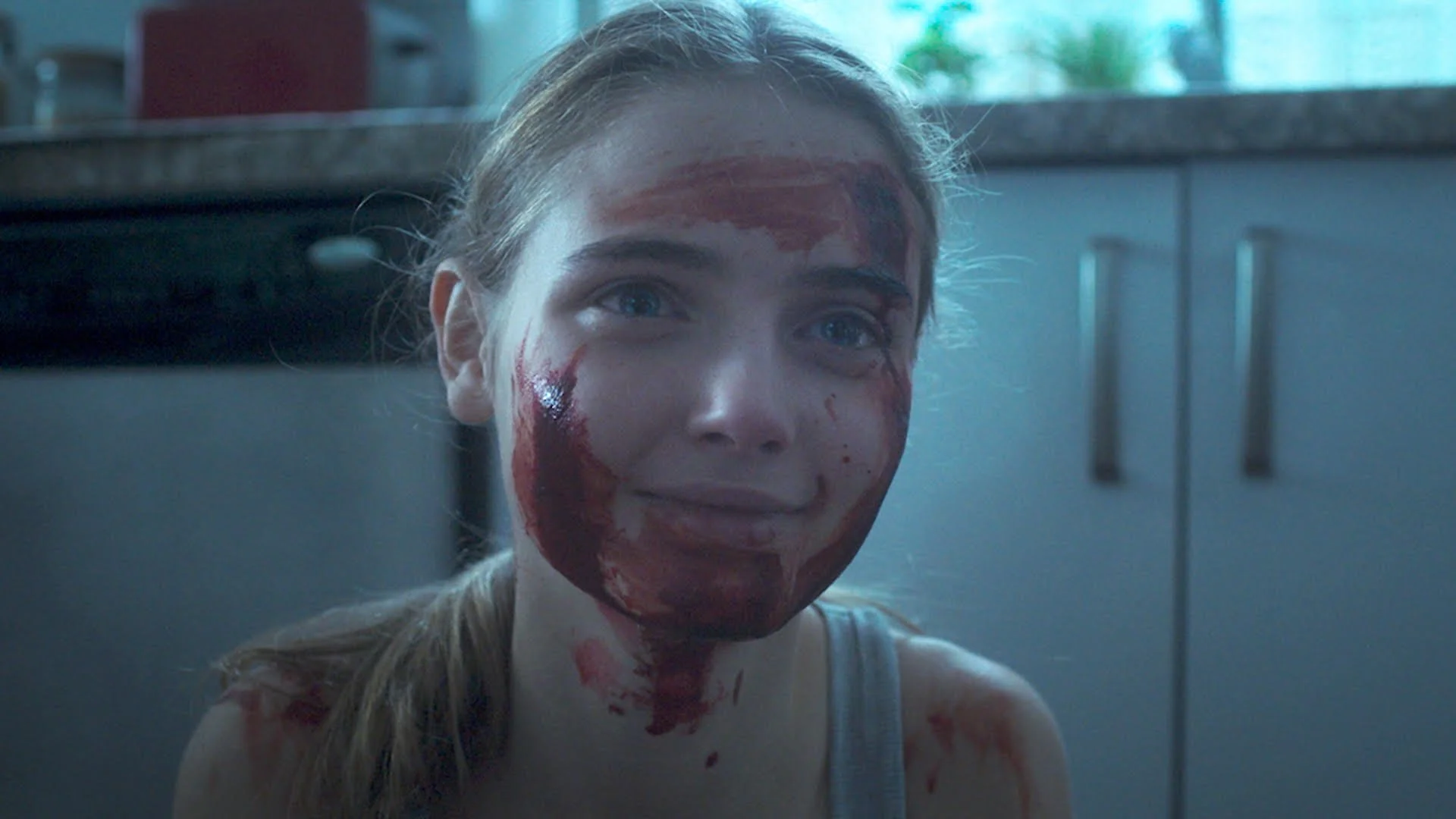
Evil Finds the Perfect Host in “THE CONTAINMENT” (2025)
Courtesy of Level 33 Entertainment
Possession horror movies have always been one of those enjoyable sub-genres that refuses to die. I have watched it evolve from the slow burning dread of classic films like “The Exorcist” into modern day jump scare fueled chaos like “The Conjuring.” No matter how many times a demon crawls into someone’s soul or some ancient essence takes over someone’s body, I still keep coming back. There is something deeply unsettling about watching a human being lose control of their own body. It taps into a fear that feels far more personal than monsters or slashers ever could. Being a prisoner in our own bodies while we watch something dark take the wheel is a valid fear. When done right, possession movies make me question faith, family, and whether any of us are really in charge when something darker decides to knock on the door
Recently I had a chance to dim the lights, say a prayer, and enjoy the new possession horror movie “The Containment.” This new movie from Level 33 Entertainment is a supernatural horror story directed by Jack Zagha Kababie and Yossy Zagha Kababie. It was co written with David Desola. It stars Gia Hunter as Caroline Cobbler, with Jack Gouldbourne, Charlotte Hunter, and Fernanda Romero rounding out the cast.
“The Containment” focuses on Caroline Cobbler, a young woman whose life has been cracked open by tragedy. After the death of her disabled father, something inside her breaks in a way that no one around her fully understands, manifesting itself into something darker the people in her life are not prepared for. Grief in possession movies is never just emotional. It becomes a vulnerable doorway for anything sinister to stroll in. Of course, Caroline’s pain becomes the perfect invitation for something dark and patient. The script does a wonderful job letting that sorrow slowly infect every scene, giving the possession a deeper emotional foundation.
A premise like this is why I walked into “The Containment” already knowing what kind of movie it wanted to be. This is not a reinvention of the usual possession genre, and it never pretends that it is trying to be. It plays by the rules that fans like me already know. There is grief, a broken family, a sinister force, and a church that may or may not be able to stop what is coming for them. What surprised me is how comfortable the movie is with that formula and makes you feel like it isn’t forced. The writing understands the genre so well that it never feels lost, even when it is following familiar beats.
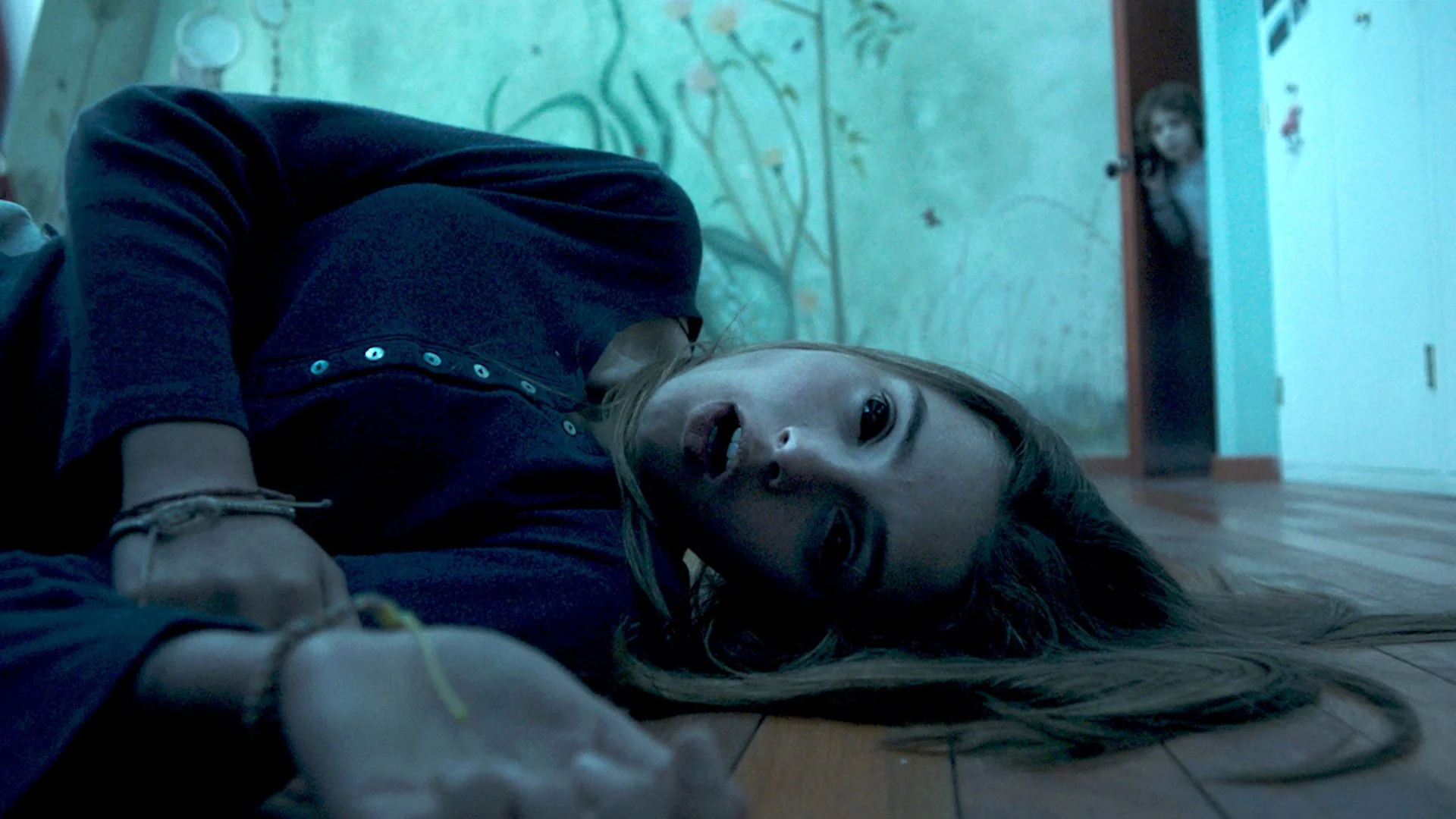
Gia Hunter gives a performance that keeps Caroline grounded even when the story goes supernatural. I never stopped seeing her as a real person, which is the most important thing in a movie like this. When the demon starts taking over, the physical changes are disturbing, but it is the emotional distance that hits harder for the audience and the character. That balance is something the writing and direction work together to support, allowing the character to feel tragic instead of just frightening. That being said, there are moments the acting of her character dwindled, but overall, I can’t say that I still was not impressed for the most part.
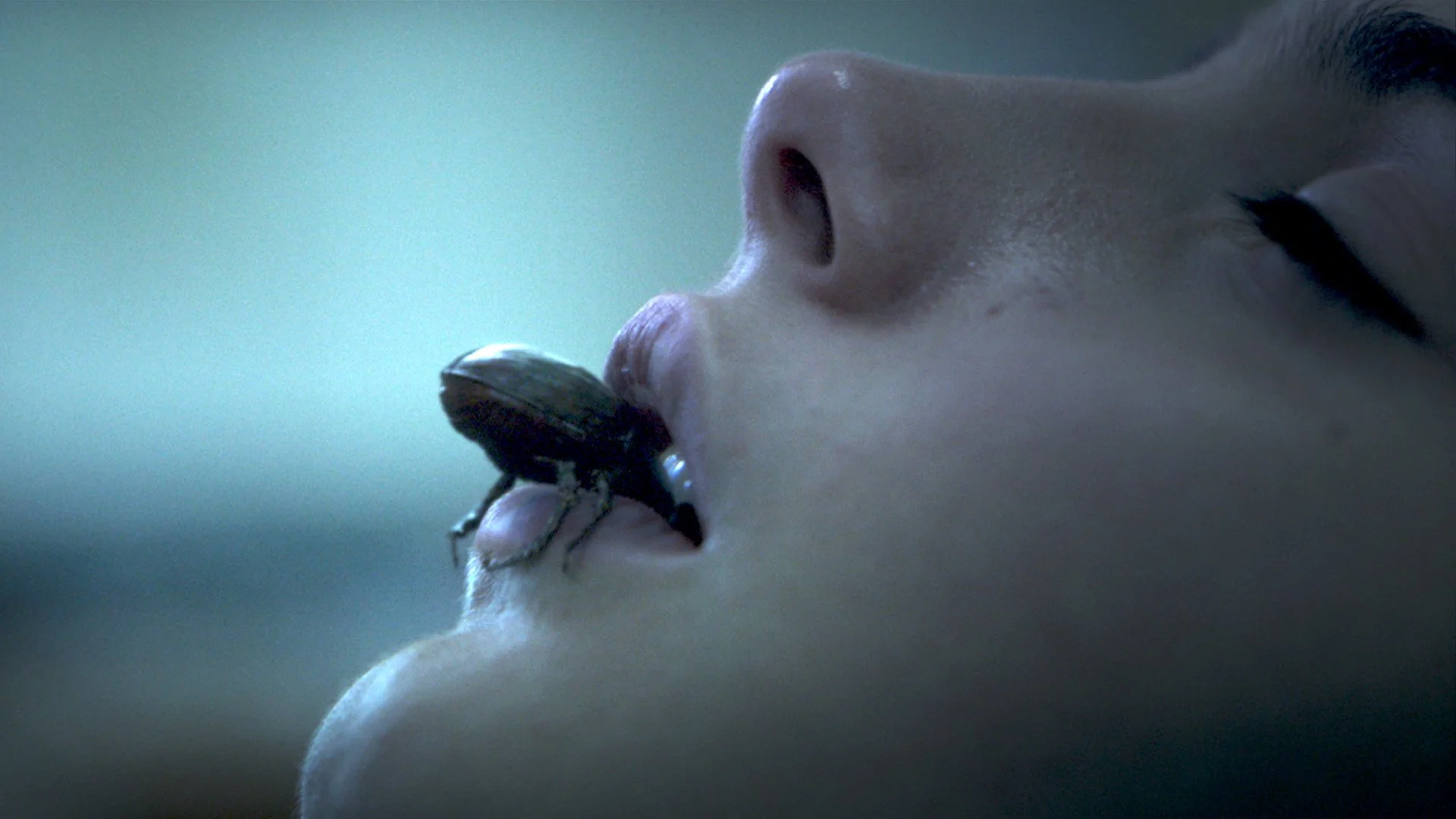
One of the most memorable details in “The Containment” is the beetle tattoo that appears on Caroline’s body as part of the possession. It is such a strange and oddly beautiful mark that makes the story stronger. It becomes a visual reminder that something has claimed her. The cinematography lingers on it in just the right way, letting it feel symbolic without beating the audience over the head with its meaning. It also moves several times, which adds an extra creep factor.
Courtesy of Level 33 Entertainment
When Caroline and her mother turn to the church for help, the movie shifts into familiar territory, but it never feels tired. The supporting cast brings a lot of personality to these scenes. Jack Gouldbourne, Charlotte Hunter, and Fernanda Romero all add texture to the story, making the world around Caroline feel alive. The direction keeps these tame, yet terrifying moments grounded. This really helped the supernatural elements feel more believable.
One of the biggest surprises in the movie comes from a moment of humor that lands perfectly. When someone asks Sister Esperanza (portrayed by Fernanda Romero) to perform an exorcism, she responds with the line, “I’m a nun……what do you expect me to do.” It is hilarious, but it also feels honest. That kind of writing gives the movie a spark of personality that many possession movies forget to include.
That balance between horror and light humor keeps “The Containment” from becoming too heavy or even take itself too seriously. The filmmakers know when to let a scene breathe and when to push the tension, which shows a confident hand behind the camera. A horror audience wants to be lead, and not have their hand held with soft gloves. We want to be guided but at the same time not have everything explained. Thankfully “The Containment” sticks the landing when it comes to this.
Courtesy of Level 33 Entertainment
I wouldn’t be fully doing my job if I didn’t mention the cinematography of “The Containment.” Visually, the movie embraces shadows and confined spaces. It makes sense given the title. There is a feeling that Caroline is trapped inside her own body. The cinematography often frames her in ways that make her feel isolated, even when she is not alone. That visual language quietly reinforces the theme of being overtaken by something unseen. Not only that, but there is clearly a dark fog around everything with the filtering of the movie, making you feel the dark presence that is possessing her around everyone always.
The story follows a familiar path, but it does throw in a surprise twist near the end that I did not see coming. I will not spoil it, but it adds a layer of depth to the characters that deepens everything that came before it. The way it is written and directed makes the twist feel earned rather than cheap. There is nothing better than a great twist at the end of a horror movie that makes you want to give it a rewatch, and “The Containment” does have the potential for that.
At its core, “The Containment” is very much a garden variety possession movie. It has all the beats you expect. There are eerie signs, violent outbursts, desperate prayers, and a final confrontation with something truly evil. It does not try to break the mold, and honestly, it does not need to. What it does instead is execute those elements with a steady hand and clear creative vision. It pays an homage to the possession movies that came before it in some aspects, but it provides its own flair for the audience.
Courtesy of Level 33 Entertainment
What makes this movie work is the sincerity behind it and the performances feel honest. The writing gives the characters real emotional stakes. The direction keeps the story focused, and the cinematography adds a layer of quiet dread that lingers long after certain scenes end. “The Containment” also doesn’t skimp on the horror, as there we’re a few moments that had me squirming in my seat.
I also appreciated how the movie handles faith. It does not paint the church as all powerful, and it does not dismiss it either. It shows people struggling to understand what is happening and trying to find meaning in the middle of chaos. That thoughtful approach comes through in the script and in the way the scenes are staged. The way the church doesn’t immediately come to the rescue as if the Pope sent up a “Bat Signal” is quite refreshing. It feels like there is more depth there with the fact that they don’t want to provide any help at first.
“The Containment” may not reinvent the genre, but it knows how to entertain. It has creepy visuals, a strong lead performance, memorable lines, and just enough originality to stand out. The beetle tattoo, the unexpected humor, and the final twist all give it its own identity within a crowded field.
Courtesy of Level 33 Entertainment
For fans of possession horror, this movie is a solid addition to the genre. It feels like something you can watch on a dark night and get exactly what you came for. It is unsettling, emotional, and just a little bit fun in a way that only this genre can be. I would give this a solid 4 out of 5. It is a must see and one I feel my fellow horror fans will enjoy on the big screen.
“The Containment” is currently exclusively in theaters across the United States and Canada, making it the perfect time to experience this haunting possession story on the big screen before the spooky season we horror fans eagerly look forward to.
Whether it’s slashers in the woods, ghosts in the attic, or killers in the cornfield, ILHM Reviews brings you the frightful horror flick recommendations worth watching. Follow us on Instagram, be sure to listen to the the "I Love Horror" podcast and remember that if you’re a true fan of horror, every night can be a FRIGHT NIGHT!
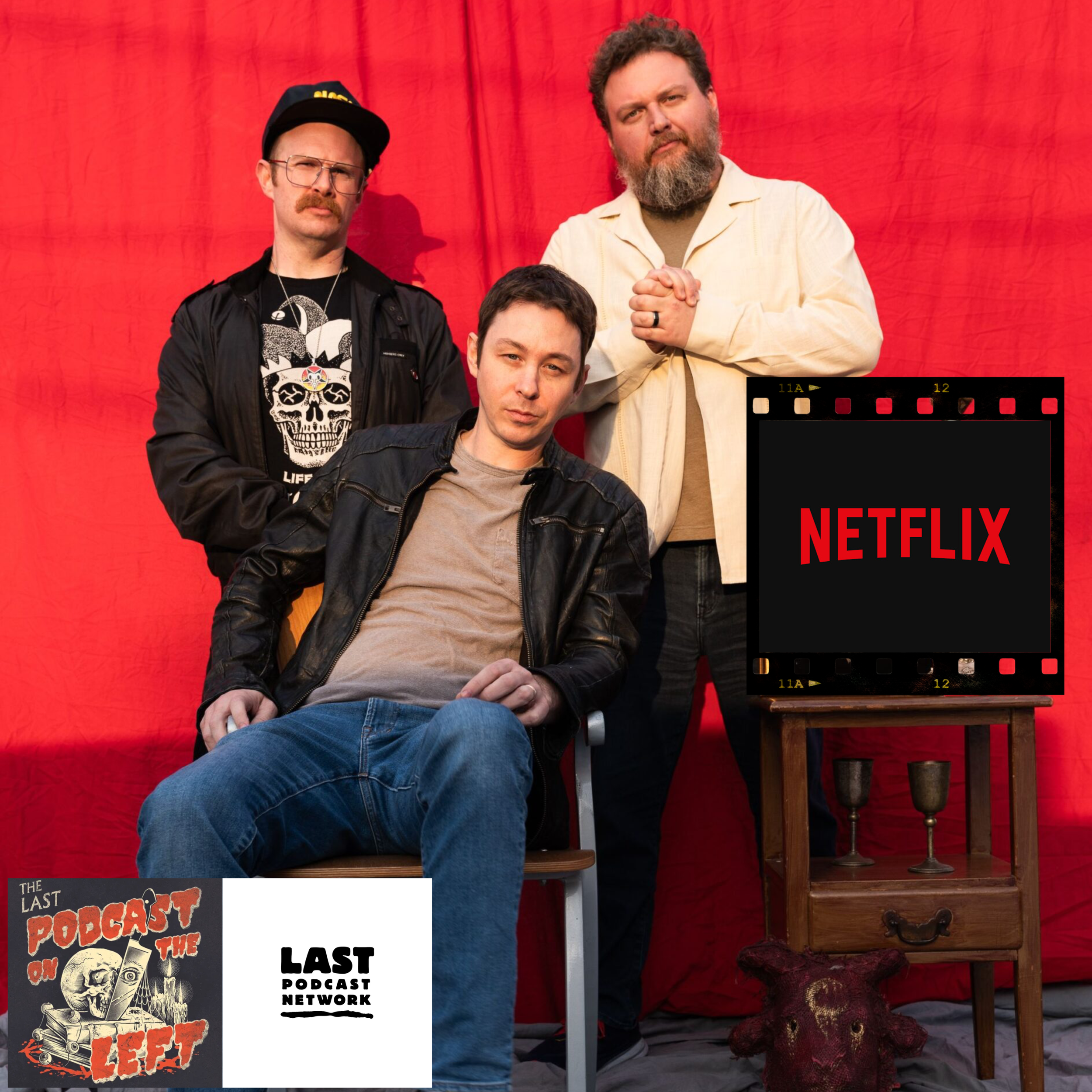
“LAST PODCAST ON THE LEFT” Announces Partnership With NETFLIX
Courtesy of LPN Network
If horror movies are the roller coasters of fear, then podcasts are the slow, psychological haunted houses you can never quite escape. I’m not saying that because I have my own podcast (I promise I am not drinking my own Kool-Aid here). Podcasts genuinely rival cult classic horror films in how deeply they get under your skin. There’s something uniquely chilling about true crime podcasts. Unlike the well loved “Halloween” or “The Texas Chainsaw Massacre” (which is somewhat based on the true crimes of Ed Gein, but he didn’t wield a chainsaw), these stories remind us that the monsters of the real world don’t need masks or jump scares. It makes you want to peek around the curtain to make sure that those insane killers don’t live next door to you.
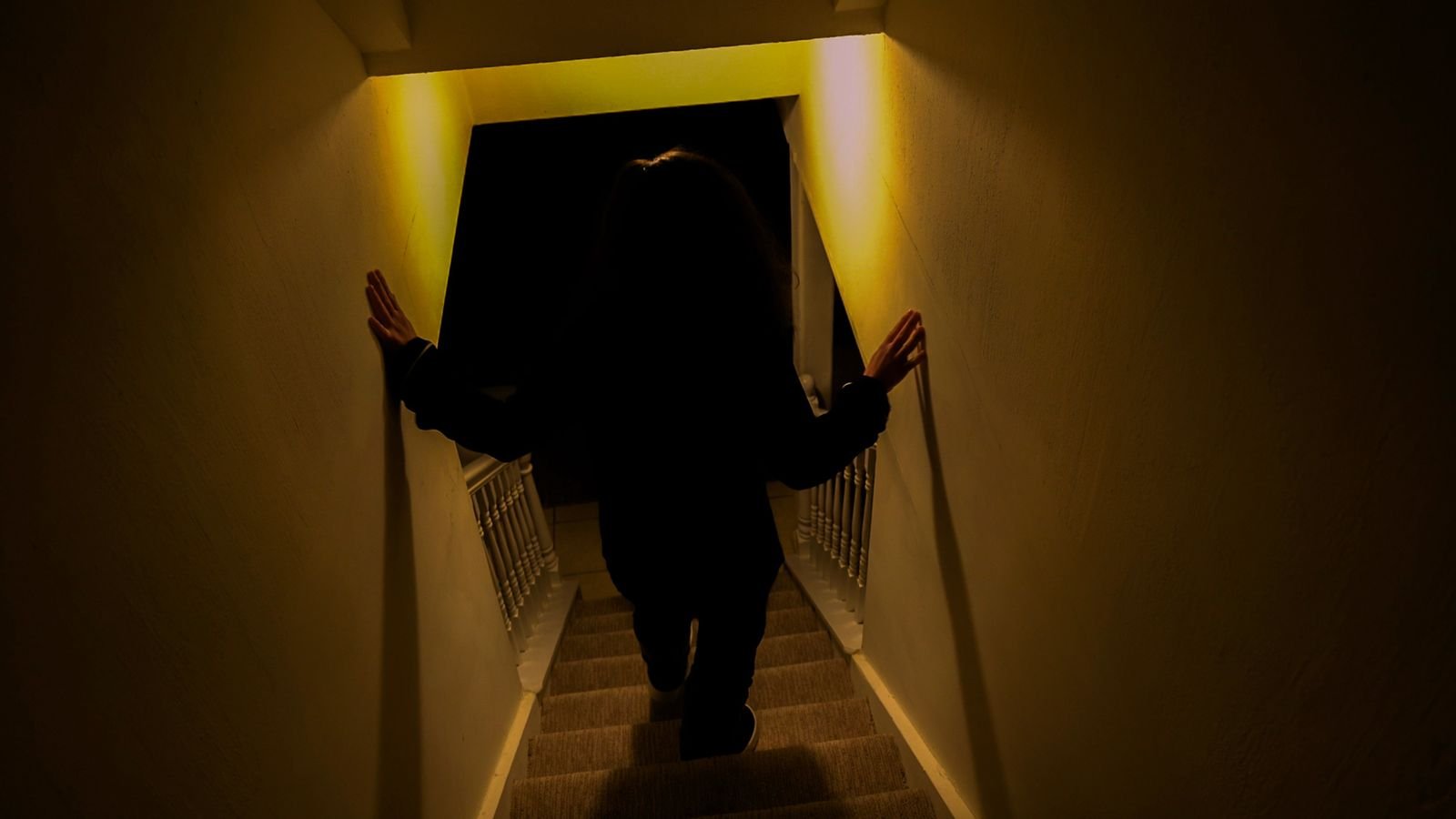
Even paranormal podcasts make you suddenly rethink every sinful creak in your house or give you the irrational fear of stepping into a barely lit basement at night, worrying that there is something sinister patiently waiting to scare you to an early grave. While horror movies scare us for fun, podcasts have the audacity to scare you at times with reality. That alone is a whole different level of terrifying.
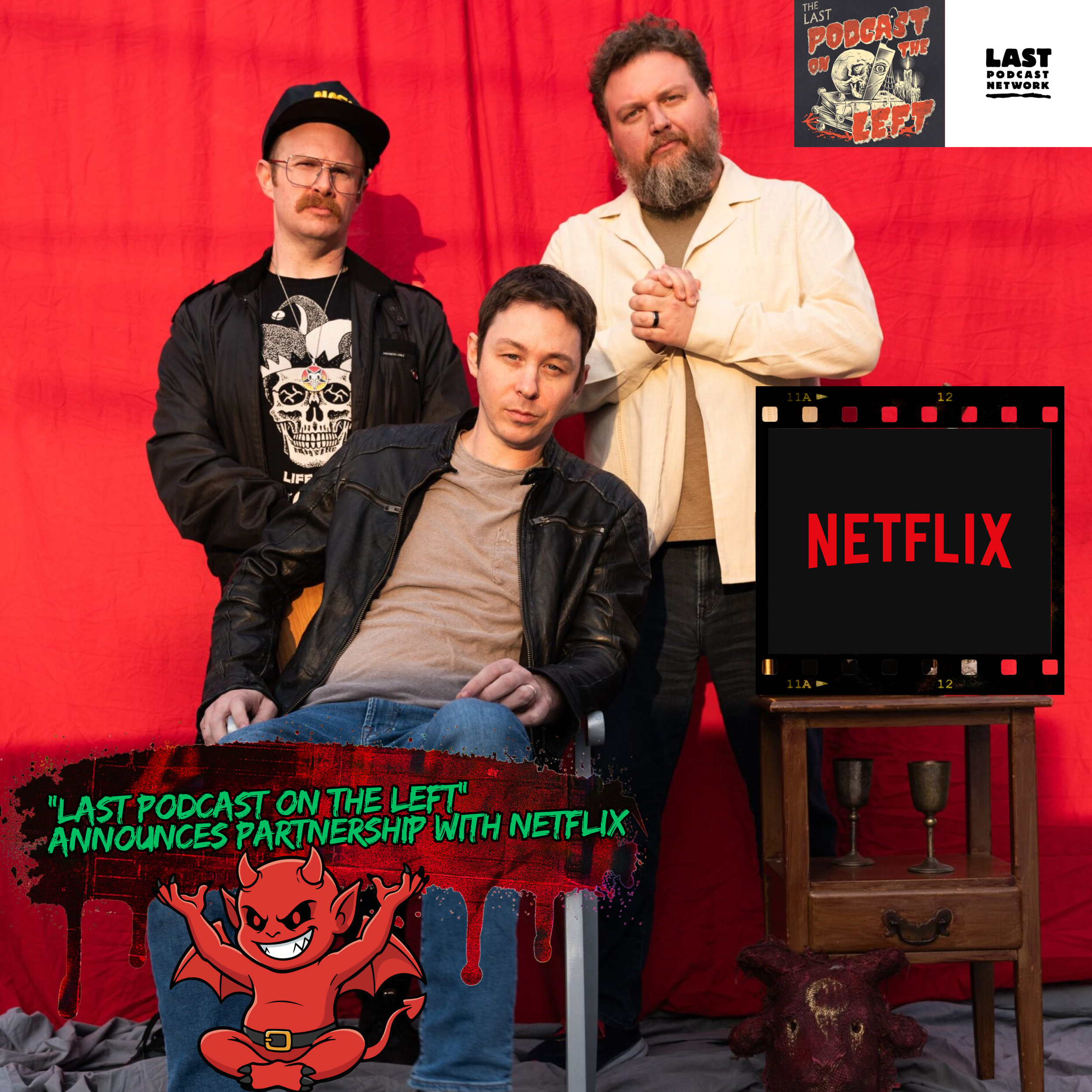
Speaking of podcasts and all the horror that can come with them, I recently heard the news that one of my favorite podcasts that has provided me with laughs for over a decade “The Last Podcast on the Left” (featuring Henry Zebrowski, Marcus Parks, and Ed Larson) is teaming up with Netflix. They are putting some of their videos that are on YouTube and stepping up the insane comedy that they provided to a whole new level by joining the juggernaut streaming service. Not that they are small potatoes themselves, as their shows on the Last Podcast Network has been making myself and others laugh for over 15 years.
Shows like “Side Stories with Henry Zebrowski and Ed Larson” with producer Rob Okey, and the main “Last Podcast on the Left” video episodes will be available to watch exclusively through Netflix. They of course will continue to appease to the audio only 9-5 slackers like me who enjoy listening to their podcast while trying to get through the work week.
Not only are they bringing these classic LPN shows to Netflix, but they do have several new projects coming to their Patreon including a watch-along series/movie review show with a Letterboxd twist. As a fan of their work and an obvious fan of movies, I can not wait to hear their commentary on those good, bad and not so great movies (especially the horror ones).
You can hear more about the news on their newest episode of “Side Stories” labeled “The Piggyback Bandit” available now wherever you enjoy your podcasts. Be sure to check out all the amazing content they have available on their Patreon page here.
Whether it’s slashers in the woods, ghosts in the attic, or killers in the cornfield, ILHM Reviews brings you the frightful horror flick recommendations worth watching. Follow us on Instagram, be sure to listen to the the "I Love Horror" podcast and remember that if you’re a true fan of horror, every night can be a FRIGHT NIGHT!
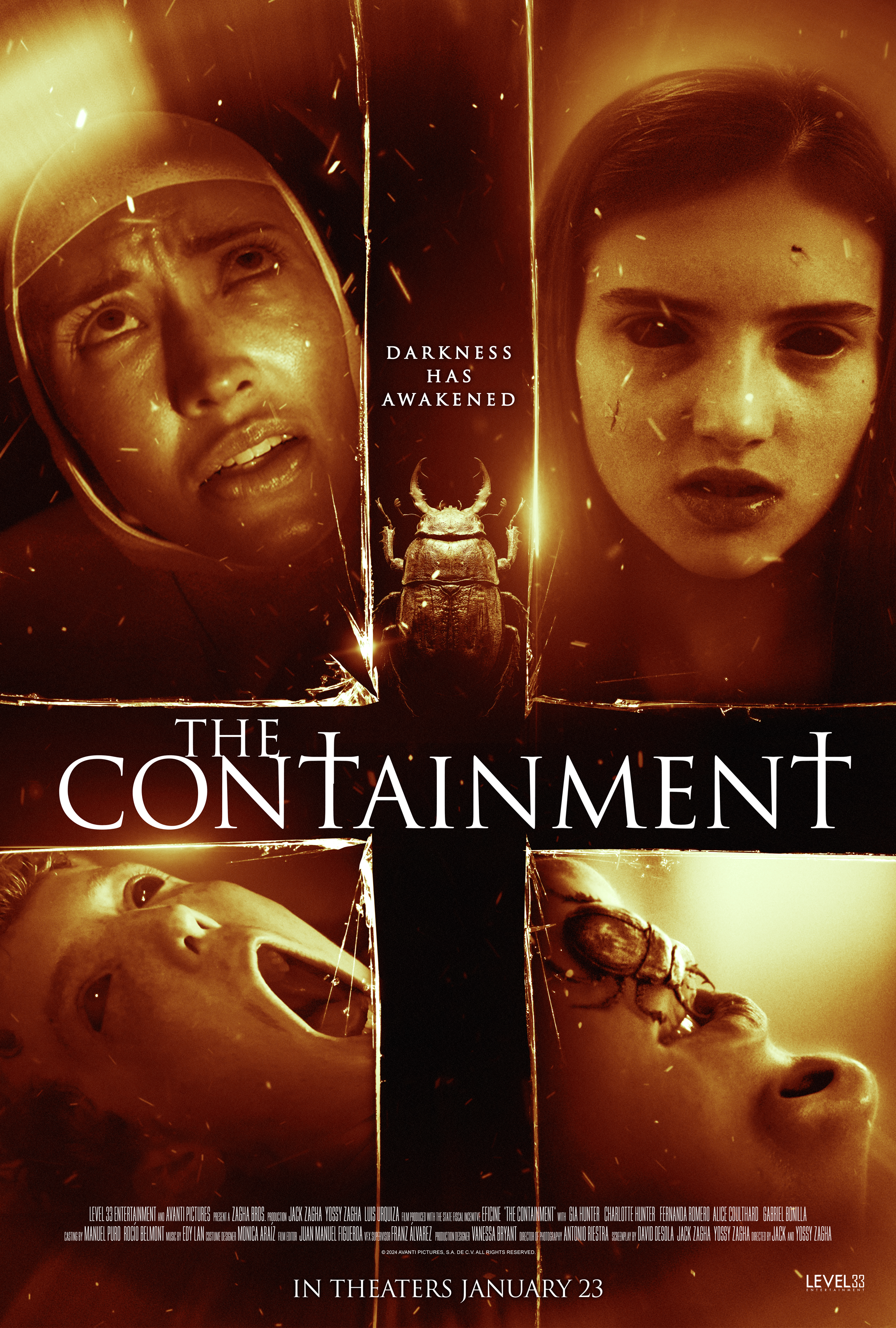
LEVEL 33 ENTERTAINMENT Unveils First Details for “THE CONTAINMENT” (2026)
Courtesy of Level 33 Entertainment
2026 is already shaping up to be one of those rare years where being a horror fan feels like a full-time event. Just from my perspective alone it is hard not to get genuinely excited about what is on the horizon. Between long-awaited sequels, bold reimaginings, and original concepts that actually feel original, the upcoming slate of terrors looks like a perfect mix of comfort food and risky experimentation. What really stands out is how these new releases seem poised to cater to every corner of the genre, from mainstream studio scares to the kind of offbeat nightmares that usually fly under the radar, making 2026 feel less like just another year for horror and more like a celebration of everything I love about it. I recently got some news about a new horror movie recently releasing a new poster and trailer. Here is the news from their press release:
From the Level 33 Entertainment Press Release:
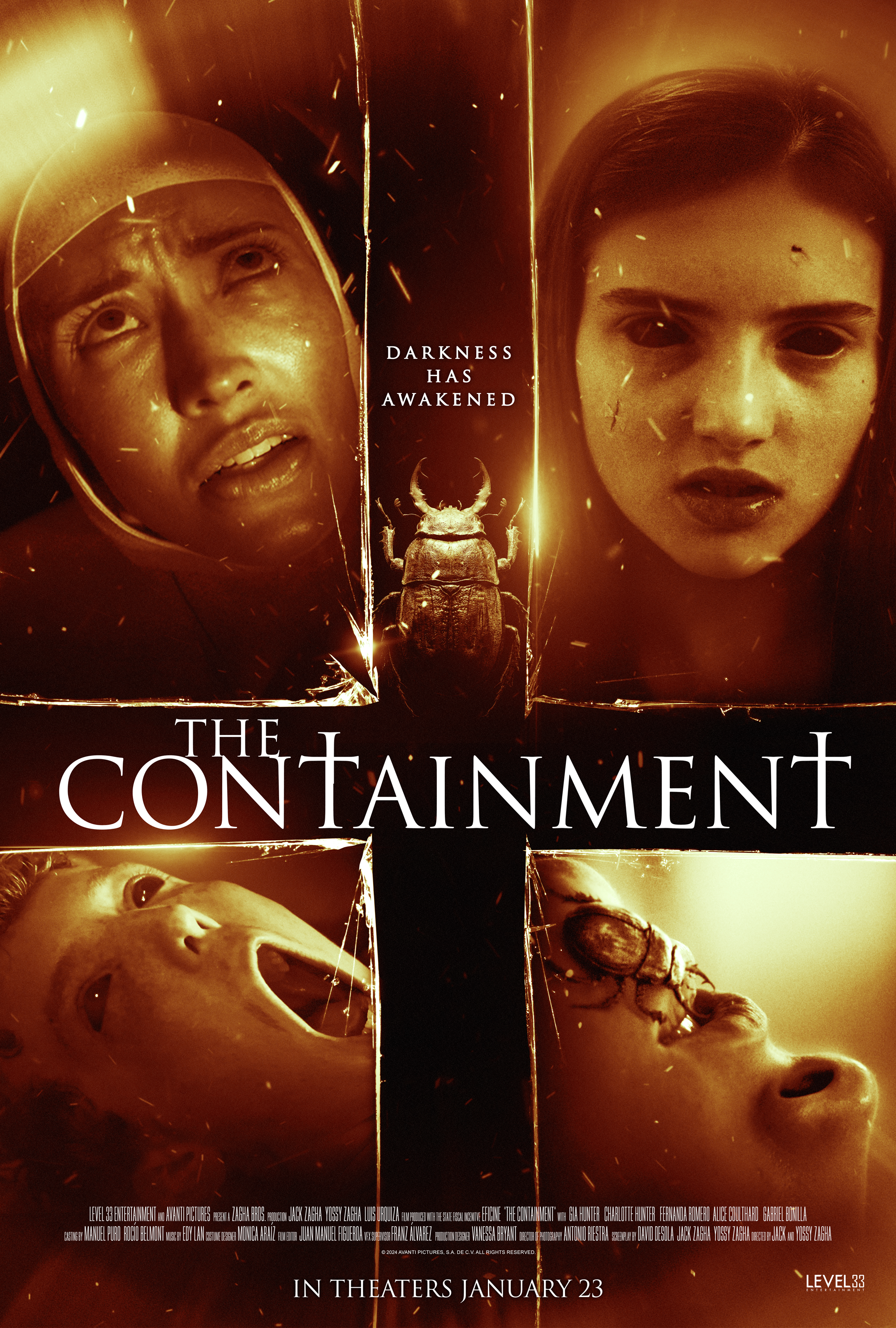
“The Containment” is the new supernatural horror film directed by Zagha Boys: Jack Zagha Kababie & Yossy Zagha Kababie. It stars Gia Hunter (Paramount Pictures’ “Primate”). It will be released exclusively in theaters in the U.S. and Canada by Level 33 Entertainment on January 21, 2026.
“The Containment” stars Hunter as the young and troubled Caroline Cobbler, who comes in contact with a dark and sinister force. After the tragic death of her father, Caroline becomes possessed by a demon and when her mother involves the church, they find a horror that’s even deadlier than the possession itself.
The cast is rounded out by Jack Gouldbourne (“Fighting with My Family”, Britbox series “Sister Boniface Mysteries”), Charlotte Hunter (“American Psycho”, “Roanoke: The Lost Colony”), and Fernanda Romero (“The Eye”, “Line of Duty”, “The Burning Plain”).
The film is helmed and produced by brothers Jack Zagha Kababie and Yossy Zagha Kababi and co-written with David Desola. Level 33 acquired the film from Black Mandala who is handling worldwide sales.
“The Containment” will be released exclusively in theaters across the U.S. and Canada on January 21, 2026.
With the story and the looming threat from the supernatural, I can tell you that I am highly anticipating this to be quite the fun scare. I will be reviewing this movie soon, so stay tuned for that. The movie is hitting theaters today, so click here to get your tickets. How do you think this movie will do on the silver screen? Let me know on my Instagram page your thoughts and theories.
Whether it’s slashers in the woods, ghosts in the attic, or killers in the cornfield, ILHM Reviews brings you the frightful horror flick recommendations worth watching. Follow us on Instagram, be sure to listen to the the "I Love Horror" podcast and remember that if you’re a true fan of horror, every night can be a FRIGHT NIGHT!
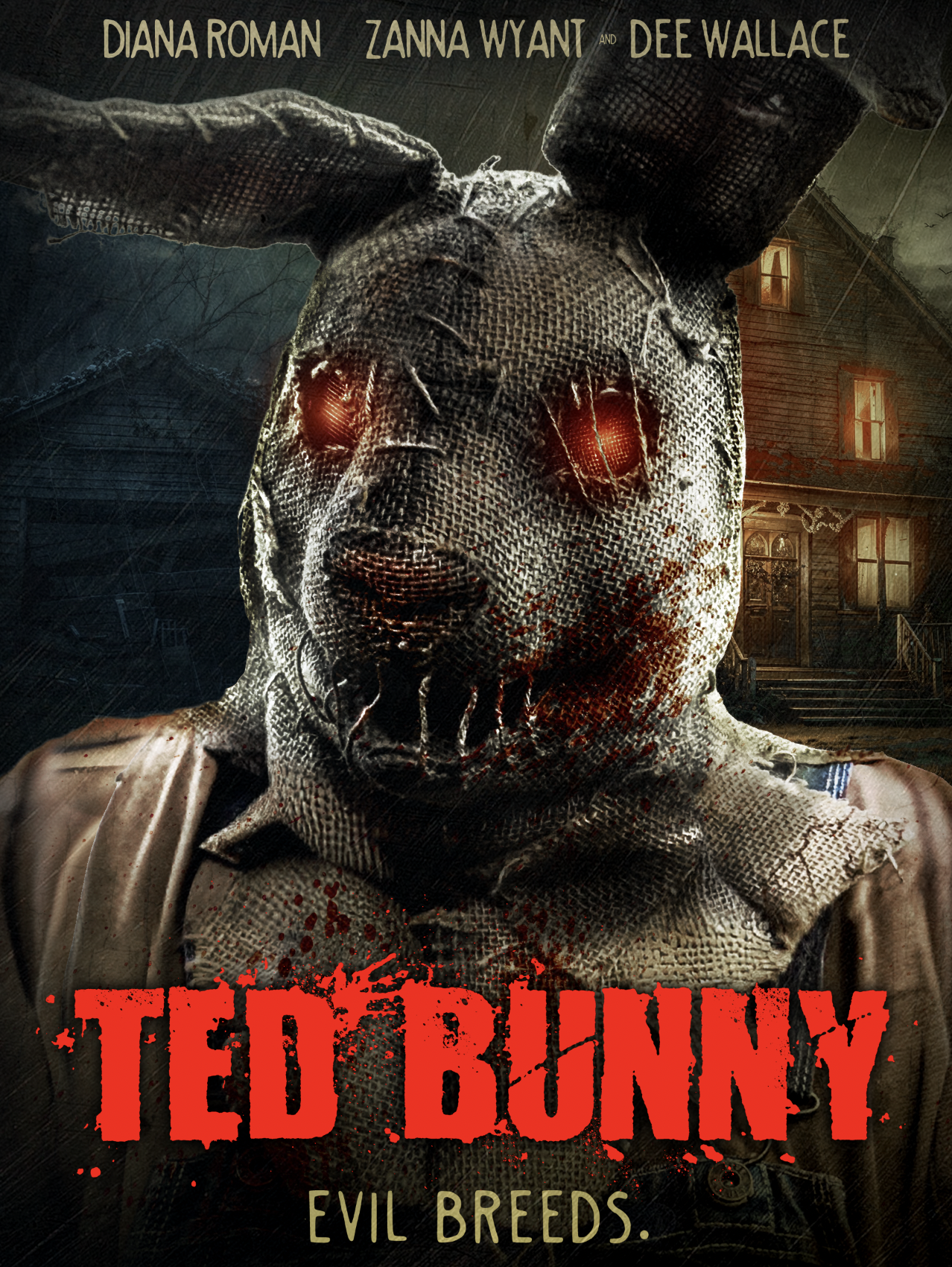
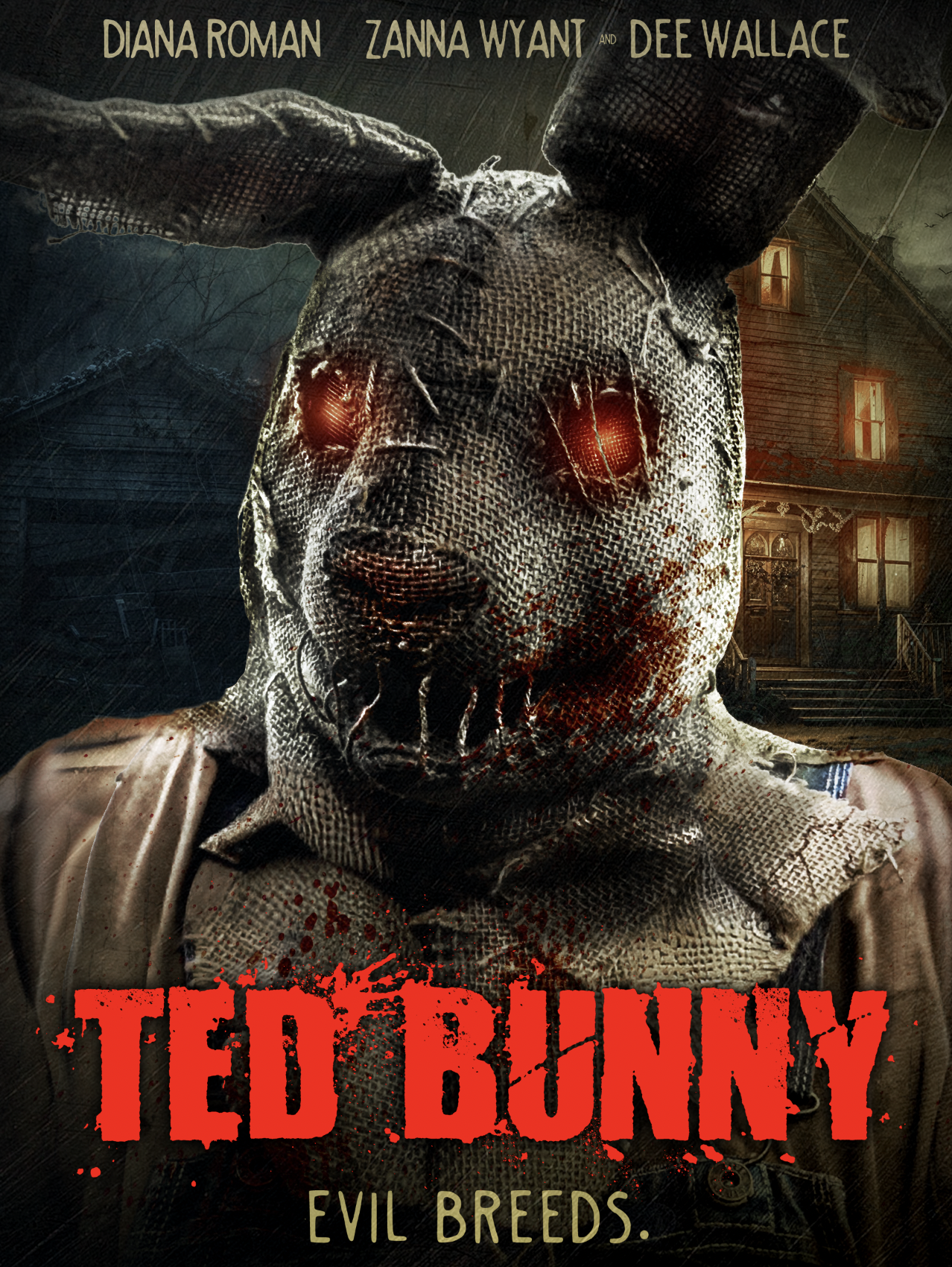
TERROR FILMS RELEASING Acquires North American Rights For “TED BUNNY” (2026)
Courtesy of Terror Films Releasing
Horror movies have always had a dangerous fascination with true crime, often lifting grim headlines from the real world and reshaping them into something even more unsettling. These types of horror films, (like “The Texas Chainsaw Massacre” and “Silence of the Lambs,” that are based on true crime) take fears rooted in reality and bend them through stylized violence. They add a level of heightened psychology, and moral ambiguity. This allows them to create stories that feel disturbingly plausible while still pushing deep into nightmare territory. By exaggerating motives, twisting timelines, and amplifying the unknown, horror transforms true crime from documented tragedy into an experience that crawls under the skin and refuses to let go. In doing so, it forces even the most hardcore horror audiences to confront just how thin the line truly is between fact and fiction.
I recently got news from my friends in horror at Terror Films Releasing that they have recently acquired a new horror movie with a wildly original concept for distribution. If early buzz is any indication, this one sounds poised to take that true crime inspiration and crank it into something genuinely unhinged. Just by the trailer alone I know myself, as well as any horror movie affcienato will be geared up for one interesting trip down this rabbit hole. Here is the news from TFR’s recent press release:
TFR OFFICIAL PRESS RELEASE:
Terror Films Releasing has teamed with producer Jeff Miller (“Popeye The Slayer Man”) and writer / director Michael Fredianelli (“Venom Coast”) to release serial killer horror, “Ted Bunny”.
Part of Miller’s Twisted Serial Killer Universe (including the upcoming “Jeffrey Dollmer”), “Ted Bunny” stars horror vet Dee Wallace (“E.T.”, “Cujo”), Diana Roman, Zanna Wyant, and Trent Avvenire as the title villain. The film follows the illegitimate son of serial killer Ted Bundy, who, raised around rabbits and crazed, goes on a killing spree after a documentary crew shows up at his house.
Fredianelli, who penned the film with producer and frequent collaborator Maralynn Adams, shared his thoughts about the making of the film:
“The image of Ted Bunny first appeared on film in an unrelated Halloween western that we filmed in 2024. With the name and bloodstained persona brought to the table by a close collaborator on our films, it was a natural progression to give him his own starring role.
I wanted a strong connection to Ted Bundy - a real life monster very familiar to horror crowds, which enabled me to steer the project away from a supernatural angle and into something more personal and humanizing, making him a killer we can pity and almost care for, while we watch him slay his victims. This is especially apparent to our final girl, who quickly realizes that she shares a little too much in common with ourmurderer. At its core, the film is a throwback to old school horror with a traditional ‘80s style primarily meant to evoke nostalgic thrills.
In the end, my goal was to balance an interesting and compelling origin story that ties into real-life horror, while maintaining the slasher spirit of crazy kills, idiots in the woods, and awful characters ultimately getting exactly what they deserve.”
The movie is a co-production between Millman Productions, Wild Dogs Productions, and Ron Lee Productions. Brandon Gibbs executive produces, while Ronnie D. Lee co-executive produces alongside Elijah Macias and Bryan Palacios as associate producers.
From what I have learned working with and being a fan of TFR is that while on paper a concept sounds utterly insane and not enjoyable, it will become one that will surprise the hell out of you. TFR has been a solid provider in the release of some very enjoyable and out there horror movies that have easily become some of my favorites. I can not wait to watch this and share my review with you all.
TFR will premiere the movie across multiple platforms on Friday, February 13th, 2026, including Chilling, Scare Network TV, Kings of Horror, Watch Movies Now, Shocks & Docs, TFR’s official AVOD YouTube channel, and many more. Stay tuned for my in-depth review, coming soon.
Whether it’s slashers in the woods, ghosts in the attic, or killers in the cornfield, ILHM Reviews brings you the frightful horror flick recommendations worth watching. Follow us on Instagram, be sure to listen to the the "I Love Horror" podcast and remember that if you’re a true fan of horror, every night can be a FRIGHT NIGHT!
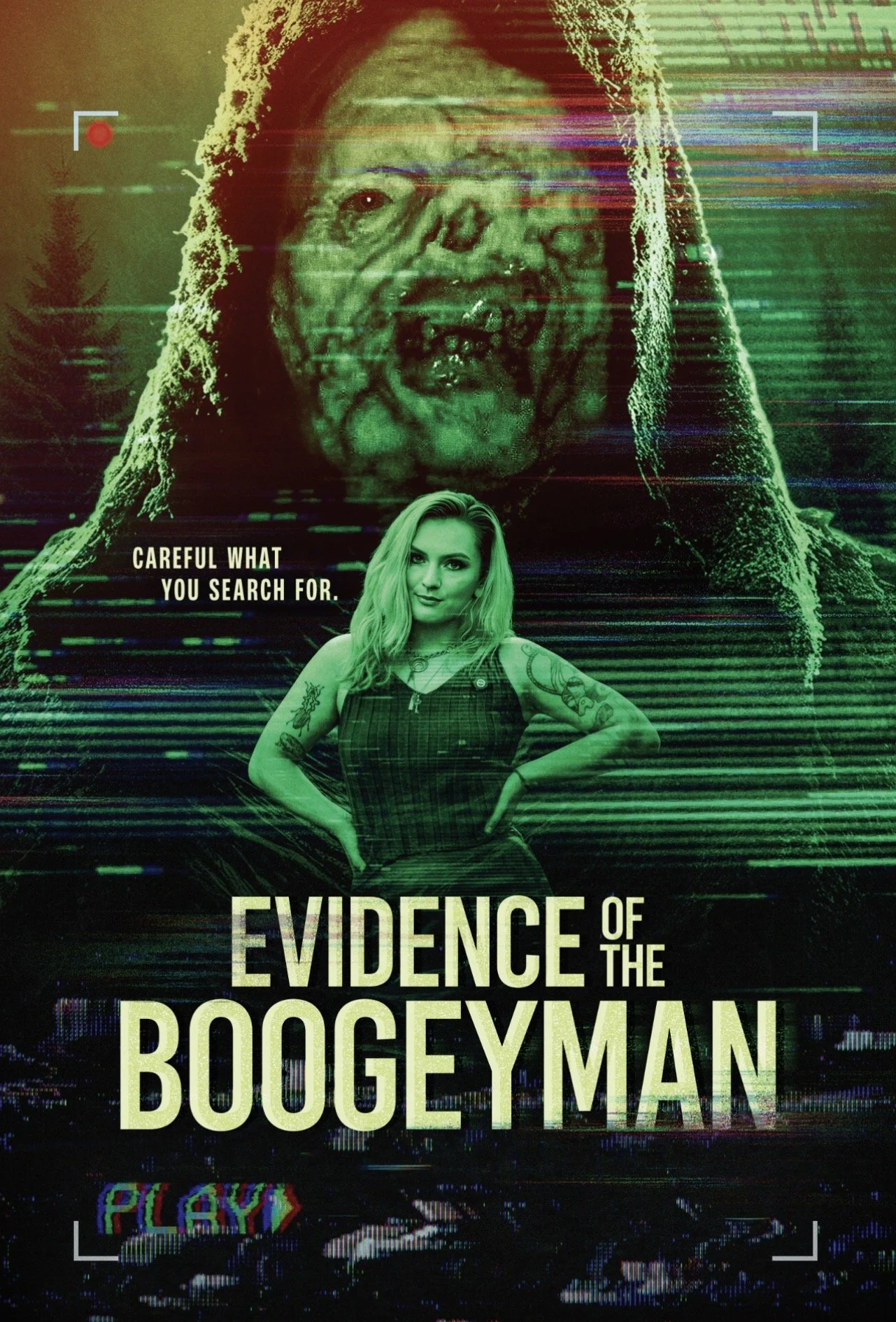
Breaking Glass Pictures “EVIDENCE OF THE BOOGEYMAN” (2025) Finds New Terror in Found Footage
Courtesy of Breaking Glass Pictures
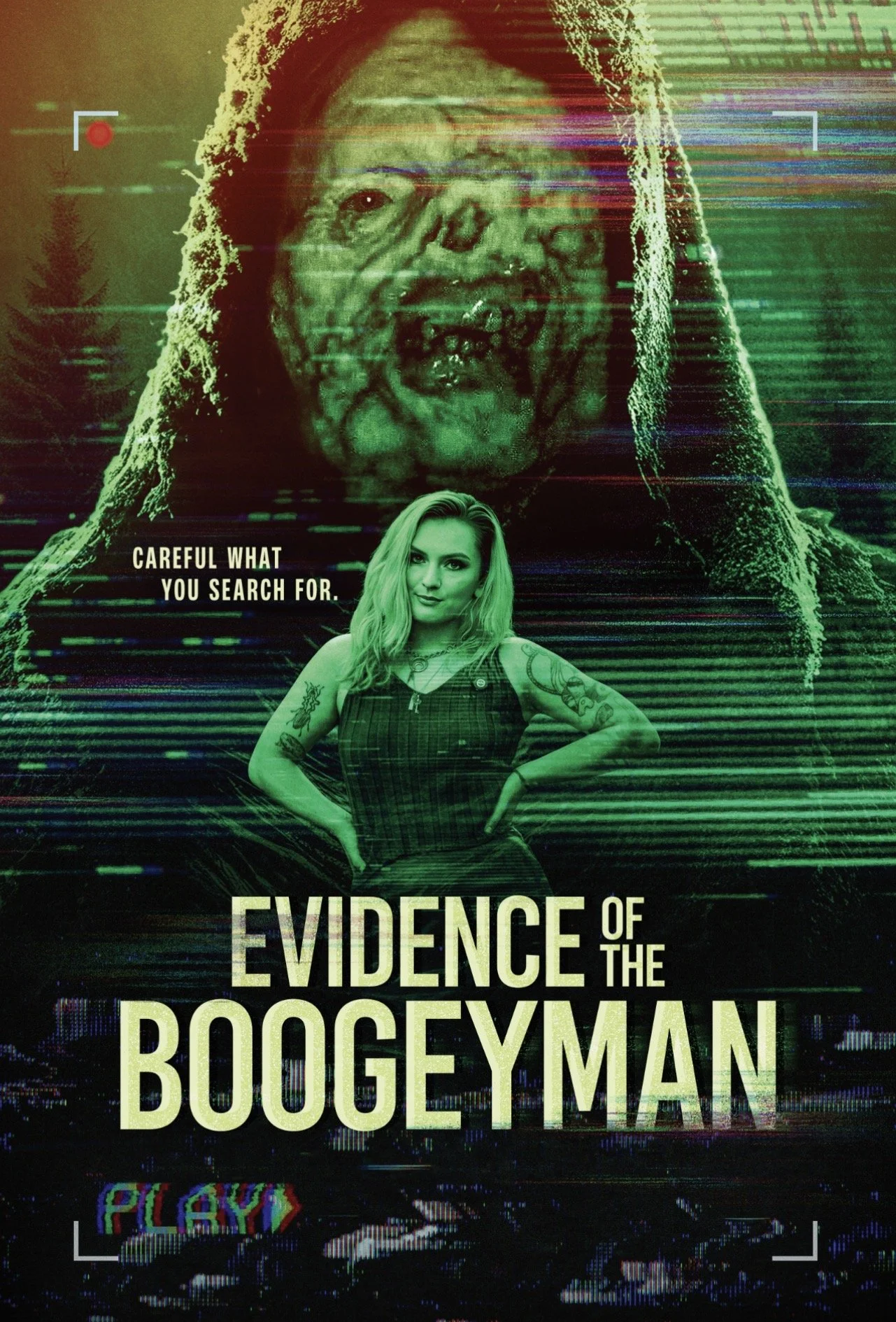
Modern found footage horror movies are no longer content to rely on shaky cameras and accidental jump scares to do the heavy lifting. The sub-genre has somewhat matured, finding new and inventive ways. Simply by aiming to unsettle audiences by blending realism, mockumentary techniques, and true crime aesthetics into experiences that feel disturbingly authentic. Today’s viewers are savvy and well versed in horror language, which means modern found footage films must work harder to earn their scares. When successful, they do not simply frighten in the moment but linger long after the screen goes dark. 7th Street Productions and Breaking Glass Pictures new movie “Evidence of the Boogeyman” stands as a strong example of how contemporary found footage horror continues to evolve while still honoring the genre’s roots.
“Evidence of the Boogeyman” marks the terrifying third chapter in Calvin McCarthy’s acclaimed Boogeyman series, and it makes a bold creative choice by fully embracing the found footage format. A jump like this from a traditional narrative approach does not always work, especially for an established franchise, but here it feels natural and purposeful. Rather than feeling like a gimmick, the found footage perspective strengthens the mythology, making the legend feel closer, more invasive, and far more opportunities to keep audiences on the edge of their seats. The Boogeyman is no longer a story being told to the audience. It is something being documented in real time.
Directed by and starring Calvin Morie McCarthy, the movie drops viewers into the behind-the-scenes chaos of a small indie crew shooting a low budget paranormal documentary at a rural farmhouse infamous for its violent past. What begins as a lighthearted ghost hunting project quickly reveals deeper and far more disturbing implications. McCarthy also serves as co writer and producer, which his creative control shows in every frame. His understanding of pacing, atmosphere, and character dynamics gives the film a confident hand that never feels rushed or unfocused.
McCarthy’s triple role as co-writer, director, and star is especially impressive. Balancing those responsibilities can easily lead to creative overload, but instead it highlights his command of the material. His performance feels grounded and natural, anchoring the film in believable reactions rather than exaggerated horror tropes. He understands when to let the camera linger and when to pull back, allowing tension to build organically. This restraint is one of the film’s greatest strengths and proves that McCarthy is not only passionate about horror but deeply knowledgeable about how it works. Each of the movies he has made or have been a part of have really shown his skills as a multitalented person within the horror movie industry.
Tim Coyle also plays a major role in the movies’s success, serving as both co-writer and one of the stars. His involvement behind and in front of the camera adds authenticity to the dialogue and character interactions. Conversations feel loose, overlapping, and real, which is essential for found footage to work. He also provides a bit of some on screen humor that rounds out his character even more. Not only that, but his performance captures the slow erosion of skepticism as evidence mounts, making his character’s journey both compelling and unsettling. His collaboration with McCarthy results in a script that feels lived in rather than staged.
“Evidence of the Boogeyman” is undeniably a slow burn, but it is a patient one that rewards viewers who stick with it. This movie carefully establishes its setting, particularly through its use of the surrounding woods. During daylight hours, the environment feels warm, sunny, and almost optimistic. The cabin and forest seem harmless, even inviting. That sense of comfort is deceptive by design. When night falls, the same landscape transforms into something oppressive and terrifying. Shadows stretch endlessly, sounds carry without explanation, and the Boogeyman begins to feel less like a myth and more like a presence lurking just beyond the frame.
Naomi Mechem Miller and Erik Skybak round out the core cast and prove to be essential pieces of the story. Both actors bring depth and personality to their roles, ensuring that no one feels disposable. Each has moments where they steal the spotlight, delivering scenes that heighten tension and introduce their own brand of terror. Their reactions feel genuine and emotionally grounded, adding layers to the group dynamic and making the unfolding horror far more impactful.
One of the movies’s standout elements is its incorporation of a mockumentary style true-crime framework. This approach elevates the found footage concept by framing the events as something that has already been analyzed and reconstructed. Jason Brooks appears as a police officer whose serious, authoritative presence grounds the movie in reality. His performance feels authentic and restrained, lending the story a credibility that makes it easy to forget you are watching fiction. He adds weight to the narrative and reinforces the idea that what happened at the farmhouse had real and tragic consequences.
The mockumentary structure is further strengthened by narration from Elissa Hall, who guides the audience through the story with calm precision. Her delivery, combined with on screen information and contextual details, creates a foundation that allows the horror to unfold naturally. The text and narration never feel intrusive. Instead, they enhance the realism and tension, making the footage feel like part of an actual investigation rather than a cinematic device.
As the movie progresses, the sense of dread becomes almost suffocating. The slow burn approach pays off as tension escalates steadily, leading to a final act that is claustrophobic and relentless. Rather than relying solely on jump scares, the movie allows fear to accumulate through atmosphere, sound design, and the growing realization that escape may no longer be possible. When the horror finally peaks, it feels earned and devastating, leaving a lasting impression.
Fans of found footage classics like “The Blair Witch Project”, “Grave Encounters”, and “Hell House LLC” will find plenty to appreciate here. This movie understands what made the found footage horror movies before it effective while carving out its own identity. It does not attempt to reinvent the wheel but instead refines the tools of the genre with confidence and care.
I highly recommend “Evidence of the Boogeyman”, as well as the first two movies in the series. Calvin McCarthy has firmly established himself as a force within the horror filmmaking community, and this entry proves he is far from finished telling stories that haunt and disturb. His ability to adapt, experiment, and still deliver effective scares speaks volumes about his talent and vision.
“Evidence of the Boogeyman” is now available on Roku. It is a strong example of how modern found footage horror continues to push forward while respecting its past. The real question is this. How do you feel modern found footage movies compare to the early days of the genre, and do films like this prove that found footage can still find new ways to scare us?
Whether it’s slashers in the woods, ghosts in the attic, or killers in the cornfield, ILHM Reviews brings you the frightful horror flick recommendations worth watching. Follow us on Instagram, be sure to listen to the the "I Love Horror" podcast and remember that if you’re a true fan of horror, every night can be a FRIGHT NIGHT!
Jaunted January Unleashes New FOUND TV Horrors
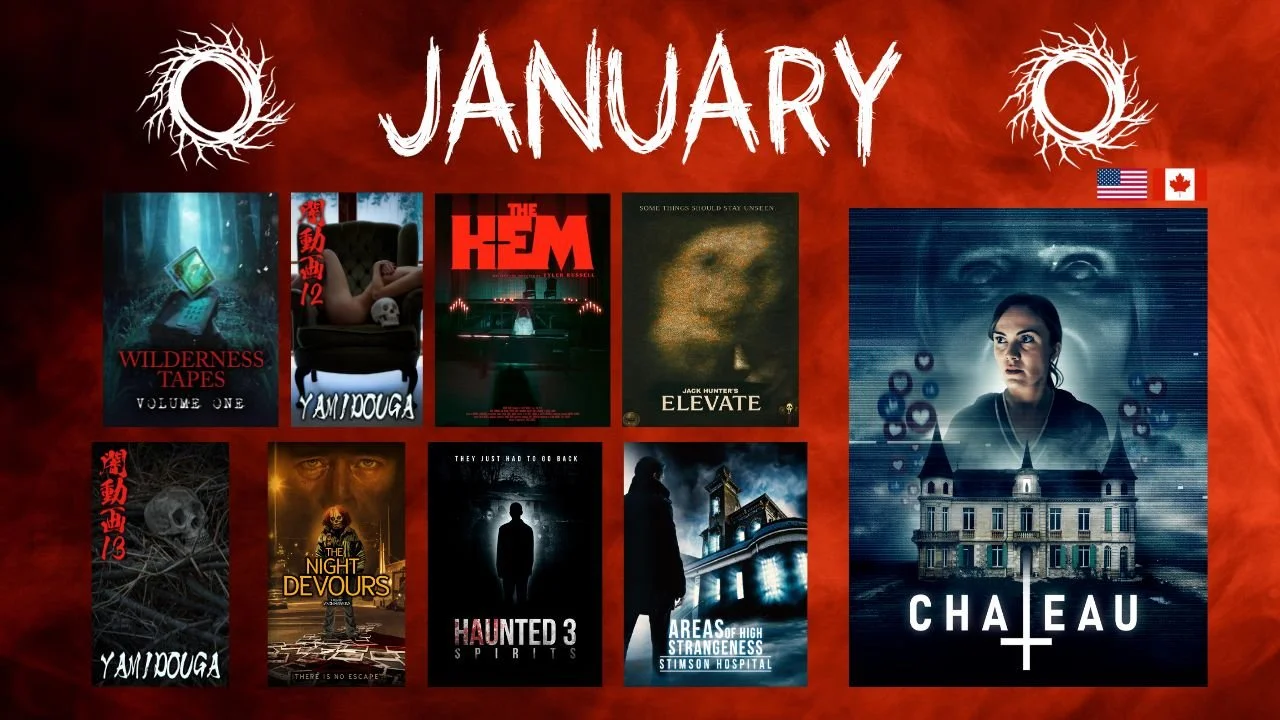
2026 is shaping up to be the kind of year horror fans will talk about in hushed, excited tones long after the lights come back on. The horror genre isn’t just thriving, it’s mutating, splintering, and daring audiences to keep up. Studio heavyweights are doubling down on bold risks, indie filmmakers are weaponizing creativity over budget, and audiences are craving fear that lingers rather than fades with the credits. Horror has always thrived on reinvention, but 2026 feels like a perfect storm where nostalgia collides with nerve, technology sharpens every scare, and filmmakers seem determined to remind us why horror is the most fearless genre of all. If there was ever a year poised to redraw the boundaries of what scares us, this might be the one that leaves claw marks on your calendar and chills down your spine that will last all year.
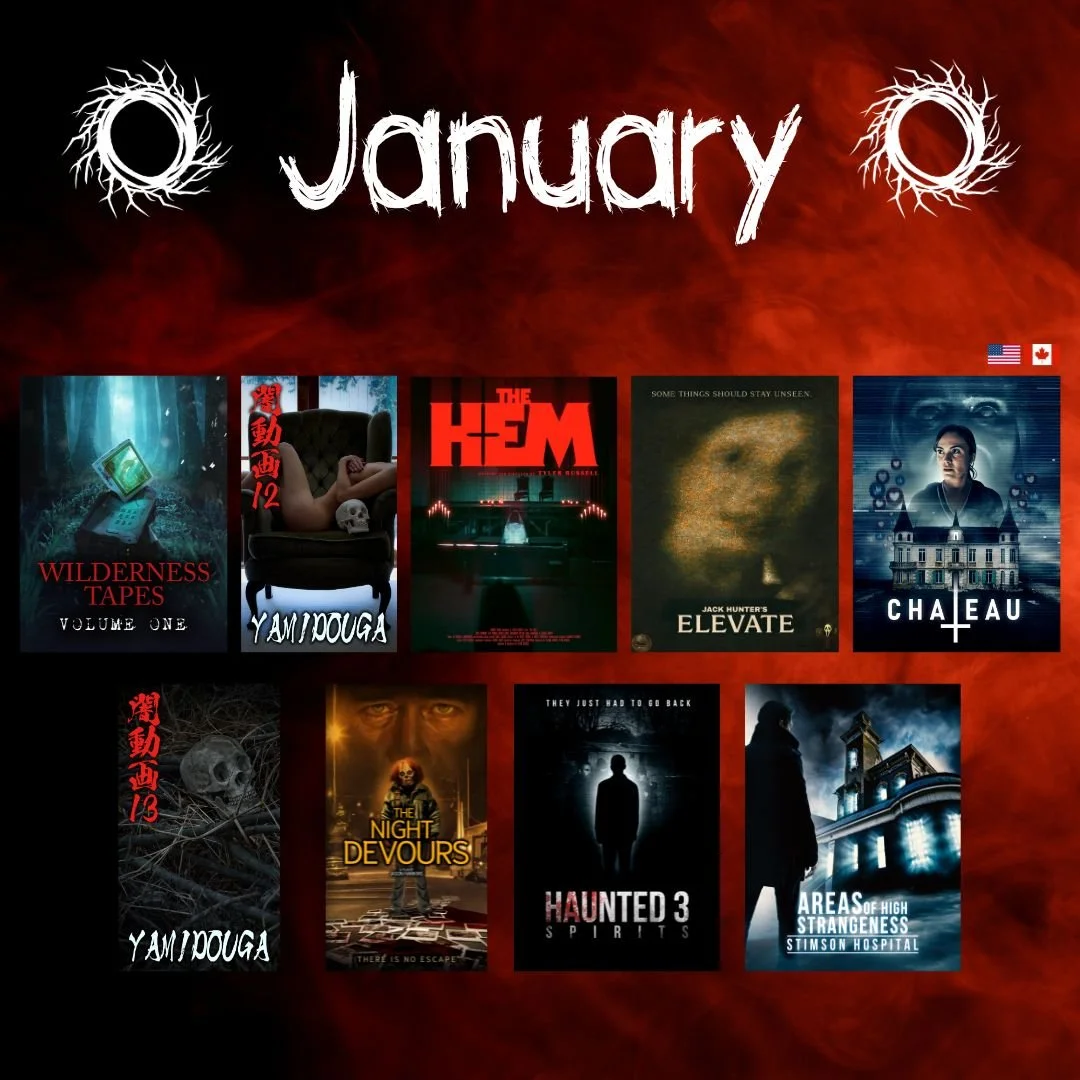
Jaunted January is here and 2026 is staring with some amazing bangers from our friends at Found TV. As always, they don’t disappoint, so these will be ones you will not want to miss. Mark your calendars for these releases:
Courtesy of Found TV
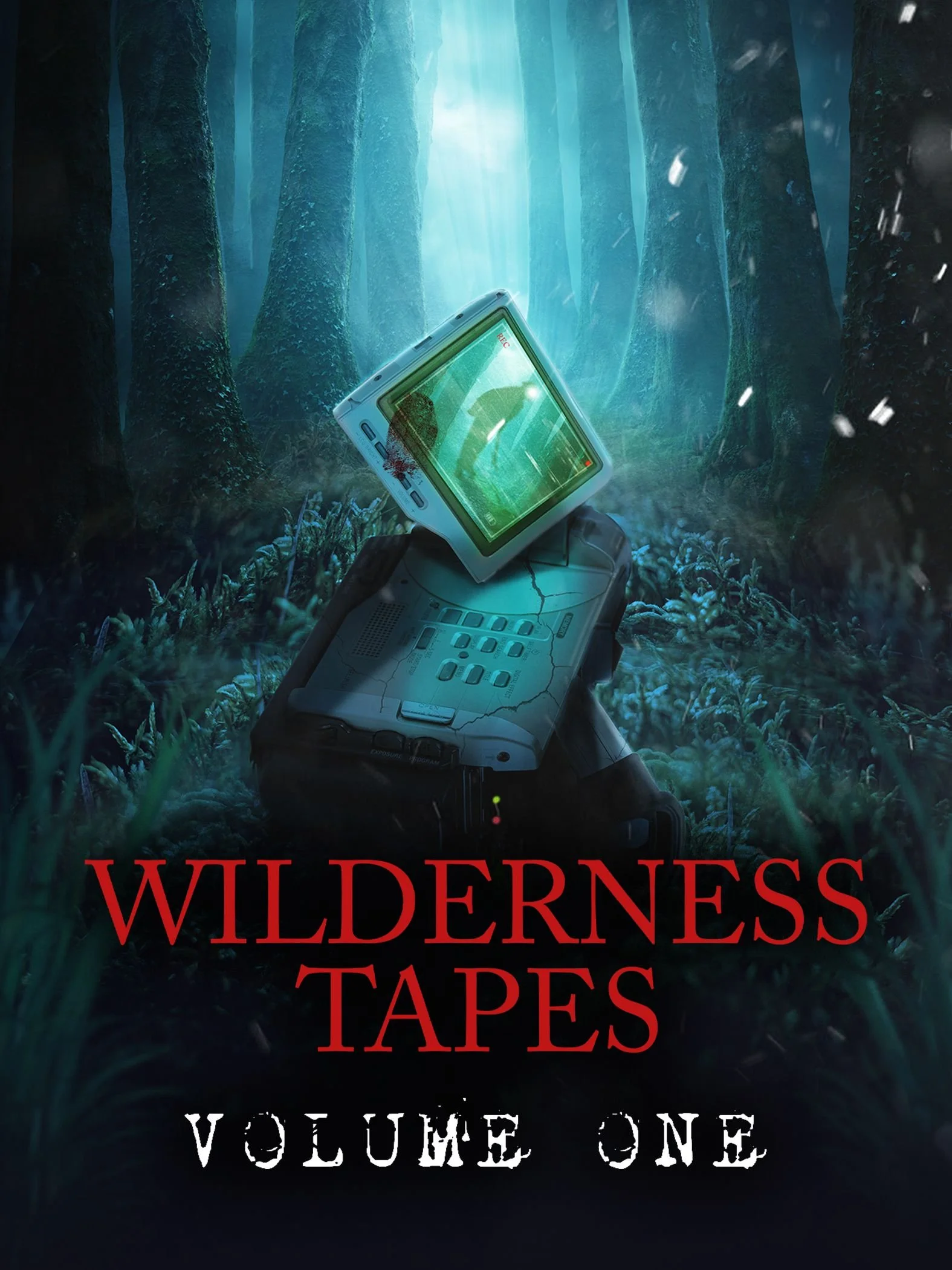
JANUARY 1: Wilderness Tapes - Volume One (2025) - Nearly a million smartphones and cameras are lost in the wilderness each year. For the first time in history, recovered footage from such devices is presented in a chilling anthology series. Wilderness Tapes: Volume One chronicles a journey into an abandoned gold mine that goes wrong, plunging "Prospector Pete" into the depths of supernatural madness.
Courtesy of Found TV
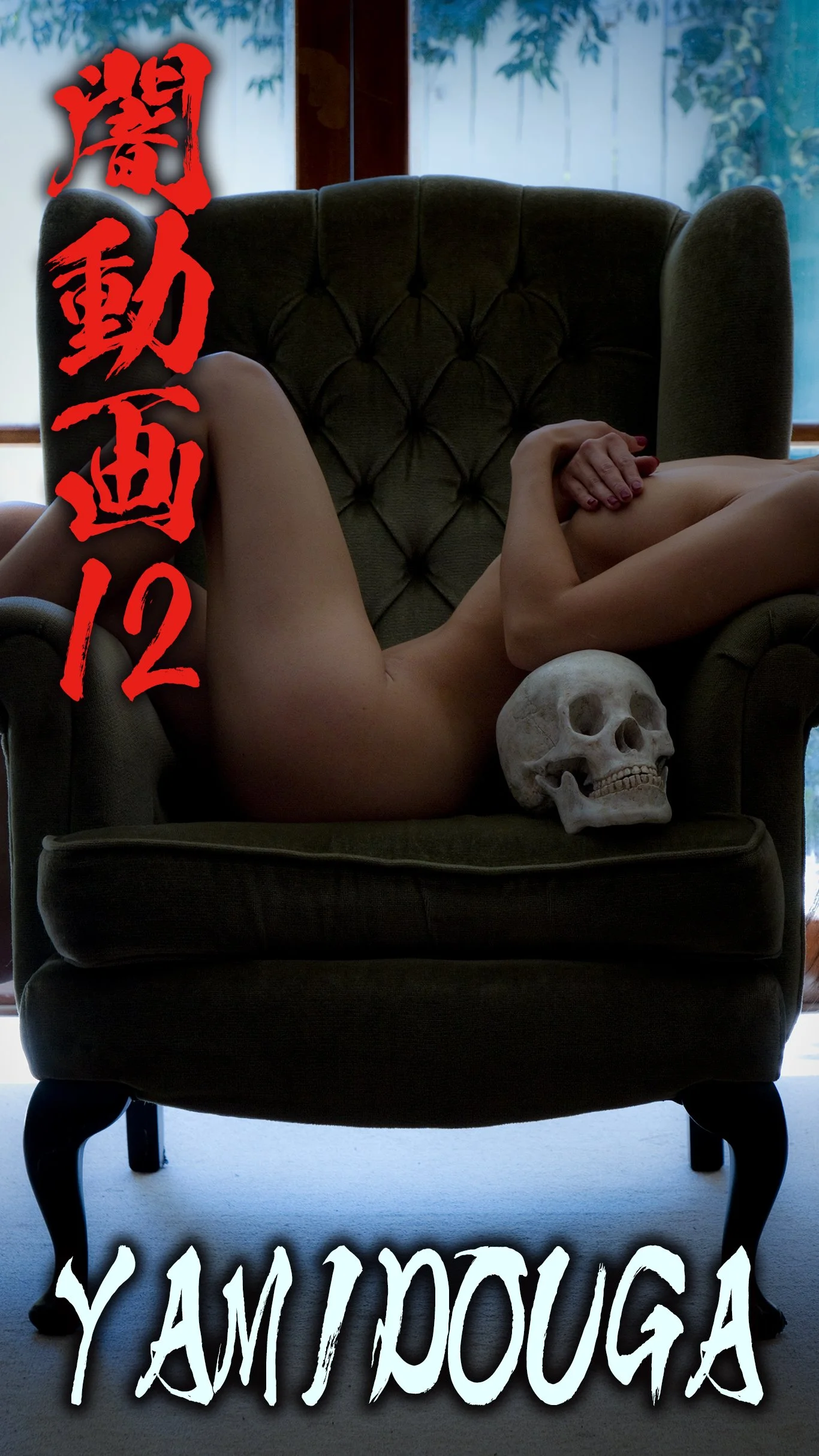
JANUARY 6: Yami Douga 12 (2015) - The pursuit of fear continues. After Kazuto Kodama's popular horror series "The Real Deal. Cursed Videos" (Honto ni Atta. Noroi no Video) unleashed a new generation in horror, we bring you volume 12 in the ultimate horror video collection.
Courtesy of Found TV
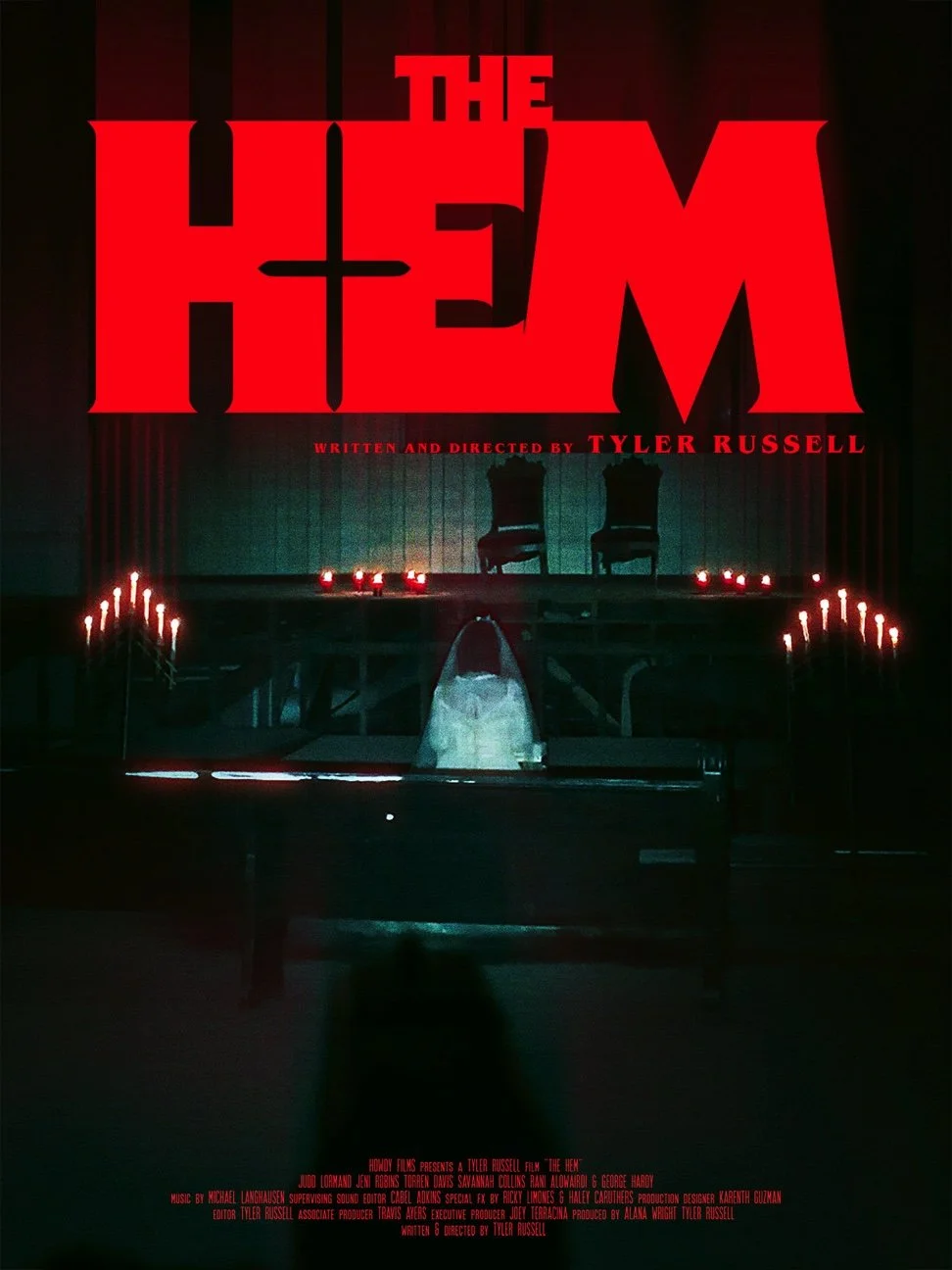
JANUARY 9: The Hem (2025) - A documentary crew investigates a haunted church on the verge of collapse with one condition: they must be out by dark.
Courtesy of Found TV
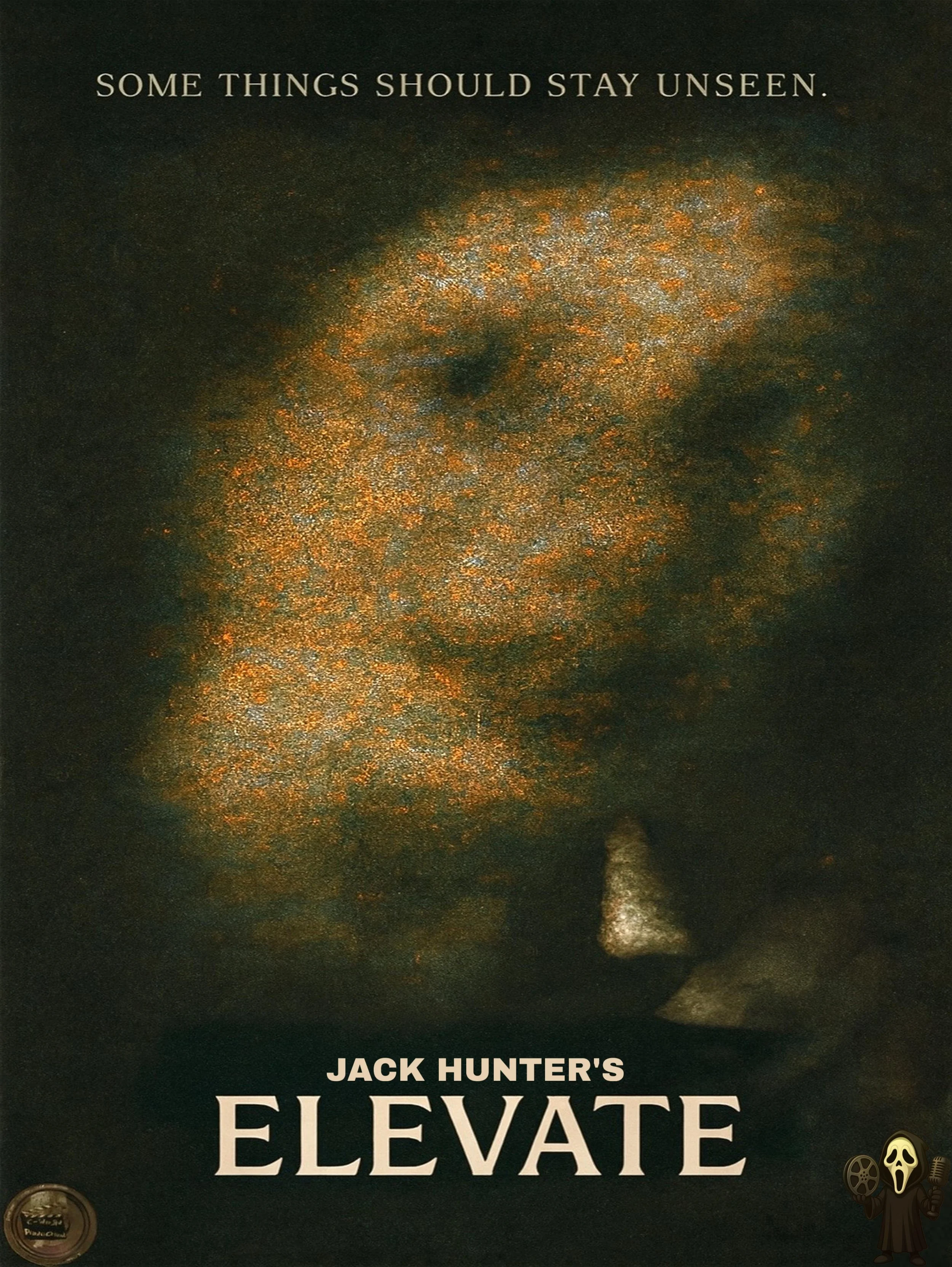
JANUARY 13: Elevate (2025) - A father's love of film turns disturbing when a cursed camera shows images from a reality unseen to the human eye. A disturbing look into a cursed technology driven by vanity.
Courtesy of Found TV
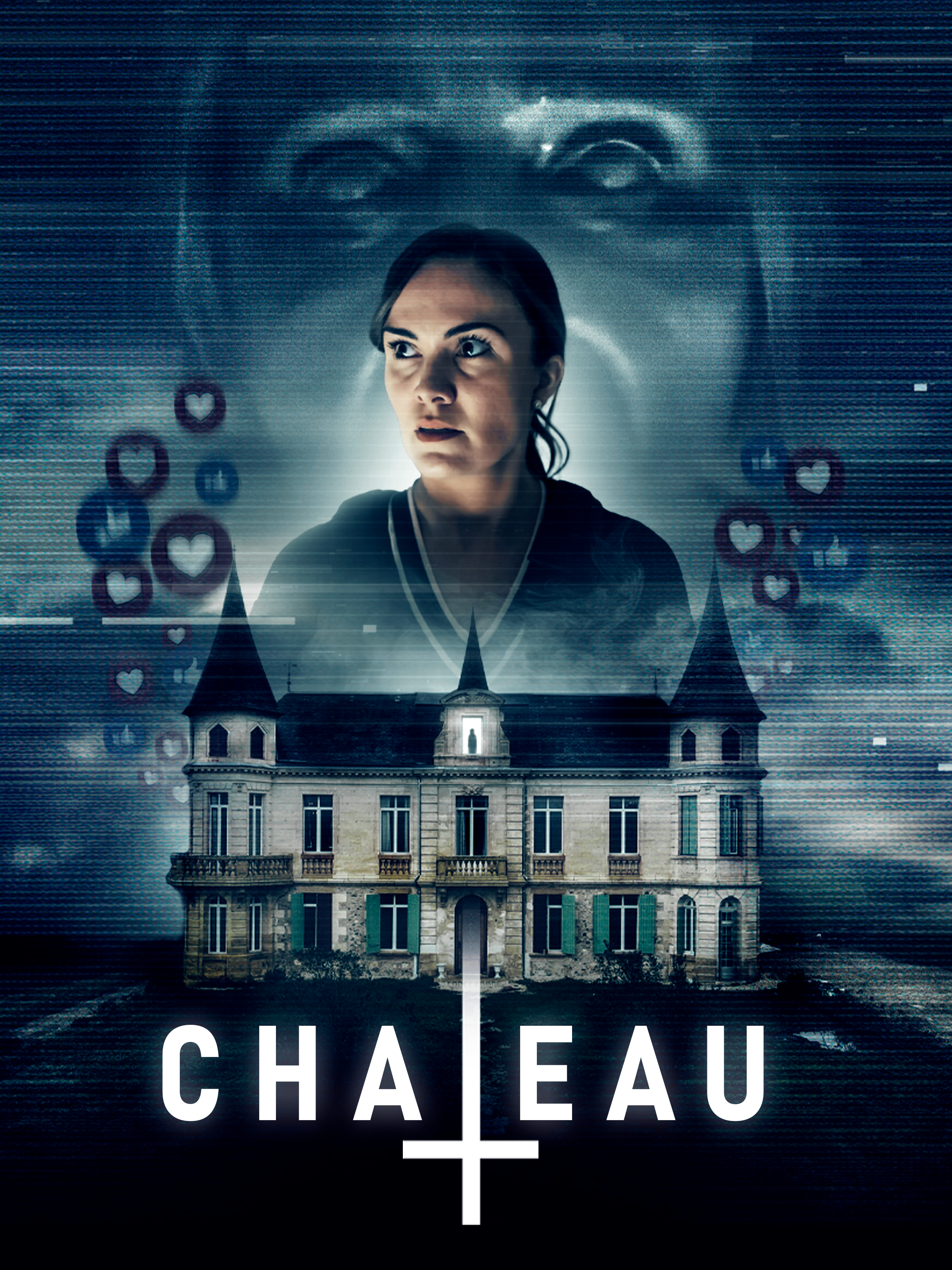
JANUARY 16: Chateau (2024) - While on a French vacation funded by odd jobs, an aspiring influencer covertly films a vlog in a reportedly haunted chateau she's been hired to clean. North America only.
Courtesy of Found TV
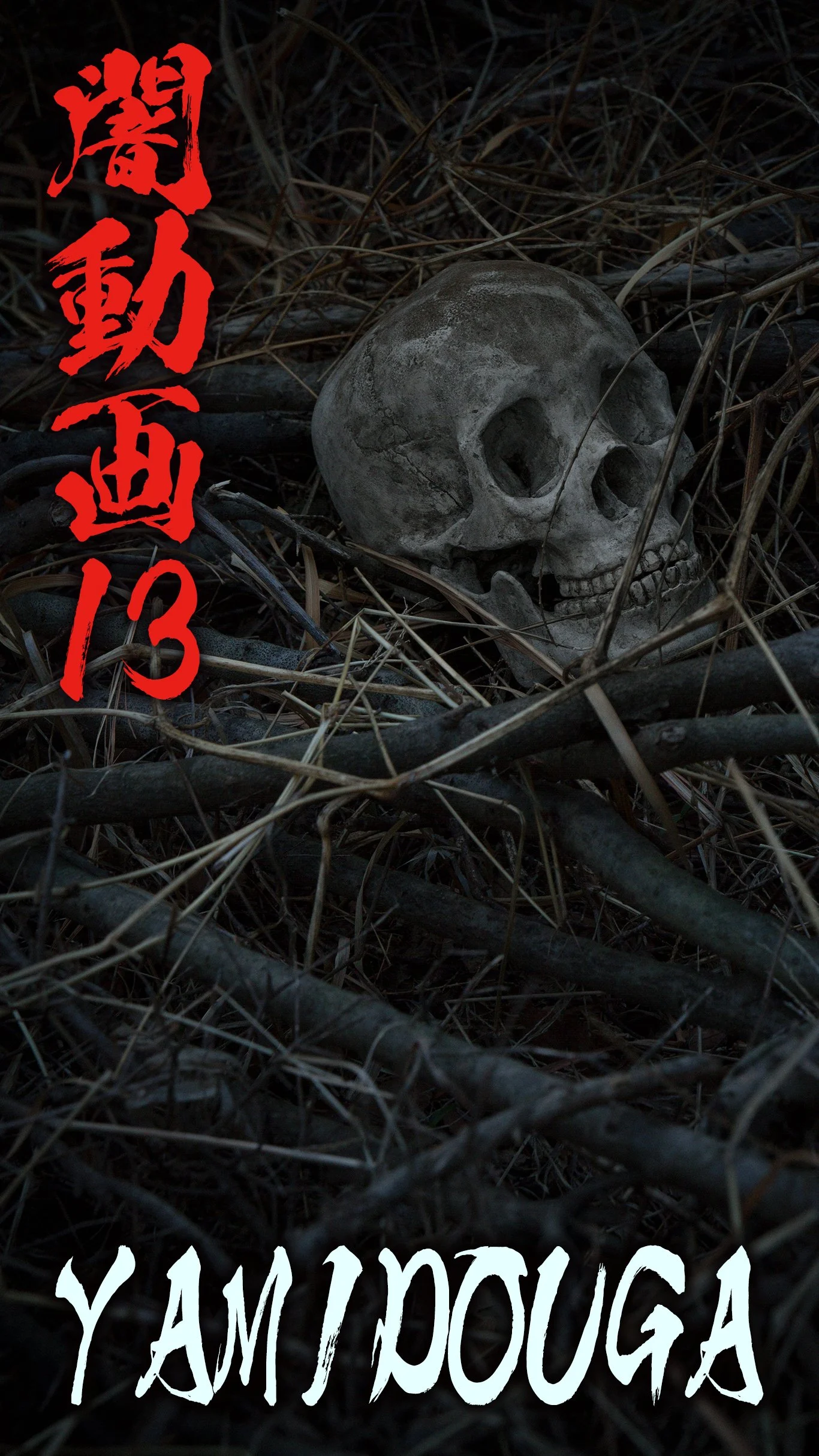
JANUARY 20: Yami Douga 13 (2015) - The pursuit of fear continues. After Kazuto Kodama's popular horror series "The Real Deal. Cursed Videos" (Honto ni Atta. Noroi no Video) unleashed a new generation in horror, we bring you volume 13 in the ultimate horror video collection.
Courtesy of Found TV
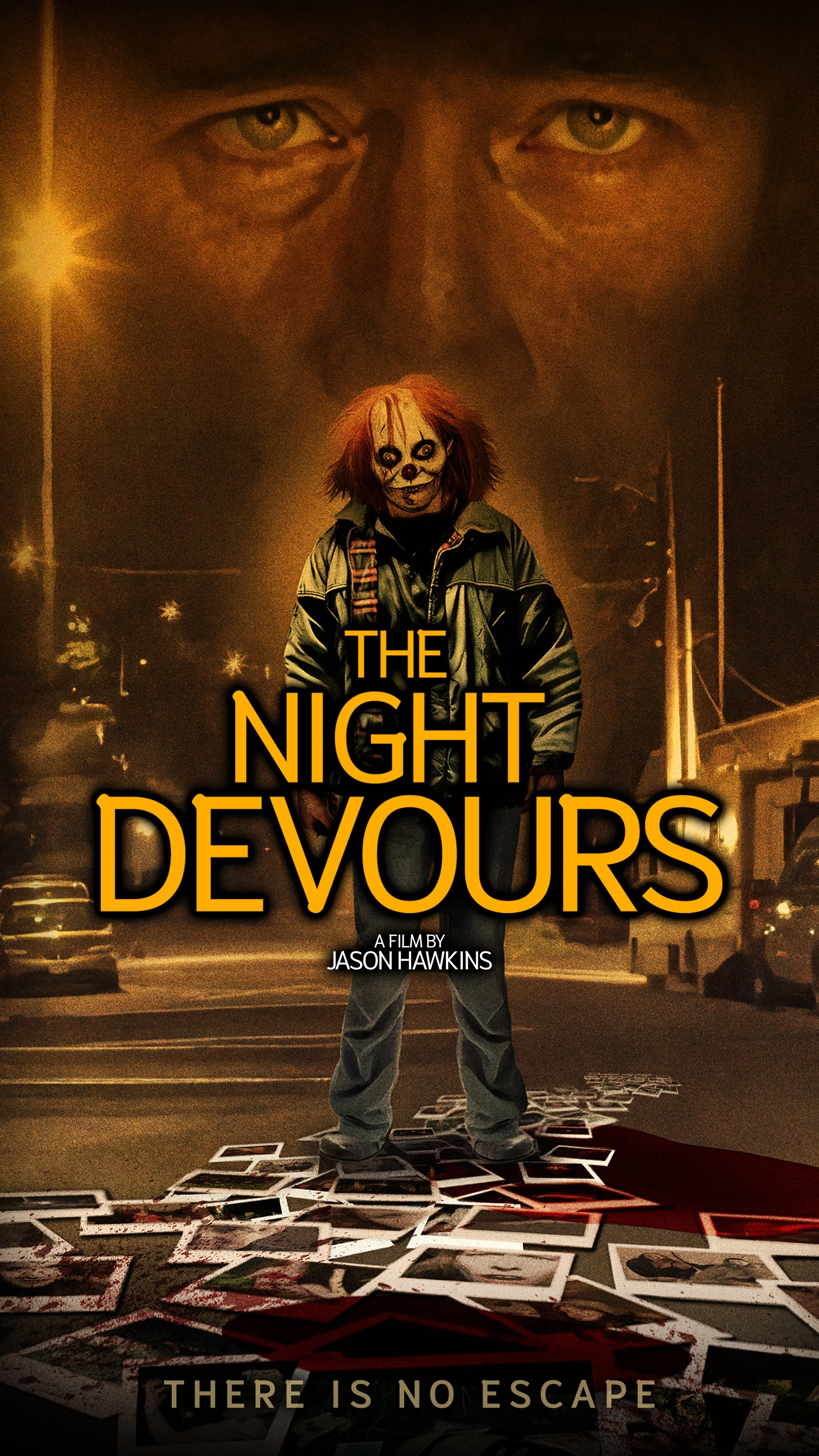
JANUARY 23: The Night Devours (2024) - A serial killer facing his own mortality looks back on his life and the events that have brought him to this point in time.
Courtesy of Found TV
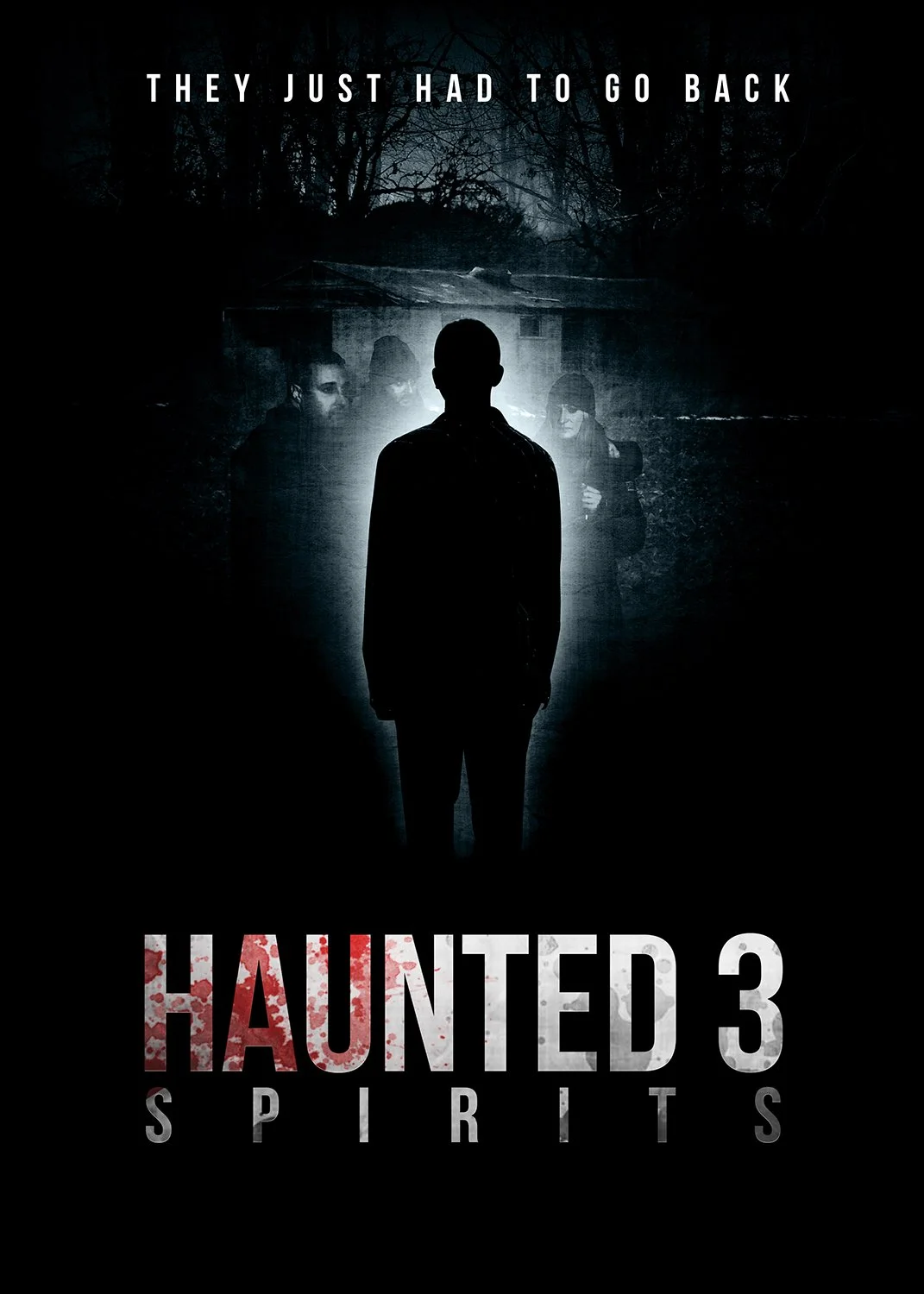
JANUARY 27: Haunted 3: Spirits (2018) - Andrew Robinson returns to the Halloween horror nights phenomenon. On a rural farm in deepest, England he encounters a series of paranormal events that lead to a mystery being solved with frightening consequences and ultimate finale.
Courtesy of Found TV
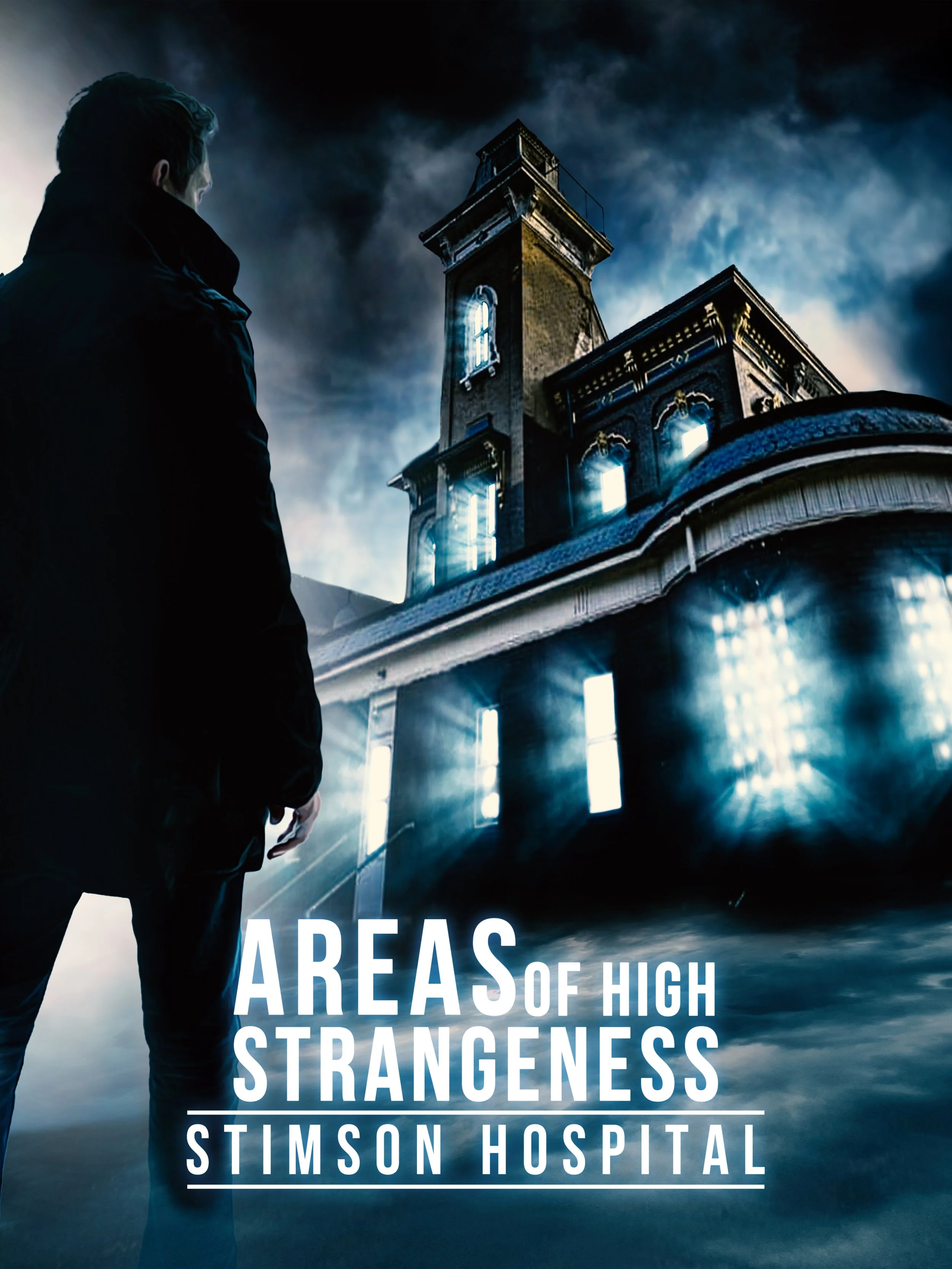
JANUARY 30: Areas of High Strangeness - Stimson Hospital (2025) - When the Demon Hunter Society ventures into the haunted halls of Stimson Hospital in Eaton Rapids, Michigan, they uncover chilling evidence of restless spirits and malevolent forces in a place long shrouded in mystery and terror.
Whether it’s slashers in the woods, ghosts in the attic, or killers in the cornfield, ILHM Reviews brings you the frightful horror flick recommendations worth watching. Follow us on Instagram, be sure to listen to the the "I Love Horror" podcast and remember that if you’re a true fan of horror, every night can be a FRIGHT NIGHT!
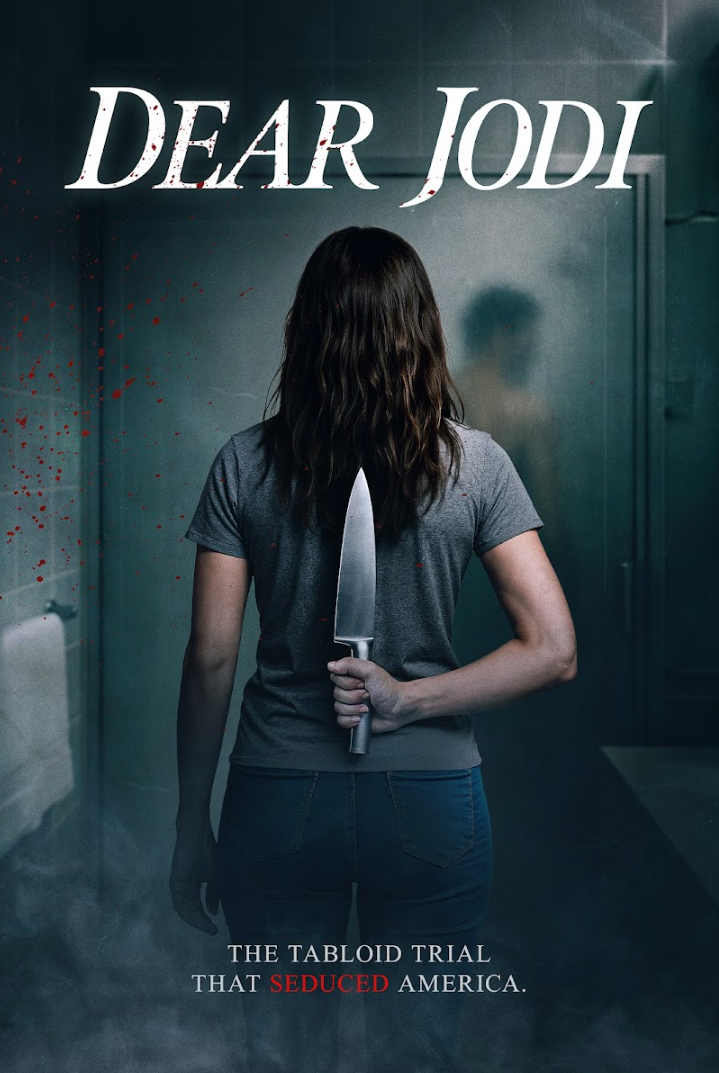
BREAKING GLASS PICTURES “DEAR JODI” (2025): Is It An Encore We Need?
Courtesy of Breaking Glass Pictures
True crime has evolved into one of the most dominant forces in modern cinema and media, transforming real-world tragedy into an endless loop of content. What once served as investigative storytelling now often functions as entertainment engineered for engagement, clicks, and prolonged fascination. As audiences grow more familiar with infamous cases, the genre faces a critical challenge: figuring out whether revisiting these stories offers genuine insight or simply perpetuates obsession. Breaking Glass Pictures’ “Dear Jodi” enters this crowded landscape with polished visuals and reflective intentions but ultimately struggles to justify its existence beyond revisiting a case the public has already dissected to exhaustion.
Directed by Clive Christopher, “Dear Jodi” revisits the murder of Travis Alexander and the trial of Jodi Arias. It was a case that became a cultural spectacle long before a verdict was decided. The documentary positions itself as a quieter, more contemplative alternative to sensational coverage. It does so by promising overlooked evidence, untold perspectives, and renewed insight into why the trial unfolded the way it did. While this approach is admirable in theory, the execution often feels disconnected from the present moment, as though the film is attempting to restart a conversation that concluded years ago.
From a technical standpoint, “Dear Jodi” is competently made. The cinematography is clean, interviews are professionally staged, and the overall presentation reflects a level of care that exceeds many low-budget true-crime releases. Visually, the film looks good. Unfortunately, that polish does not translate into an engaging viewing experience. There is a persistent sense that the documentary lacks urgency or purpose, making it difficult to feel invested despite the gravity of its subject matter.
A major issue lies in the documentary’s reliance on repetition. Much of the runtime is devoted to rehashing the crime and trial in ways that will feel overly familiar to anyone with even a passing knowledge of the case. Rather than trusting its audience, the film frequently reiterates well-known details, creating the impression that viewers are being lectured rather than invited into a deeper analysis. This approach unintentionally undermines the intelligence of its audience and stalls any forward momentum.
The documentary’s collaboration with The Within Range Podcast further complicates its identity. While cross-platform storytelling is not inherently problematic, “Dear Jodi” often feels less like an independent documentary and more like an extended visual companion piece, or even a commercial for the podcast itself. The emphasis placed on the podcast’s perspective and framing gives the film an oddly promotional tone, blurring the line between documentary filmmaking and branded content. It also feels the crime and case around it seem more like a joke to them, more than a serious subject revolving around the loss of a human life.
This structural issue raises a larger question about format. Much of what “Dear Jodi” presents would arguably function more effectively as a long-form YouTube video or podcast episode rather than a feature-length documentary. The conversational pacing, reliance on opinion, and lack of investigative progression make the film feel stretched beyond its natural scope. Instead of building a cohesive narrative, it drifts between commentary and reiteration, never fully committing to a clear investigative goal.
“Dear Jodi” features appearances from Jared Suter, Dominic Vaquez, Darren Burch, Joe Arpaio, Noah Gruber, Vanesha Guidry, and Andrew Leal, whose contributions range from reflective to speculative. While their insights are provided earnestly, the documentary rarely challenges or contextualizes their claims with substantive evidence. This results in a presentation that feels more interpretive than factual, prioritizing perspective over verification (especially with the unneeded reenactments).
One of the more uncomfortable aspects of “Dear Jodi” is its recurring focus on Jodi Arias’ appearance. Despite positioning itself as a critique of media sensationalism, the documentary frequently revisits the same superficial elements that fueled the original media frenzy. The emphasis on her looks, demeanor, and perceived allure contributes little to a meaningful understanding of the case and instead reinforces the spectacle it claims to reject. This fixation detracts from any serious attempt at factual analysis and feels particularly out of place in a film that purports to offer clarity.
Similarly, the documentary devotes significant attention to a song Arias sang while in prison, framing it as a kind of emotional confession. This interpretation feels strained, especially given that Arias had already been convicted at the time. Treating this moment as revelatory borders on performative symbolism rather than substantive insight. Instead of uncovering new information, the film leans into conjecture, mistaking emotional interpretation for evidence.
Perhaps the most troubling aspect of “Dear Jodi” is how the tragedy itself becomes secondary. While the murder of Travis Alexander is acknowledged, the emotional impact on his family often feels overshadowed by the film’s continued fascination with Arias. In attempting to reframe public perception, the documentary risks minimizing the human cost at the center of the story. The result is a film that, intentionally or not, feels like it is cashing in on a tragedy without offering meaningful advancement in understanding.
That said, “Dear Jodi” is not without merit. Its restrained tone avoids overt sensationalism, and there is a genuine desire to examine how media narratives influence public perception and the justice system. These ambitions matter, particularly in a genre often driven by excess. However, intention alone cannot sustain a documentary when its insights feel redundant and its timing feels misaligned.
Ultimately, “Dear Jodi” is a film caught between reflection and relevance. While competently made, it arrives too late to meaningfully reshape the narrative surrounding one of America’s most infamous cases. Instead of illuminating new truths, it reiterates familiar ones, leaving viewers with the sense that the documentary exists more to extend discourse than to deepen it.
As true crime continues to dominate modern cinema, projects like “Dear Jodi” highlight the importance of discernment in storytelling. Not every case is in need to be revisiting, and not every perspective needs to have a feature-length treatment behind it. While the film raises worthwhile questions about media, obsession, and narrative control, it ultimately struggles to answer the most important one of all: “why this story, and why now”?
Whether it’s slashers in the woods, ghosts in the attic, or killers in the cornfield, ILHM Reviews brings you the frightful horror flick recommendations worth watching. Follow us on Instagram, be sure to listen to the the "I Love Horror" podcast and remember that if you’re a true fan of horror, every night can be a FRIGHT NIGHT!
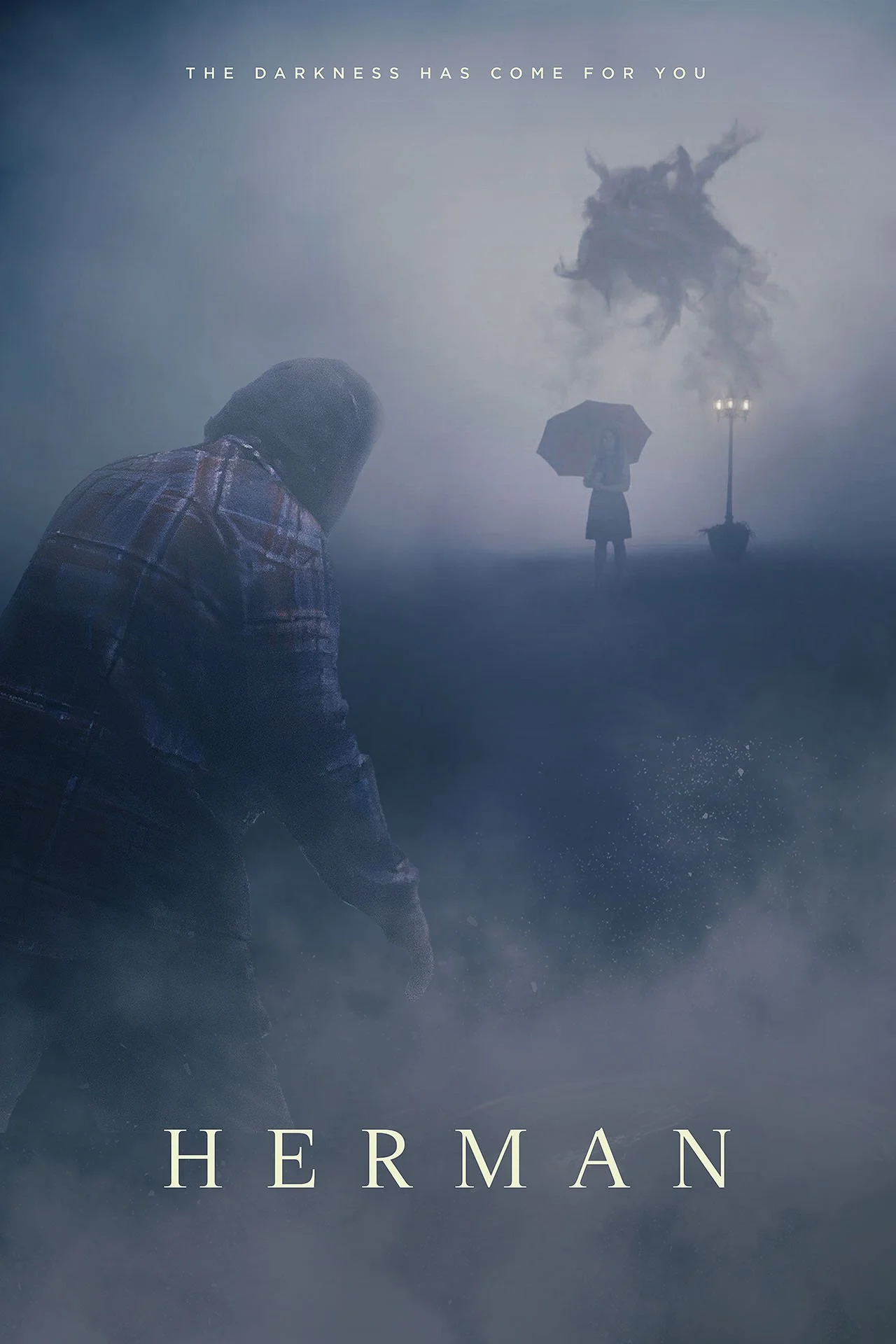
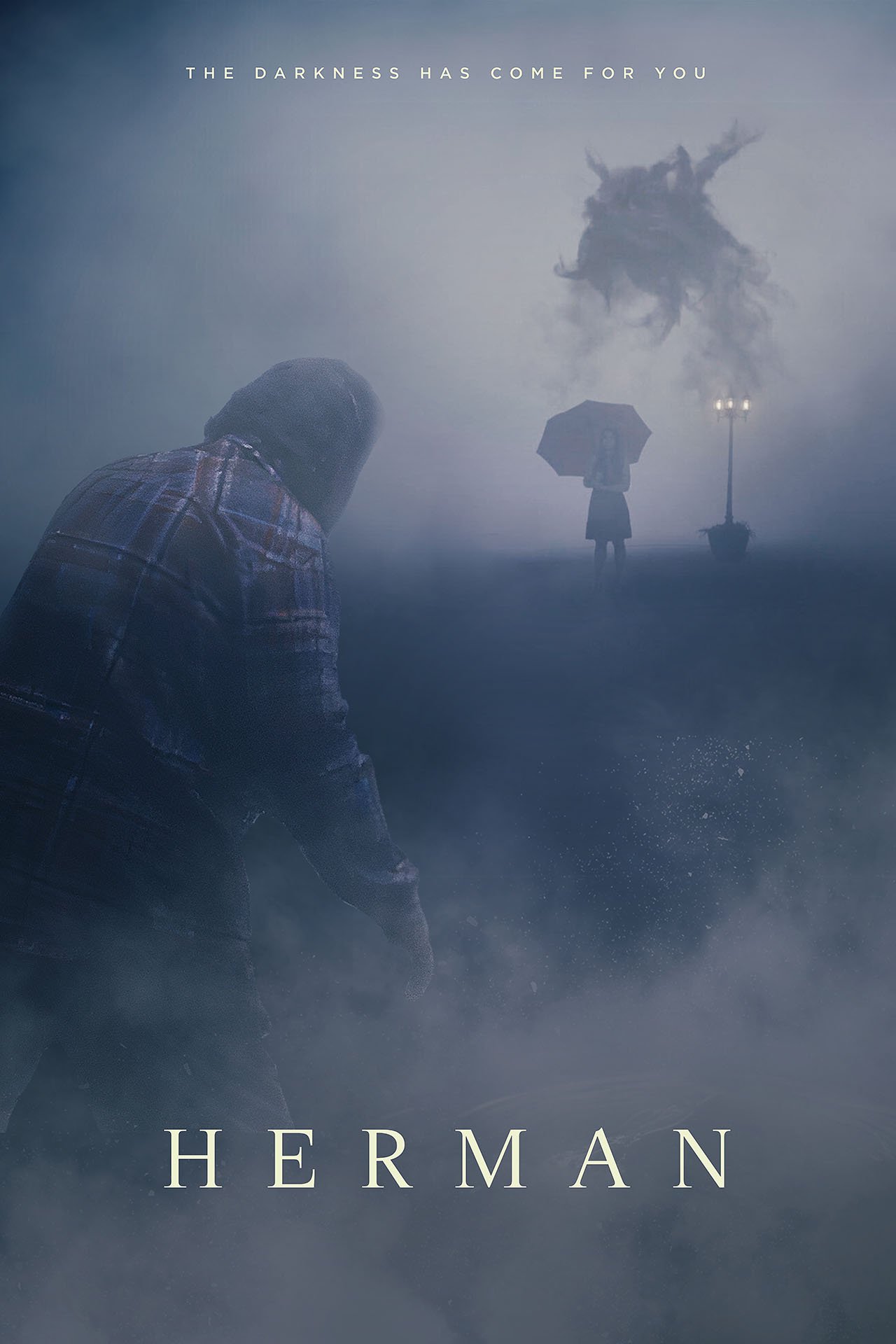
“HERMAN” (2025): A Haunting Journey Through Inner Torment
Courtesy of VP Independent and LBM Pictures
Psychological thrillers that weave religion into a character’s personal hell strike a deeper chord than the average horror movie. These stories don’t rely solely on jump scares or external threats. They dig into guilt, faith, memory, and the terrifying possibility that the darkness haunting us might be of our own creation. When a film blends spiritual unease with the unraveling of the human mind, it feels raw and intimate. It forces audiences to confront their internal fears rather than the ones lurking outside the frame, creating a type of horror that lingers long after the screen goes black.
HOW DARK & TWISTED DOES IT GET?
While psychological thrillers often promise a descent into the human mind, “Herman” delivers something far more unsettling. It drags you into the places you’ve avoided, the locked rooms you refuse to visit, and the shadows you hope no one else ever sees. I walked into this film expecting a traditional slow-burn story about a troubled man in isolation. What I got instead was a harrowing emotional excavation that made me feel the dread within myself in ways I didn’t anticipate. Director and writer Andrew Vogel has crafted a film that doesn’t just ask you to observe Herman’s unraveling. It forces you to sit beside him, breathe the cold air he breathes, and confront the echoes of your own buried pain.
Colin Ward plays Herman with remarkable precision. His performance is controlled yet explosive, fragile yet defiant, and it captures the complicated duality at the heart of the story. Herman is a mountain recluse haunted by a dark force, but the film makes clear early on that the most terrifying intruder is the one already living inside him. When Suzann Toni Petrongolo appears as Sr. Mary, one of his late-night visitors, her presence pushes him toward a reckoning he can no longer postpone. Petrongolo delivers a haunting mix of compassion and quiet authority, amplifying the film’s religious undertones without slipping into cliché.
The supporting cast adds crucial texture. Lawson Greyson brings Alice to life with raw emotional honesty, offering glimpses of what connection might look like for Herman if fear didn’t strangle every attempt at vulnerability. Andrew Vogel, stepping in front of the camera as Max, shows an intuitive grasp of the story’s rhythms. Alex James, as James, adds another layer of tension, a reminder that once the past comes knocking it rarely knocks only once. Soni Theresea Montgomery gives Sr. Josephine an otherworldly calm that unsettles as much as it soothes. Lamar Alexander, playing The Man, delivers a lean yet unforgettable performance, the kind that makes you lean closer without realizing it. Every performer is operating at full force, and the result is a cast that carries the film with unified intensity.
Much of the dread in “Herman” comes from its willingness to sit in silence. Cinematographer Jess Dunlap transforms the mountain setting into a living organism. The fog sequences are some of the most gorgeous horror images I’ve seen this year. The camera doesn’t simply frame Herman’s world. It breathes with him. The fog rolls across the landscape like a memory you’ve tried to outrun, swallowing the cabin, the tree line, and eventually Herman himself. This visual strategy gives the film a mood that reminded me of wandering through “Dante’s Inferno,” each step bringing Herman deeper into his own personal Hell. I could feel the weight of that descent in my chest, as if the film were quietly asking me to examine the painful moments I’ve shoved into the corners of my own mind.
The themes at play here resonate with a sharpness that lingers long after the credits. Herman isn’t only haunted by supernatural threats. He’s pursued by the accumulated dread of his past, the choices that carved pieces out of his soul, and the secrets he swore to take to his grave. These secrets aren’t vague suggestions dropped in to build tension. They are woven through the film’s structure and become the scaffolding that supports the third act. That final stretch is one of my favorite cinematic turns of the year. It’s bold, blistering, and emotionally devastating. I felt as though I were watching two versions of Herman battle for the right to exist. The duality of self is explored with a precision I rarely see in horror, and it made me question how much of my own pain I’ve learned to carry without acknowledging its weight.
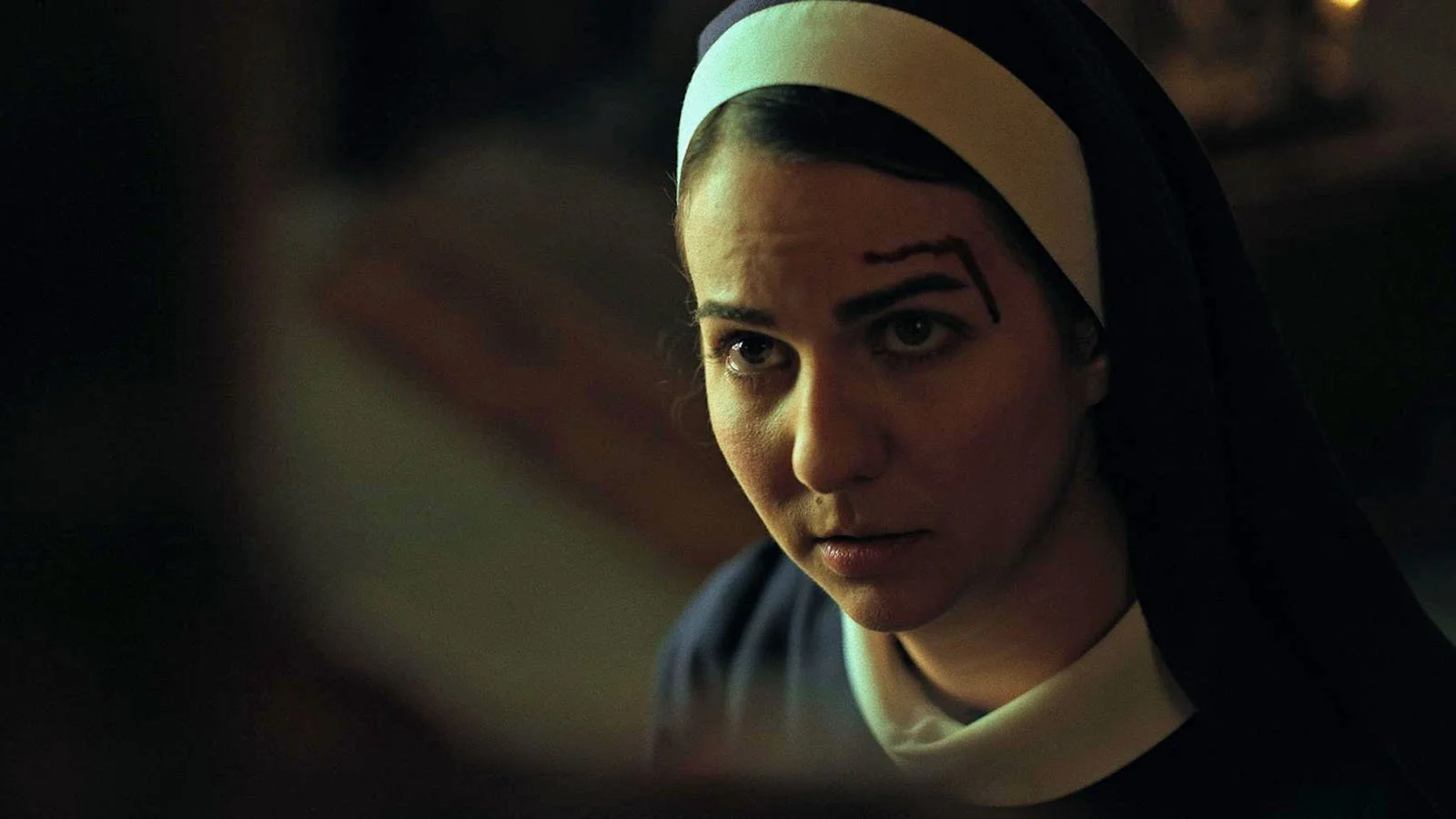
Courtesy of VP Independent and LBM Pictures
Vogel’s writing excels here. The dialogue is tight and meaningful, and not a single line feels like filler. The pacing is steady, allowing suspicion and dread to build organically. Nothing is rushed, yet nothing feels indulgent. As a director, Vogel demonstrates a deep understanding of how mood, silence, and visual storytelling can shape psychological horror. His control of each scene is confident, and his decision to merge spiritual symbolism with emotional trauma gives the film a sense of mythic gravity. The religious elements never overexplain themselves. Instead, they act as a compelling guide rope as Herman stumbles through the labyrinth of his inner world. I found myself clinging to that rope right beside him.
The production companies, VP Independent and LBM Pictures, deliver a film that looks and feels polished without losing the intimate grit that makes psychological horror so effective. There is an artistry here that respects the viewer. The film assumes you’re willing to think, to feel uncomfortable, and to question yourself. I appreciated that level of trust. Every scene feels handled with purpose, from the smallest gesture to the sweeping, fog-laden shots that belong on a large theatrical screen.
Emotionally, the film hit me harder than I expected. Herman’s fear is tangible, but it’s the quieter moments that cut the deepest. When the visitors arrive at night and force him closer to the truth he fears most, I found myself leaning into the discomfort. The movie made me think inward, confronting my own dread as though I were the one trapped in that isolated cabin. That level of emotional reflection doesn’t happen often, especially in horror, and it speaks to how powerful the story is when every element works in sync.
As the final moments unfolded, I realized I wasn’t just watching Herman fight for his sanity. I was watching him fight for the right to be seen, understood, and forgiven. That yearning is universal, and the film captures it with heartbreaking authenticity. By the time the last frame hit, I felt like I had walked through Herman’s Hell alongside him and emerged with a deeper understanding of my own psychological scars.
“Herman” is the perfect way to close out 2025. It’s stunningly beautiful, emotionally fearless, and crafted with an artistry that deserves high praise. The writing is exceptional. The directing is confident and captivating. The acting from Colin Ward and the entire cast elevates the film into something unforgettable. Jess Dunlap’s cinematography deserves awards recognition for its hypnotic fog sequences alone. This is a film that earns every shiver, every gasp, and every quiet moment of reflection it inspires.
You can stream “Herman” now on Amazon Prime, and I highly recommend experiencing this psychological nightmare for yourself. Hit play, turn down the lights, and let Herman’s world pull you under. If you’re brave enough, take the journey into the dark and see what secrets you’ve buried there.
Whether it’s slashers in the woods, ghosts in the attic, or killers in the cornfield, ILHM Reviews brings you the frightful horror flick recommendations worth watching. Follow us on Instagram, be sure to listen to the the "I Love Horror" podcast and remember that if you’re a true fan of horror, every night can be a FRIGHT NIGHT!
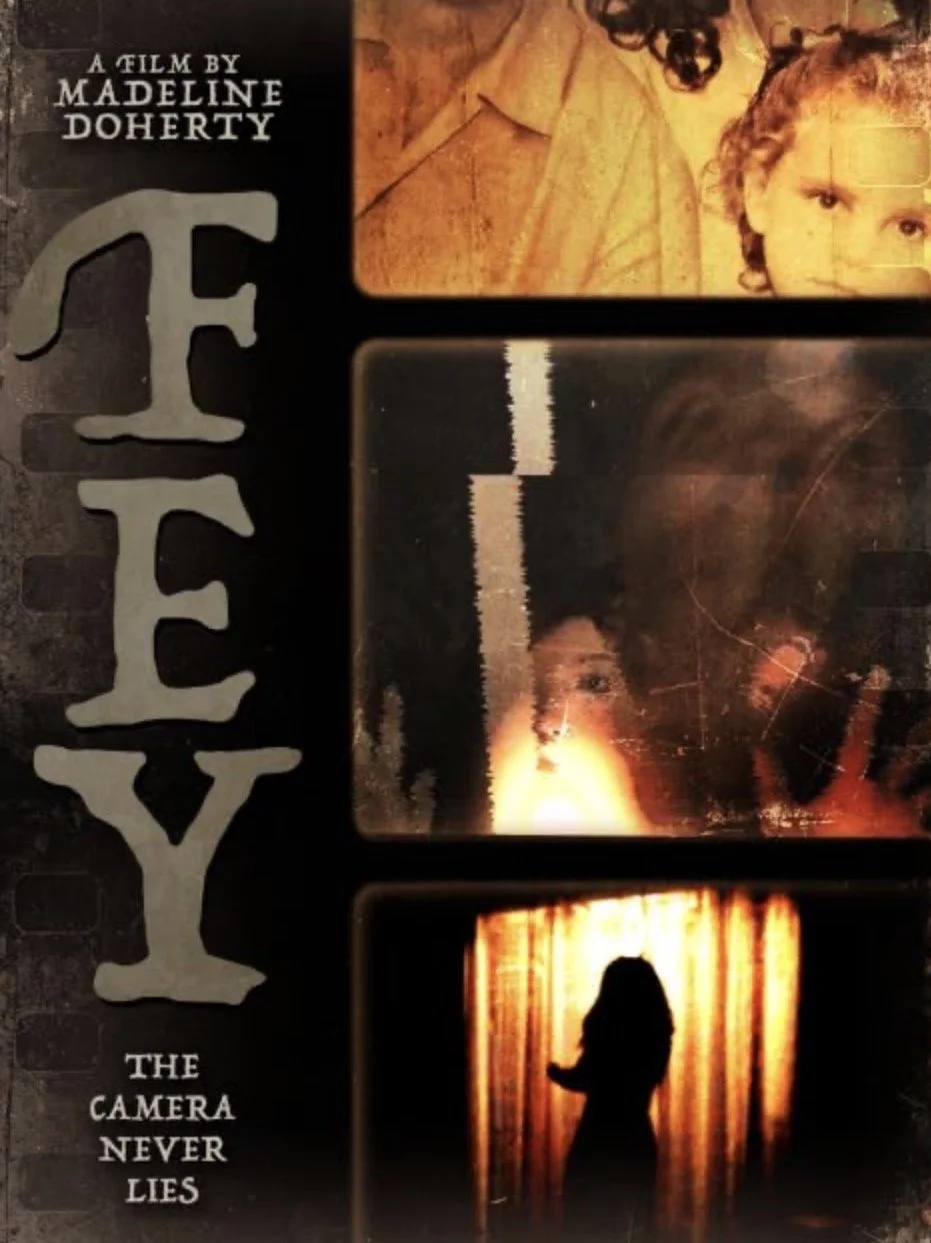
TERROR FILMS RELEASING’S “FEY” (2025) Captures Fear in Perfect Focus
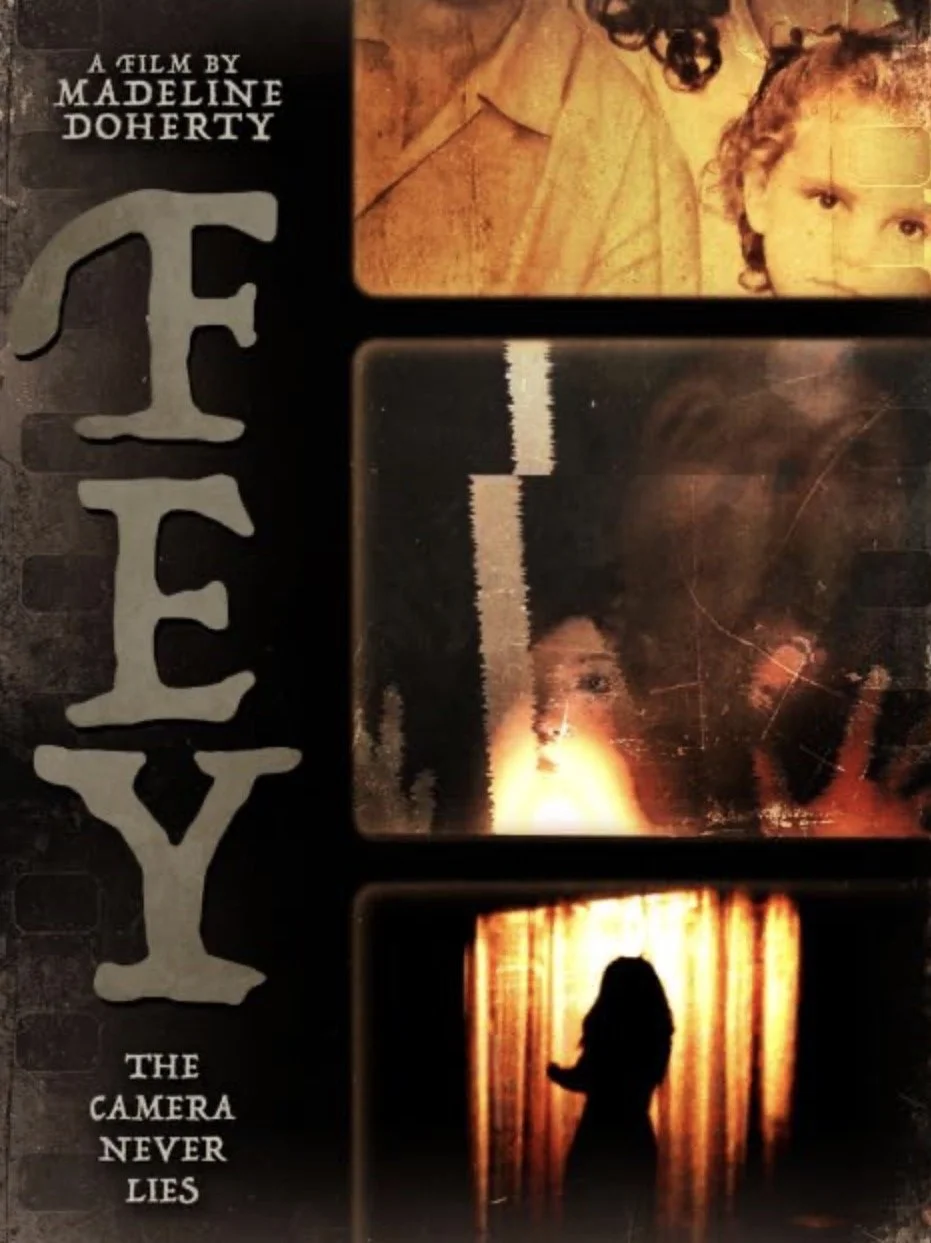
Courtesy of Terror Films Releasing
Terror Films Releasing is taking 2025 by absolute storm. The indie-focused distributor has been stuffing its library with fresh, genuinely exciting horror releases, from eerie original titles to rock-solid sequels like “Hell House LLC: Lineage,” which sent fans buzzing all over again. If the company’s mission is to outdo itself every few weeks, it is succeeding. Their latest addition, the unnerving found-footage thriller “Fey,” continues that hot streak with confidence, precision, and a creeping sense of dread that lingers long after the credits fade.
LIGHTS OFF, CAMERAS ON - LET’S DIVE IN:
“Fey” stars Madeline Doherty (who also wrote and directed the movie), Zoe Bishop, Michael Raleigh, and Sam Howard. The cast (for the small moments they are on screen) brings a grounded authenticity to a story that is already unsettling on its own. The movie centers on Maddy, who has entered the final phase of a trauma study following a deeply scarring incident that still has its hooks in her psyche. As part of the study, Maddy must film her time alone since the event in her childhood home. Her job is to record, reflect, and attempt to reclaim her sense of safety. Unfortunately for her, and very fortunately for us horror fans, that sense of safety evaporates almost immediately as the old feeling of being watched returns. The more she records, the less alone she becomes.
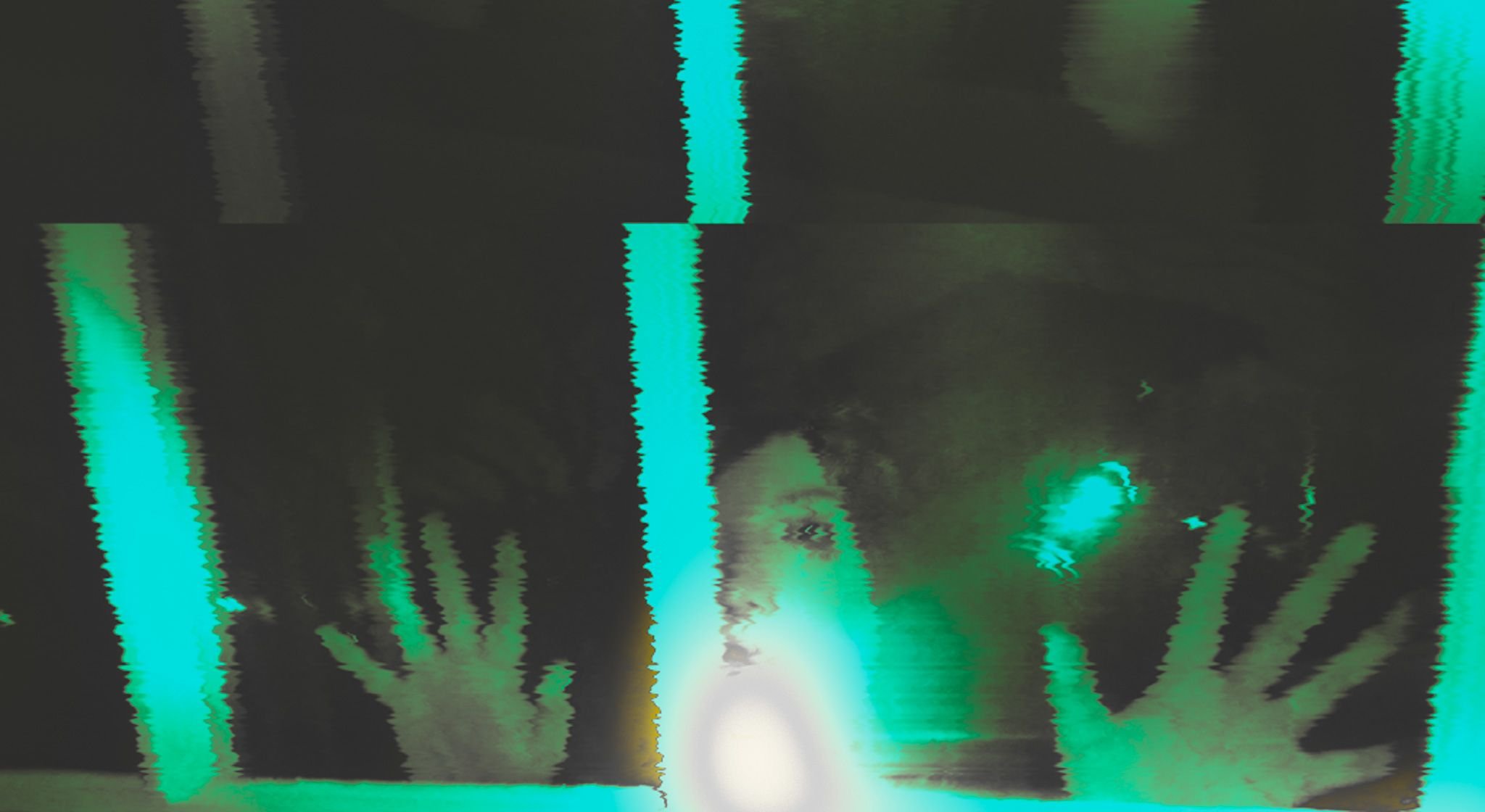
What makes “Fey” shine is how perfectly suited the story is for the found-footage format. Some films use the style as a gimmick. “Fey” uses it as a narrative engine. The choice to ground the entire experience through Maddy’s camera turns every shadow into a threat, every distant sound into a warning, and every frame into an accusation that something is there even when we cannot see it. The tension works because the camera never feels like a prop. It is an extension of Maddy’s unraveling emotional state, a lifeline she desperately holds onto as the walls start to close in again.
Doherty, as Maddy, delivers a performance that sells every crack in her emotional armor. She plays trauma in a way that feels painfully real, not theatrical. When fear hits, it hits like something she has lived with too long. Zoe Bishop, Michael Raleigh, and Sam Howard support the story with grounded, believable performances that keep the world of the film intimate and authentic. In a genre that sometimes sacrifices character work for spectacle, “Fey” builds its terror by relying on strong, lived-in performances. You believe these people, and that makes the horror punch harder.
The writing from Madeline Doherty is remarkable in its restraint. Rather than explaining every detail, the script trusts the audience to fill in the spaces that trauma leaves behind. We get enough pieces to understand Maddy’s fear, but the film wisely avoids spoon-feeding its mythology. That decision pays off because it keeps viewers focused on the emotional reality instead of logistics. The screenplay understands something essential: fear becomes more potent when the unknown is allowed to breathe. Every quiet moment, every lingering shot, and every subtle shift in Maddy’s behavior stacks like bricks toward an outcome we feel but cannot predict.
Courtesy of Terror Films Releasing
Not just is this an amazingly written movie, the directing by Madeline Doherty is equally impressive, balancing documentary-style realism with slow-burn menace that builds scene by scene. The film avoids cheap tricks, quick cuts, or needlessly bombastic scares. Instead, it gives the audience a front-row seat to Maddy’s vulnerability. The tension is not created by loud noises or sudden jolts. It is created by dread—the kind that grows in the pit of your stomach as you start to realize something is truly wrong and getting worse by the minute. Doherty directing understands the power of stillness, of silence, of letting fear creep instead of explode. It is a mature approach that sets “Fey” apart from other entries in the found-footage space.
Props must be given to Terror Films Releasing for putting this movie under their banner. It is a smart, thoughtful piece of horror that aligns perfectly with the company’s current streak of quality releases. They have always been a haven for filmmakers working on the fringes of the genre, but this year seems particularly strong. “Fey” fits seamlessly into their lineup of ambitious, character-driven titles that aim to do more than simply scare. It reflects their talent for spotting films that offer something different, something sharpened by vision rather than budget.
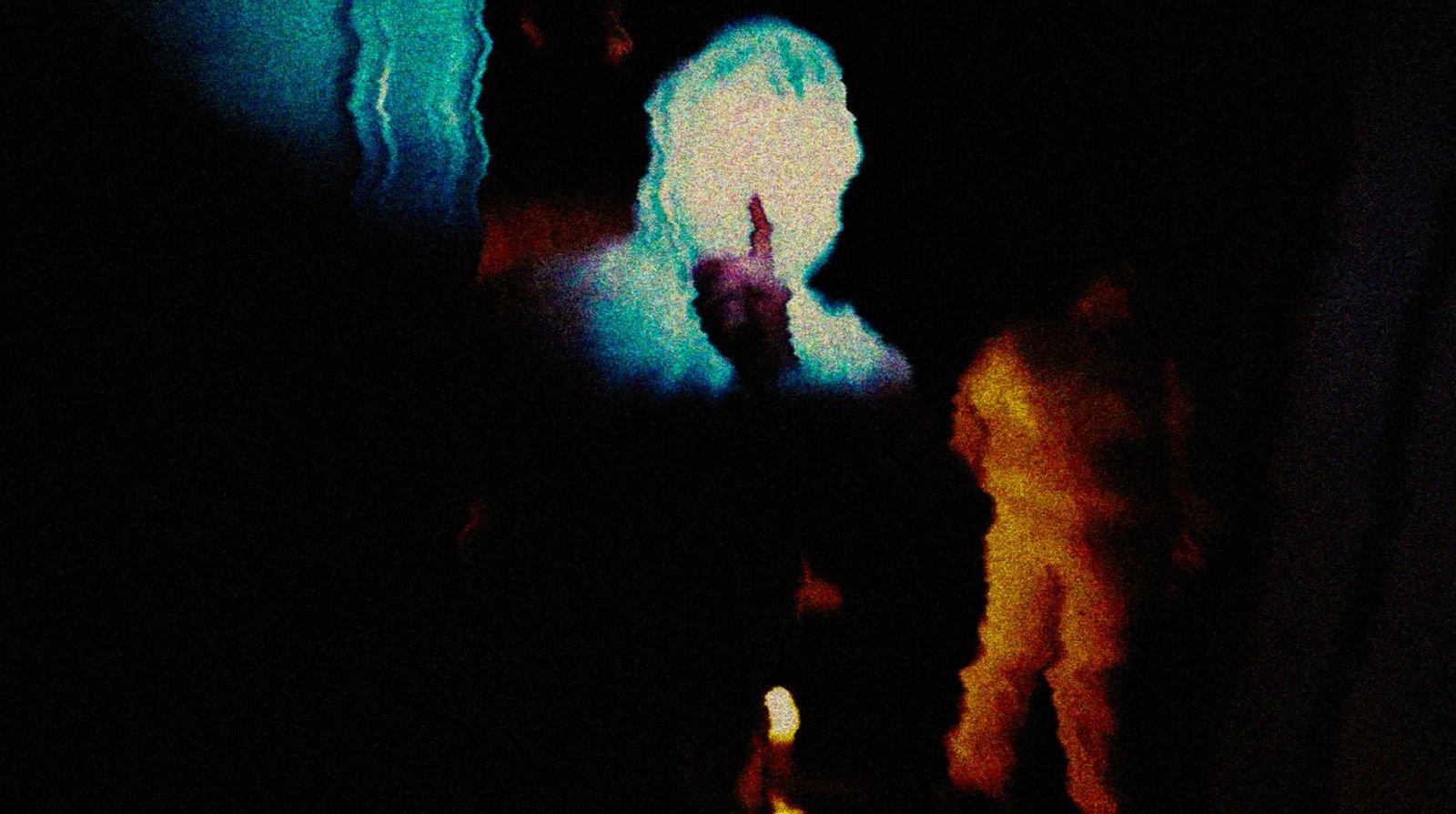
What truly elevates “Fey” is the way it keeps you perched on the edge of your seat, constantly guessing what might happen next. Not many horror films pull off that slow tightening of suspense without showing their cards too early, but this one nails it. Each recorded night brings a shift in Maddy’s environment that is subtle enough to question yet disturbing enough to dread. The progression never feels forced. It feels natural, like creeping paralysis that starts at her feet and slowly climbs its way to her throat. By the time the final moments arrive, you realize you have been clenching your jaw, leaning forward, and gripping the armrest like the experience is happening to you.
Courtesy of Terror Films Releasing
The film’s commitment to authenticity never wavers. The lighting, the framing, the pacing—everything feels like it was captured by someone simply trying to get through the night. That is the magic of well-executed found footage. It traps you in the character’s perspective until you forget that there is a director, a writer, and a crew behind the lens. You are just there, breathing with Maddy, listening for anything that might move in the dark.
“Fey” never overplays its hand. It does not try to reinvent the wheel, nor does it need to. Instead, it presents a compelling and thrilling story through a lens that amplifies every moment, crafting a narrative that is simple in premise yet nerve-shredding in execution. The film proves that found footage, when done well, is not a gimmick but one of the most emotionally effective tools in the horror toolbox. It is a reminder that what we imagine is often far more terrifying than what we see.
By the time the credits roll, “Fey” has done its job and then some. It leaves a mark. It scratches around in your mind long after you stop watching, making you wonder what you would find if you left a camera running while you slept. It is the kind of horror film that sticks with you not because of what it shows, but because of what it suggests.
Courtesy of Terror Films Releasing
“Fey” is a must-see for found-footage fans and anyone who loves horror driven by tension, emotion, and razor-sharp storytelling. Terror Films Releasing added another winner to its 2025 slate with this one, proving again that the company knows how to pick films that leave an impact. You can watch “Fey” right now on the Found TV app, and trust me, you are going to want to experience this one with the lights off.
Whether it’s slashers in the woods, ghosts in the attic, or killers in the cornfield, ILHM Reviews brings you the frightful horror flick recommendations worth watching. Follow us on Instagram, be sure to listen to the the "I Love Horror" podcast and remember that if you’re a true fan of horror, every night can be a FRIGHT NIGHT!
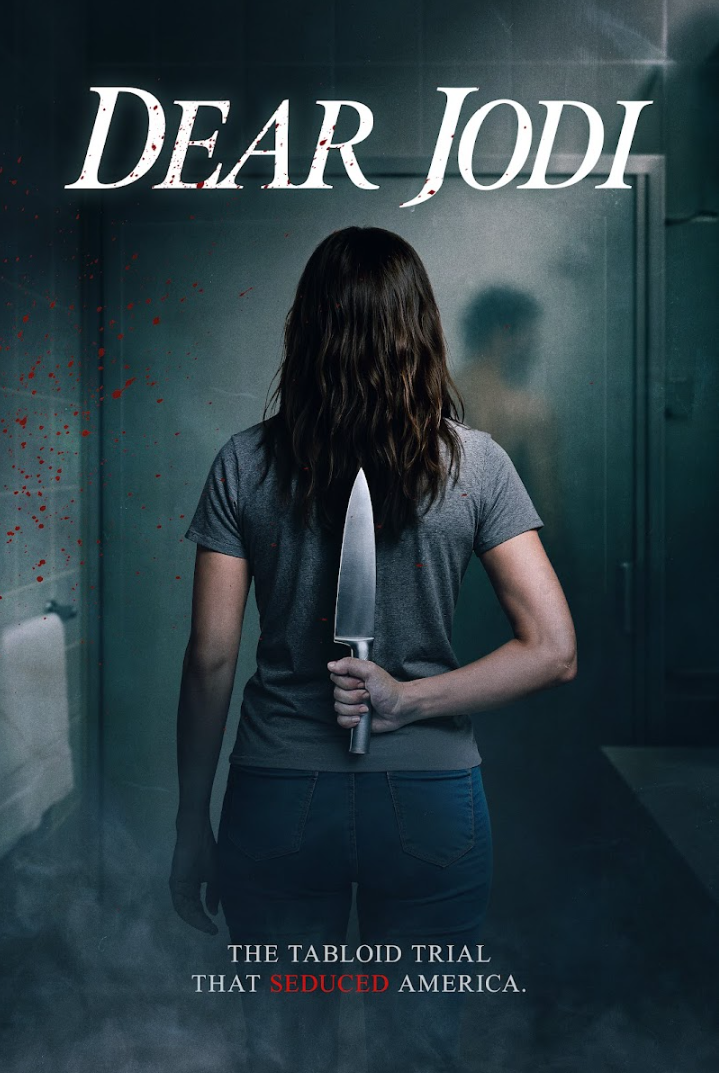
BREAKING GLASS PICTURES Announces New True-Crime Documentary “DEAR JODI”
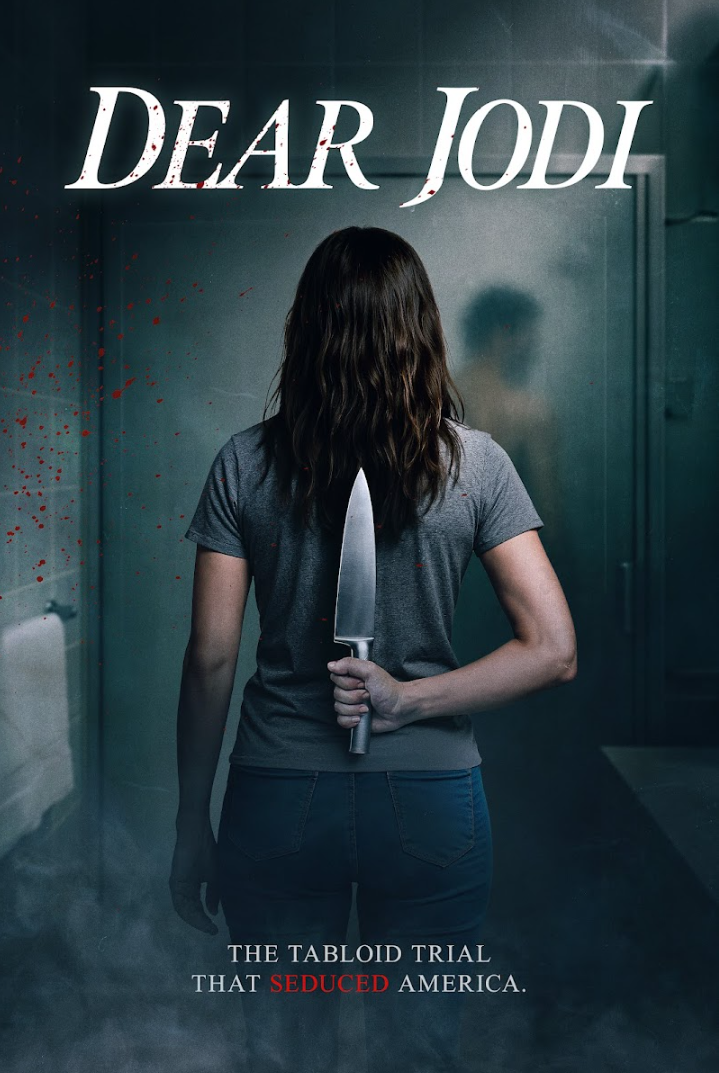
Courtesy of Breaking Glass Pictures
True crime continues to fascinate audiences, even those who are the most seasoned or new to the venture of the dark history of everyday life. The horrific tales of true crime blurs the line between the unthinkable and the undeniable. They often remind us that the darkest monsters aren’t supernatural creations that we sometimes look up to in awe on the silver screen from the night out to the movies, but they’re ordinary people pushed (or pulling themselves) into extraordinary acts of violence. The raw authenticity of true crime taps into a primal curiosity that makes us ask ourselves “Why do people commit horrific acts?” or “How do victims that survived go on with their lives?” It makes make you wonder what patterns hide beneath the surface of everyday life that would make someone take that corner into insanity. Modern horror films have absorbed this cultural obsession, shifting away from purely fantastical terrors and moving toward grounded, human-driven nightmares inspired by real cases, criminal psychology, and societal fears. This influence has reshaped the genre’s tone and texture, encouraging filmmakers to lean into documentary-style techniques, procedural structures, and morally ambiguous storytelling. The result is a wave of horror that feels more intimate and unsettling as it carries the uneasy weight of possibility, simply proving that, sometimes, the scariest stories are the ones rooted in the reality in which we comfortably live.
Recently I got word that Breaking Glass Pictures has announced a new true-crime documentary “Dear Jodi”, a reexamination of the Jodi Arias case. Here is a bit more info on that from Breaking Glass Pictures and their recent press release:
“Breaking Glass Pictures is proud to announce the upcoming digital release of “Dear Jodi”, a gripping new true-crime documentary that revisits one of the most scrutinized and controversial murder trials in American history: the case of Jodi Arias and the death of Travis Alexander.
After years of sensational headlines, viral speculation, and courtroom theatrics, “Dear Jodi” steps back from the noise to focus on overlooked evidence, untold perspectives, and new reflections from individuals close to the case. Directed by Clive Christopher, the film collaborates with The Within Range Podcast, who bring forward a guest connected to key figures involved in the investigation and trial.
With unprecedented access and unfiltered interviews, the documentary reopens the central questions that continue to fascinate and divide true-crime audiences worldwide:
What really happened that night?
And why did the trial unfold the way it did?
Featuring appearances from: Clive Christopher, Jared Suter, Dominic Vaquez, Darren Burch, Joe Arpaio, Noah Gruber, Vanesha Guidry, and Andrew Leal.”
Stay tuned to I Love Horror Movie reviews for the in-depth review of this new true-crime documentary “Dear Jodi”, coming soon.
Whether it’s slashers in the woods, ghosts in the attic, or killers in the cornfield, ILHM Reviews brings you the frightful horror flick recommendations worth watching. Follow us on Instagram, be sure to listen to the the "I Love Horror" podcast and remember that if you’re a true fan of horror, every night can be a FRIGHT NIGHT!
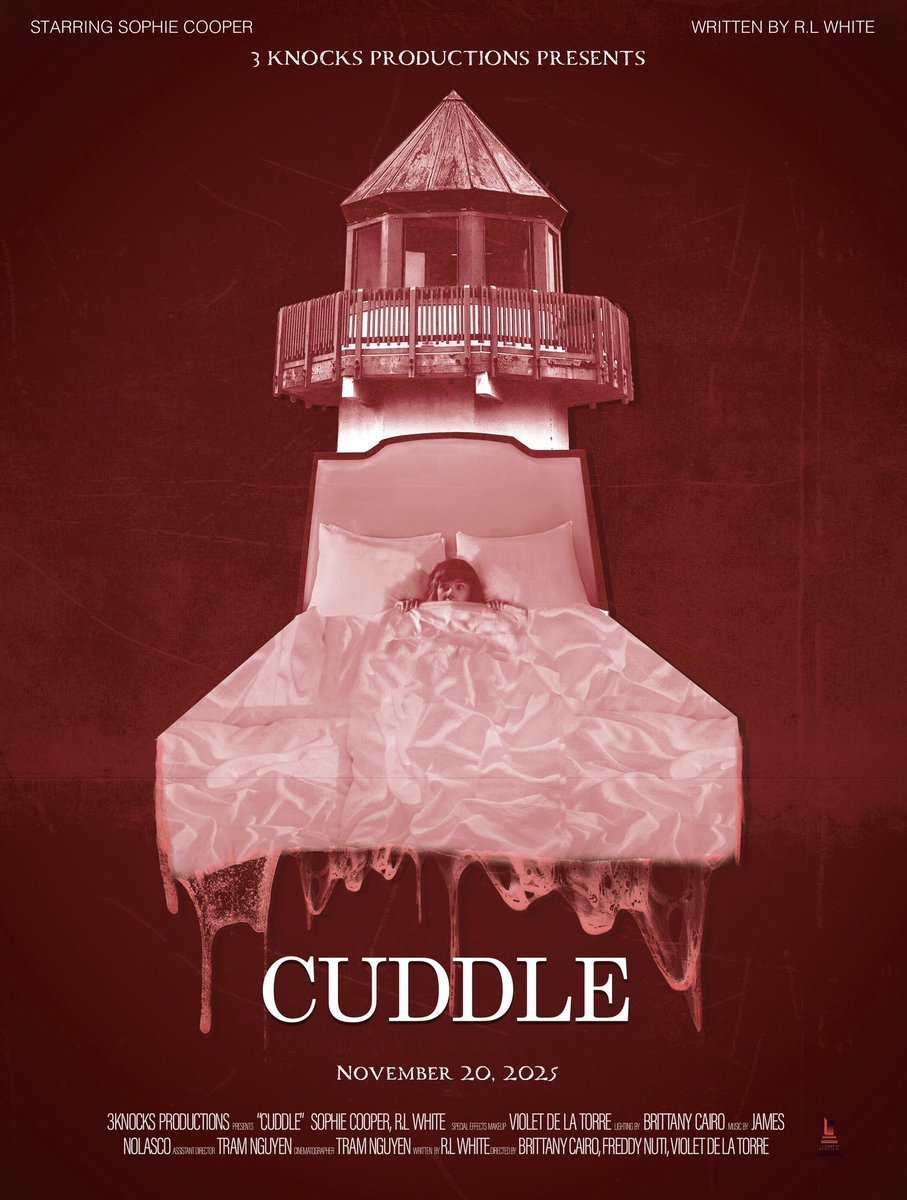
“CUDDLE” (2025): A Short Film With Big Scares
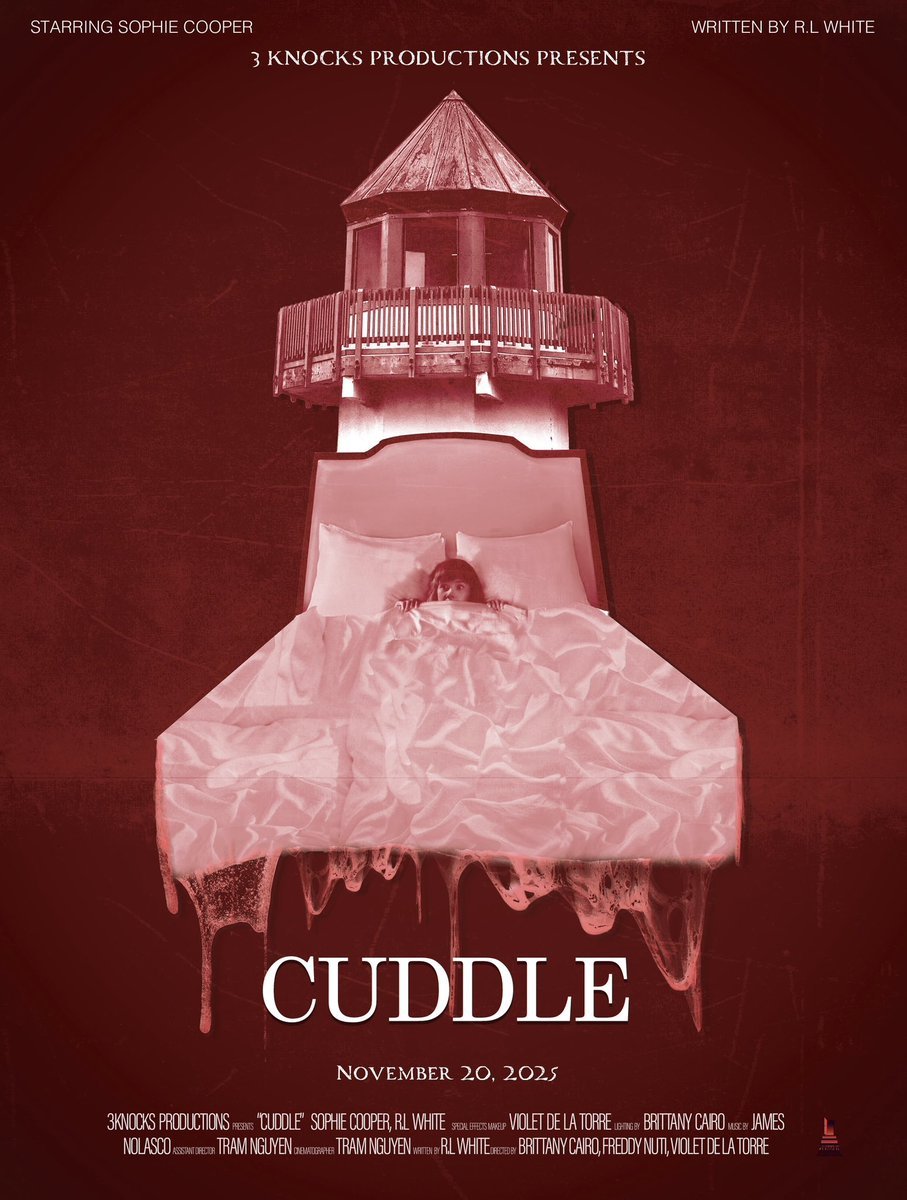
Courtesy of Frederick Nuti
If there’s one thing horror has taught me, it’s that the moment you try to relax is exactly when something decides to ruin your night. “Cuddle” takes that universal truth and crafts a tight, clever, and wildly entertaining short that transforms a body pillow into the most demanding sleep companion since Freddy Krueger stalked Elm Street. I didn’t expect to fear plush bedding, but here we are.
What immediately grabbed my attention was the cinematography. The directing trio of Violet de la Torre, Brittany Cairo, and Frederick Nuti clearly came to play. The camera glides with confidence, panning back and forth between the quiet room and the encroaching forest, creating a steady pulse of suspense. That visual rhythm sets the tone early, making me feel like something is always watching from just outside the frame. It’s smooth, sharp, and intentional, exactly what a horror short needs when it only has minutes to make an impact.
Then there’s the moment the body pillow disappears from the couch and reappears on the bed with a threatening little note that simply reads, “CUDDLE ME NOW.” I laughed, then immediately questioned why I laughed, because that is the exact kind of command I would not take lightly in the middle of the night. The film knows how absurd its premise sounds, and instead of running from it, it leans in with style. The humor enhances the tension, rather than breaking it, and that balance is what makes the whole thing so enjoyable.
The short digs into a fear most of us have felt at one point or another: sleeping in an unfamiliar place while traveling. I’ve experienced that creeping paranoia myself. The way the walls feel too thin, the quiet feels too loud, and every item in the room seems capable of subtle judgment. “Cuddle” takes that already unnerving setup and pushes it into fun, sinister territory. I could practically feel that out-of-town discomfort creeping in as the story played out, and the film uses it to great advantage.
When the pillow finally decides it’s done being ignored, the tone shifts in the best possible way. Thanks to the red lighting, the room transforms into a nightmare space that feels ripped straight from a Krueger fever dream. The shadows stretch longer, the colors intensify, and everything grows more hostile. It’s a smart stylistic choice by the directors, giving the pillow’s “revenge arc” a surreal, hellish flare. It’s playful, unnerving, and genuinely impressive considering the short’s format and runtime.
The performances seal the deal. Sophie Cooper brings grounded, relatable energy to the chaos, and R.L. White balances vulnerability with the kind of comedic timing that horror shorts thrive on. The two play off the absurdity of the situation without ever slipping into parody, and that restraint keeps the tension intact even when the story gets wild. Their chemistry makes the final moments land with even more impact.
By the time the short film ends, I found myself wanting more, not because anything was missing, but because the story clearly has room to expand. The final beat leaves a tantalizing question hanging in the air: who’s the next unlucky traveler this pillow plans to “bond” with? I’m absolutely here for a sequel, a series, or a full-length escalation of cuddle-driven terror. It is is clever, stylish, well-acted, and crafted with real love for the genre. I highly recommend checking it out. Just maybe keep an eye on your bedding tonight. You can watch “Cuddle” now on YouTube and Screamify.
Whether it’s slashers in the woods, ghosts in the attic, or killers in the cornfield, ILHM Reviews brings you the frightful horror flick recommendations worth watching. Follow us on Instagram, be sure to listen to the the "I Love Horror" podcast and remember that if you’re a true fan of horror, every night can be a FRIGHT NIGHT!
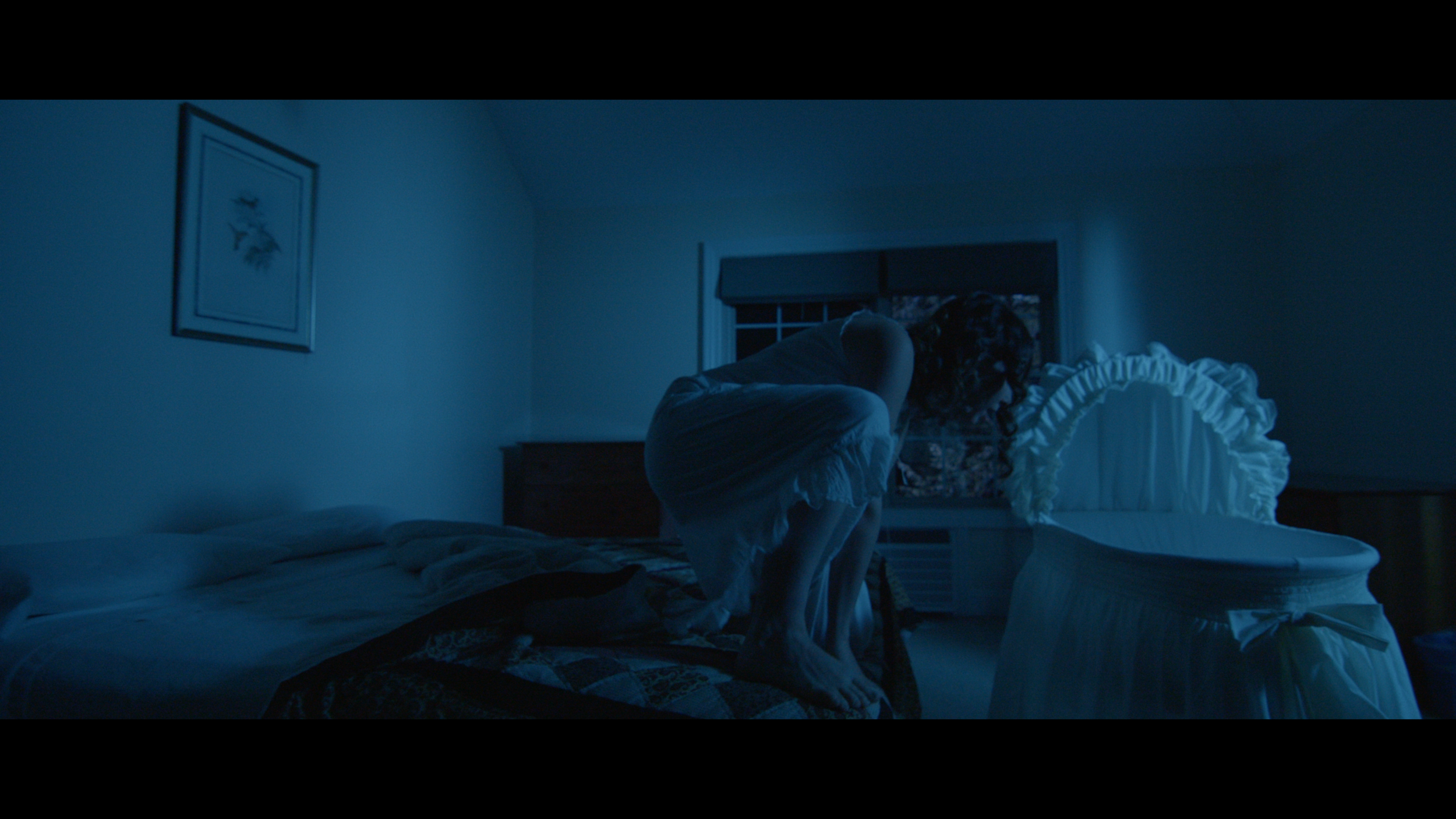
Suspense Builds Quietly in “SOMETHING OF A MONSTER” (2025)
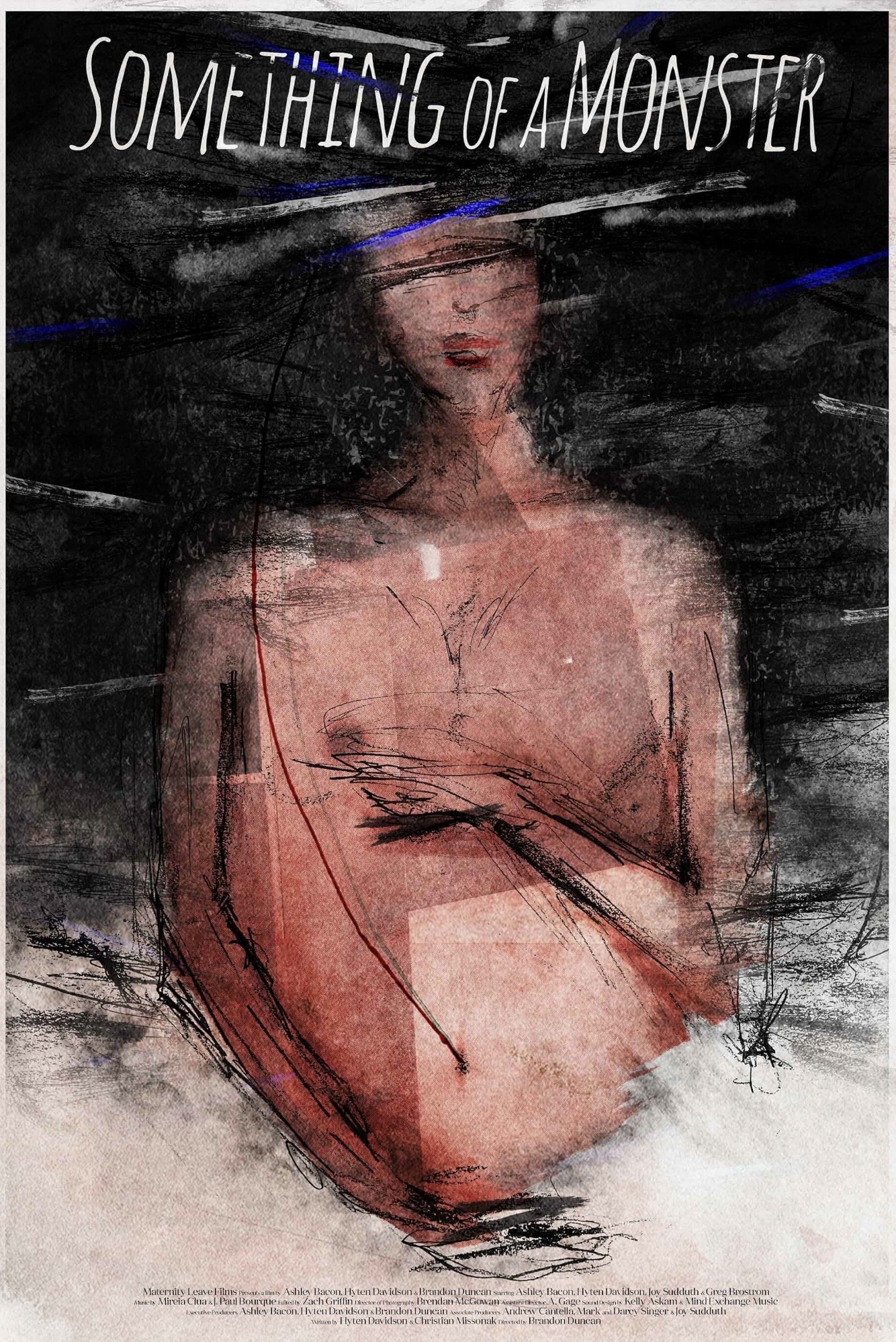
Courtesy of Persimmon
Pregnancy horror at times can be a hit-or-miss corner of the horror genre. It’s a niche that either connects deeply with audiences who appreciate its emotional weight or leaves viewers frustrated when the metaphor that might overwhelm the movie. I recently had a chance to watch “Something of Monster”. The movie was directed by Brandon Duncan and written by Hyten Davidson and Christian Missonak. It’s a solid thriller with atmosphere to spare, even if it leans on a handful of tropes that can stretch your patience long before the payoff hits.
HOW DOES THE MOVIE STACK UP?:
Set in 1984, the movie follows a woman experiencing a phantom pregnancy, sent away to a remote Catskills inn as if isolation will somehow restore her sanity. From the moment she arrives, it’s clear that solitude is the last thing she’s going to get. Duncan wastes no time hinting that something is off, that something is watching, and that something isn’t planning to keep its distance. The setup is simple, but sometimes simplicity is all you need to let the dread settle in.
Star Ashley Bacon anchors the movie with a performance that balances desperation, exhaustion, and a stubborn sliver of hope. Joy Avigail Sudduth and Ameerah Briggs round out the cast with grounded, layered performances that make the inn feel lived in instead of like a set dressed for a scare. Yet the character work, while strong, is constantly undermined by the movies’s most irritating trope: nobody believes the main character Amelia.
This trope isn’t just present, it’s practically weaponized. Even when the movie lays out clear, undeniable evidence that something supernatural or sinister is unfolding, the people around her don’t simply shrug it off; they aggressively blame her. There are scenes where the victim-blaming is so sharp and so persistent that it becomes genuinely uncomfortable to watch. Instead of creating tension, it pushes the story into repetitive territory. I’ve seen plenty of horror movies use this device that works like “Rosemary’s Baby” to “The Unborn” but rarely has it felt this stubborn. The refusal to acknowledge the obvious borders on narrative laziness, and it’s the one element that repeatedly pulls the story down.
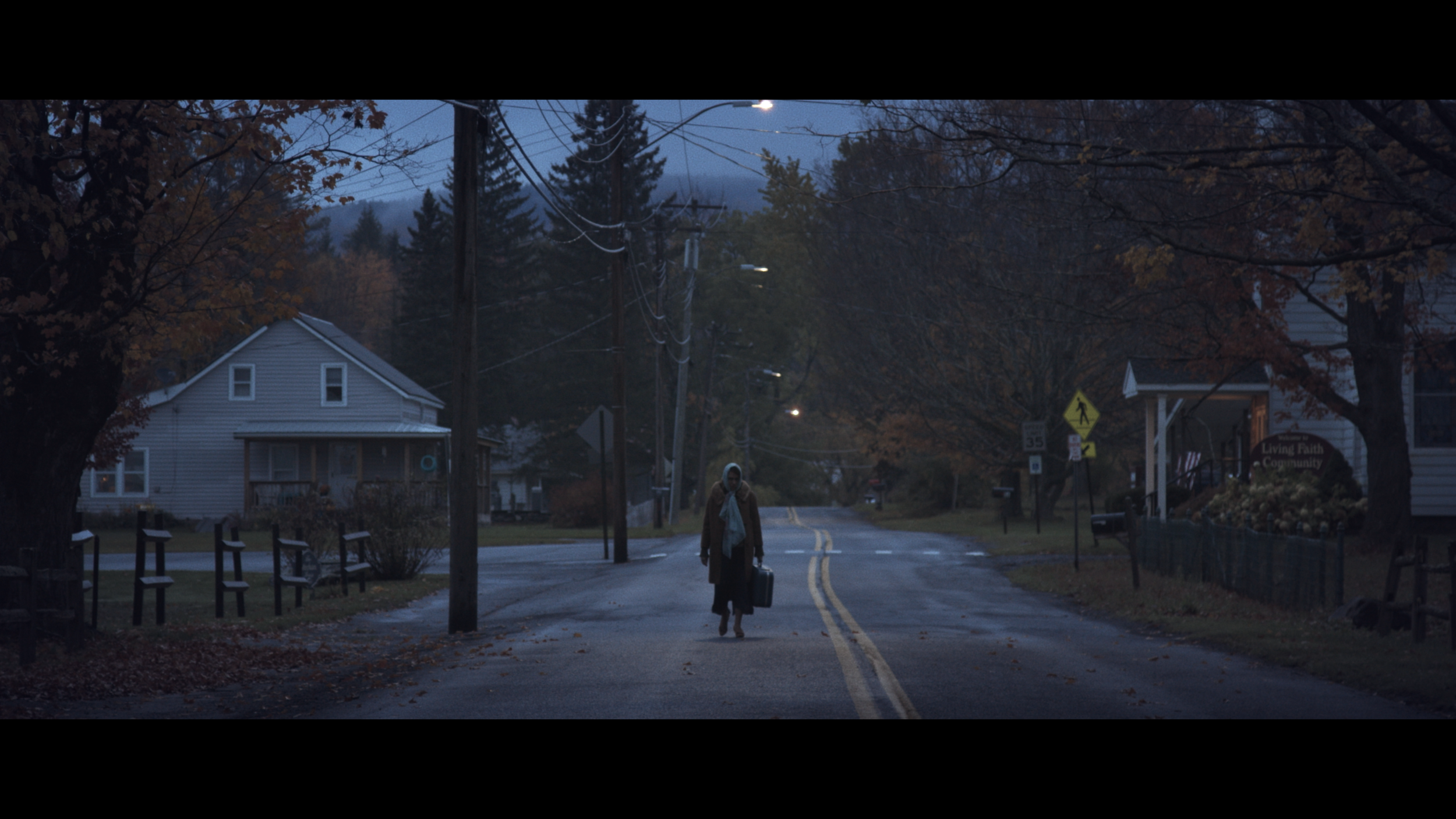
Courtesy of PersimmonCourtesy of Persimmon
Ashley Bacon deserves extra attention for her performance within this setup. She carries the emotional weight of the movie, and for the most part, she does it well. There are moments early on where her acting leans a little over the top, particularly in scenes where panic takes over but she eventually finds her footing. Once she settles into the rhythm of the story, her performance becomes grounded, compelling, and fully in sync with the film’s emotional core. Her ability to rebound and deliver a strong second half keeps you invested even when the script’s choices make you want to yell at the screen.
Still, for all its frustrating decisions, the movie eventually rewards your patience. The movies’s slow-burn pacing (at times can be a bit too slow) gives way to a final 20 minutes that completely change the temperature of the experience. When the movie kicks into full gear, it’s genuinely gripping. The tension sharpens, the pieces fall into place, and suddenly the emotional through-line of the movie lands with clarity and force. Those last moments are where the story’s deeper themes finally shine: the painful weight of pregnancy trauma, the psychological aftermath of loss, and how society often responds to women’s suffering with dismissal instead of compassion. It’s a pointed message, delivered with enough sincerity that it lingers long after the credits roll.

Courtesy of Persimmon
Cinematographer Brendan McGowan deserves an entire paragraph to himself. His work elevates the movie far beyond what the script sometimes allows. The framing is deliberate and unnerving, often revealing just enough in the background to raise your pulse without resorting to obvious scare tactics. He uses the woods, the hallways, and the cluttered corners of the inn to build a sense of presence, as if something always is lingering just out of reach. The inn itself becomes a character thanks to his lens. You can almost smell the old wood and feel the cold draft under the door. Nothing is over-lit or over-calculated; McGowan understands that the best horror hides in the architecture and the shadows. It’s a beautifully shot movie, and his work alone makes it worth at least one viewing.
What truly gives the movie emotional weight is its commentary on pregnancy and loss. Without spoiling anything, “Something of Monster” captures the internal collapse that can follow phantom pregnancies, miscarriages, or the loss of a child. It demonstrates how grief can warp someone’s reality, not because they’re fragile, but because the trauma is profound. Through its thriller framework, the movie highlights how society tends to stereotype women in these situations rather than support them. It’s uncomfortable, but intentionally so. That thematic honesty makes the movie stand out, even when its storytelling choices falter.
The supernatural element (or possibly psychological element, depending on how you read it), serves as both metaphor and menace. The mysterious woman in the woods is one of the most effective parts of the narrative. Duncan smartly keeps her at the edges, using presence over proximity to create dread. She embodies both literal and symbolic threat: the fear of someone taking what isn’t theirs, the fear of losing what you believed you had, and the fear of being replaced. That layering adds dimension to a story that otherwise risks slipping into familiar territory.
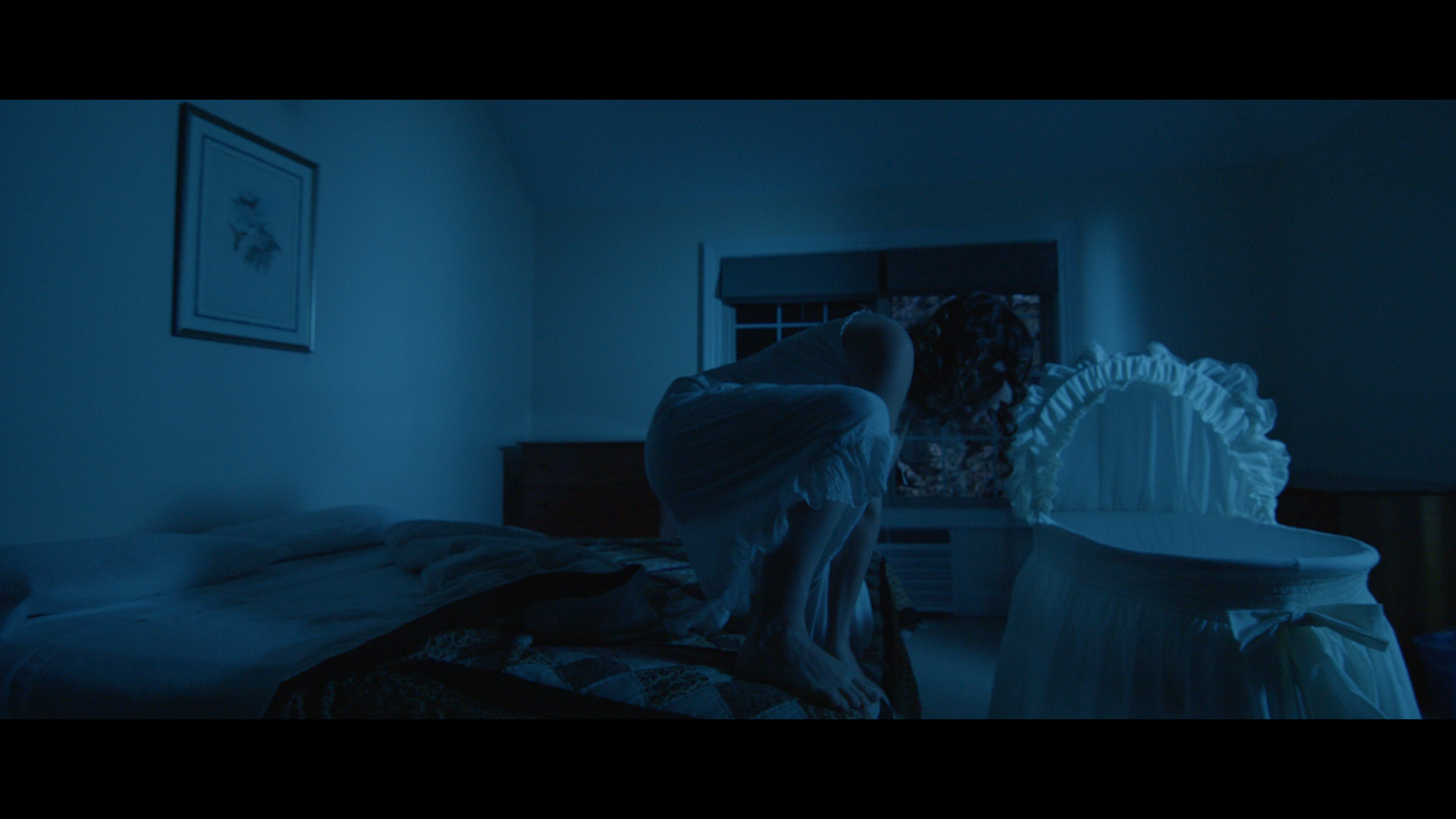
Courtesy of Persimmon
While the movie has its problems, I still found myself invested. The tone, the imagery, and the tension work more often than they don’t, even if the script struggles with repetitive beats and frustrating character logic. The inn setting, the cold 1984 atmosphere, and the creeping presence in the trees all work together to build a world that feels isolated and suffocating. The filmmakers know how to shape mood, which is half the battle in horror.
By the time the credits roll, “Something of Monster” lands as a one-time watch, but a watch you’ll enjoy. It doesn’t reinvent pregnancy horror, but it respects its themes, delivers a strong lead performance, and ends with a pulse-pounding third act that’s absolutely worth waiting for. If you can push past the aggravating stretches of disbelief and the heavy-handed victim-blaming, you’ll find a thriller with a clear voice and an emotional core that resonates. The think to get in mind with this movie is this, sometimes a movie doesn’t need to be perfect to get under your skin—it just needs to be honest enough to haunt you. “Something of Monster” from Persimmon is available today, December 4th on VOD.
Whether it’s slashers in the woods, ghosts in the attic, or killers in the cornfield, ILHM Reviews brings you the frightful horror flick recommendations worth watching. Follow us on Instagram, be sure to listen to the the "I Love Horror" podcast and remember that if you’re a true fan of horror, every night can be a FRIGHT NIGHT!

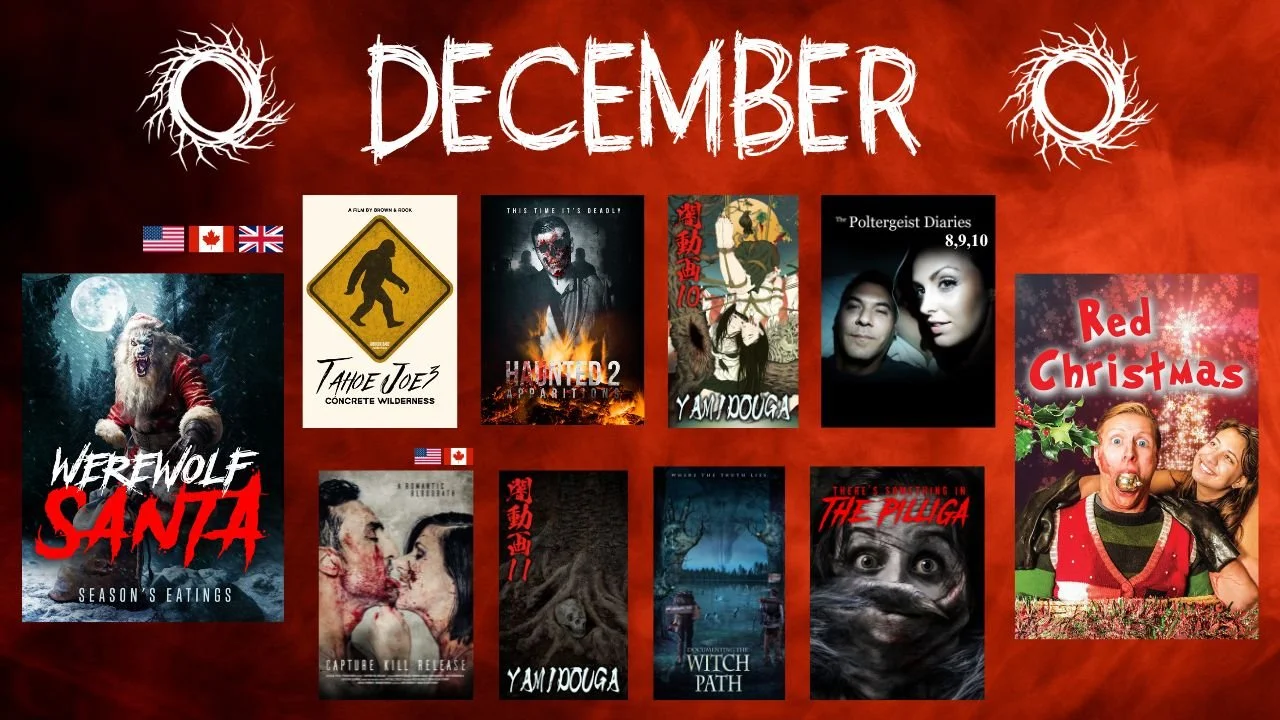
Get Ready For Dismembered December on FOUND TV
Courtesy of Found TV
December is the month when winter steps even more into the spotlight. The holidays are looming, the air sharpens with a cold sting, and a fresh coat of snow turns the world into an ideal stage for on-screen terror. After all, few things are more delightfully unsettling than blood splattering across a frozen landscape, or a severed head rolling down the same hill you once sledded down as a kid.
Welcome to “Dismembered December” (yes, every month gets a name), the time when horror fans seek body chills that rival the ones waiting outside. Fortunately, Found TV has returned with another curated list of new and chilling found-footage horror releases guaranteed to keep the season sufficiently chilling.
MARK YOUR CALENDARS FOR THESE RELEASES:
Courtesy of Found TV
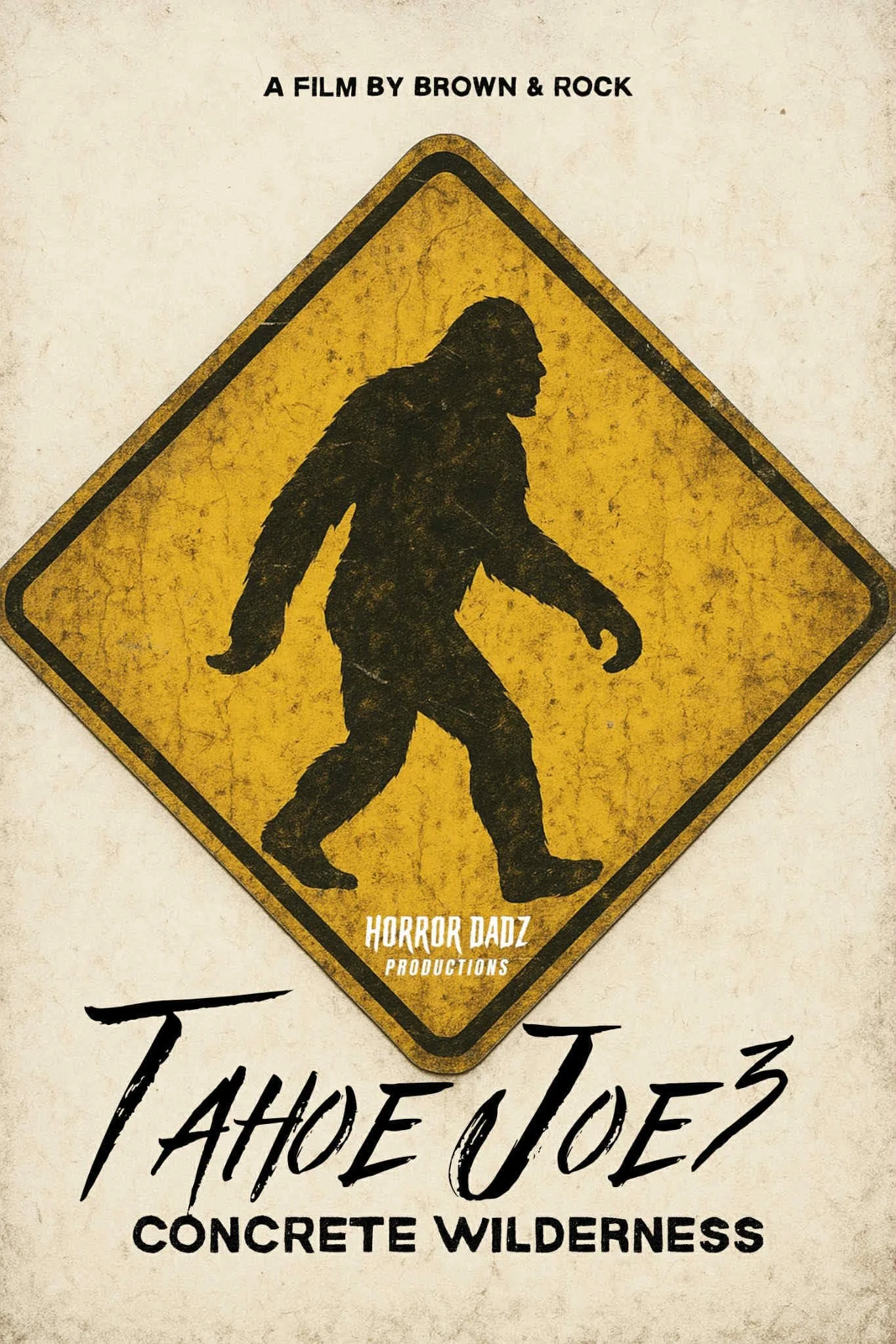
DECEMBER 1: NOW STREAMING “Tahoe Joe 3: Concrete Wilderness” (2025) - After the events of Tahoe Joe 2, filmmakers Michael Rock and Dillon Brown race against the clock to outrun a corrupt organization trying to capture the legendary Sasquatch creature called "Tahoe Joe."
Courtesy of Found TV
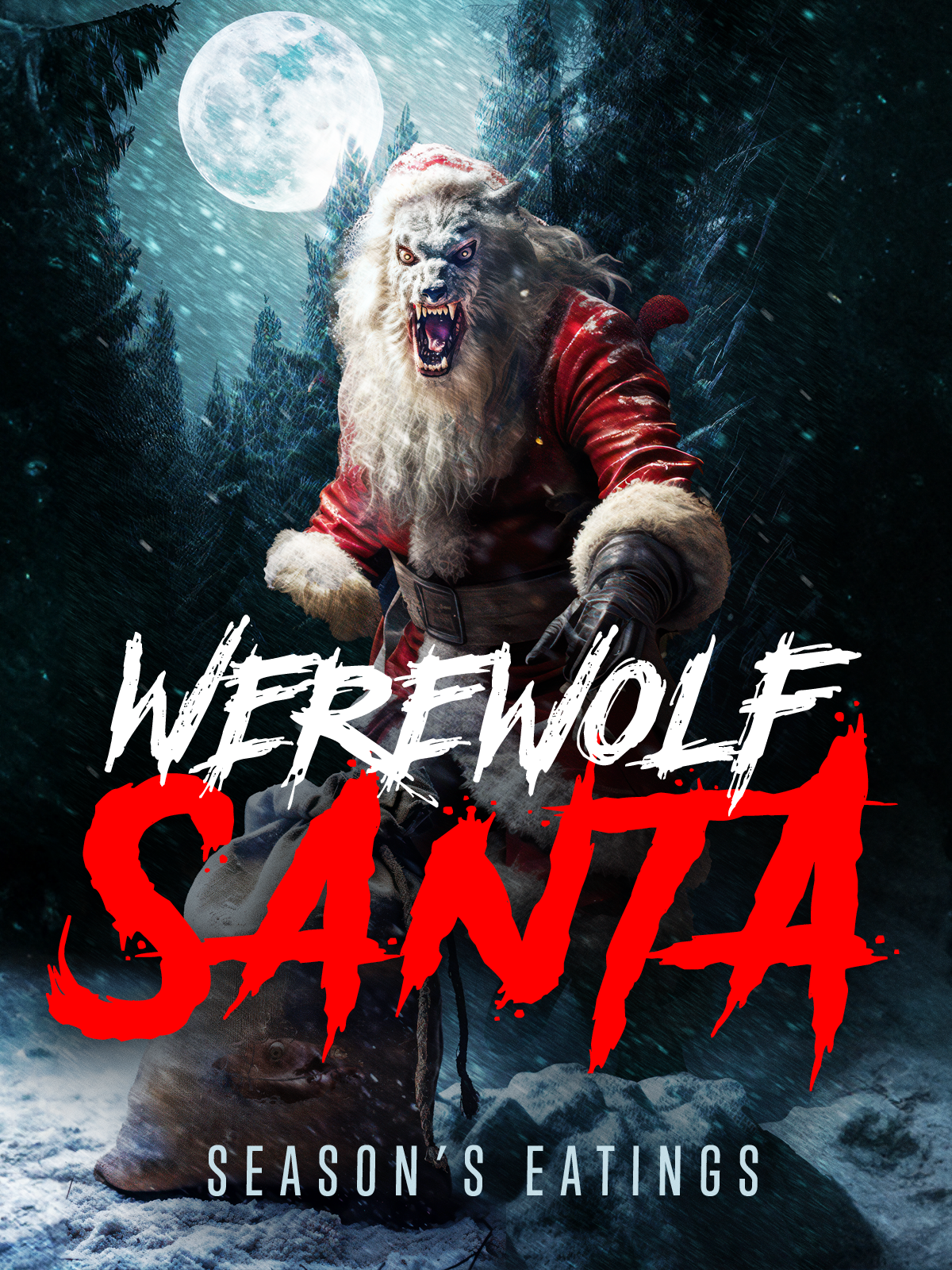
DECEMBER 3: “Werewolf Santa” (2023) - On Christmas Eve when Santa delivered presents, he was bitten by werewolf becoming monster himself. North America and UK only.

Courtesy of Found TV
DECEMBER 5: “Red Christmas” (2014) - I'm Tara, I like killing people! I've been doing it a long time now and realized there might be some folks that want to see what it's like. So, I made this movie to show you all of the steps of how to brutally murder a person while never forgetting what the holidays are all about! This year, I'm dreaming of a Red

Courtesy of Found TV
DECEMBER 9: “Yami Douga 10” (2014) - After Kazuto Kodama's popular horror series "The Real Deal. Cursed Videos" (Honto ni Atta. Noroi no Video) unleashed a new generation in horror, we bring you volume 10 in the ultimate horror video collection.
Courtesy of Found TV
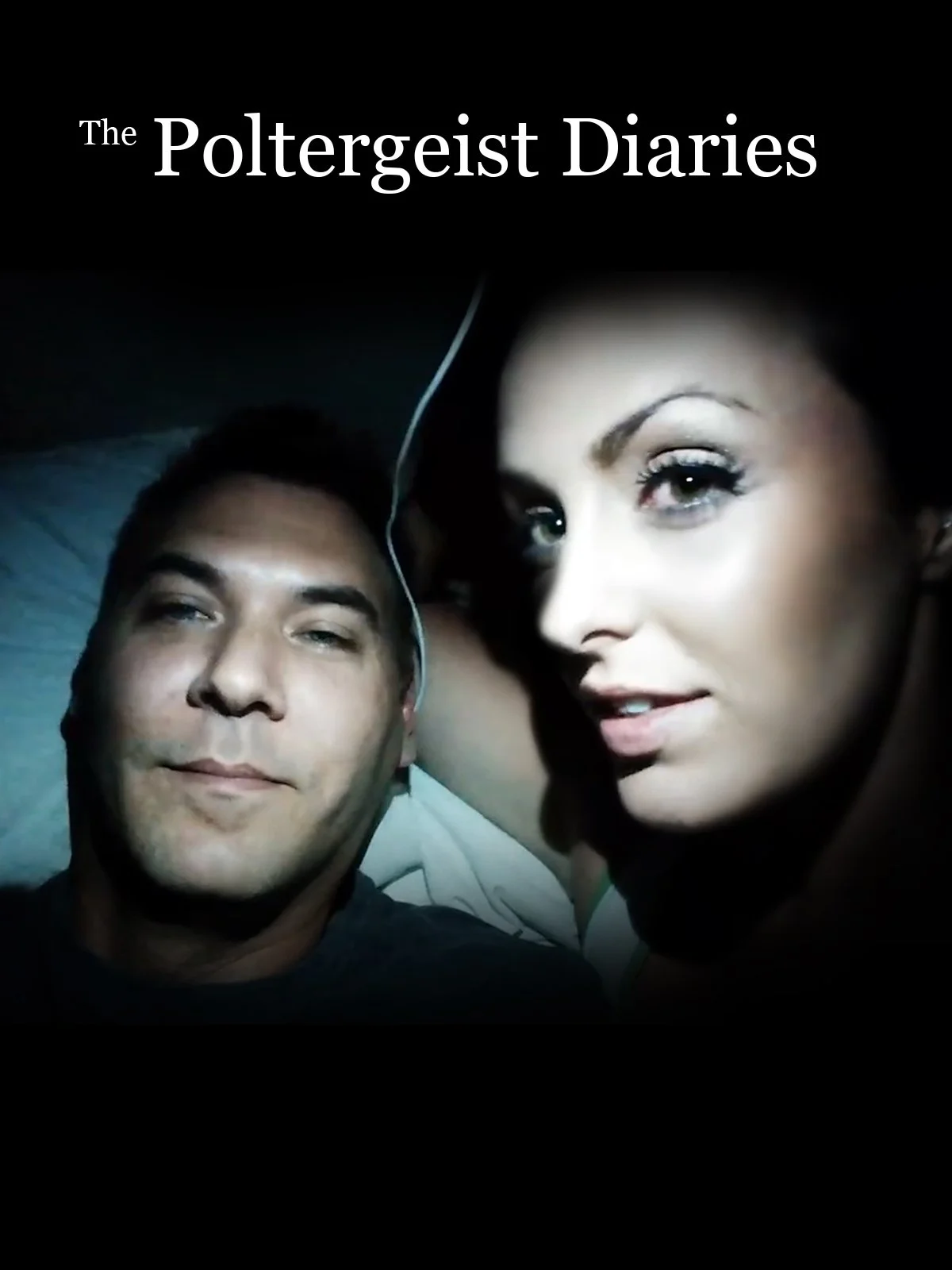
DECEMBER 12: “Poltergeist Diaries” (2018) - Episode 8: Paranormal investigators Gabe and Loretta unravel a dark connection to Mason and Holly's haunting. Episode 9: Mason attempts to remove The Poltergeist and evil entities from his home. Episode 10: After weeks of fail attempts to rid his home of a diabolical Poltergeist Mason finally decides to burn the Ouija Board.
Courtesy of Found TV
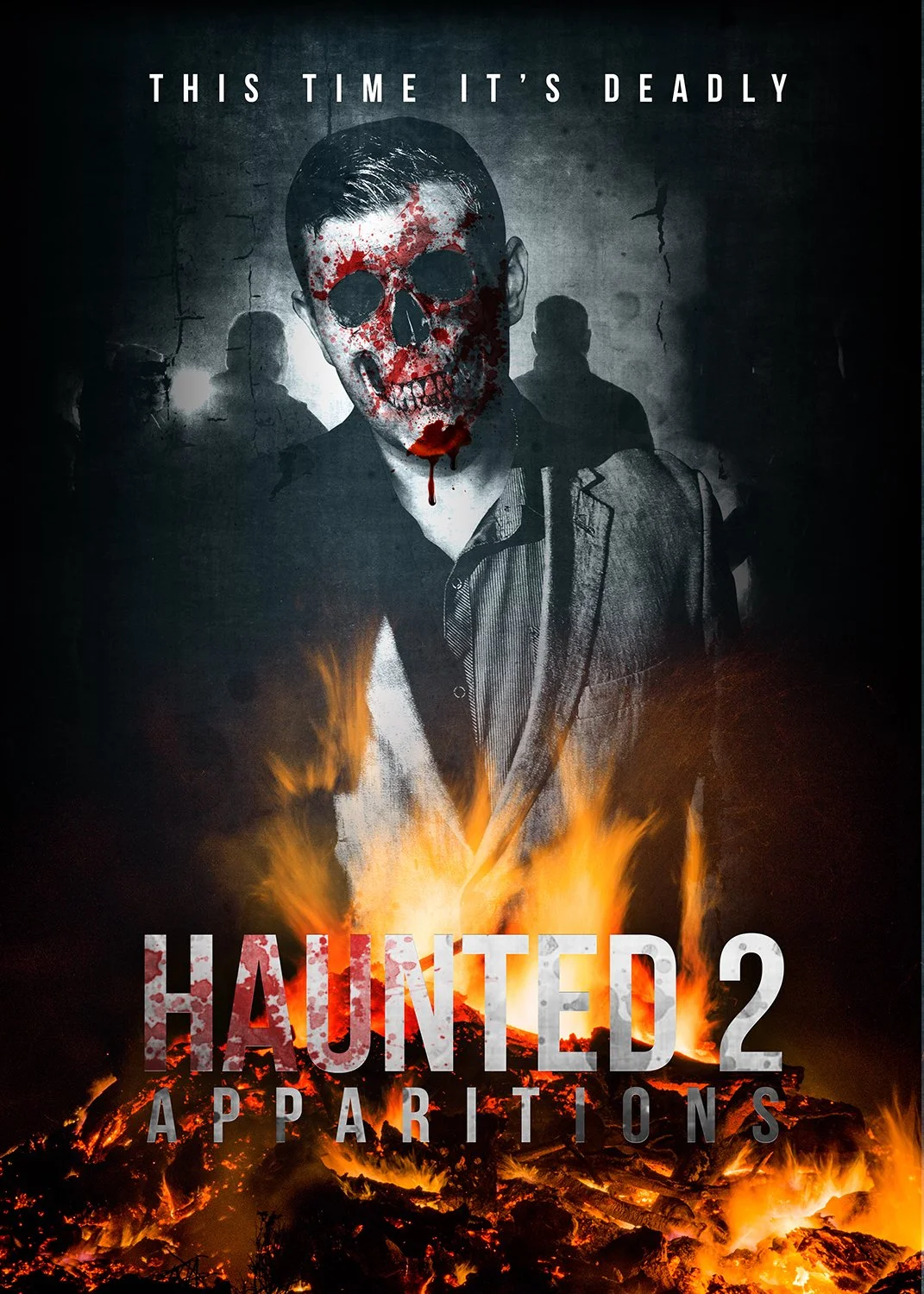
DECEMBER 17: “Haunted 2: Apparitions” (2018) - A private investigator looks into the Halloween horror nights phenomenon. On a rural farm in deepest, darkest England he encounters a series of bizarre paranormal events that lead to a mystery being solved with frightening consequences.
Courtesy of Found TV
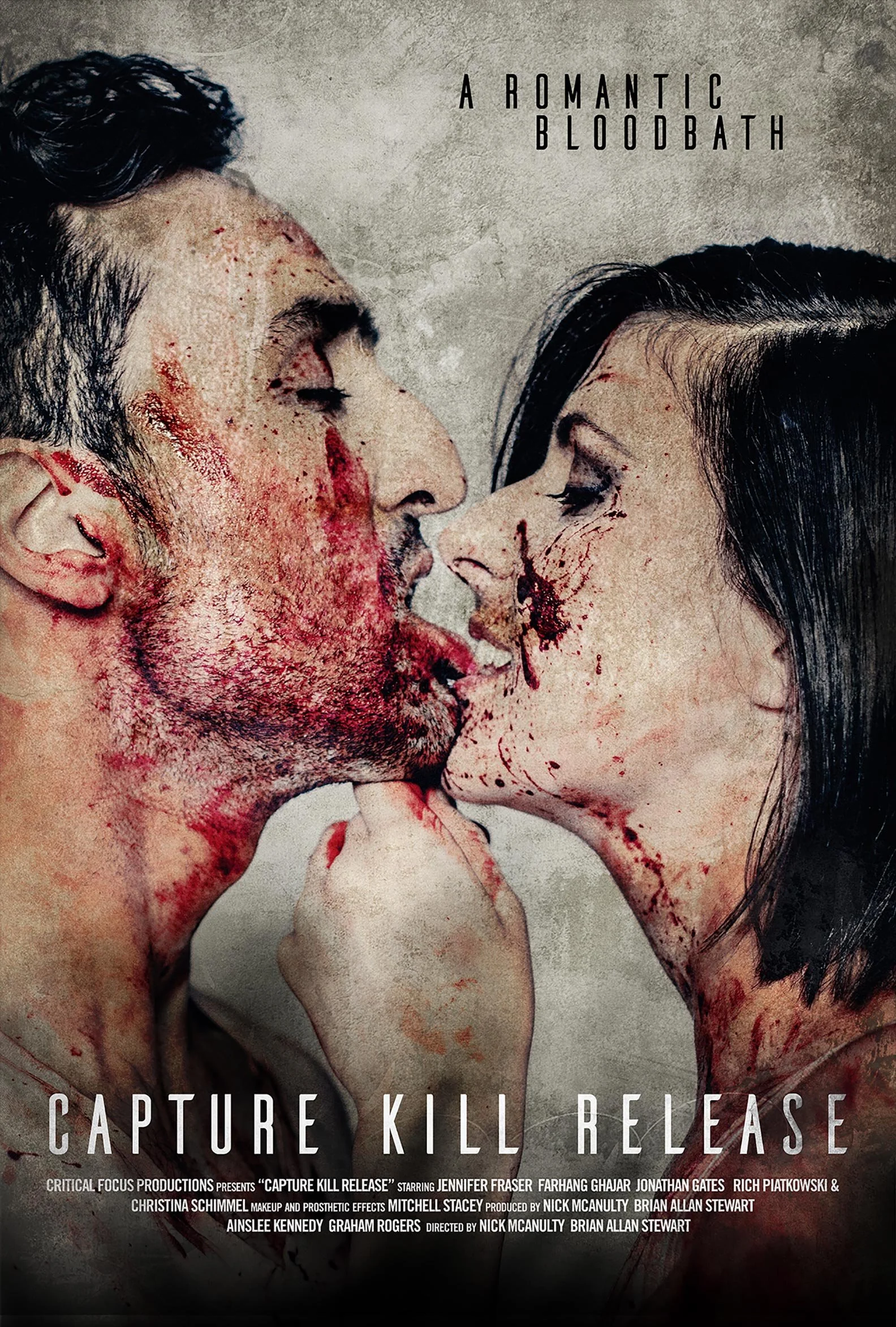
DECEMBER 19: “Capture Kill Release” (2016) - A couple plots to murder a random stranger just for the thrill of it, but things turn ugly when one of them decides not to go through with it. North America only.
Courtesy of Found TV
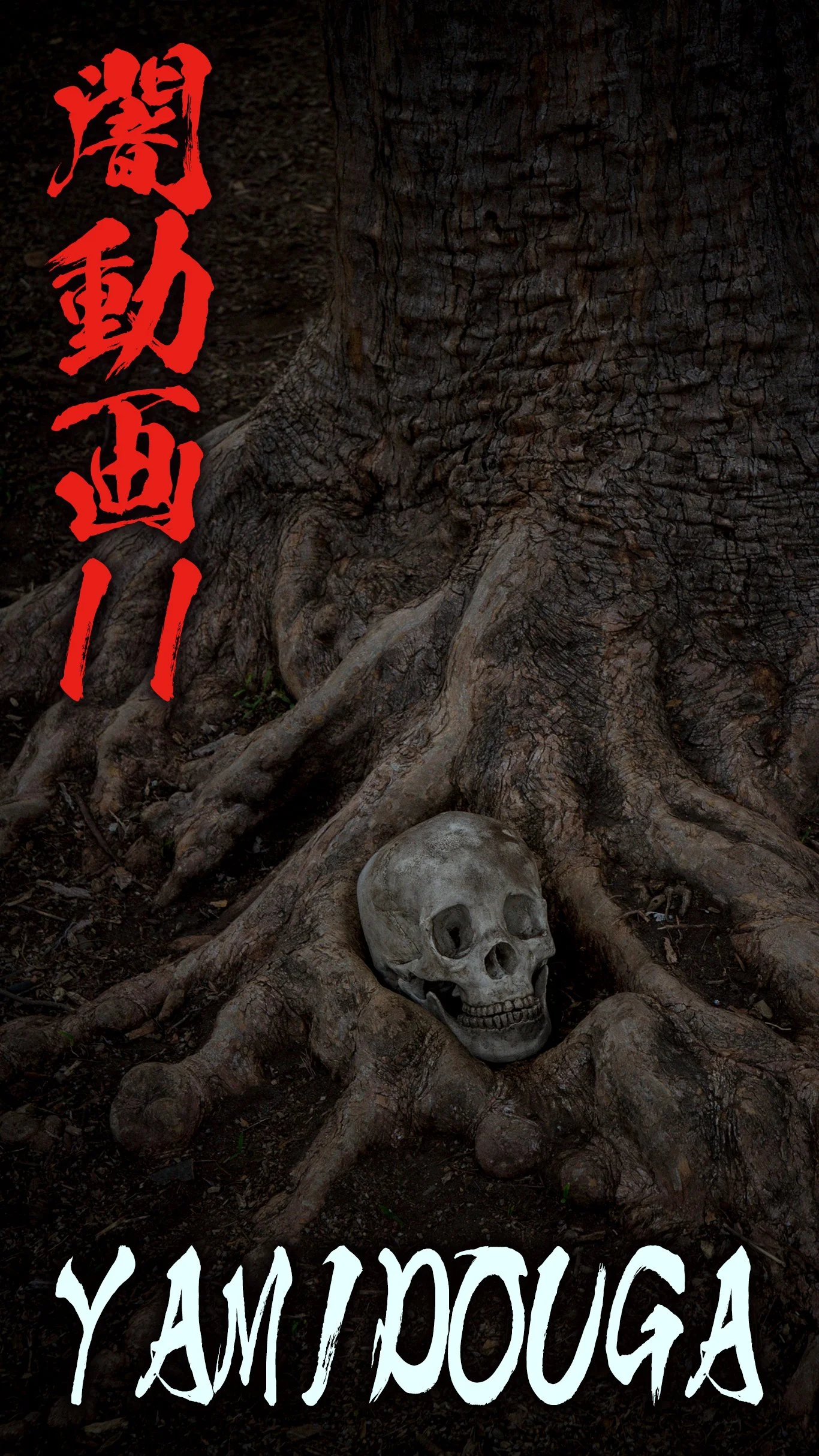
DECEMBER 23: “Yami Douga 11” (2014) - The ultimate fear video collection which carefully selects the spirit video which is born from the darkness and is about to be buried in the dark, introduces the coverage.
Courtesy of Found TV
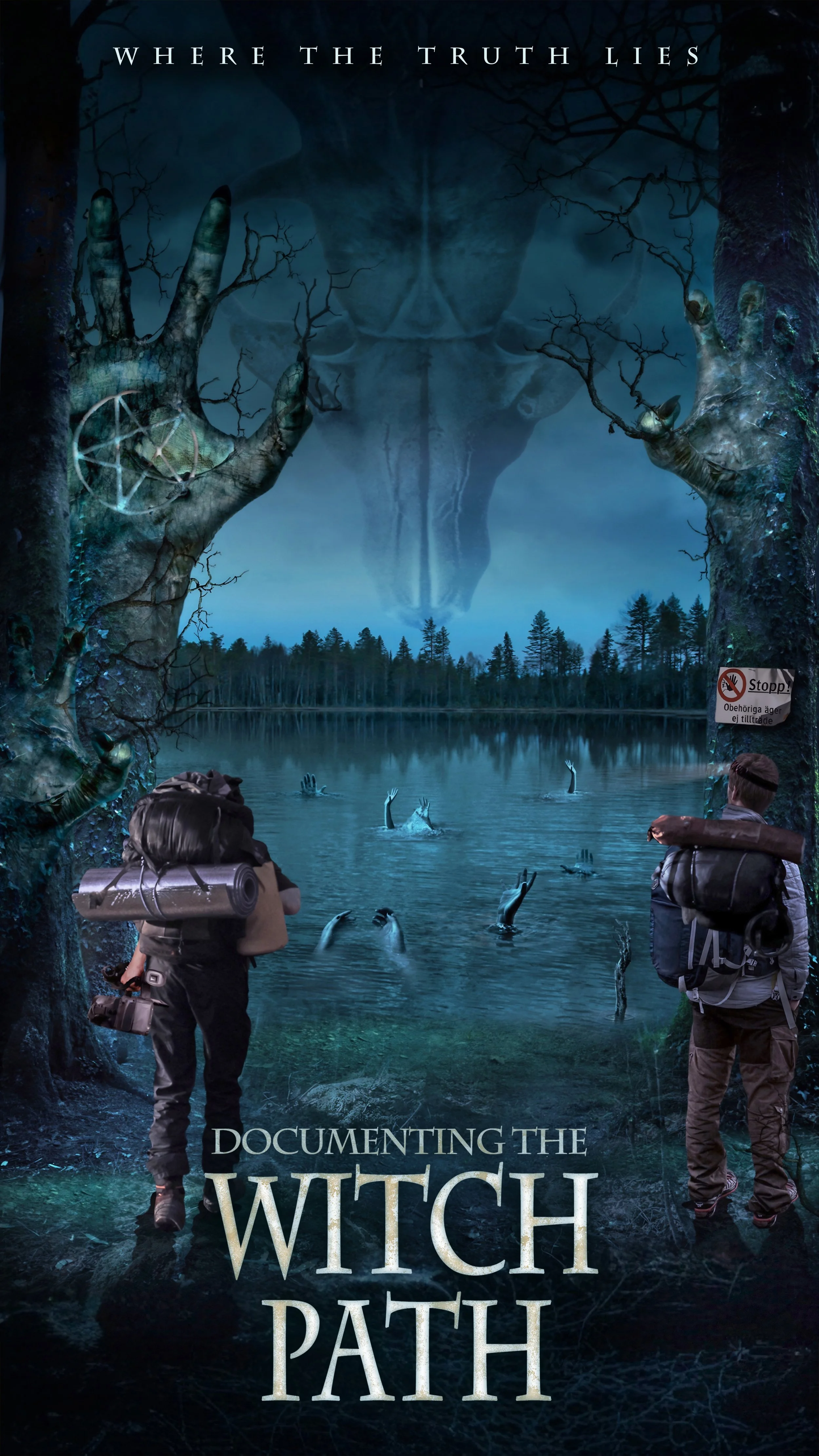
DECEMBER 26: “Documenting the Witch Path” (2017) - Three young documentary filmmakers find out about a place called 'The Witch Path'. It leading to a lake known as 'Witch Lake' where, in the 17th century, innocent women were drowned when they were accused of witchery.
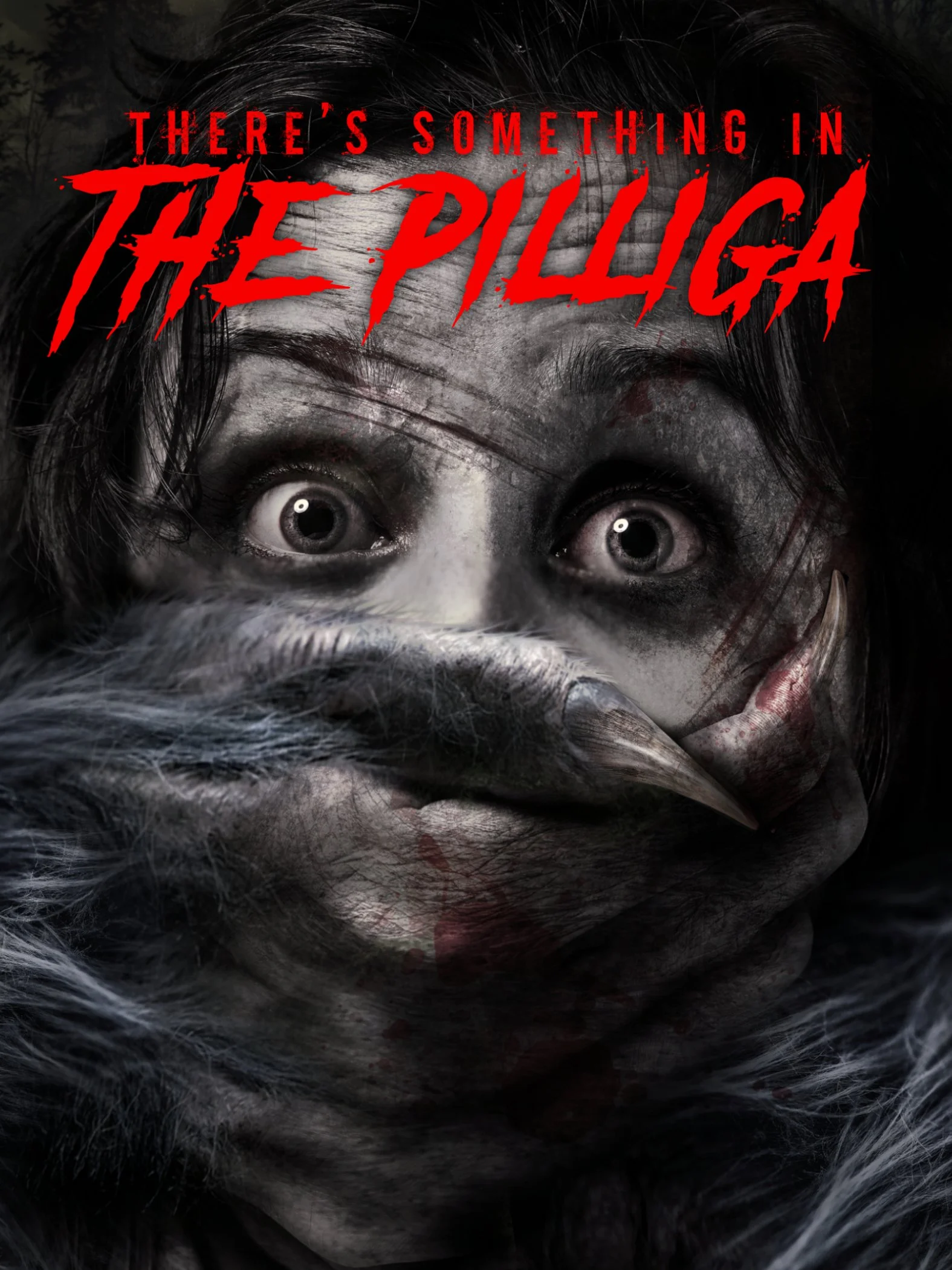
Courtesy of Found TV
DECEMBER 29: “There’s Something in the Pilliga” (2014) - The Pilliga Yowie, - or 'Jingra' - has haunted the Australian outback for centuries, stalking a remote part of New South Wales, where men seldom dare tread, content to keep to itself... until now.
Whether it’s slashers in the woods, ghosts in the attic, or killers in the cornfield, ILHM Reviews brings you the frightful horror flick recommendations worth watching. Follow us on Instagram, be sure to listen to the the "I Love Horror" podcast and remember that if you’re a true fan of horror, every night can be a FRIGHT NIGHT!
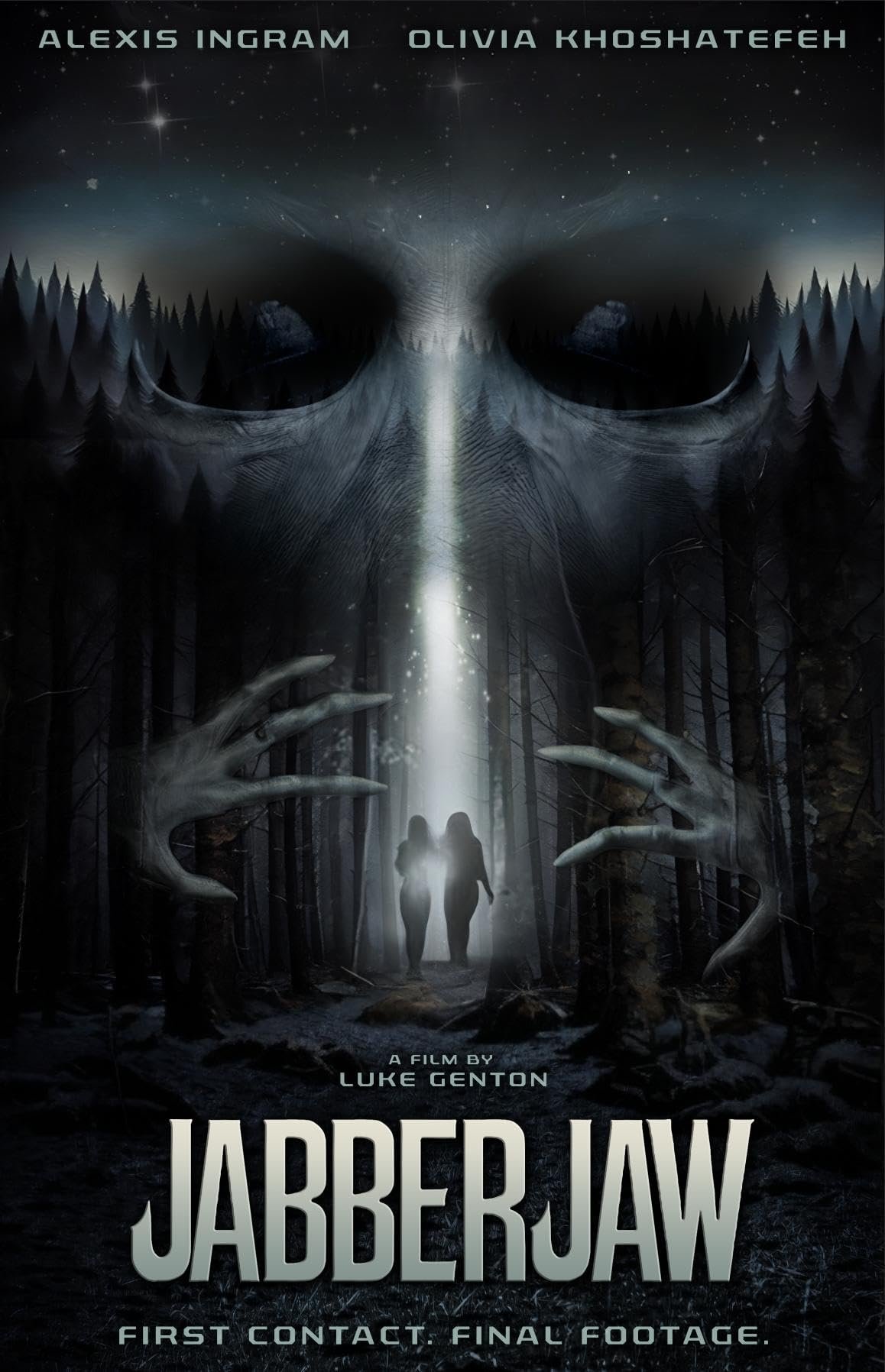
“JABBERJAW” (2025): TERROR FILMS RELEASING Strikes Again with a Sharp & Sinister Sci-Fi Horror
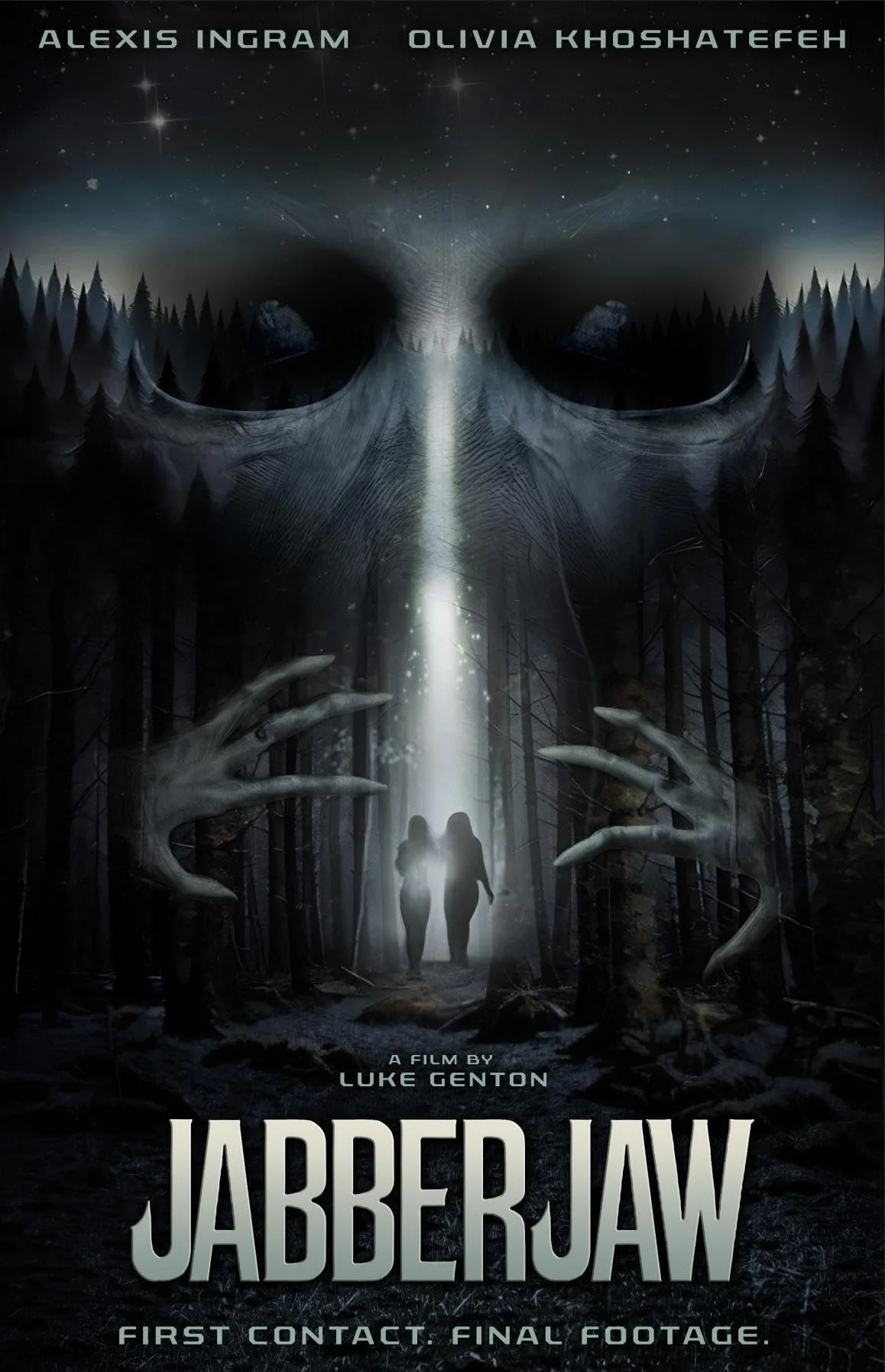
Courtesy of TERROR FILMS RELEASING
Found footage horror has proven itself to be one of the most fascinating and resilient sub-genres in cinematic history. It continues to evolve rather than fade, and I proudly consider it a vital piece of modern horror’s beating heart. There is something thrilling about watching terror unfold through shaky handheld cameras, grainy microphones, and unfiltered human panic. It collapses the distance between viewer and victim and makes us feel like accidental eyewitnesses. “The Blair Witch Project” forever changed the rules by convincing the world that lost tapes and abandoned equipment could be just as frightening as masked slashers and giant monsters. Since then, the genre has adapted through haunted apartments, cursed family homes, bizarre wilderness expeditions, digital call screens, and even documentaries gone wrong. Found footage works because it refuses to pretend. It allows horror to breathe without CGI perfection, without glossy studio glamor, and without the safety net of omniscient storytelling. It is messy, flawed, intimate, and terrifying in a way few formats can mimic. When a new title joins this legacy, it immediately inherits a massive genre expectation. Thankfully, “Jabberjaw” not only accepts the challenge but strides into the eerie forest with confidence and a fresh identity.
A SLOW BURN WITH A SCI-FI TWIST:
“Jabberjaw” is written and directed by Luke Genton, who previously brought us “The Bone Box,” a movie that already proved he understands how to build dread that lingers. His latest project follows Dylan, played with depth, honesty, and emotional vulnerability by Olivia Khoshatefeh, as she escapes into the woods with her best friend Minnie. Minnie is brought to life by Alexis Ingram, whose performance is warm, grounded, and naturally charismatic. Dylan is trying to get space from an abusive boyfriend and believes a camping trip might offer clarity and peace. Both women document their adventure with a video camera, which gives the audience an intimate and unfiltered perspective of their humor, fears, and emotional state. What immediately works is the chemistry between Khoshatefeh and Ingram. They do not just feel like actors paired for convenience, they feel like genuine lifelong friends with shared history, private jokes, and unspoken emotional understanding. Their rapport becomes the emotional anchor of the story and effortlessly pulls the viewer into their world.
As their peaceful escape shifts into panic and paranoia, Dylan begins to believe she is being followed. The tension grows slowly, allowing the story to simmer rather than explode too early. It becomes unclear whether a human threat is lurking in the trees or if something entirely different is stalking them. This ambiguity is handled impressively and never feels confusing or forced. It reminded me of “The Blair Witch Project” in terms of dread, isolation, and immersive fear, but with an added element of science fiction that gives the story an unexpected twist. The alien presence contributes to the tension rather than overshadowing the emotional terror. Genton balances reality and otherworldly fear with precision and never sacrifices character for spectacle. The result is a movie that feels layered rather than gimmicky.
The performances deserve major acknowledgment. Olivia Khoshatefeh carries the emotional weight of her character with authenticity and strength. She makes the horror personal rather than distant and never falls into a predictable or exaggerated performance style. Alexis Ingram shines in her supportive role as Minnie and displays impressive comedic timing while still honoring the seriousness of the story. Both actresses succeed individually, but together they deliver something even more compelling. Their teamwork becomes the soul of the film and elevates it into something emotionally memorable. It is refreshing to see a found footage film led by two talented women whose dynamic drives the plot just as strongly as the external mystery.
“Jabberjaw” is also a slow burn in the best possible way. It does not try to shock from the start or rely on constant jump scares. Instead, it builds an atmosphere that gradually tightens like a rope pulled through the dark. Viewers are given time to connect with the characters, appreciate their humor, and understand why this situation feels so dangerous. The humor fits naturally within the dialogue and never breaks the tension. It feels like the type of humor that emerges when people are trying to stay brave rather than silly, which gives it a relatable emotional texture. The outdoor setting works perfectly for this type of story and becomes a character of its own. Trees, darkness, isolation, and the unknown are inherently threatening, especially when paired with trauma and uncertainty. Genton understands that horror does not always need elaborate settings, it only needs the right direction and purpose.
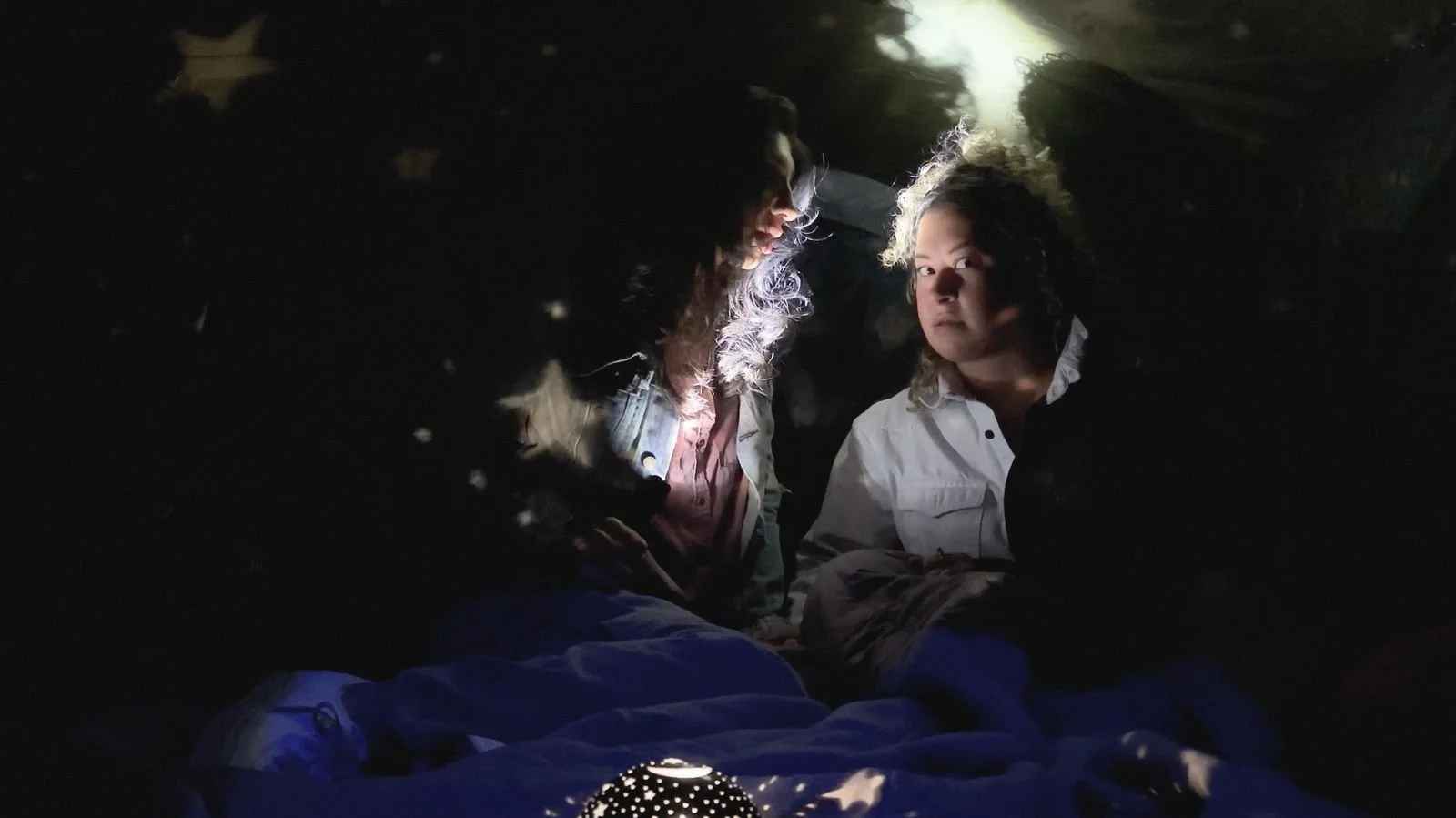
Courtesy of TERROR FILMS RELEASING
The writing deserves particular praise for handling trauma responsibly and thoughtfully. Dylan’s pain is not used as a plot device; it is part of her journey and shapes her fear. The merging of emotional horror and extraterrestrial suspense creates a hybrid experience that feels fresh rather than derivative. The ending delivers a satisfying payoff, which is something many found footage films struggle with. Genton shows that slow burns can reward patience when crafted with intent.
It is exciting to see another female led entry in the found footage sub-genre, especially one that explores friendship, trust, fear, and healing without reducing its characters to stereotypes. “Jabberjaw” confidently proves that emotional horror and science fiction can exist together without weakening one another. It is clever, unsettling, intimate, and memorable, and it deserves a place among the standout modern offerings in the genre.
Courtesy of TERROR FILMS RELEASING
If you are craving something that captures the unsettling authenticity of the amazing elements of found footage horror, while weaving in an extraterrestrial thread and two standout performances, you need to watch “Jabberjaw.” It is currently available on the Found TV app, and it certainly earns its place among the most intriguing new releases from Terror Films Releasing. Stay tuned for more horror reviews from both Terror Films Releasing and Found TV, as they both have an amazing library of horror.
Whether it’s slashers in the woods, ghosts in the attic, or killers in the cornfield, ILHM Reviews brings you the frightful horror flick recommendations worth watching. Follow us on Instagram, be sure to listen to the the "I Love Horror" podcast and remember that if you’re a true fan of horror, every night can be a FRIGHT NIGHT!
“We Hate Movies” Podcast Delivers Killer Comedy Through Its New Craven Tier
The horror world has plenty of podcasts clawing for attention, but few have the power to grab your attention, or the sheer chaotic charisma of We Hate Movies. Hosted by Andrew Jupin, Stephen Sajdak, Eric Szyszka, and Chris Cabin, the long-running comedy show has developed a kind of gravitational pull among movie lovers who crave equal parts smart criticism and absurd riffs. Recently myself and other horror fans who are part of their avid listener base have been delighted to see they have added a new tier to their Patreon specific to horror content. This new “Craven” tier includes an evolving slate of horror-focused bonus shows.
This new tier feels like a sly wink to Wes Craven himself and an invitation to plunge deeper into the spooky side of WHM’s cinematic mischief. It’s pitched at horror fans who don’t just enjoy being scared. Plus, people who want to hear four grown men gleefully dissect why “The Lawnmower Man” should be illegal or how certain ’90s slashers are funnier than half the comedies released today.
Much of this renewed energy comes from “WHM After Dark”, a bonus AMA like series that lets the hosts connect with the fans of the show and maybe even talk a little bit about some horror movies. The vibe is looser, weirder, and beautifully unfiltered. Horror fans also get a chance to hear their new show “Scaredy Cats” and get the thrill of hearing a show that leans into the best part of horror fandom, a place with the perfect balance between fear and fun. There is even access to their horror specific episodes in the “Spooktacular” collection. Whether they’re covering a cult favorite or a ridiculous relic best left in a VHS bargain bin, the Scaredy Cats format gives each movie just enough room to breathe before the hosts pounce with their trademark mix of sharp commentary and absolute quick wit that will have you laughing for hours. It’s a perfect gateway for listeners who want horror talk without the gatekeeping, and a warm embrace for longtime fans who already know WHM’s particular brand of madness.
All this expansion couldn’t come at a better time. With their 15-year anniversary creeping up in December, We Hate Movies isn’t coasting on nostalgia or leaning on their legacy. They’re doubling down, and horror is where they’re planting their flag for the next chapter. Instead of resting on an impressive catalog of episodes, they’re building new ways to connect with an audience that’s grown up, or grown weird, right alongside them.
The Craven tier is more than just merch-friendly branding or an excuse to dust off old forte favorites; it’s a celebration. A celebration of horror, of community, and of a podcast that understands why people love hearing their favorite movies roasted with affection. For longtime listeners and curious newcomers alike, this new horror-forward era proves that WHM is still evolving, still surprising, and still delightfully unhinged after all these years. If this is what the lead-up to year fifteen looks like, horror fans are in for a very good time. As a fan of these guys for over a decade and a horror fan for much longer, I can guarantee these guys are an amazing powerhouse that will leave you rolling on the floor laughing and make you want to add them to your weekly podcast que. You can check out their new Craven Patreon tier here and check out WHM host Andrew Jupin’s episode on my podcast “I Love Horror” here.
Whether it’s slashers in the woods, ghosts in the attic, or killers in the cornfield, ILHM Reviews brings you the frightful horror flick recommendations worth watching. Follow us on Instagram, be sure to listen to the the "I Love Horror" podcast and remember that if you’re a true fan of horror, every night can be a FRIGHT NIGHT!

“DEAD GIVEAWAY” (2025) is a Bloody Who Done It Told Through Hangover Logic
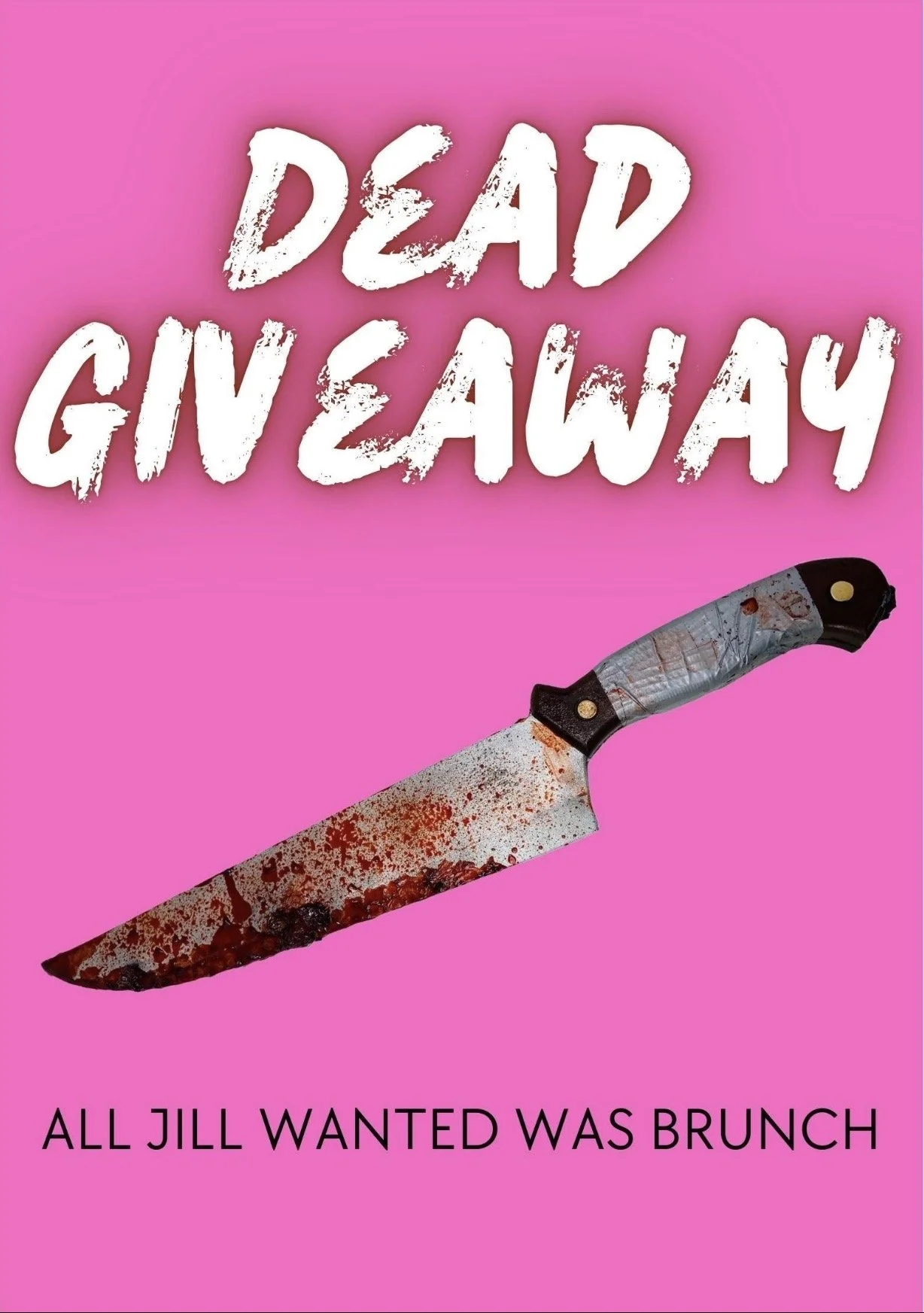
Courtesy of VP Independent
As a lifelong horror fan, I’ve always had a soft spot for independent horror movies. There is something alluring about watching filmmakers outside the world of the high price studios craft scares, laughs, and wild originality on their own terms. Indie horror has a way of reigniting that spark in fans, the same one that made us fall in love with the genre in the first place. These movies are scrappy, fearless, and often more emotionally raw than the polished big-budget releases. When an indie horror movie hits, it hits hard, we all are still talking about how crazy “The Blair Witch Project” is 26 years ago (I still do and it has always been the reason why I have still refused to go camping). That is exactly what Ian Kimble’s “Dead Giveaway” does. It is the kind of horror-comedy that reminds you why independent cinema matters: it is inventive, bold, and brimming with personality.
After a great run at the Philadelphia Film Festival, where it earned an Honorable Mention for Best Chemistry, “Dead Giveaway” is already proving that word of mouth can make as much noise as a studio marketing budget. Written and directed by Kimble, this bloody, booze-soaked rollercoaster of chaos doesn’t just play by the rules, it breaks them with a smile.
WHEN BRUNCH GETS BLOODY:
“Dead Giveaway” opens like a hangover nightmare that feels just a little too relatable. Jill, played by the endlessly entertaining Ruby Modine, wakes up with a pounding headache, an uninvited corpse in her bed, and a schedule that still includes making it to brunch by 3:00 p.m. From there, everything spirals gloriously out of control: there’s a tied-up man in her closet, a roommate that may be harboring a secret of her own, and a best friend who simply wants to go to brunch. The best way to compare this movie to anything you may have seen is saying it is an enjoyable hybrid of “Thelma and Louise” meets “The Hangover”. Not to toot my own horn but I will say for once, that comparison is spot-on. It’s a wild blend of chaos, dark humor, and female camaraderie with a bloody bow on top.
One of the many things that immediately grabbed my attention while watching this movie is how confidently Kimble’s script walks the line between horror and comedy. The jokes land as hard as the jump scares, and every punchline feels like it has been marinated in panic and caffeine. The pacing is relentless in a way that it is the kind of ride that refuses to let you catch your breath. You just have to hang on, put your phone away to not miss a moment and hope brunch still happens for our main characters.
I would forever be regretful if I didn’t talk about Ruby Modine and Mikaela Hoover because these two absolutely own this movie. Their chemistry is the heartbeat of “Dead Giveaway”, and it is easy to see why the Philadelphia Film Festival took notice of their stellar performances. Modine gives her character Jill a frazzled charm that’s instantly relatable. She’s messy, funny, terrified, and determined all at once, while rocking that dreadful hangover that we all have on more than one occasion dealt with. Her physical comedy is sharp, her timing is pitch-perfect, and she shifts between panic and wit with absolute ease.
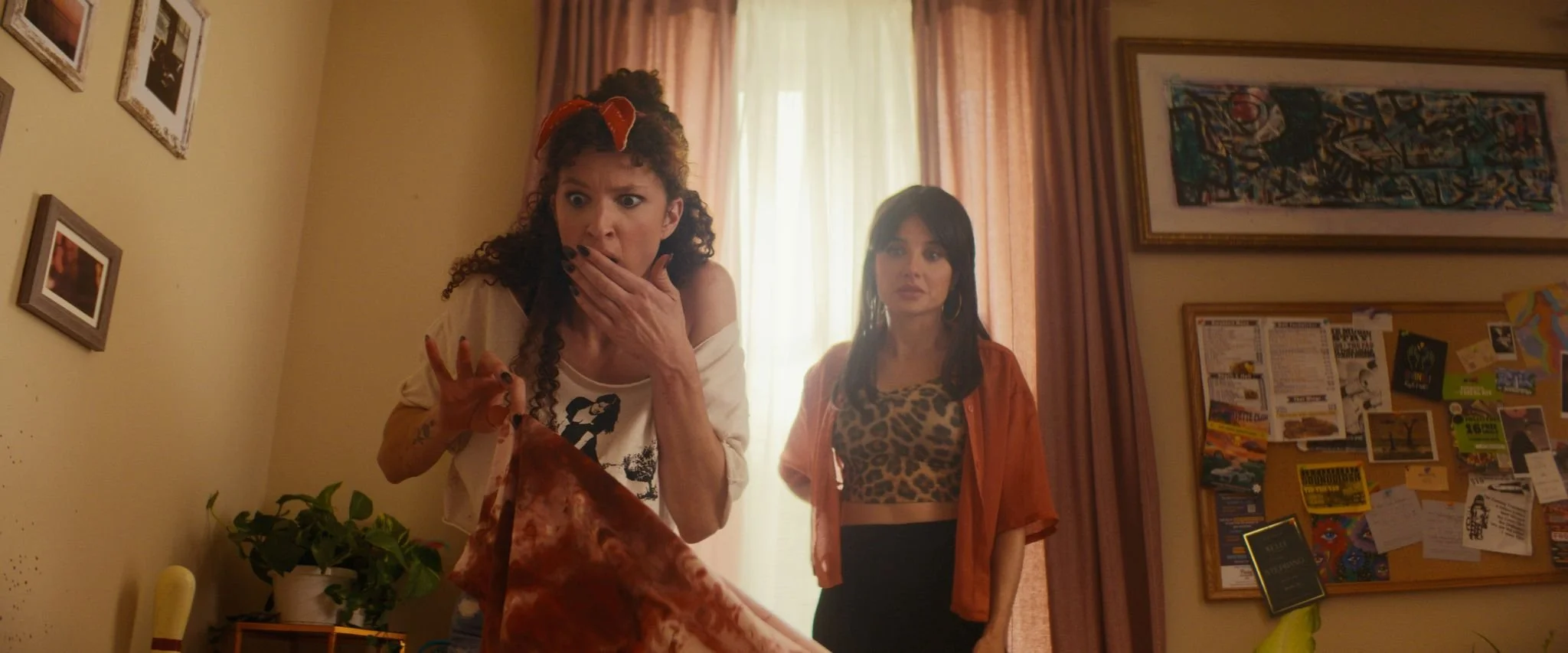
Courtesy of VP Independent
Then there’s Hoover, who’s also a total revelation here. I’ve enjoyed her work in movies like “The Suicide Squad” and “Guardians of the Galaxy”, but “Dead Giveaway” lets her fully embrace her comedic instincts. The back-and-forth between Hoover and Modine is hilarious, fast, and perfectly in sync. Their banter feels so natural that it almost seems improvised. Watching these two navigate one ridiculous disaster after another is pure entertainment gold.
It’s also incredibly refreshing to see a horror-comedy anchored by such strong female leads. Too often, horror-comedies treat women as victims or side characters, but here, Modine and Hoover drive the story, the humor, and the emotional core. This is a great female-led movie that doesn’t just celebrate women, it lets them be chaotic, funny, and complex in all the best ways.
Seeing Scout Taylor-Compton pop up in “Dead Giveaway” was a true treat. Horror fans like me know her best from Rob Zombie’s “Halloween” movies, where she brought intensity and heart to Laurie Strode. Here, she flips expectations completely, flexing her comedic muscles with ease. Taylor-Compton’s scenes are sprinkled with that same confident energy we have seen in her more serious roles, but this time she gets to have fun with it. Watching a scream queen handle comedy this naturally is a genuine delight, and it gives the movie a little extra wink to horror fans who have followed her career.
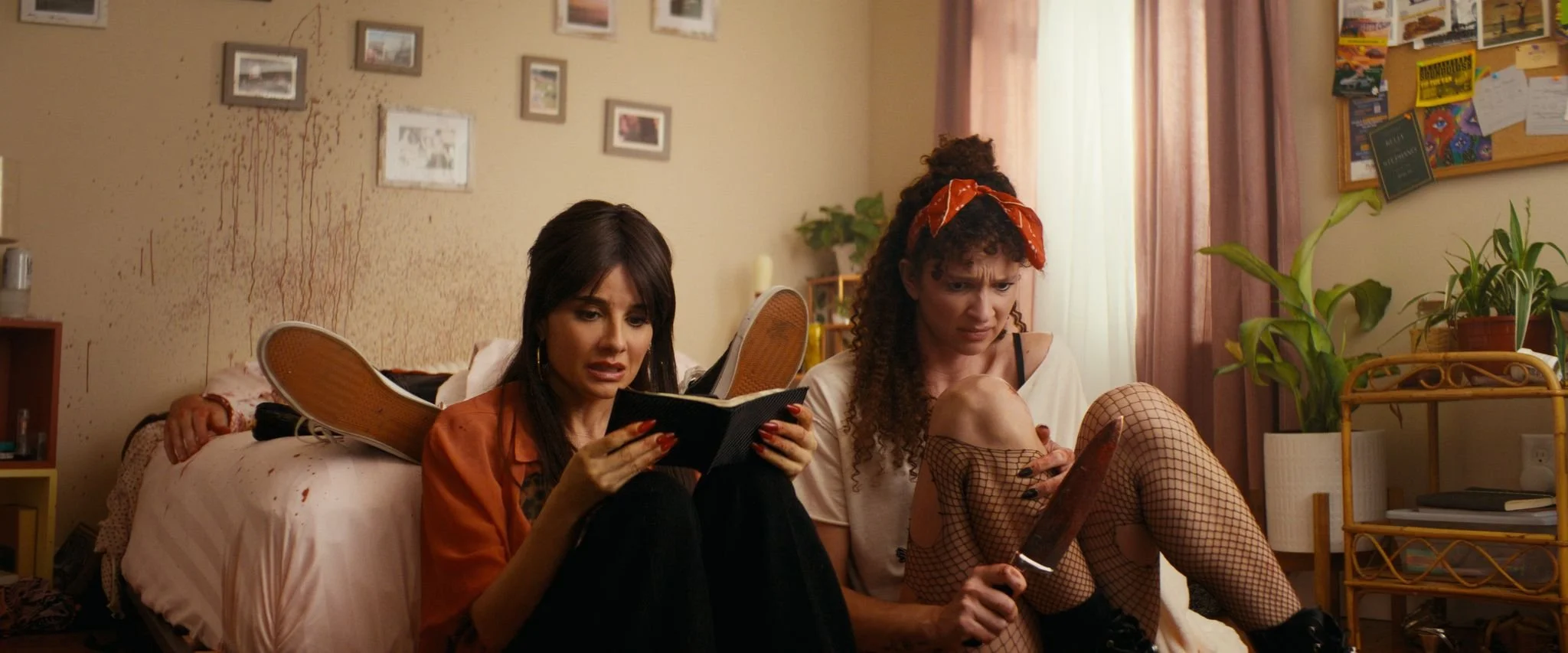
Courtesy of VP Independent
Writer-director Ian Kimble deserves serious credit for the balancing act he pulls off here. Mixing horror and comedy is one of the hardest things to do in filmmaking, but he makes it look effortless. Every scene feels carefully orchestrated yet totally unhinged, a combination that works beautifully. The editing is tight, the humor smart, and the energy infectious.
Kimble’s dialogue is sharp, witty, and often quotable. It is the kind of writing that invites rewatching just to catch the jokes you missed the first time. He crafts a world that’s both horrific and hilarious, a space where panic and laughter coexist perfectly. His direction captures the absurdity of the situation without ever losing sight of character or tone. That’s what makes “Dead Giveaway” so impressive. It’s chaotic, but it’s chaos with purpose.
There’s a real sense of style here, too. Kimble blends indie sensibilities with mainstream flair, echoing films like “Game Night” and “Ready or Not” without ever feeling derivative. It’s fast-paced, unpredictable, and filled with creative visual touches that make even the bloodiest scenes fun to watch.
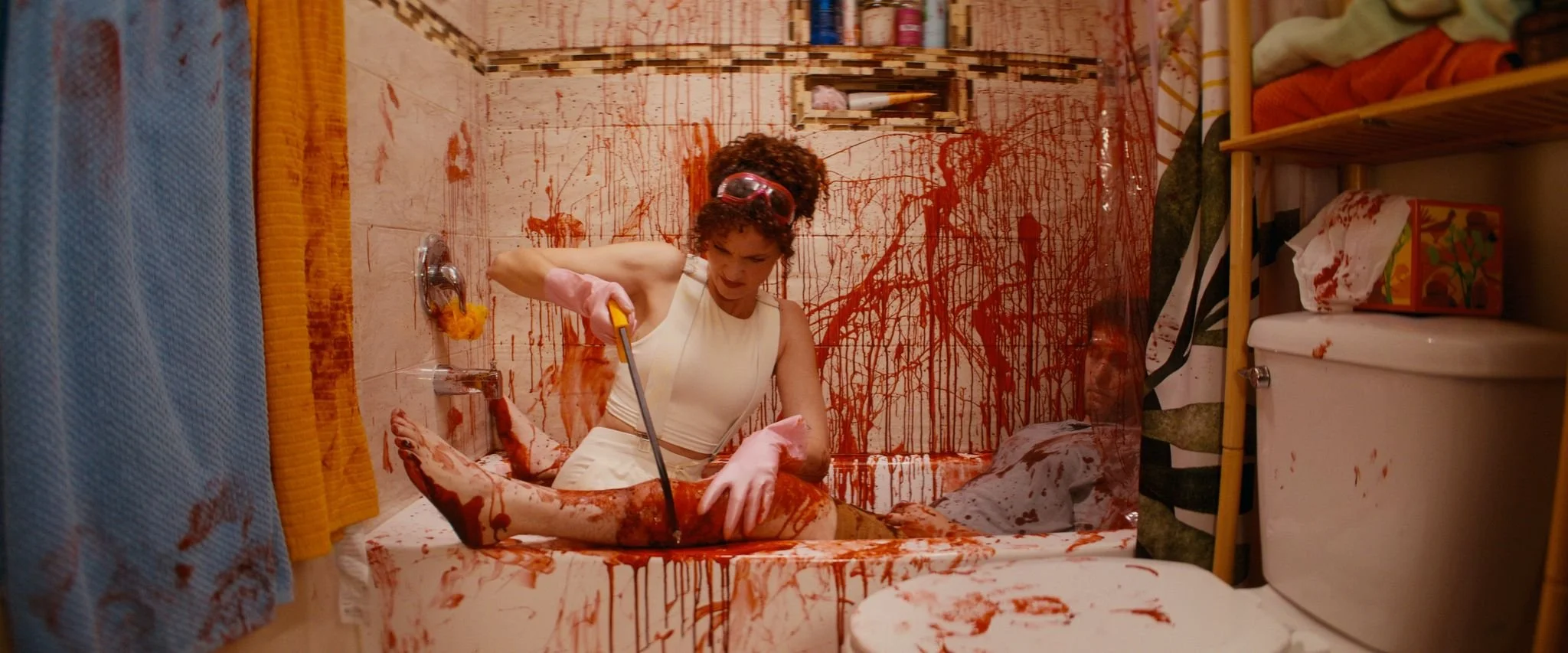
Courtesy of VP Independent
One of the things I loved most about “Dead Giveaway” is how it takes the familiar structure of a “who done it” and turns it completely on its head. Instead of a detective or team of investigators, we get two hungover women desperately trying to piece together what the hell happened the night before, all while tripping over their own lies and bad decisions. It’s part mystery, part meltdown, and entirely entertaining.
The tone is a perfect cocktail of tension and absurdity. One minute I was laughing at Jill being told that Googling “how to hide a body” is a stupid mistake she shouldn’t do, and the next I was gripping my seat as things took a darker turn. Kimble uses that unpredictability to keep the audience hooked, making sure we never quite know whether to laugh, scream, or both. It’s a tricky tonal balance, but it pays off beautifully. Not to mention how gruesome and hilarious some of the cutaways are of the crazy ideas the characters have throughout the entire movie.
Watching “Dead Giveaway” reminded me why I’ll always champion independent horror. There’s an honesty and a freedom in indie horror filmmaking that big studios can’t always capture. These movies feel personal, passionate, and alive simply because they are created by people who love horror as much as the fans who watch it. Ian Kimble’s movie is a perfect example of that spirit. It’s fearless, funny, and bursting with creativity.
Courtesy of VP Independent
Indie horror has this magical ability to reach horror fans on a deeper level. It reminds us that the genre doesn’t have to rely on spectacle, it just needs vision and heart. When a movie like “Dead Giveaway” comes along, it doesn’t just entertain; it reenergizes the community. It’s the kind of movie that makes you want to text your horror-loving friends immediately and say, “You need to see this.”
“Dead Giveaway” is everything I want from a modern horror-comedy. It is fast, funny, and fearlessly original. Ruby Modine and Mikaela Hoover deliver career-best performances, their chemistry carrying the movie with wit and chaos. Scout Taylor-Compton’s appearance is a bonus gift for horror fans, proving she can conquer comedy as easily as she conquers killers. And Ian Kimble’s writing and direction? Sharp, smart, and gleefully twisted. This movie doesn’t just balance horror and humor; it embraces both with open arms. It’s the kind of film that makes you laugh one second and cover your eyes the next, all while wondering how something so absurd can feel so relatable.
I had an absolute blast watching it. “Dead Giveaway” proves that horror-comedy can still surprise us, still make us laugh until we cry, and still remind us why we love this genre so much. It’s clever, chaotic, and unapologetically entertaining, everything I want when I sit down for a good scare with a side of laughter.
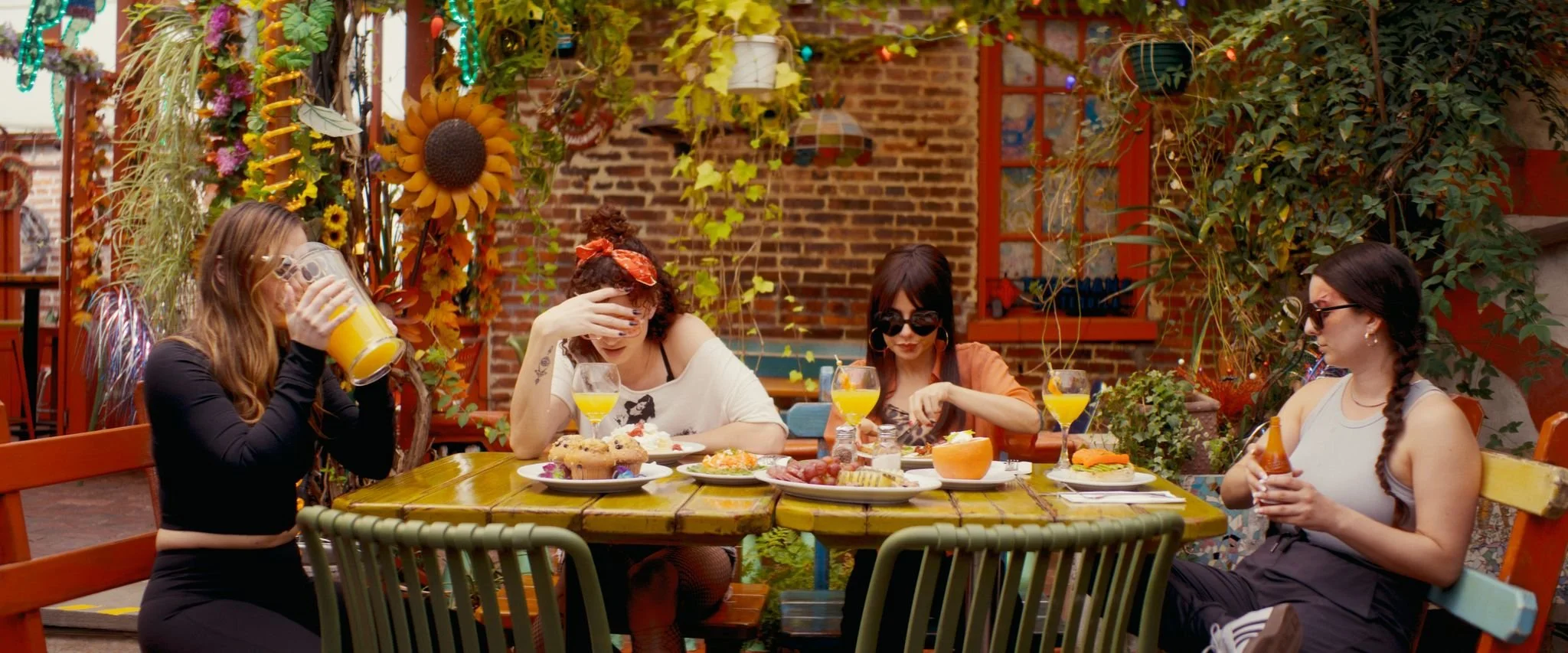
Courtesy of VP Independent
When the movie becomes available in the near future, do yourself a favor and check it out. Just make sure you’ve eaten beforehand, because this adventure to get to brunch gets bloody. “Dead Giveaway” is a whip-smart, female-driven, hangover-from-hell masterpiece that proves indie horror still knows how to keep the genre alive, laughing, and screaming. If you ask my opinion (which I assume if you’re reading this you just might), it is a five-star movie that was enjoyable from start to finish. If you’re a fan of horror-comedies that aren’t afraid to get messy, the kind that make you laugh and cringe in the same breath, this one’s for you. When it drops, add it straight to your must-watch list.
Whether it’s slashers in the woods, ghosts in the attic, or killers in the cornfield, ILHM Reviews brings you the frightful horror flick recommendations worth watching. Follow us on Instagram, be sure to listen to the the "I Love Horror" podcast and remember that if you’re a true fan of horror, every night can be a FRIGHT NIGHT!
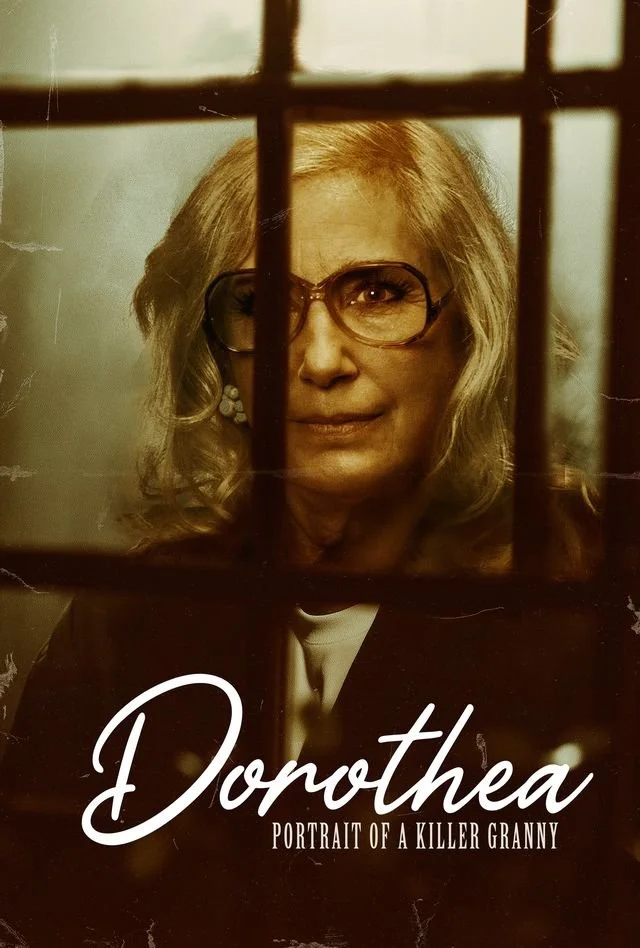
Chad Ferrin Mixes Noir Style & Nasty Secrets in “DOROTHEA” (2025)
Courtesy of Dread
True crime has long been one of horror’s favorite accomplices, shaping some of the most haunting stories to ever hit the screen. From “Psycho,” inspired by Ed Gein’s real-life horrors, to “The Silence of the Lambs,” which blended criminal psychology with grotesque fascination, horror and true crime have always shared the same dark heart. Over the last few decades, filmmakers have leaned into that connection, reminding us that the scariest monsters are often the ones who look the most normal. Dread’s latest release, “Dorothea,” continues that legacy with chilling brilliance. Written and directed by Chad Ferrin, the movie doesn’t just tell a story about murder, it digs it up, dissects it, and holds it close enough for us to see the rot beneath the roses.
LETS TAKE A STAB AT THE MOVIE:
“Dorothea” tells the terrifying true story of Dorothea Puente, a seemingly sweet grandmother who murdered her tenants and buried them in her garden. On the surface, her boarding house was a refuge for the elderly and disabled. In reality, it was a trap built on deception, manipulation, and greed. Ferrin, whose previous work “Ed Kemper” helped kick off Dread’s biographical true-crime horror series, crafts this second entry with both precision and flair. It’s a movie that thrives in its details. The unsettling normalcy of its settings, the quiet horror of its performances, and the sharp wit that sneaks in when you least expect it.
Susan Priver delivers an extraordinary performance as Dorothea Puente. Her portrayal walks the line between warmth and menace so deftly that it’s hard to tell where one ends and the other begins. Priver doesn’t play Dorothea as a cackling villain; she plays her as someone who genuinely believes she’s justified. She is an angel of mercy to herself, if not to anyone else. Her smile is polite, her tone gentle, and her eyes calculating. When she breaks the fourth wall, it’s both chilling and hilarious. It is a knowing wink to the audience that feels like complicity. She makes you laugh, and then she makes you question why you did. It’s easily one of the finest performances in a true-crime horror movie in recent years.
Ferrin’s direction gives the movie an intoxicating noir sensibility. Shadows stretch across wallpapered rooms, cigarette smoke curls through interrogation scenes, and every detail feels drenched in old-school crime cinema style. The lighting and set design conjure the claustrophobic mood of 1980s Sacramento while maintaining the timeless feel of a classic thriller. “Dorothea” could just as easily sit beside “Double Indemnity” or “Sunset Boulevard” as it could with modern horror staples like “The House That Jack Built.” Ferrin doesn’t just tell us a story; he seduces us with it. Simply by drawing us into a cinematic world where decay wears a fresh coat of paint.

Courtesy of Dread
The movie also benefits from Ferrin’s signature tonal balance. Known for blending shocking violence with sly humor in films like “Pig Killer” and “The Old Ones,” he brings that same twisted playfulness here. The comedic wit, especially in Dorothea’s asides to the camera, adds a dark levity that enhances rather than undercuts the horror. It’s a dangerous trick to pull off, but Ferrin nails it. These moments of self-awareness give “Dorothea” an almost theatrical energy, a sense that we’re part of the performance as much as the audience. The laughter comes nervously, uncomfortably, but it comes all the same.
The supporting cast gives the movie a rich texture of performances that complement Priver’s commanding lead. Lew Temple delivers understated heartbreak, grounding his character in quiet tragedy. Brinke Stevens and Ginger Lynn bring veteran poise and presence, while Brenda James and Cassandra Gava add emotional depth to their roles. Every actor seems perfectly in tune with Ferrin’s tone, heightened but human, grim but grounded. Even in brief appearances, each tenant feels like more than just a victim. Their personalities, quirks, and small acts of hope make their fates even more devastating.
One of the movies’ greatest strengths lies in its screenplay. Ferrin’s writing refuses to indulge in gratuitous spectacle. Instead, it focuses on atmosphere and psychology. The dialogue crackles with noir rhythm, tight, witty, and cuttingly observant. Each line reveals more about Dorothea’s twisted moral compass, her uncanny ability to rationalize the horrific. There’s also a clear respect for the truth of the story; Ferrin never turns Puente into a myth. She’s terrifying precisely because she feels real, because she was real.

Courtesy of Dread
“Dorothea” also stands out for its exploration of control and survival. The movie doesn’t excuse its subject’s crimes, but it refuses to simplify them. Through careful glimpses into Dorothea’s past, Ferrin builds a portrait of a woman molded by abuse and neglect, whose trauma eventually mutated into manipulation and murder. It’s an unsettling evolution, and it forces the audience to confront an uncomfortable question: is evil born, or is it built? In the end, the movie leaves that question hanging like a body in the basement that is best not answered, but impossible to ignore.
Visually, the movie is a feast for fans of mood and texture. The garden where Dorothea buried her victims becomes a morbid metaphor for her psyche. It is beautiful, manicured, and teeming with rot beneath the soil. The muted palette and careful cinematography evoke both the era and the dread that defines it. Each shot feels deliberate, from the lingering close-ups of Dorothea’s smiling face to the uneasy stillness of her home’s floral wallpaper. There’s a haunting rhythm to the film’s pacing, each revelation blooming like another flower in her poisonous garden.
As a whole, “Dorothea” is another testament to Chad Ferrin’s genius as a filmmaker. He’s carved out a unique space in horror; one where historical accuracy and cinematic daring collide. Much like “Ed Kemper,” this movie doesn’t just retell a crime, it reframes it, forcing audiences to examine the strange allure of real-life evil. Ferrin knows that horror isn’t just about blood; it’s about empathy, curiosity, and the perverse comfort of looking at something we shouldn’t. His direction proves once again that he’s one of the most daring voices in cinema today. When I interviewed Chad Ferrin after watching the movie, he mentioned the reason why he choose Dorothea Puente as his subject:

Courtesy of Dread
“She checked all the boxes. The period is great, the California aspect is great, so I don’t have to travel. I dove into the research and was just blown away. The script kind of started writing itself.”
He also mentioned a few things regarding his process for making the movie:
“It would’ve been a great experience with Sharon Stone, but I’m not into the Hollywood bullshit. I like having my little family of film crew and cast, you get them together and it’s like having a barbecue. You crank these out and have a good time.”
We both also had quite a positive back in forth when it came to his star Susan Priver playing Dorothea:
“It was a joy to show up every day and see what she did with it. Being an audience member in the director’s chair, every day was exciting and thrilling to see what she came up with.”
We even had a chance to not only talk about his great process with the movie and performances, but also what he has in store for fans next with his project focusing on Richard Ramirez:
“If you’re going to do Ramirez, it has got to be a balls-to-the-wall horror movie. It’s got to be scary. He’s kind of the rock star of true crime serial killers.”

Courtesy of Dread
“Dorothea” is a triumph of tone, storytelling, and performance. It’s a movie that captures the uneasy beauty of true-crime horror: the way evil can wear pearls, serve cookies, and still dig a grave in the backyard before sundown. Susan Priver shines, Chad Ferrin continues his run of creative brilliance, and Dread’s true-crime slate cements itself as one of the most exciting horror ventures in years. If “Ed Kemper” was the spark, “Dorothea” is the flame, and with “Richard Ramirez” on the horizon, it looks like Ferrin and Dread are just getting started.
Something to keep in mind is that by the movies’ end, “Dorothea” doesn’t offer catharsis, it offers confrontation. The closing moments leave you unsettled, not because of the violence, but because of how ordinary it all feels. Dorothea Puente’s world is filled with pastel colors, polite manners, and pleasant smiles, until you realize that beneath it all lies the quiet hum of horror.
Whether it’s slashers in the woods, ghosts in the attic, or killers in the cornfield, ILHM Reviews brings you the frightful horror flick recommendations worth watching. Follow us on Instagram, be sure to listen to the the "I Love Horror" podcast and remember that if you’re a true fan of horror, every night can be a FRIGHT NIGHT!
“THE WEEDHACKER MASSACRE” (2025): A Self-Aware Blend of Horror & Humor
Intro
Courtesy of Buffalo 8 Productions
Horror spoofs have always held a strange but beloved place in the genre. From “Scary Movie” to “Stan Helsing,” these movies let fans laugh at the very tropes they’ve been terrified by for years. A good spoof knows when to wink and when to stab, simply by balancing parody with genuine affection for the genre. I recently had the chance to watch “The Weedhacker Massacre,” directed by Jody Stelzig and written by Ray Spivey, certainly knows its horror roots. Although, much like its fictional film crew within the movie, it sometimes feels like it’s cutting the wrong weeds.
SYNOPSIS & THOUGHTS:
The movie follows a group of actors and filmmakers remaking a terrible horror flick a decade after murders occurred during its original production. The premise itself is clever, a movie within a movie where the chaos behind the scenes mirrors the on-screen slaughter. Unfortunately, the execution often feels like a half-baked homage rather than a sharp satire. The humor leans on obvious gags and horror puns rather than building the kind of manic energy that makes this type of comedy soar. It’s as if someone took all the best bits from “Stan Helsing” out and decided to let the leftovers fend for themselves.
That said, there are moments that work and when they do, they’re genuinely funny. The opening bit featuring a drone shot of a car on a winding road, only to reveal it’s a toy car being pulled by a string before cutting to real footage. It is a perfect example of the movie’s self-aware goofiness. You can tell the filmmakers are in on the joke, and moments like that show flashes of the kind of B-movie brilliance the film aims for.
The cast deserves credit for giving it their all. David Treviño, Molly Sakonchick, Bobbie Grace, Sean Reyna, and Parrish Randall all lean into the absurdity with energy and commitment. Grace, in particular, seems to understand the tone the movie’s reaching for a blend of over-the-top acting and genuine awkwardness that somehow fits. It’s a nice treat to see Allen Danziger, of “The Texas Chainsaw Massacre” fame, return to the genre as Sheriff Danzinshoos. His presence is a nostalgic wink to horror history, even if his material doesn’t quite live up to his legacy.
Courtesy of Buffalo 8 Productions
Then there’s the masked menace of the movie, Pokerface. Imagine “Leatherface” if he’d raided a Vegas card table and developed a habit of chatting mid-murder. The concept of a killer with playing cards on his mask is certainly memorable, and it’s an oddball visual that fits the movie’s self-parody vibe. Still, much like the rest of the movie, it feels like an idea that could have been developed further. He’s weird, he’s dumbly talkative in the tone of a 80’s idiot jock, and he’s oddly charming in a “why am I watching this?” kind of way.
Unfortunately, the biggest issue with “The Weedhacker Massacre” is that its script and pacing never quite find a rhythm. Some of the dialogue feels forced, the jokes linger too long, and there’s a sense that everyone involved is having more fun making the movie than the audience has watching it. Director Jody Stelzig and writer Ray Spivey clearly had a good time crafting their stoner-slasher satire, but the humor often goes up in smoke before the punchline lands. (See what I did there?)
Courtesy of Buffalo 8 Productions
Still making any movie, especially an independent horror comedy is no easy task. For that alone, the cast and crew deserve recognition. Whether it’s the ridiculous kills, the wobbly one-liners, or the low-budget charm, you can tell there’s genuine passion behind the chaos. While I didn’t personally connect with the movie beyond a few scattered chuckles, I always encourage horror fans to give any movie a shot. You never know what oddball gem you’ll find buried beneath the bad jokes and fake blood.
In the end, “The Weedhacker Massacre” may not be a cut above, but it’s at least a reminder that horror spoofs (no matter how rough) they still have a place in the genre garden. Sometimes you just have to trim away the excess to see what’s growing underneath. The movie is now available on VOD for rent or purchase.
Whether it’s slashers in the woods, ghosts in the attic, or killers in the cornfield, ILHM Reviews brings you the frightful horror flick recommendations worth watching. Follow us on Instagram, be sure to listen to the the "I Love Horror" podcast and remember that if you’re a true fan of horror, every night can be a FRIGHT NIGHT!

TERROR FILMS RELEASING Digs Up Killer Fun With “GRAVEYARD SHARK” (2025)
Courtesy of Terror Films Releasing
There’s a certain charm to what Terror Films Releasing does for the horror genre. In a cinematic world dominated by sleek studio productions and endless reboots, this company acts as a beacon for indie horror filmmakers who still believe in blood, grit, and pure creative madness. Terror Films doesn’t just distribute horror, they resurrect it. They do so by giving the weird and wonderful a platform where it can thrive and be introduced to an audience of all types of horror fans. Their catalog celebrates filmmakers who dare to blend comedy with carnage, and “Graveyard Shark” is one of their latest glorious oddities. Written/Directed by Matthew A. Peters, the movie is everything its title promises and more. Its a campy, low-budget gem that swims right into your heart with teeth bared and tongue firmly in cheek.
LETS DIVE INTO THE MOVIE:
“Graveyard Shark” tells the story of a YouTuber/Cryptid Hunter investigating a string of disappearances in a small town plagued by rumors of a monstrous creature haunting the local graveyard. As she digs deeper, she discovers that the culprit isn’t your typical ghost or ghoul, it’s something far stranger. What lives within the fenced walls of the already eerie graveyard is a land-walking shark born of blood, betrayal, and something distinctly unholy. Yes, you read that right. A shark. On land and in a graveyard. Kind of gives off the vibes of what a live action “Street Sharks” movie would be like if they decided to eat people instead of fight crime (which I would totally watch).
Stephanie Ward stars as the determined cryptid hunter trying to uncover the truth, and she brings a balance of sincerity and self-awareness that fits the movie perfectly. She’s the kind of protagonist who could easily exist in an “X-Files” episode that went completely off the rails and in the best way possible. Her investigation into the bizarre goings-on of the town is full of deadpan humor, creative kills, and enough small-town weirdness to make you feel right at home in this twisted little world.
The supporting cast leans all the way into the film’s over-the-top tone. Michael John Gilbert and Ryan Santiago play locals who can’t quite decide if they’re terrified or thrilled by the shark’s existence, while Olivia Walton and Madisen Zabawa bring a mix of sass and scream-queen energy to the chaos. Yet the true standout is Berdele March as Captain Seyburn. He is a larger-than-life captain with the bravado of Quint from “Jaws” and the comedic timing of a midnight-movie icon. Seyburn is every exaggerated seafarer cliché rolled into one gloriously unhinged package. Every line he delivers sounds like it was carved out of a whiskey barrel and polished with sea salt. He’s both a town drunk, someone with a redemption story and ridiculous. Every moment he’s on screen is pure gold. His interactions with the townsfolk and his unapologetic belief that he’s the only one warning people not to look for the Graveyard Shark makes him the film’s pulse and punchline rolled into one. Without a doubt, he’s my favorite part of the entire movie. Lets just say he has quite the hilarious and unexpected slap in the face comment to a group of survivors of the Graveyard Shark that made me have to pause so much from laughter.
The film’s charm comes from its complete lack of pretension. Peters and his team know exactly what kind of movie they’re making, and they don’t shy away from it for a second. “Graveyard Shark” doesn’t try to be high art; it’s here for the fun, the scares, and the sheer joy of creating something so absurd that it circles back to genius. In that sense, it channels the energy of a classic Troma movie. Think The “Toxic Avenger” meets “Sharknado” by way of “Night of the Demons”. It’s gleefully self-aware, poking fun at the very tropes it embraces, but it never feels lazy or mean-spirited. You can feel the affection for the genre in every frame, from the rubbery creature effects to the exaggerated reaction shots.
Courtesy of Terror Films Releasing
What makes “Graveyard Shark” work so well is that it’s not just a joke stretched into a movie. There’s an actual story beneath the camp. The film explores themes of betrayal, grief, and obsession wrapped in the bloody fin of a creature feature. The shark itself, though obviously a man in a suit, has an oddly captivating presence. Instead of hiding the seams or the occasional visible zipper, the movie flaunts them. It’s a refreshing throwback to the days when horror filmmakers weren’t afraid to show their monsters in full light, even if the masks didn’t line up perfectly or the prosthetics creaked a little. Those imperfections add personality, reminding us that horror doesn’t need to be polished to be powerful.
Peters’s direction brings an old-school sensibility that feels both nostalgic and energetic. The lighting, set design, and camera work harken back to the era of late-night VHS treasures. It is the kind of movies you’d discover in the horror section of a mom-and-pop video store, complete with faded cover art and hand-written staff recommendations. Every frame looks like it was made by people who love horror, not just people trying to cash in on it. That love bleeds through, sometimes literally, and makes the movie impossible not to enjoy.
Courtesy of Terror Films Releasing
The humor is the glue that holds everything together. “Graveyard Shark” is never afraid to make fun of itself, whether through knowingly clunky dialogue, exaggerated gore, or characters who react to the absurdity with a perfect mix of disbelief and acceptance. The film walks a fine line between parody and sincerity, and it does so with surprising grace. It’s not mocking horror, it’s celebrating it. Every cheesy one-liner and overacted scream feels like a love letter to the genre’s most outlandish moments. It’s the kind of movie that makes you laugh not because it’s bad, but because it’s having the time of its life.
There’s also a noticeable heart to the production. You can tell the cast and crew had fun making it, and that energy is infectious. The dialogue is peppered with quotable lines, the kills are inventive, and the soundtrack hits all the right notes of eerie yet playful. The pacing keeps things moving briskly, never letting the silliness overstay its welcome. It’s the cinematic equivalent of a midnight pizza binge—messy, indulgent, and exactly what you didn’t know you needed.
By the time the credits roll, “Graveyard Shark” has given you everything it promised: laughs, scares, and a monster that defies logic in the most delightful way possible. It’s a film that thrives on imagination over budget, proving that passion and creativity can turn even the strangest concept into something genuinely entertaining. This isn’t the kind of horror that keeps you up at night—it’s the kind that keeps you smiling long after it’s over.
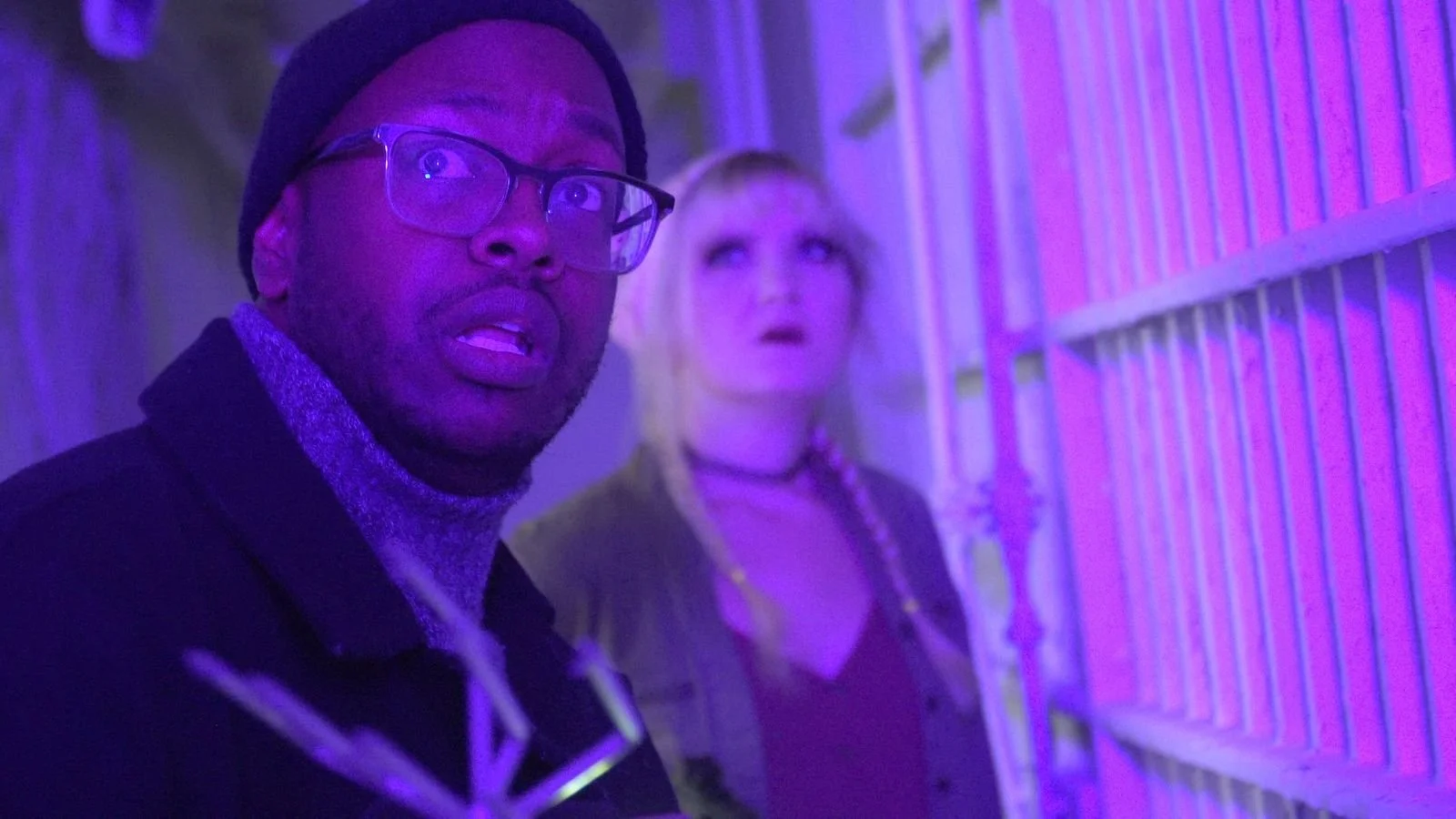
Courtesy of Terror Films Releasing
Ultimately, “Graveyard Shark” captures what makes indie horror so special. It’s fearless, funny, and completely unapologetic. Terror Films Releasing once again demonstrates their knack for finding projects that embody the heart of true independent filmmaking: raw creativity unfiltered by corporate polish. For fans who miss the days of DIY monsters and tongue-in-cheek terror, this movie is a breath of fresh, salty graveyard air. It’s the kind of film that reminds you why you fell in love with horror in the first place because sometimes, the best scares come wrapped in laughter and latex.
If you’re looking for a horror flick that doesn’t take itself too seriously, that revels in its own chaos, and that gives you a captain you’ll be quoting for weeks, “Graveyard Shark” is your next great catch. Grab some popcorn, dim the lights, and dive right in the water’s weird, but it’s fine. “Graveyard Shark” is now available to rent or buy on VOD.
Whether it’s slashers in the woods, ghosts in the attic, or killers in the cornfield, ILHM Reviews brings you the frightful horror flick recommendations worth watching. Follow us on Instagram, be sure to listen to the the "I Love Horror" podcast and remember that if you’re a true fan of horror, every night can be a FRIGHT NIGHT!