Breaking Glass Pictures “EVIDENCE OF THE BOOGEYMAN” (2025) Finds New Terror in Found Footage
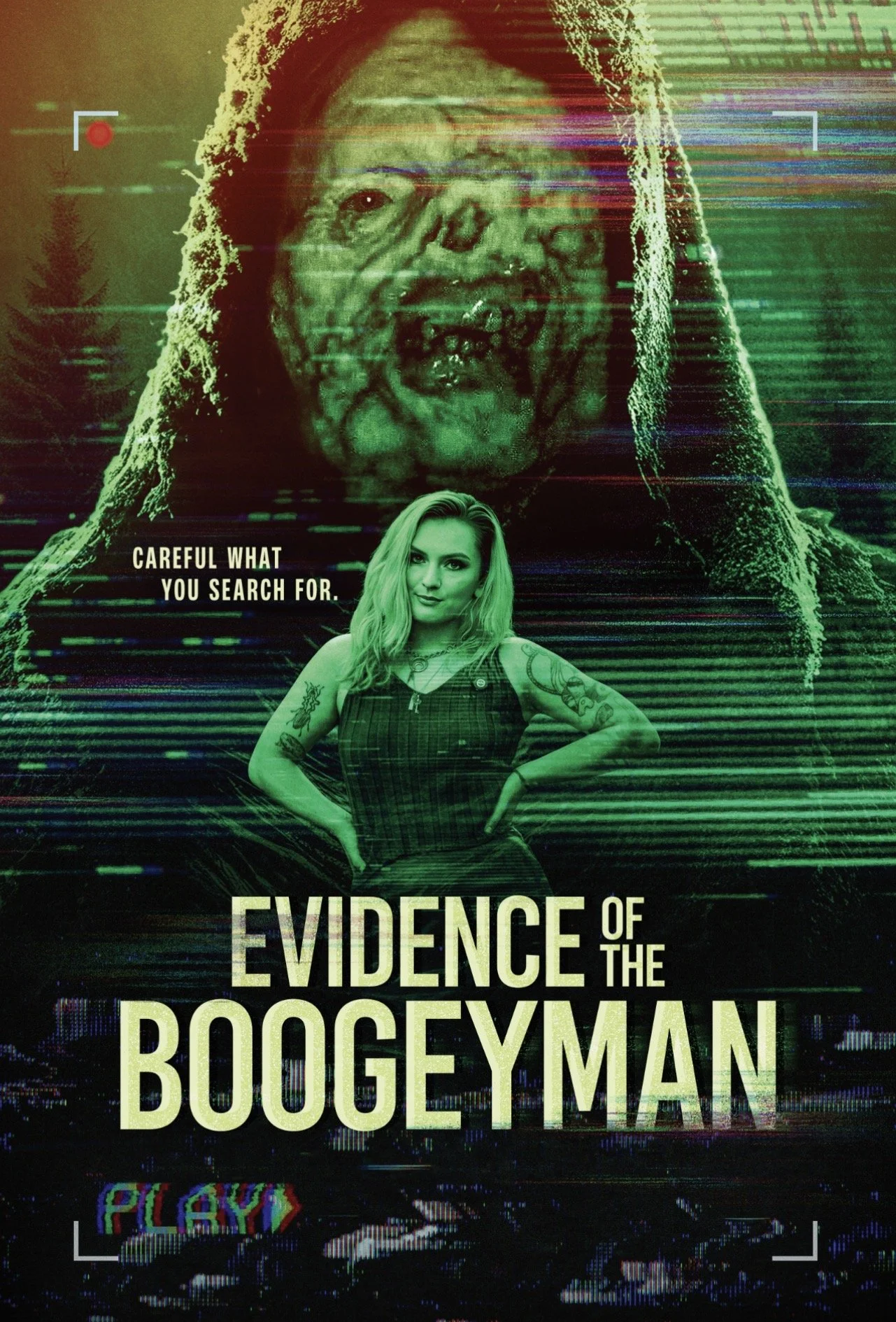
Courtesy of Breaking Glass Pictures
Modern found footage horror movies are no longer content to rely on shaky cameras and accidental jump scares to do the heavy lifting. The sub-genre has somewhat matured, finding new and inventive ways. Simply by aiming to unsettle audiences by blending realism, mockumentary techniques, and true crime aesthetics into experiences that feel disturbingly authentic. Today’s viewers are savvy and well versed in horror language, which means modern found footage films must work harder to earn their scares. When successful, they do not simply frighten in the moment but linger long after the screen goes dark. 7th Street Productions and Breaking Glass Pictures new movie “Evidence of the Boogeyman” stands as a strong example of how contemporary found footage horror continues to evolve while still honoring the genre’s roots.
“Evidence of the Boogeyman” marks the terrifying third chapter in Calvin McCarthy’s acclaimed Boogeyman series, and it makes a bold creative choice by fully embracing the found footage format. A jump like this from a traditional narrative approach does not always work, especially for an established franchise, but here it feels natural and purposeful. Rather than feeling like a gimmick, the found footage perspective strengthens the mythology, making the legend feel closer, more invasive, and far more opportunities to keep audiences on the edge of their seats. The Boogeyman is no longer a story being told to the audience. It is something being documented in real time.
Directed by and starring Calvin Morie McCarthy, the movie drops viewers into the behind-the-scenes chaos of a small indie crew shooting a low budget paranormal documentary at a rural farmhouse infamous for its violent past. What begins as a lighthearted ghost hunting project quickly reveals deeper and far more disturbing implications. McCarthy also serves as co writer and producer, which his creative control shows in every frame. His understanding of pacing, atmosphere, and character dynamics gives the film a confident hand that never feels rushed or unfocused.
McCarthy’s triple role as co-writer, director, and star is especially impressive. Balancing those responsibilities can easily lead to creative overload, but instead it highlights his command of the material. His performance feels grounded and natural, anchoring the film in believable reactions rather than exaggerated horror tropes. He understands when to let the camera linger and when to pull back, allowing tension to build organically. This restraint is one of the film’s greatest strengths and proves that McCarthy is not only passionate about horror but deeply knowledgeable about how it works. Each of the movies he has made or have been a part of have really shown his skills as a multitalented person within the horror movie industry.
Tim Coyle also plays a major role in the movies’s success, serving as both co-writer and one of the stars. His involvement behind and in front of the camera adds authenticity to the dialogue and character interactions. Conversations feel loose, overlapping, and real, which is essential for found footage to work. He also provides a bit of some on screen humor that rounds out his character even more. Not only that, but his performance captures the slow erosion of skepticism as evidence mounts, making his character’s journey both compelling and unsettling. His collaboration with McCarthy results in a script that feels lived in rather than staged.
“Evidence of the Boogeyman” is undeniably a slow burn, but it is a patient one that rewards viewers who stick with it. This movie carefully establishes its setting, particularly through its use of the surrounding woods. During daylight hours, the environment feels warm, sunny, and almost optimistic. The cabin and forest seem harmless, even inviting. That sense of comfort is deceptive by design. When night falls, the same landscape transforms into something oppressive and terrifying. Shadows stretch endlessly, sounds carry without explanation, and the Boogeyman begins to feel less like a myth and more like a presence lurking just beyond the frame.
Naomi Mechem Miller and Erik Skybak round out the core cast and prove to be essential pieces of the story. Both actors bring depth and personality to their roles, ensuring that no one feels disposable. Each has moments where they steal the spotlight, delivering scenes that heighten tension and introduce their own brand of terror. Their reactions feel genuine and emotionally grounded, adding layers to the group dynamic and making the unfolding horror far more impactful.
One of the movies’s standout elements is its incorporation of a mockumentary style true-crime framework. This approach elevates the found footage concept by framing the events as something that has already been analyzed and reconstructed. Jason Brooks appears as a police officer whose serious, authoritative presence grounds the movie in reality. His performance feels authentic and restrained, lending the story a credibility that makes it easy to forget you are watching fiction. He adds weight to the narrative and reinforces the idea that what happened at the farmhouse had real and tragic consequences.
The mockumentary structure is further strengthened by narration from Elissa Hall, who guides the audience through the story with calm precision. Her delivery, combined with on screen information and contextual details, creates a foundation that allows the horror to unfold naturally. The text and narration never feel intrusive. Instead, they enhance the realism and tension, making the footage feel like part of an actual investigation rather than a cinematic device.
As the movie progresses, the sense of dread becomes almost suffocating. The slow burn approach pays off as tension escalates steadily, leading to a final act that is claustrophobic and relentless. Rather than relying solely on jump scares, the movie allows fear to accumulate through atmosphere, sound design, and the growing realization that escape may no longer be possible. When the horror finally peaks, it feels earned and devastating, leaving a lasting impression.
Fans of found footage classics like “The Blair Witch Project”, “Grave Encounters”, and “Hell House LLC” will find plenty to appreciate here. This movie understands what made the found footage horror movies before it effective while carving out its own identity. It does not attempt to reinvent the wheel but instead refines the tools of the genre with confidence and care.
I highly recommend “Evidence of the Boogeyman”, as well as the first two movies in the series. Calvin McCarthy has firmly established himself as a force within the horror filmmaking community, and this entry proves he is far from finished telling stories that haunt and disturb. His ability to adapt, experiment, and still deliver effective scares speaks volumes about his talent and vision.
“Evidence of the Boogeyman” is now available on Roku. It is a strong example of how modern found footage horror continues to push forward while respecting its past. The real question is this. How do you feel modern found footage movies compare to the early days of the genre, and do films like this prove that found footage can still find new ways to scare us?
Whether it’s slashers in the woods, ghosts in the attic, or killers in the cornfield, ILHM Reviews brings you the frightful horror flick recommendations worth watching. Follow us on Instagram, be sure to listen to the the "I Love Horror" podcast and remember that if you’re a true fan of horror, every night can be a FRIGHT NIGHT!