

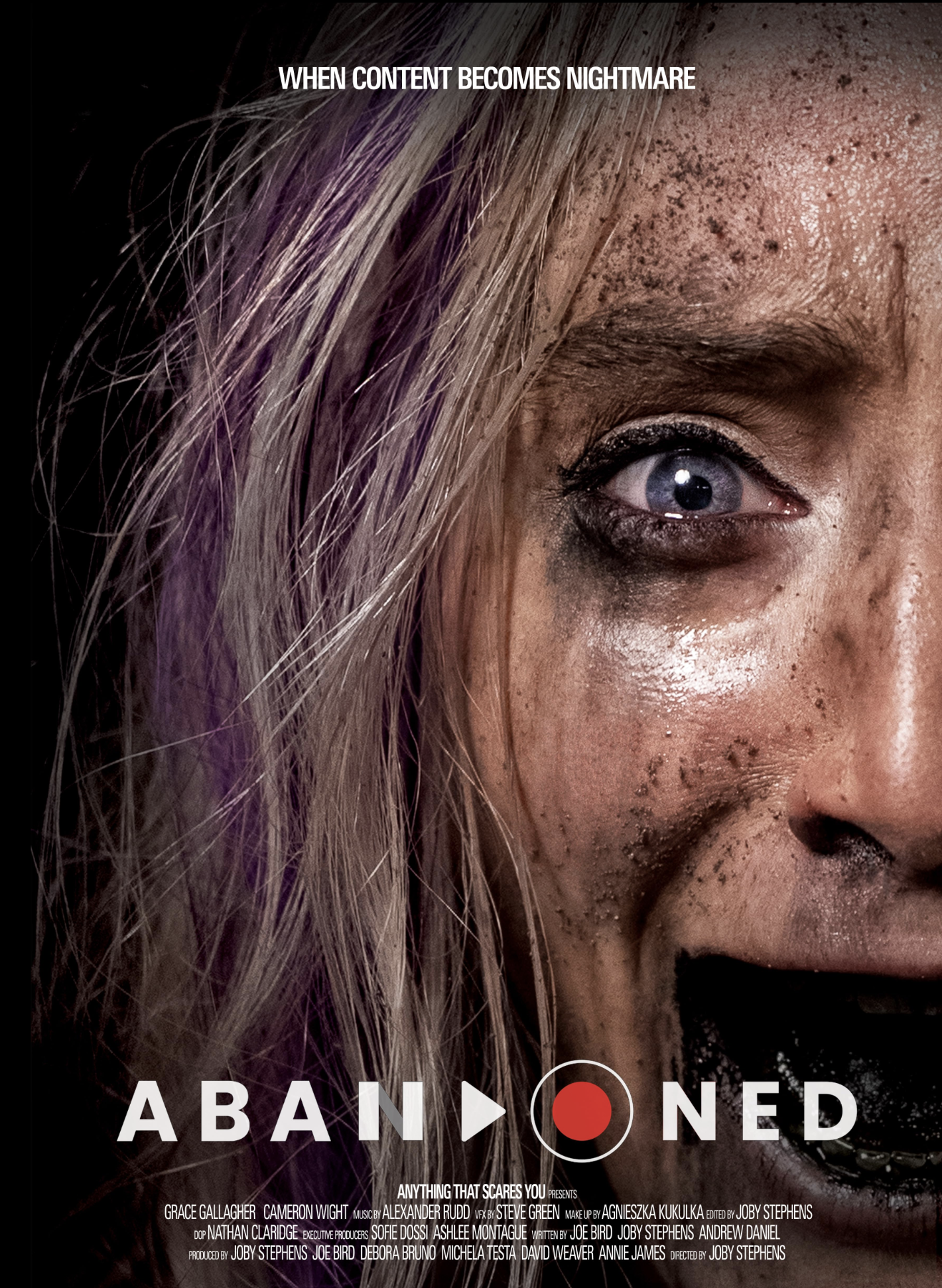
(REVIEW) “ABANDONED” Gives Urban Exploration an Unexpected Turn
Courtesy of IMDB
Ghost hunting and found footage horror have enjoyed a growing presence in the genre, fueled by our fascination with what might be waiting just outside the camera’s view. Meanwhile, urban explorers on YouTube have turned entering abandoned buildings into entertainment for those of us who prefer our tetanus risks strictly theoretical. Bringing those worlds together makes perfect sense. There is already something unsettling about walking into a place everyone else has left behind. Add a camera, the pressure to attract viewers, and a friendship on shaky ground, and common sense suddenly has some serious competition.
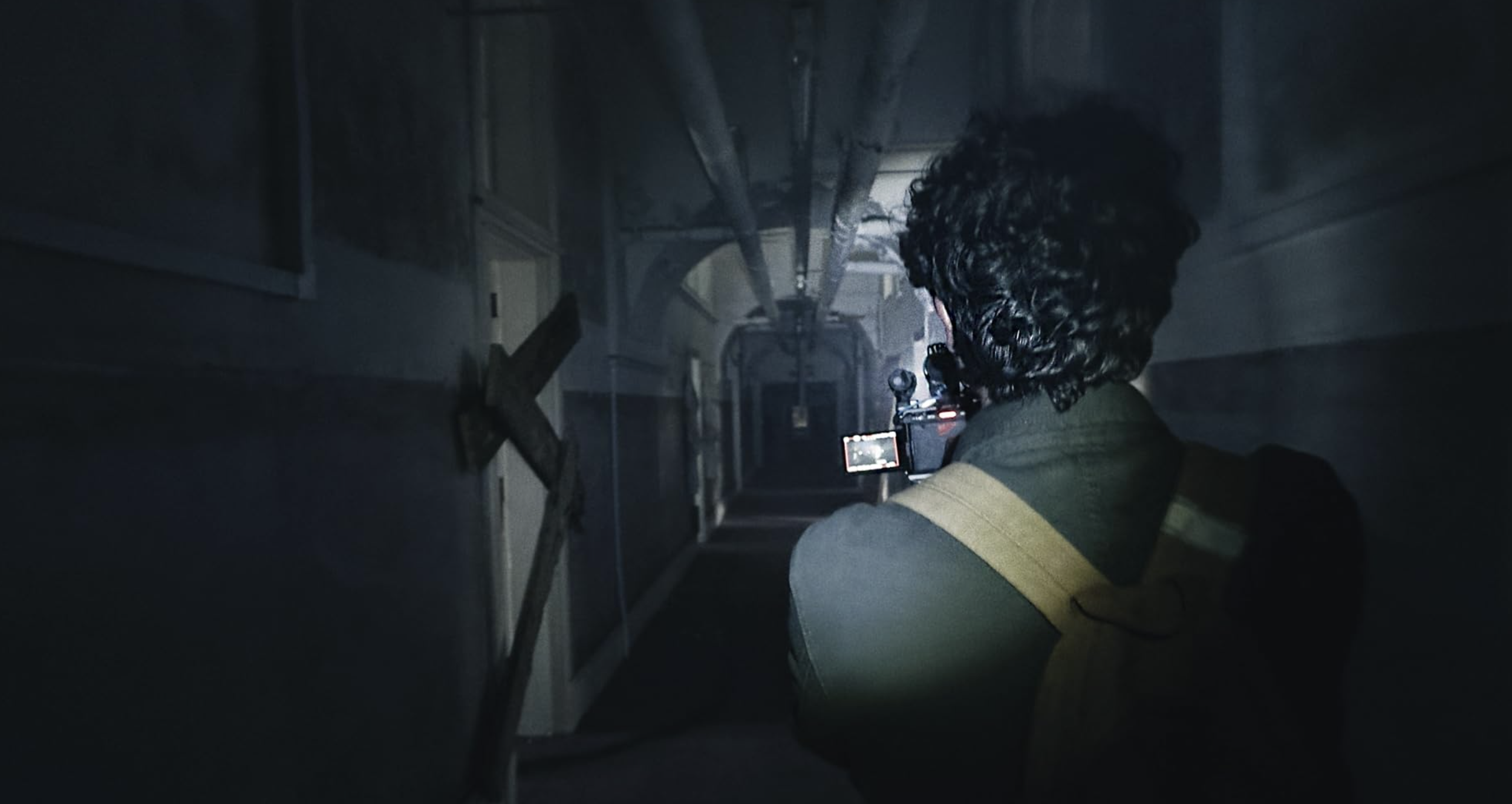
I recently had the privilege of watching “Abandoned,” a 2026 UK horror film from director and co-writer Joby Stephens, who shares writing credits with Joe Bird and Andrew Daniel. Making its North American premiere at this year’s Screamfest, the film follows two urban explorers hoping to rescue both their channel and their friendship. Their search for a viral video leads them into a derelict facility scarred by sinister experiments, where capturing something extraordinary becomes considerably less important than finding a way out. It is an accessible setup, with the pursuit of online attention giving the characters a believable reason to venture somewhere deeply uninviting.
Before discussing what lurks inside, the location deserves some applause. This facility is an incredible find, offering the kind of atmosphere that a production could spend a fortune trying to manufacture. There is a little of the laboratory from “Stranger Things” mixed with the unsettling appeal of an abandoned asylum. The building suggests a history before the story begins explaining it, encouraging you to imagine what happened behind its walls. It makes the explorers’ fascination understandable while leaving you questioning their judgment. That combination is a testament to the value of location scouting. I wanted to explore it myself, although my enthusiasm would probably have expired somewhere between the entrance and the first unexplained noise.
Just as essential are Grace Gallagher and Cameron Wight, who carry much of the film on their shoulders. Their chemistry gives the friendship a believable foundation, making its survival matter alongside the more immediate question of whether either character will escape. Both actors keep the relationship convincing even when the story slows down. They commit to the concept and handle its changing demands without losing the human connection that makes the premise worth following. With so much screen time devoted to this pair, their ability to sustain interest is crucial.
The strained friendship also gives the film something more substantial than a simple excuse to send people into a creepy building. Saving a channel and saving a relationship are different ambitions, even when the characters hope one successful expedition might accomplish both. That tension adds value to the quieter material. I appreciated having a reason to care about what these two stood to lose beyond their equipment. Their performances help maintain that investment, though there are stretches where the actors are doing more to propel the experience than the unfolding mystery.
That is where the pacing becomes an issue. I enjoy a slow burn, particularly when each quiet passage changes how I interpret the next one. In “Abandoned,” the wait occasionally feels prolonged without a corresponding increase in unease. The facility establishes expectations quickly, but the story does not always build on them with enough consistency. A stronger progression of small disturbances could have made those stretches feel purposeful and increasingly threatening. The criticism is not that the film needs constant activity. It is that the stillness could do more to make us uncomfortable.
Courtesy of IMDB
The shadow ghosts appearing in security footage show how effective that approach can be. These moments invite viewers to inspect the image and discover something unsettling for themselves. They also make good use of the film’s interest in cameras: recording a space does not necessarily mean understanding what occupies it. Those glimpses were a highlight for me because they allow the horror to intrude without demanding a major confrontation. More touches in that spirit could have rewarded close attention and deepened the sense that the explorers were missing something dangerous.
Then the final 20 minutes arrive, and “Abandoned” moves from something resembling “Grave Encounters” into territory closer to “Resident Evil.” The shift brings a welcome burst of energy, along with an enjoyable willingness to push beyond the expectations established by the opening. It also changes the kind of nightmare we are watching. I appreciated that ambition, although I wanted the transition to feel more connected to the earlier material. Subtle groundwork for the change could have made the revelations feel both surprising and satisfying, giving the finale greater weight beyond its immediate chaos.
Even with those reservations, Stephens demonstrates talent worth following. He recognizes the dramatic value of an evocative setting and gets committed work from his leads. There is also something encouraging about a film willing to expand its premise instead of staying entirely within familiar boundaries. The next step is bringing those strengths into closer alignment, allowing atmosphere, character, and escalation to reinforce one another throughout. There are enough effective moments here to make me interested in what he does next.
For viewers willing to embrace its deliberate pace, “Abandoned” offers enough unsettling atmosphere and unexpected turns to make the journey worthwhile. Between its eerie setting, shadowy corridors, and atmospheric sound design, something is appealing about experiencing this particular nightmare on the big screen, with the surround sound turned up and an audience along for the ride. After all, there's nothing quite like sharing a collective jump when something goes bump in the dark. And with enough suspicious details lurking in the background, a second viewing might be worth the trip. Just remember, exploring abandoned buildings is considerably more enjoyable when the only thing you're risking is someone stealing your armrest.
Whether it’s slashers in the woods, ghosts in the attic, or killers in the cornfield, ILHM Reviews brings you the frightful horror flick recommendations worth watching. Follow us on Instagram, be sure to listen to the"I Love Horror" podcast, and remember that if you’re a true fan of horror, every night can be a FRIGHT NIGHT!
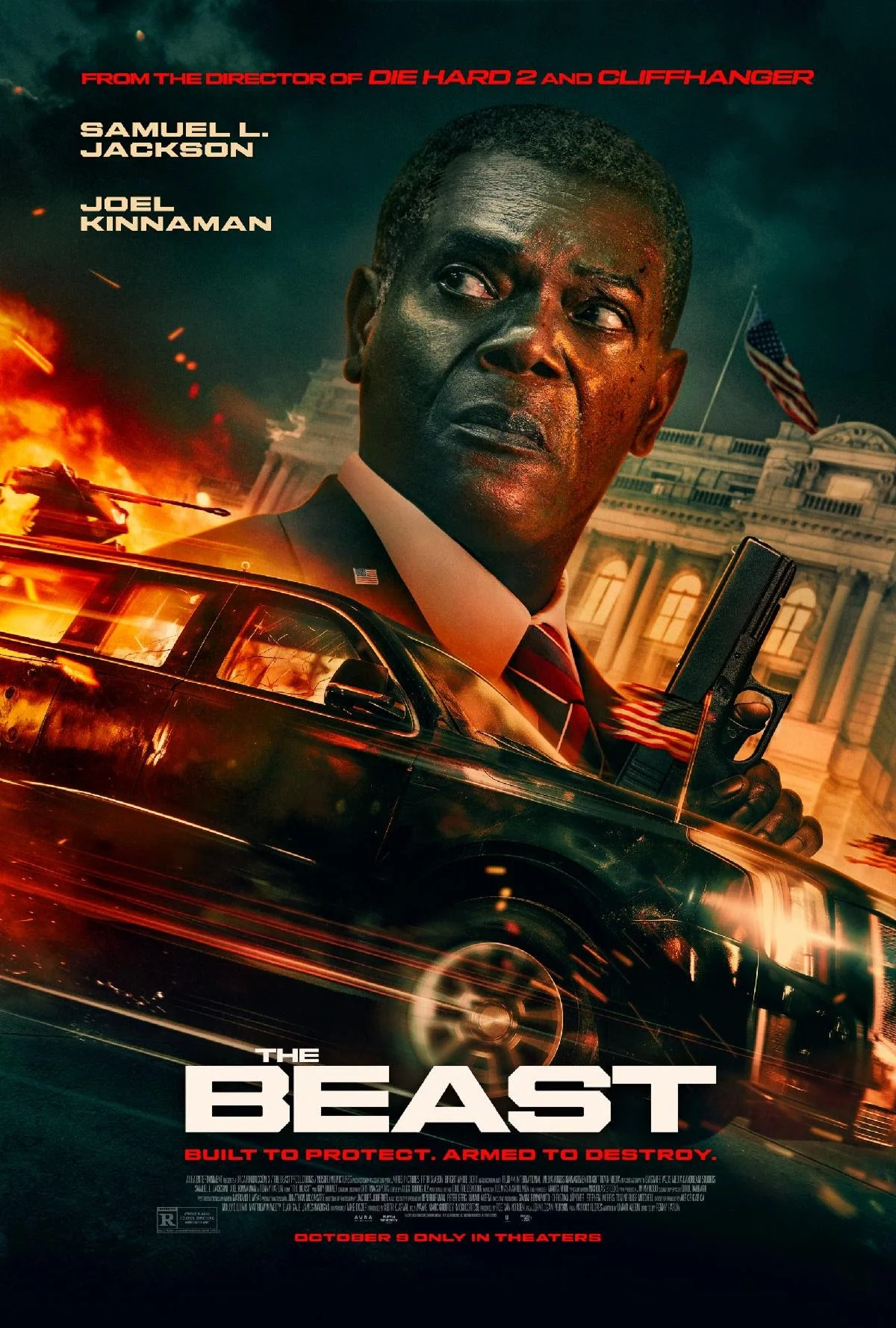
(REVIEW) Renny Harlin & Samuel L. Jackson Deliver One Hell of a Ride with “THE BEAST”
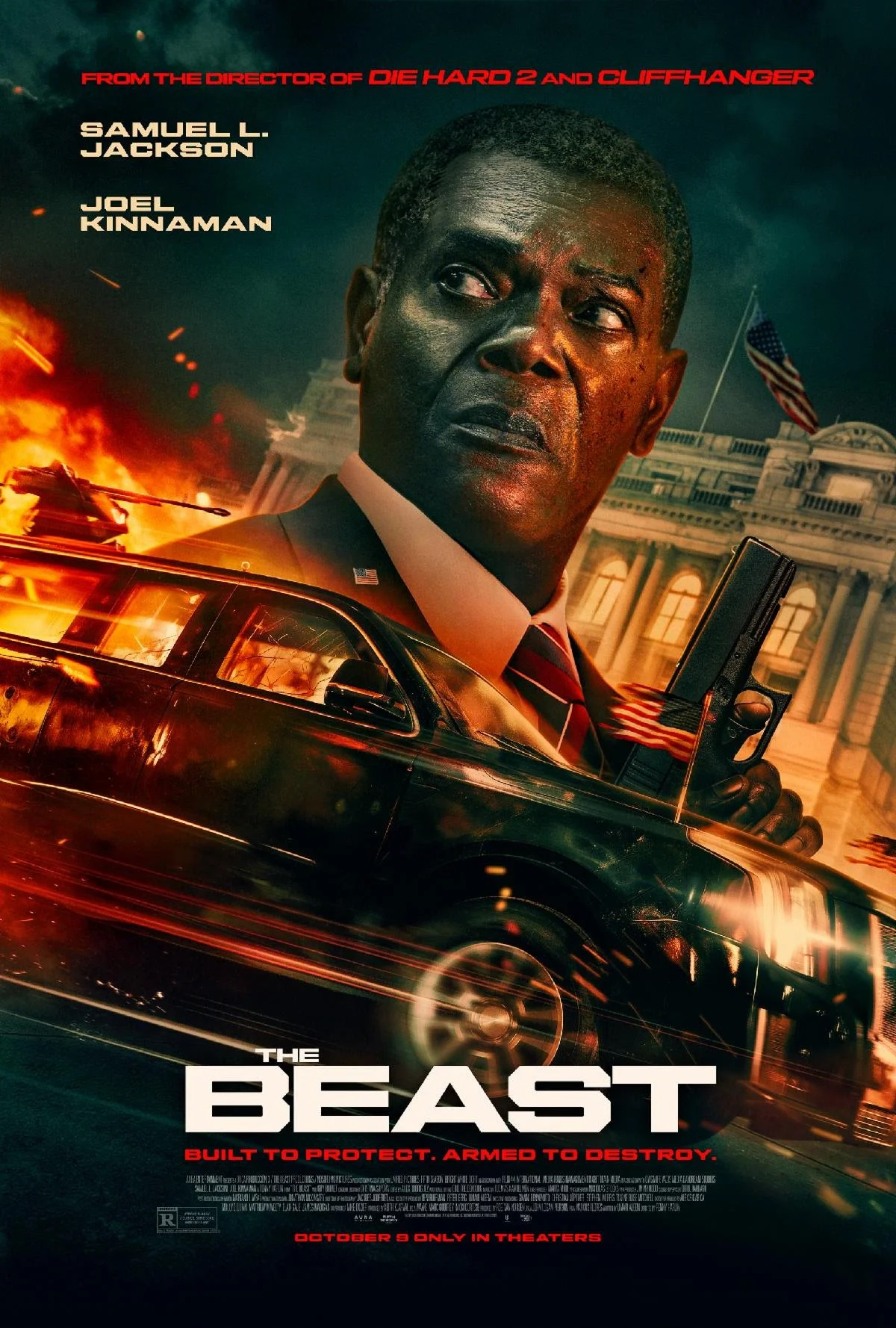
Over the last few decades, action suspense thrillers have given moviegoers some of cinema's most memorable adrenaline rushes. From the explosive spectacles of the 1980s to the political thrillers of the 1990s and increasingly ambitious blockbusters of the 2000s, the genre has evolved while developing a devoted following. Movies like "Die Hard," "Speed," and "Air Force One" proved that an impossible situation, a charismatic lead, and a little cinematic insanity can make for unforgettable entertainment. Although today's action films frequently compete to deliver the biggest spectacle, there's something satisfying about a movie that remembers how to make a straightforward premise exciting.
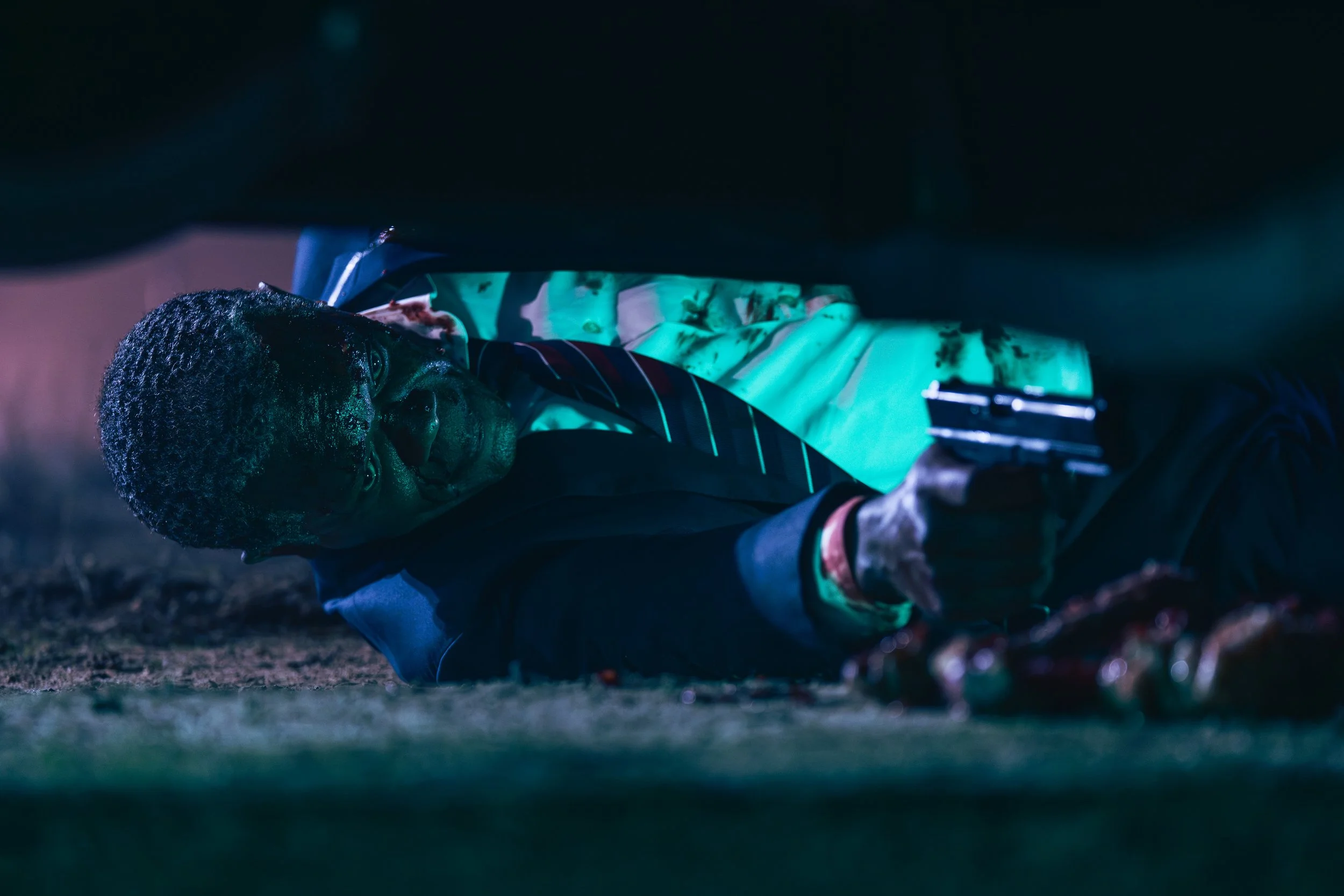
Recently, I had the opportunity to watch "The Beast," the latest action thriller from director Renny Harlin, and it certainly knows how to make an entrance. The film follows the President of the United States, played by Samuel L. Jackson, as a coordinated coup forces him behind the wheel of his heavily armored presidential limousine. With an injured Secret Service agent to protect, his wife to reunite with, and the country facing an unprecedented threat, the president must discover just how much firepower his supposedly secure transportation is hiding. What unfolds is a wildly entertaining 99-minute adventure that embraces its ridiculous concept with remarkable confidence.
One of the film's most refreshing qualities is its unusual approach to the presidential action thriller. Rather than watching the commander in chief issue orders from an underground bunker or rely on an army of bodyguards, we get a president forced to take matters into his own hands. This reversal creates an interesting dynamic between the enormous responsibilities of his position and the immediate dangers confronting him. The film also understands the appeal of its unlikely circumstances without attempting to disguise them as something more sophisticated. By embracing its combination of political intrigue, survival instincts, and inventive technology, "The Beast" establishes an identity that feels both nostalgic and refreshingly playful.
Then there's the limousine itself, which practically deserves its own billing. The Beast isn't simply a means of transportation; it's an armored fortress with an attitude problem. Its classified offensive capabilities transform an already imposing vehicle into something resembling a four-wheeled superhero. Imagine "Knight Rider" if someone injected the car with five tanks of NOS, eliminated its sense of self-preservation, and replaced David Hasselhoff with Samuel L. Jackson. Suddenly, protecting the leader of the free world becomes considerably louder, faster, and more entertaining. The vehicle has so much personality that it almost feels like another member of the cast, complete with surprises that make you wonder what other classified gadgets the government has been keeping to itself.
What I particularly appreciate is how the film incorporates personal stakes into a national crisis. The president's determination to protect his injured agent and find his wife gives the story a sense of purpose beyond preventing a political catastrophe. These relationships establish an emotional connection that makes the consequences feel more significant. Rather than treating every obstacle as another excuse for destruction, Umair Aleem's screenplay lets the characters' circumstances shape their decisions. It's a welcome reminder that even the most extravagant action movie benefits from giving its audience someone to care about.
Courtesy of Aura Entertainment
Jackson is perfectly suited for this particular brand of cinematic madness. His unmistakable authority, commanding screen presence, and sharp delivery make him a natural fit for a president who isn't interested in waiting around for someone else to save the day. What makes his performance especially enjoyable is the contrast between his character's political responsibilities and the increasingly dangerous situations he must navigate. He brings enough personality to the role to make even the film's most outrageous moments entertaining, without letting the character become a complete caricature.
The supporting cast also contributes considerably to the film's appeal. Joel Kinnaman brings a grounded intensity that complements Jackson's larger-than-life personality, helping maintain a sense of seriousness as events spiral out of control. Guy Burnet adds another dimension to the ensemble, reinforcing the uncertainty surrounding the unfolding crisis. Their performances help establish a believable human presence within a story that could easily have allowed its spectacular premise to overshadow everyone involved. It's encouraging to see a film that gives its supporting players room to contribute rather than simply positioning them around its biggest star.
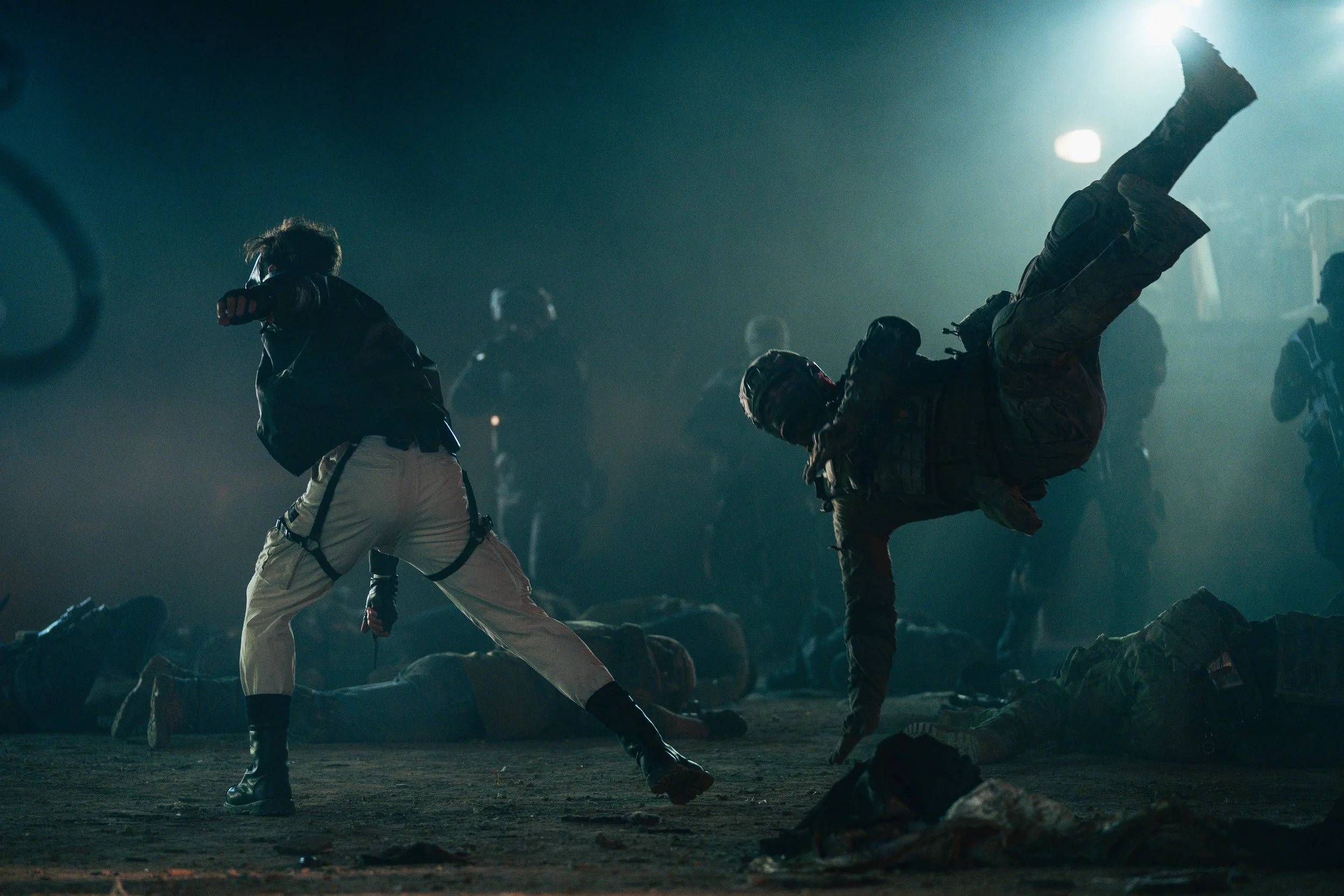
Visually, "The Beast" makes excellent use of its central setting. The cinematography captures the limousine's imposing physical presence while emphasizing the vulnerability of those trapped inside it. The contrast between the confined passenger compartment and the chaos unfolding beyond its reinforced windows creates a particularly effective atmosphere. The camera work also gives the action a welcome sense of scale, allowing the audience to appreciate the vehicle's movement and the surrounding danger. Instead of relying entirely on spectacle, the visual presentation helps communicate the characters' limited options as their circumstances become increasingly desperate.
Courtesy of Aura Entertainment
It's also great seeing Harlin stretching his action filmmaking muscles again, particularly with a story that gives him opportunities to explore suspense alongside the explosive set pieces he's known for. "The Beast" marks his fourth collaboration with Jackson, following "The Long Kiss Goodnight," "Deep Blue Sea," and "Cleaner." I know "Deep Blue Sea" is probably everyone's favorite collaboration between the two, but I've always had a slightly bigger soft spot for "The Long Kiss Goodnight." Harlin has always had a knack for staging memorable action while finding entertainment in situations that might seem completely absurd on paper. Here, his direction allows the uncertainty surrounding the coup to complement the physical danger, demonstrating that a well-timed moment of anticipation can be just as effective as an explosion.
Ultimately, "The Beast" is an energetic reminder of why action thrillers continue to attract audiences decades after their most influential classics. It combines a charismatic leading man, a memorable mechanical costar, and a director who knows his way around an explosive situation. The result is a thoroughly enjoyable ride that offers enough personality and tension to stand apart from the usual presidential rescue mission. "The Beast" doesn't need to reinvent the wheel. It just needs to armor it, weaponize it, and put Samuel L. Jackson behind it. “The Beast” is now available in theaters. Grab your tickets and enjoy this action thriller.
Whether it’s slashers in the woods, ghosts in the attic, or killers in the cornfield, ILHM Reviews brings you the frightful horror flick recommendations worth watching. Follow us on Instagram, be sure to listen to the"I Love Horror" podcast, and remember that if you’re a true fan of horror, every night can be a FRIGHT NIGHT!
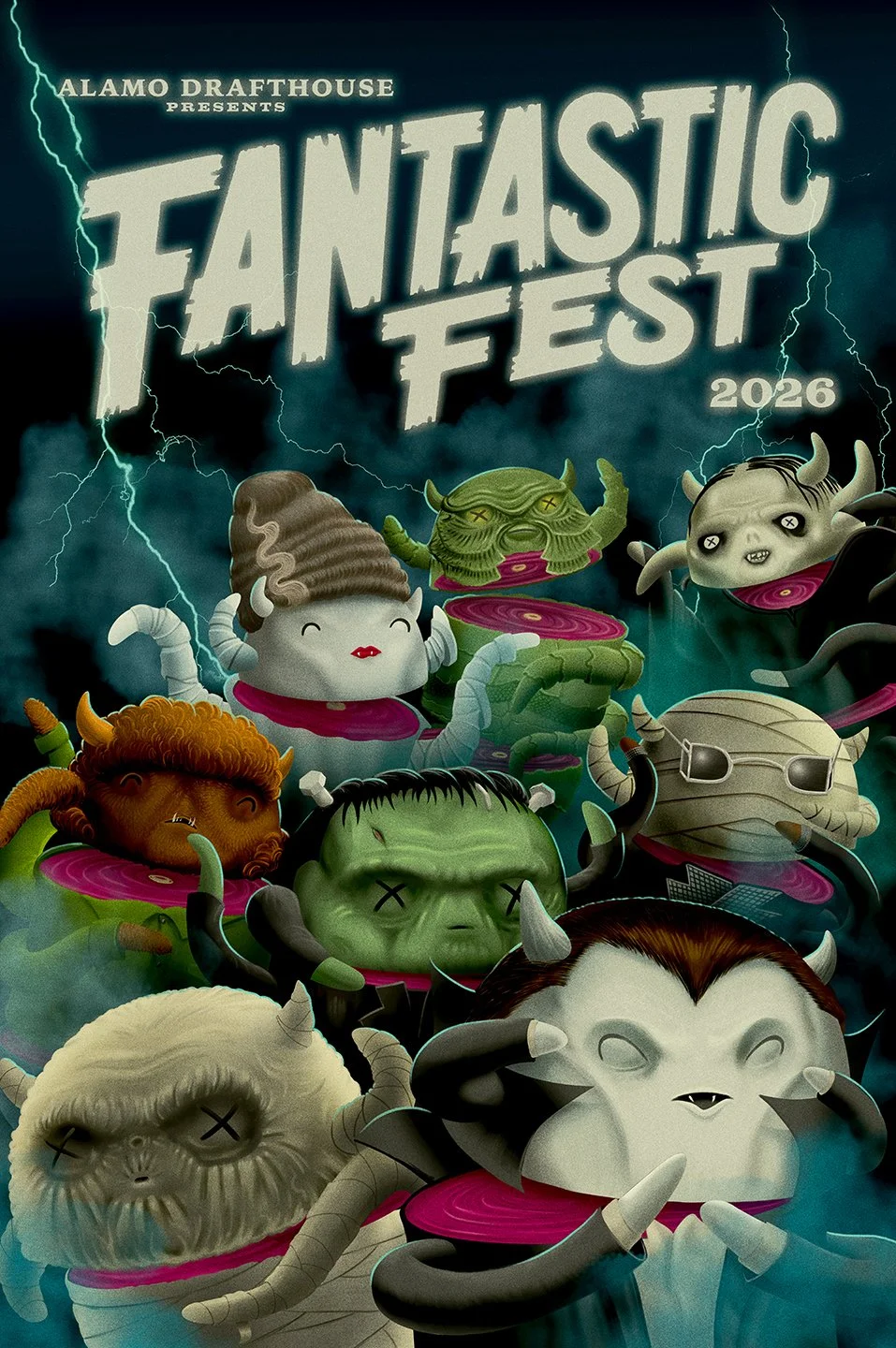
(REVIEW) FANTASTIC FEST 2026: Frights & Final Verdicts
Courtesy of Fantastic Fest
Horror season has reached its glorious peak, that wonderful stretch when skeletons become acceptable home décor and watching something deeply disturbing counts as a festive activity. Bringing its own brand of cinematic mayhem to the celebration, Fantastic Fest returned to Austin’s Alamo Drafthouse South Lamar from September 17 through 24, 2026. The annual genre festival brings together horror, science fiction, fantasy, action, and unconventional storytelling from around the world. For anyone whose idea of a good time involves leaving a movie with questions, goosebumps, or a slightly revised opinion of humanity, that is a pretty enticing invitation.
What I appreciate about a festival like this is the opportunity for discovery. Familiar names might attract attention, but an unfamiliar filmmaker with an ambitious idea can be just as compelling a reason to press play. Horror thrives on curiosity, and there is something refreshing about approaching a movie without already knowing its entire personality from months of marketing. My coverage this year focuses on three features and one short, with room for competitive ambition, conspiracy, family unease, and a camping trip that makes staying home sound downright adventurous. Here is a closer look at each, with my individual verdicts and ratings out of five.
Courtesy of IFC Entertainment
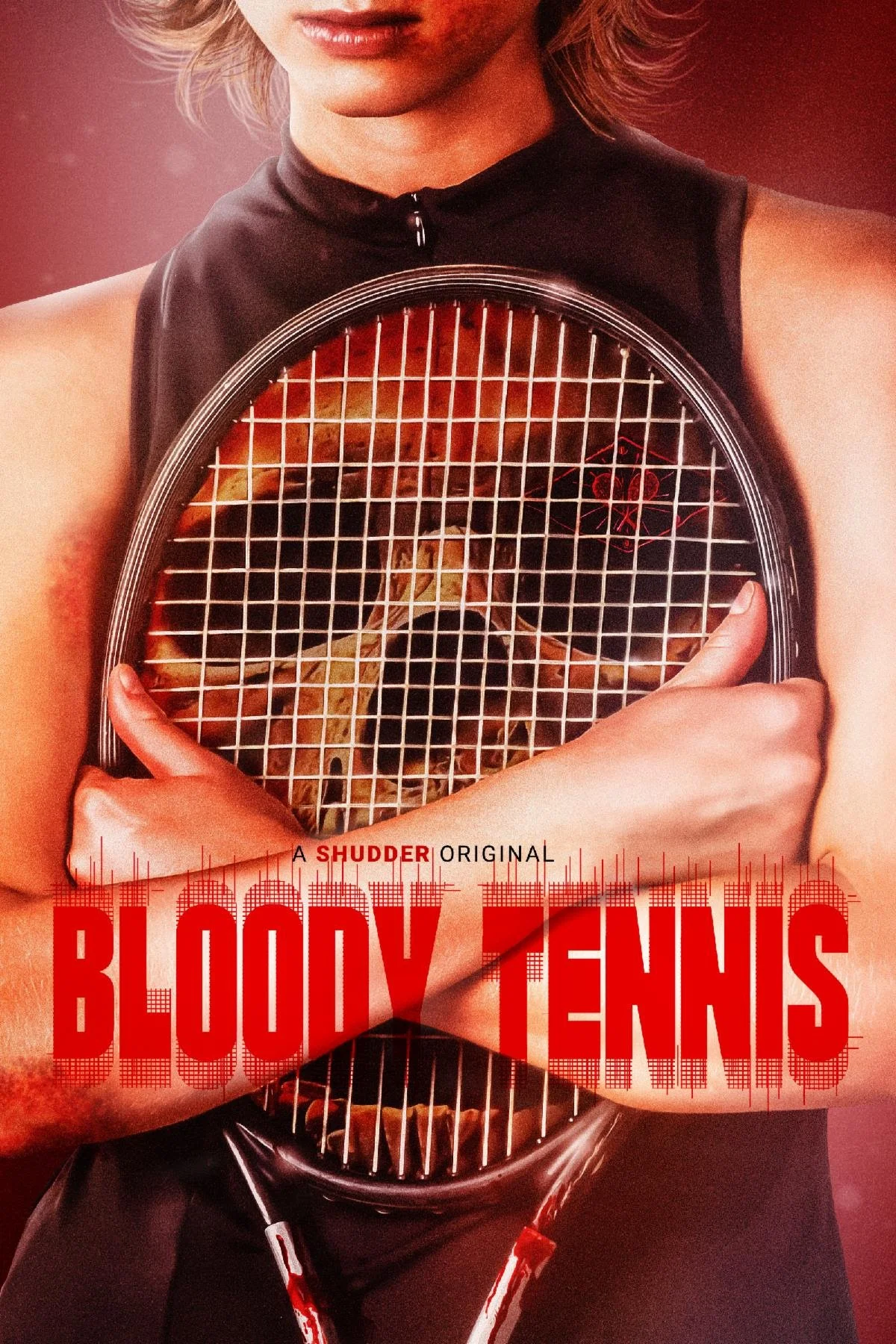
“Bloody Tennis”
Written and directed by Nikias Chryssos, “Bloody Tennis” stars Sandra Guldberg Kampp, Elina Löwensohn, and Tracy Gotoas. The story follows Sophie, a young player admitted to an elite European tennis academy, where greatness demands more than grueling practice and talented opponents. As the institution’s sinister nature emerges, her ambition comes into conflict with her relationships and empathy. Apparently, a decent backhand is only the beginning of the admissions requirements.
Competitive sports provide fertile territory for horror because the pressure already exists before anything overtly monstrous enters the picture. Approval, status, and the fear of becoming disposable can turn a coveted opportunity into a trap. That gives this premise a central question worth exploring: How much of yourself should success be allowed to cost?
My mini review:
Honestly, I was very impressed by this movie. Taking the concept of adding tennis as the motivator for blood, gore, and a devilish ambition to be the best is very compelling. The practical effects were spot on for what I would hope for in a movie like this, and the weird side storyline that cannibalism is involved was an interesting approach. Cannibalism is a hit-or-miss approach, but done successfully, it makes for a delicious part of any storyline (pun intended). Sandra Guldberg Kampp really stole the show for me. Her talent exceeded all my expectations, and she really ran with this character. She was perfect for this role, and I can’t wait to see what she does next. The only thing that didn’t make this truly a flawless movie was that I felt the story was a bit rushed. Was I enjoying it every step of the way? Yes, but it all just happened so quickly that I feel a much slower burn could have made this top tier to me. This movie is now available on Shudder and I highly recommend you give it a shot.
My rating: 4/5
Courtesy of Fantastic Fest
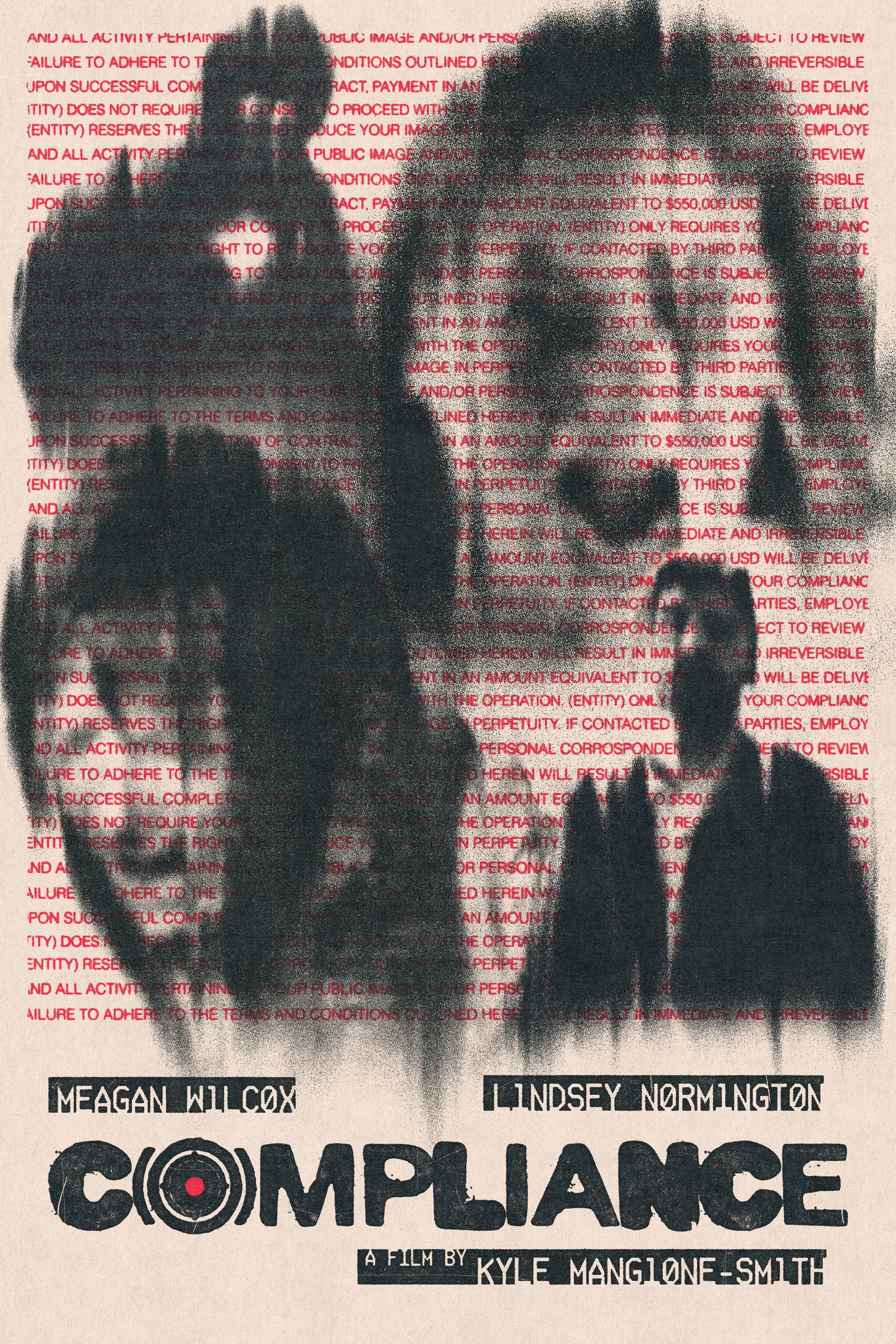
“Compliance”
Writer and director Kyle Mangione-Smith brings corporate damage control into dangerous territory with “Compliance,” starring Megan Wilcox, Lindsey Normington, and Charlie Wood. Sam Cornell works as a crisis manager for the technology startup UVisit. Assigned to handle the fallout from a sexual assault scandal threatening a major deal, she becomes entangled in a violent conspiracy involving a powerful organization. What begins as a professional assignment becomes a much more threatening struggle over control.
The premise places an uncomfortable contradiction at its center: protecting a company’s reputation and responding responsibly to harm are not necessarily compatible goals. That is meaningful territory for a thriller, particularly when institutional power can determine whose account receives attention. The question for the review is whether the film turns that tension into compelling drama.
My mini review:
If I could describe this movie in 2 words, it would be “Holy Shit!!”. This movie was so intense, thrilling, and took me on a ride I didn’t expect. I had no idea where this movie was going, and as someone who has seen so many movies in my life, plots become predictable. I thought I had this movie down, but then it takes a few hard shifts off the rails that I couldn’t even believe what I was watching. The filmmaking style was incredible. The cuts from security cameras, hidden cameras, and screen life filming were so cool to see cut all together. “Compliance” has a pretty incredible ending that you will not see coming. The main actress, Megan Wilcox had a lot to carry on her shoulders for this movie, being the main person we focus on (with a few side characters shining in their own ways), and she didn’t stumble once. Megan is someone who has a bright future in horror, thrillers, and honestly any damn thing she does. “Compliance” is a movie you’re not going to want to miss, so stay tuned for announcements when it is available.
My rating: 5/5
Courtesy of Fantastic Fest
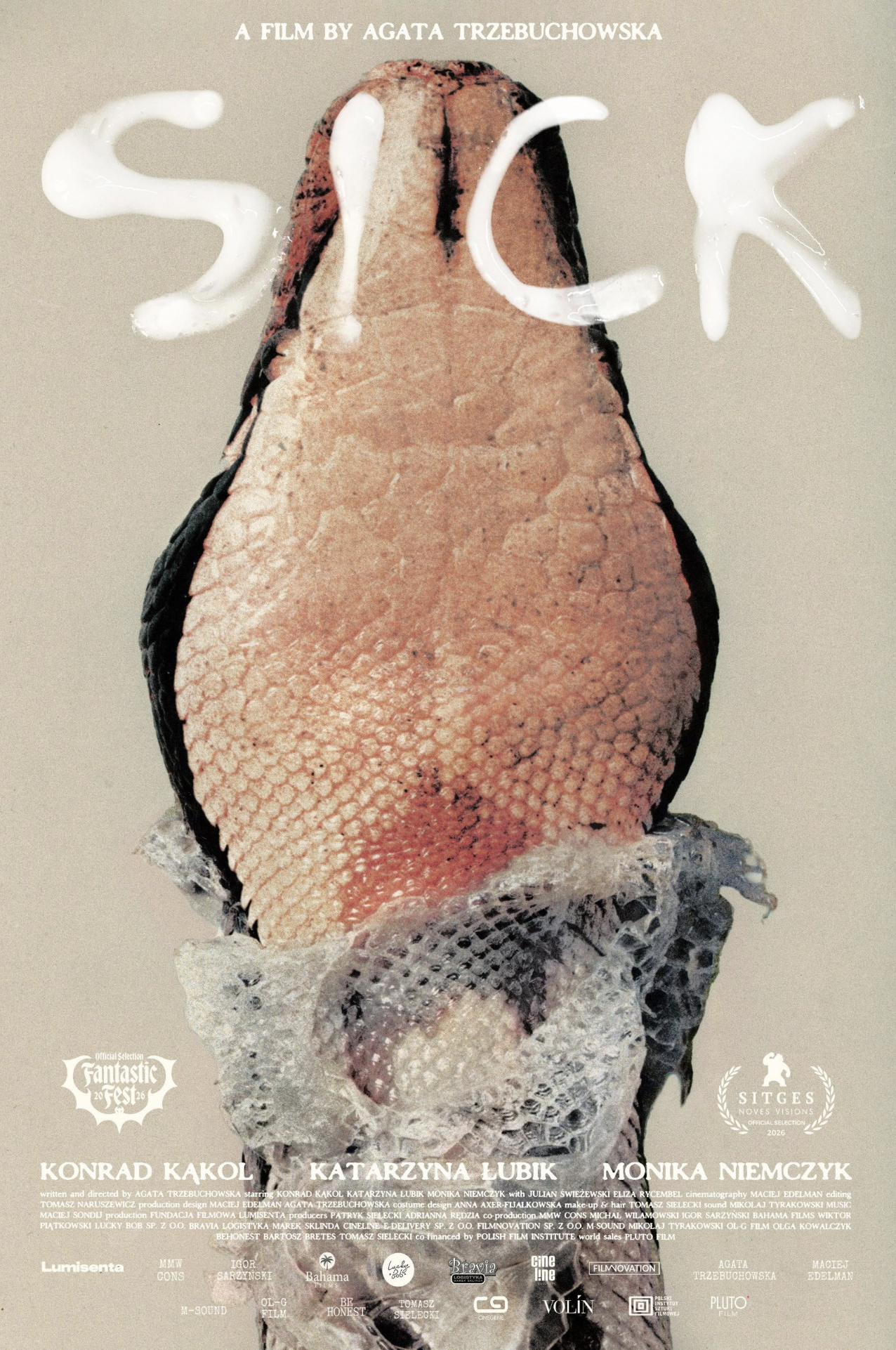
“Sick”
Written and directed by Agata Trzebuchowska, “Sick” features Katarzyna Łubik, Konrad Kąkol, and Monika Niemczyk. This Polish feature follows teenage siblings Maks and Emma as they spend the summer caring for their ailing grandmother in the countryside. Inside the increasingly oppressive household, troubling changes in their relationship unfold alongside their grandmother’s disturbing transformation. The story combines family obligations, forbidden desire, and the unease of approaching adulthood.
A remote setting can remove the usual distractions, leaving characters with feelings they would rather avoid. Here, the premise brings caregiving and adolescence into the same confined space, making the family home a source of uncertainty. It also presents a substantial storytelling challenge: difficult subject matter needs emotional specificity if it is going to do more than provoke.
My mini review:
“Sick” certainly lives up to its title. Imagine the incest and isolation of “The Blue Lagoon” colliding with “28 Days Later,” and you have an idea of what you’re getting into. That does not mean the movie is bad by any stretch. The plot intrigued me, the cast handled their roles well, and I loved the cinematography. Besides, I will always champion an indie horror movie in the woods, even when its family bonding makes me want to leave the campsite. The heavy emphasis on incest held me back from a higher rating, particularly that final shot as the camera ascends above the characters. I also wanted the scares to have a sharper edge. Still, I think it is worth watching, and if you enjoy it more than I did, that is great! Putting your art into the world takes courage, and I appreciate the filmmakers and everyone who helped bring this unsettling vision to life.
My rating: 2/5
Courtesy of IMDB
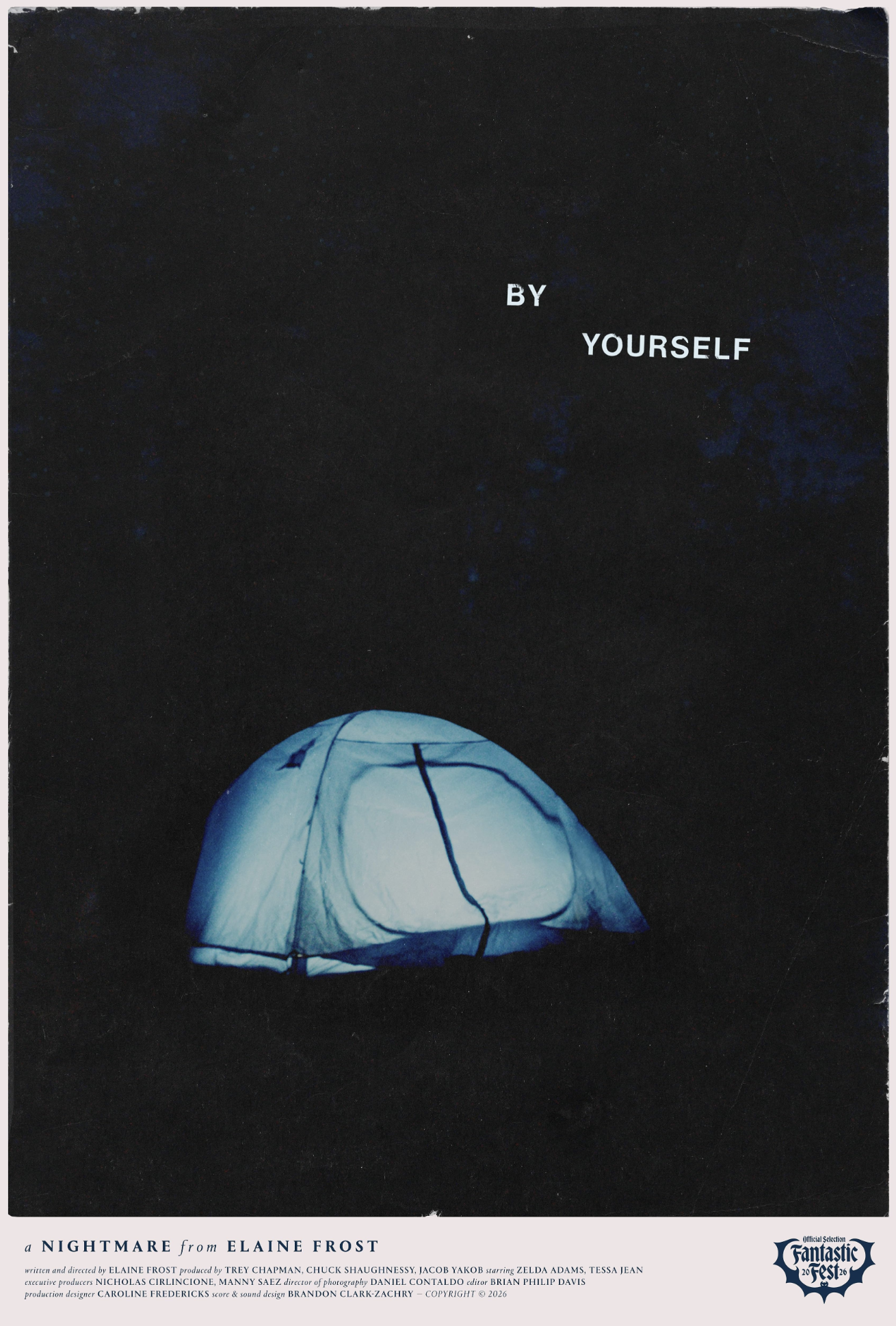
“By Yourself”
Written and directed by Elaine Frost, the short film “By Yourself” stars Zelda Adams and Tessa Jean. Following a breakup, Syl heads into the woods for a solo camping trip, hoping to disconnect and spend time with herself. That retreat takes an unsettling turn when she discovers a neighboring tent that was not there the previous night. So much for a peaceful reset. Sometimes the strongest argument against outdoor recreation is simply a horror synopsis.
Short horror deserves serious attention because its storytelling demands precision. There is limited time to establish a character, make an ordinary detail feel threatening, and deliver a payoff. A tent appearing nearby is a wonderfully economical starting point: nothing about the object itself is frightening, but its arrival changes the meaning of being alone.
My mini review:
“By Yourself” was a surprisingly great short that left me wishing for a feature. Following a breakup, the main character retreats into the woods, and her isolation pulls at your heartstrings while putting you in her shoes. Who hasn’t wanted to escape into nature, crank up those “baby, come back” tunes, and quietly sob after a relationship ends? No? Just me? What really elevated this one was the added threat of a terrifying creature. Confronting your emotions alone is difficult enough without something in the woods making itself your next problem. That unexpected dynamic gave the scares an extra kick and made the emotional vulnerability feel even more intense. I am absolutely rooting for this short to become a feature because, by the time it ended, I wanted more.
My rating: 5/5
These four films represent only the portion of Fantastic Fest I was able to review, with many more titles featured throughout the event. For me, its value lies in giving independent filmmakers a platform to demonstrate their abilities and show why their stories deserve an audience. Supporting indie horror also means recognizing the actors, editors, cinematographers, effects artists, and other collaborators who bring those visions to life. Buying a ticket, choosing a legitimate release, or sharing a thoughtful recommendation helps that work find people. Horror’s next exciting voice deserves someone listening.
Whether it’s slashers in the woods, ghosts in the attic, or killers in the cornfield, ILHM Reviews brings you the frightful horror flick recommendations worth watching. Follow us on Instagram, be sure to listen to the"I Love Horror" podcast, and remember that if you’re a true fan of horror, every night can be a FRIGHT NIGHT!
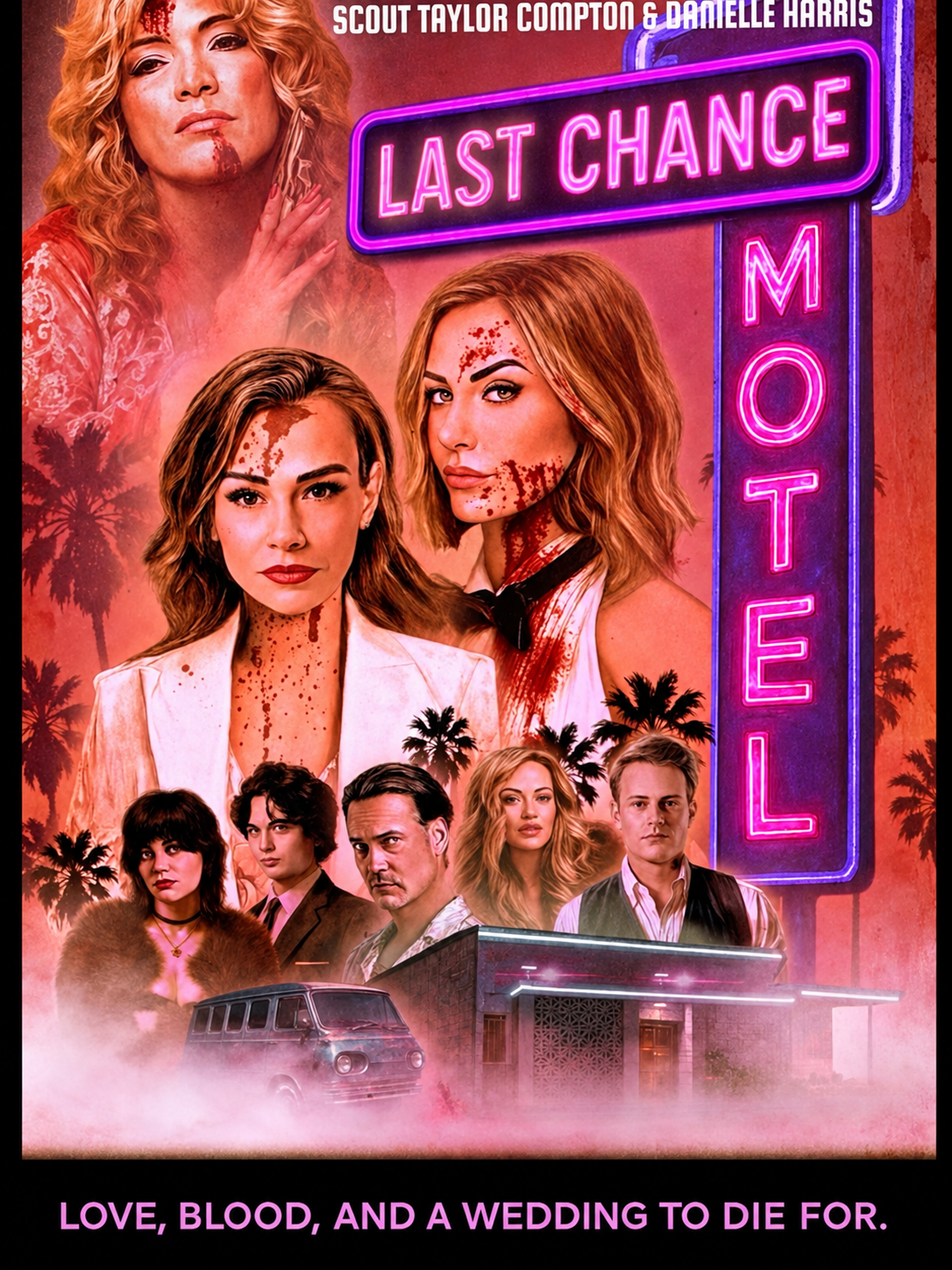
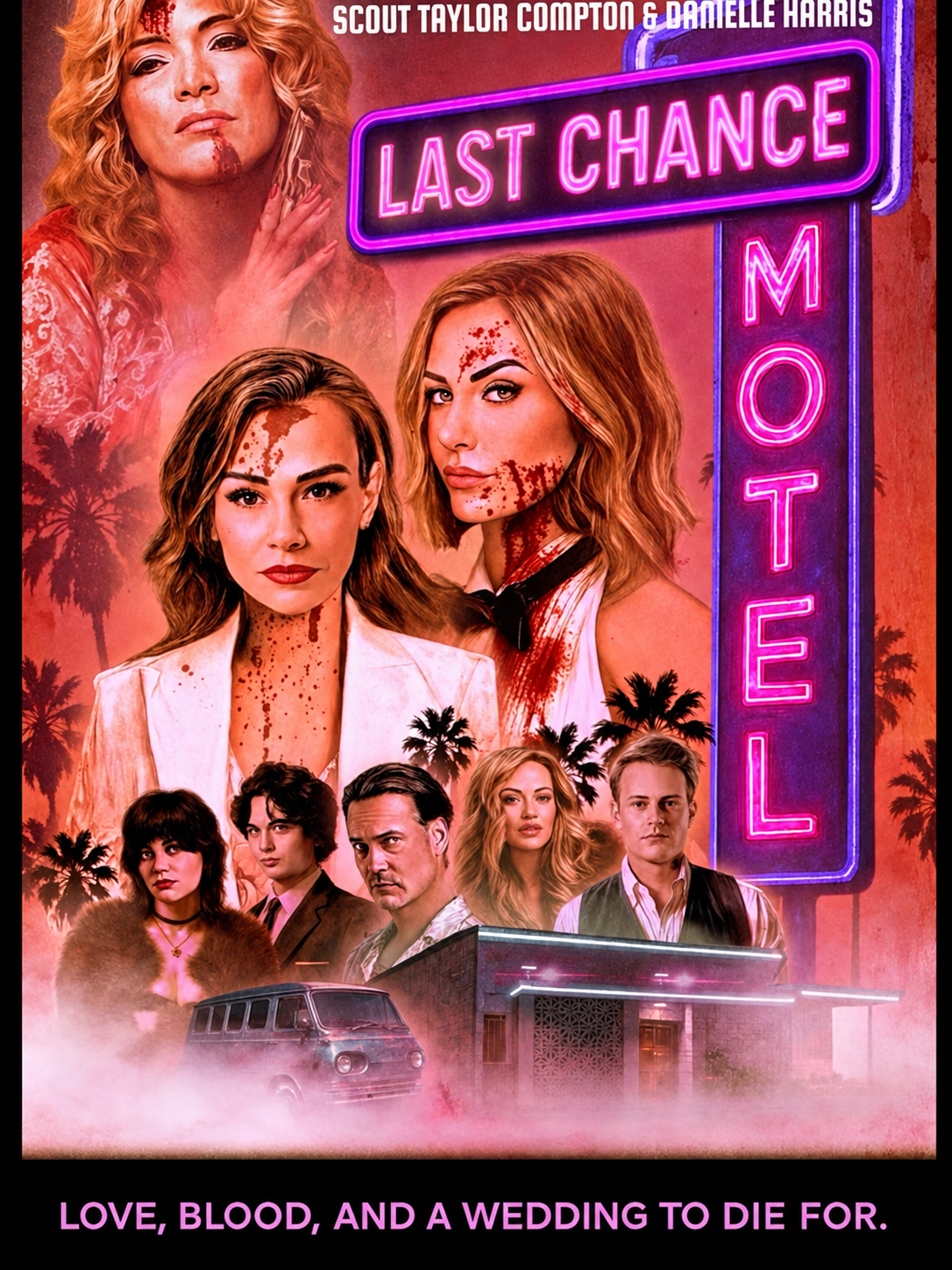
(REVIEW) “LAST CHANCE MOTEL”: Scream Queens Turn Girl Power into Gore Power
Courtesy of IMDB
The leaves are changing, the air is getting colder, and suddenly everyone wants a horror fan’s advice on what to watch. October is when the rest of the world catches up with those of us who celebrate spooky season year-round. I’m always happy to provide recommendations, especially when a movie gives me an excuse to bring together familiar faces, practical effects, and a wedding nobody should have put a deposit on.
Recently, I had the chance to check out “Last Chance Motel,” directed by Danielle Harris and Scout Taylor-Compton, who also star and co-wrote the film with Brandon Slagle. The story follows newlyweds whose celebration at a secluded Nevada motel becomes a fight for survival when they discover the family running the place has some murderous intentions. Finding the right wedding venue is stressful enough without wondering whether your vows will be your last words. These two longtime scream queens take that anxiety somewhere considerably bloodier, turning girl power into gore power along the way.
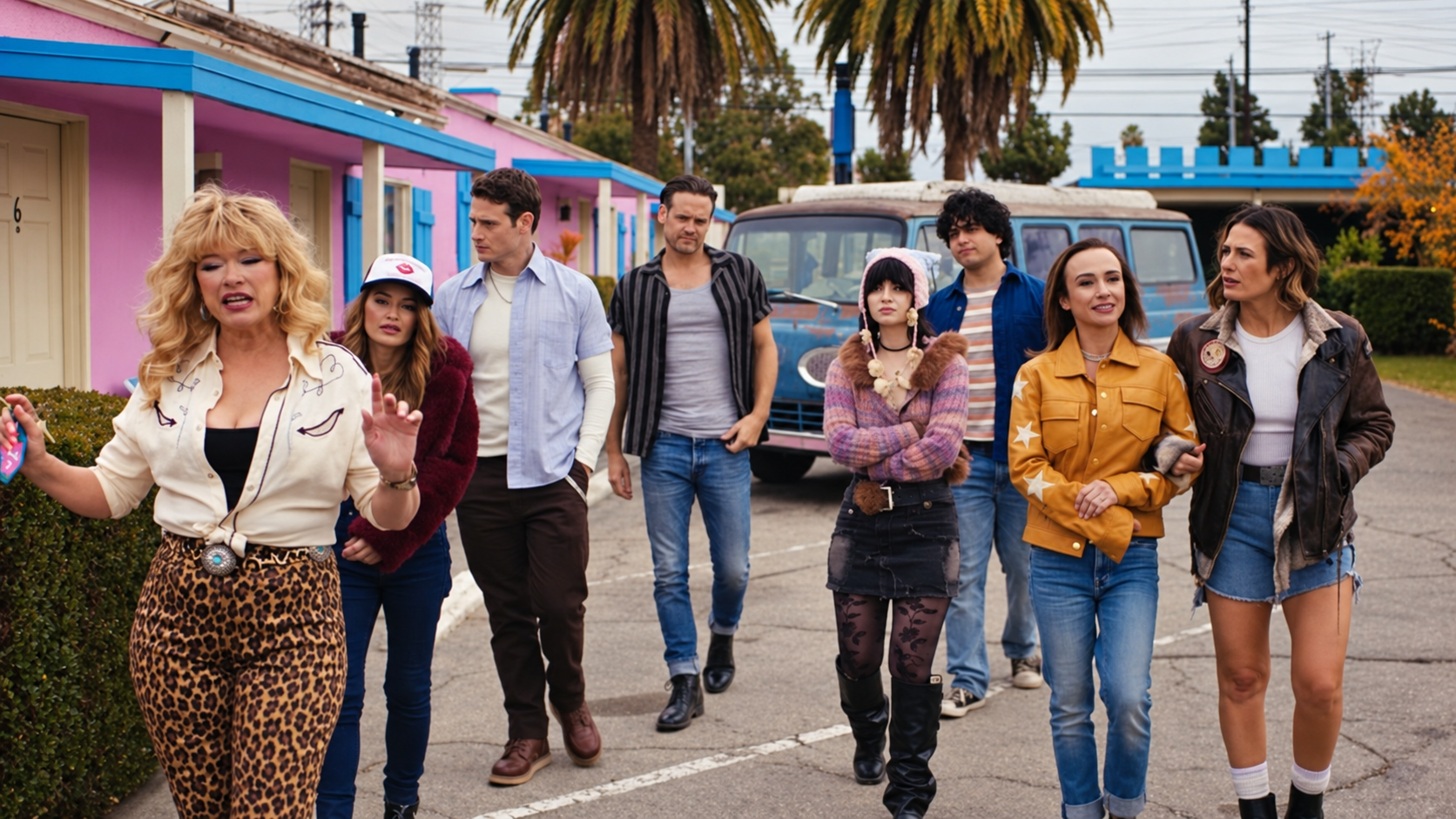
The supporting cast gives horror fans plenty of reasons to check in. Heather Langenkamp, best known for “A Nightmare on Elm Street,” joins Monica Keena of “Freddy vs. Jason,” Zachary Roozen, Shane West, Sierra McCormick, Robert Allen Mukes, and Tyler Gallant. It is an impressive gathering of talent, but recognizing the names is only part of the appeal. The enjoyment comes from seeing these performers share the screen in a story that gives them room to embrace its increasingly outrageous situations.
Langenkamp is a particular highlight as a former showgirl, a role that offers a welcome departure from the resourceful final girl many of us first met on Elm Street. The pleasure isn’t simply seeing her again; it’s watching her inhabit a different kind of character. Her performance was one of the things I enjoyed most, and it gives longtime fans another reason to appreciate what she brings to the genre beyond her most familiar role.
That sense of discovery extends to Harris, Taylor-Compton, and Keena. Their horror histories bring a certain familiarity, but I enjoyed watching them work within this story rather than simply waiting for reminders of their previous films. The ensemble adds personality to the mayhem, giving the movie more to offer than a collection of recognizable names and bloody effects. Having performers you want to watch matters, particularly when their surroundings become this unpleasant.
The practical effects and gore deserve attention of their own. A grotesque game of chance and an inventive use of a wedding decoration were among my favorite touches, though I would rather let viewers discover the details themselves. These moments give the violence a mischievous streak that suits the premise. Wedding imagery comes with so many expectations of romance and celebration that turning it into something gruesome feels especially nasty. Apparently, there are worse things to worry about than an embarrassing toast.
Courtesy of IMDB
As the second act grows more chaotic, the film keeps finding opportunities to play with that contrast. The atmosphere, escalating mayhem, and enthusiasm of the cast help make the experience enjoyable. There are nods to familiar horror favorites, but the wedding setting gives the filmmakers an entertaining space to arrange their own carnage. The details that stayed with me were the ones that made this celebration feel distinctly, horribly wrong.
The inspiration behind the movie makes that premise even more enjoyable. During my interview with Harris, she explained that the idea grew out of Taylor-Compton’s search for a wedding venue and a concept she brought to her. I love that an ordinary part of planning a wedding could lead to this particular nightmare. Most people tour a potential venue and consider the seating arrangements. Horror filmmakers apparently have a few additional questions about what the space could accommodate.
I still approach movies just the way I did as a kid spending what little allowance money I had: with pure excitement to experience a brand-new movie. I want to discover something worth recommending, whether it’s a memorable performance, an inventive scare, or a practical effect that makes me wince. What scares or entertains us is subjective, but those discoveries keep me coming back. “Last Chance Motel” gave me several, with Langenkamp’s performance and the wedding-themed nastiness standing out most.
Harris and Taylor-Compton’s affection for horror comes through in the finished film. Their collaboration draws on the genre they have spent years working in while giving them an opportunity to shape the experience from behind the camera. It left me curious about what they might create together next. For viewers who enjoy familiar horror faces, practical gore, and a premise willing to get its hands dirty, this motel is worth a visit.
“Last Chance Motel” is available through Prime Video, Fandango at Home, and BloodStream. If your October watchlist has room for a bloody wedding nightmare, consider checking in. Just don’t volunteer to help with the decorations.
Whether it’s slashers in the woods, ghosts in the attic, or killers in the cornfield, ILHM Reviews brings you the frightful horror flick recommendations worth watching. Follow us on Instagram, be sure to listen to the"I Love Horror" podcast, and remember that if you’re a true fan of horror, every night can be a FRIGHT NIGHT!
(REVIEW) “DON’T MOVE” (2026) Turns Nature Into a Nightmare
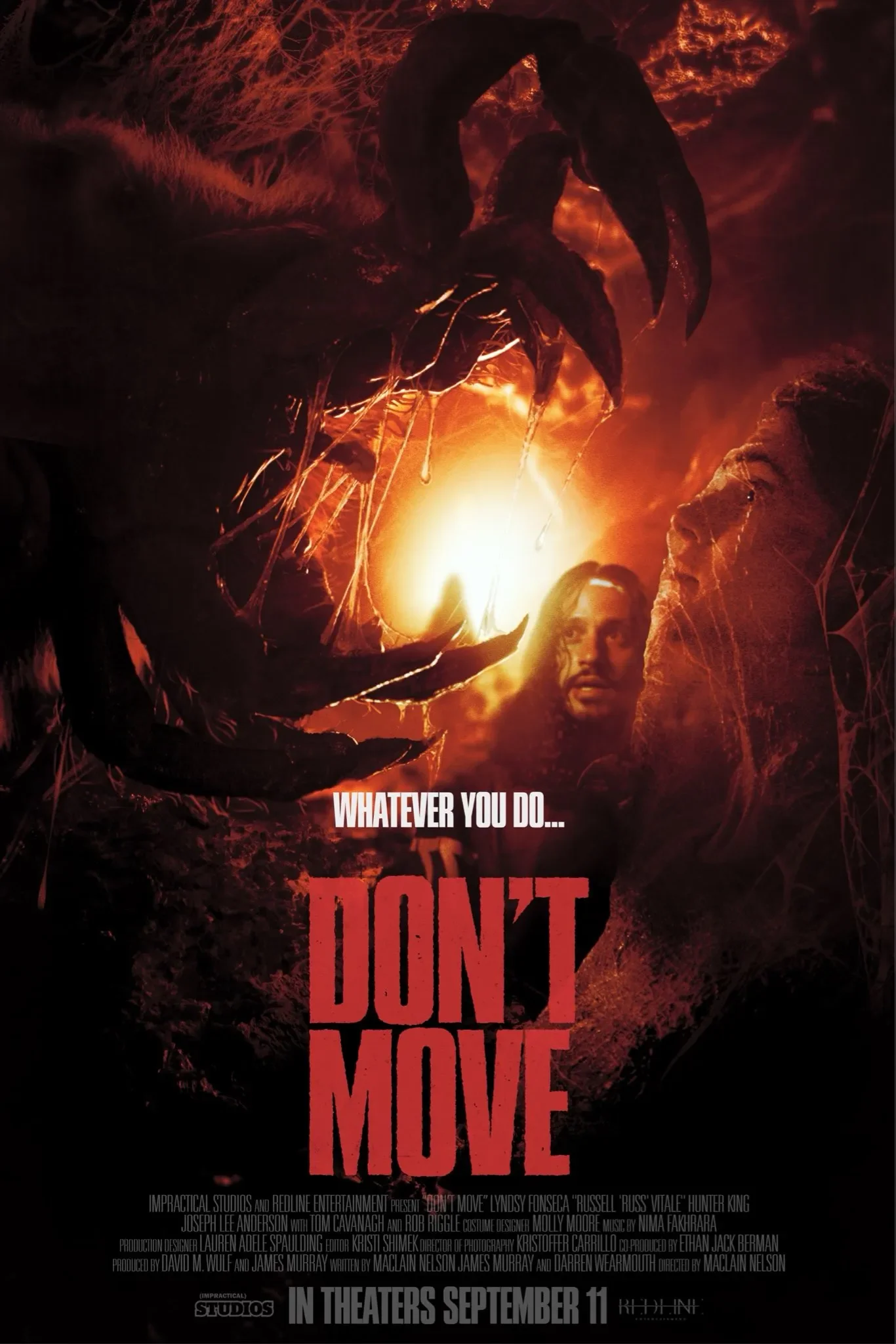
Courtesy of Impractical Studios
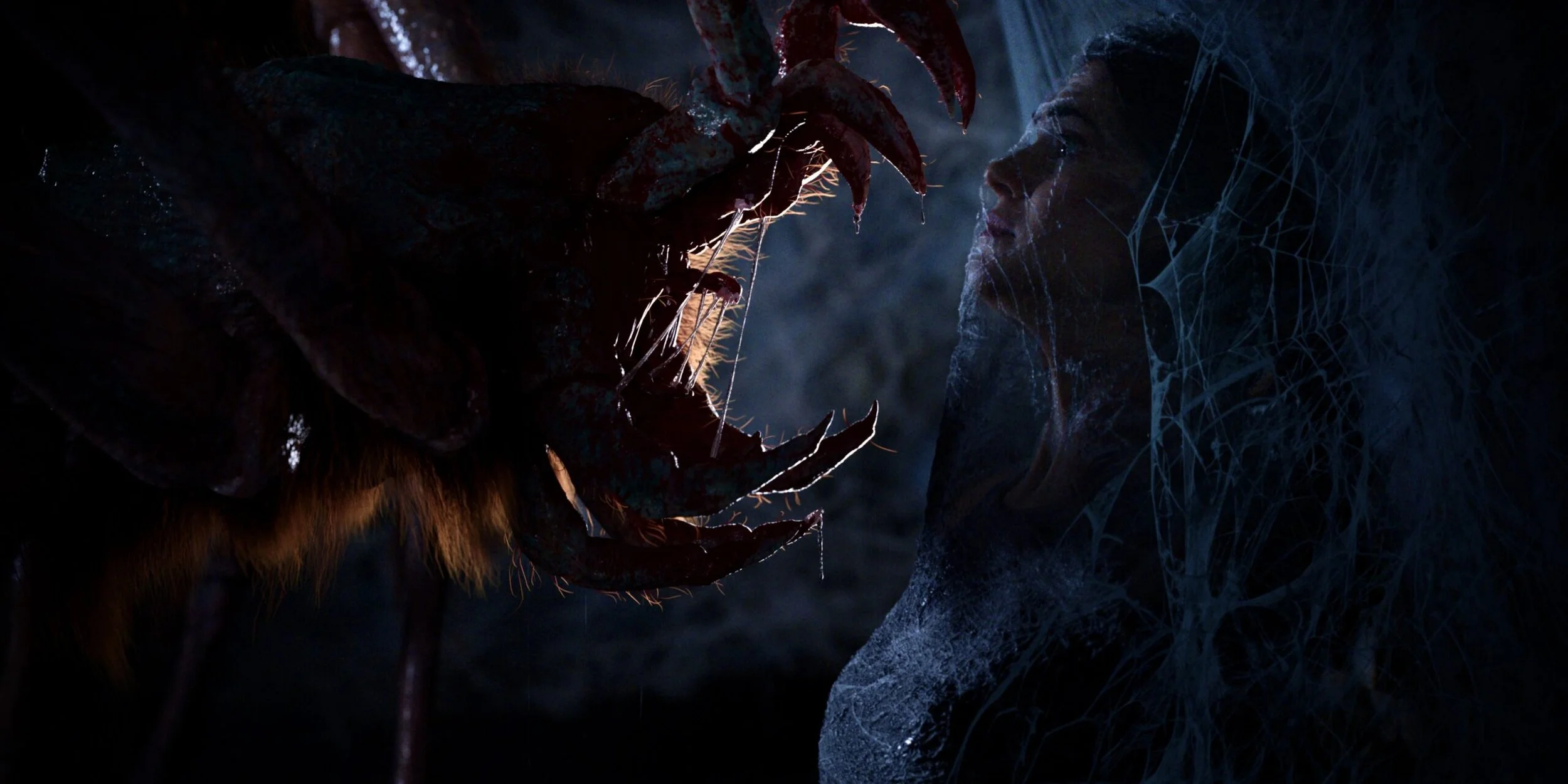
Some horror movies make you afraid of the dark. Others make you reconsider camping. “Don’t Move” makes a convincing argument that the outdoors should require a liability waiver. Beautiful, emotionally gripping, and armed with an eight-legged reason to vacation indoors, this movie gave me everything I wanted as a fan of the book, plus a compelling reason to keep my feet off the floor.
Having loved the novel by James “Murr” Murray and Darren Wearmouth, I was eager to see their nightmare brought to life. Their vivid world-building and talent for turning suspense into terror had already made the story a favorite. So when Murr joined me on the I Love Horror Podcast and told me he thought the movie was even better than the book, I had questions. How do you top a story that already had my imagination working against me? After watching it, I understood his confidence.
Directed by Maclain Nelson, “Don’t Move” follows a church group whose wilderness retreat becomes a desperate fight for survival against a monstrous prehistoric spider. At its center is Megan, played by Lyndsy Fonseca. The opening establishes the tragedy shaping her journey with an emotional impact that lasts long after the scene ends. Before the film makes you fear for her life, Fonseca makes you feel the weight of it.
Her range truly commands the spotlight. She moves from sorrow to flashes of humor with an ease that makes Megan feel like a whole person. In one particularly striking scene, fear and frustration boil over until she is screaming into the woods, refusing to let the nightmare win. That defiance feels earned, the furious release of someone who has endured far too much. Fonseca makes vulnerability and strength exist in the same moment. She is the kind of badass you want by your side when disaster decides you’re the main course.
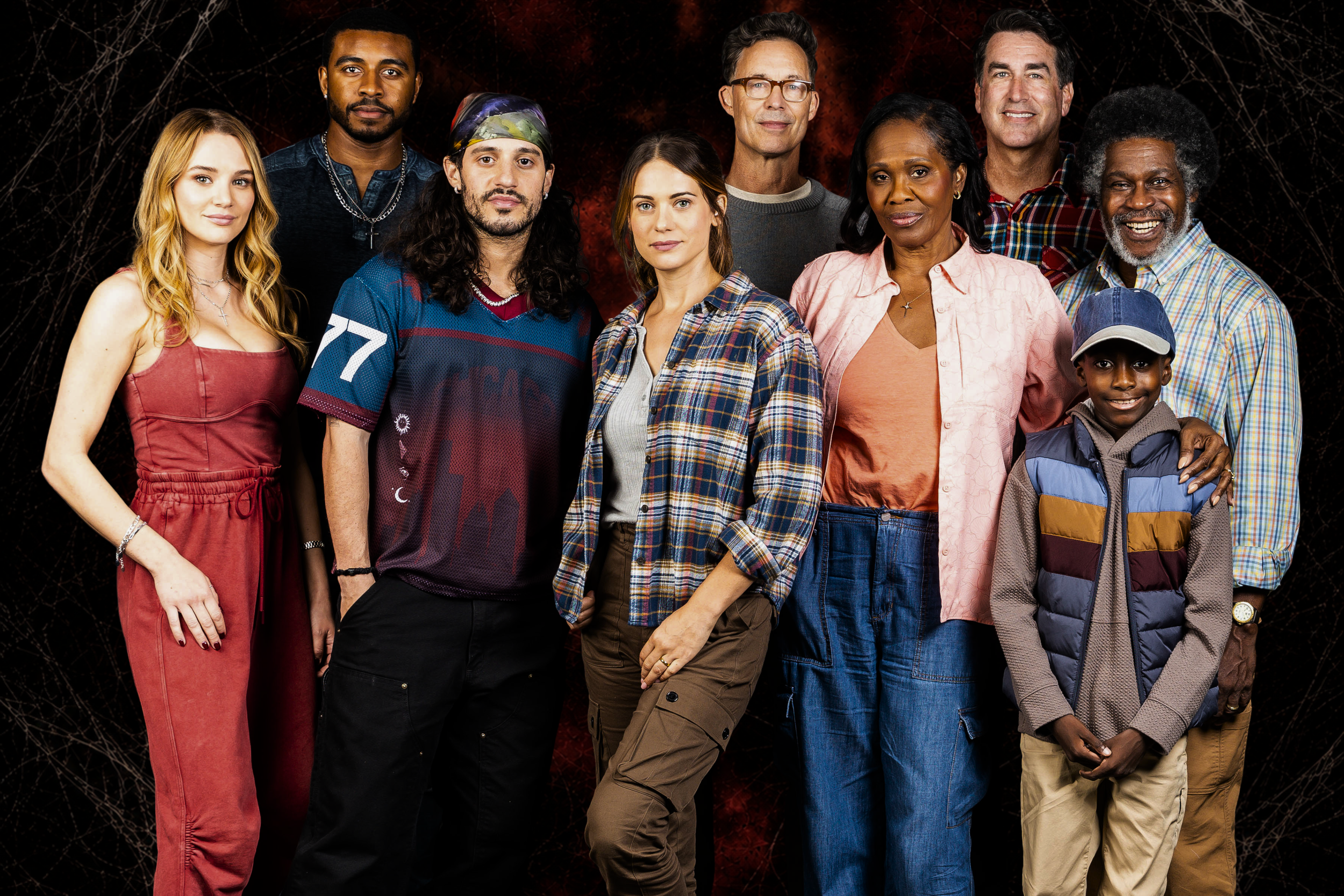
The ensemble plays off one another so naturally that I could believe Murray and Wearmouth had based their characters on this cast. Their interactions deepen Megan’s journey, allowing room for humor and connection alongside her grief. Those moments suggest that tragedy can change your life without claiming every part of it. Finding a reason to smile does not mean you have forgotten your pain.
Tom Cavanagh gives Pastor Rizzo a presence that helps hold these personalities together, while Rob Riggle, as Paul DeLuca, makes a wonderfully goofy counterpart. Riggle’s comic energy plays beautifully against Cavanagh, creating some of the group’s most enjoyable exchanges. Their dynamic establishes the familiar rhythm of an outing with people whose quirks you know all too well.
Russell “Russ” Vitale brings quick wit and arrogant charm to Ricky Vargas, then finds the humanity beneath the bad boy’s attitude, making his character arc especially satisfying. His friction with Ryan Stark, played by Joseph Lee Anderson, is another highlight. Anderson gives as good as he gets, and their constant needling feels completely natural. Apparently, even a giant spider cannot persuade these two to postpone their beef.
Courtesy of Impractical Studios
Anderson also shares believable chemistry with Hunter King, who plays Ryan’s girlfriend, Emma Rizzo. Their relationship feels comfortable rather than forced, giving us another connection worth rooting for. King makes Emma’s fear and determination feel simultaneous, showing how much courage it takes to help someone else when you are terrified yourself.
Dee Freeman and Mark Eugene Vaughn radiate warmth as Maryanne and Jim Winston, with Patrick Bippus rounding out their trio as their grandson, Connor. Their chemistry is so authentic that the actors disappear, leaving behind a believable, loving family unit whose bond is so endearing that you immediately find yourself desperate to see them emerge from the chaos unscathed.
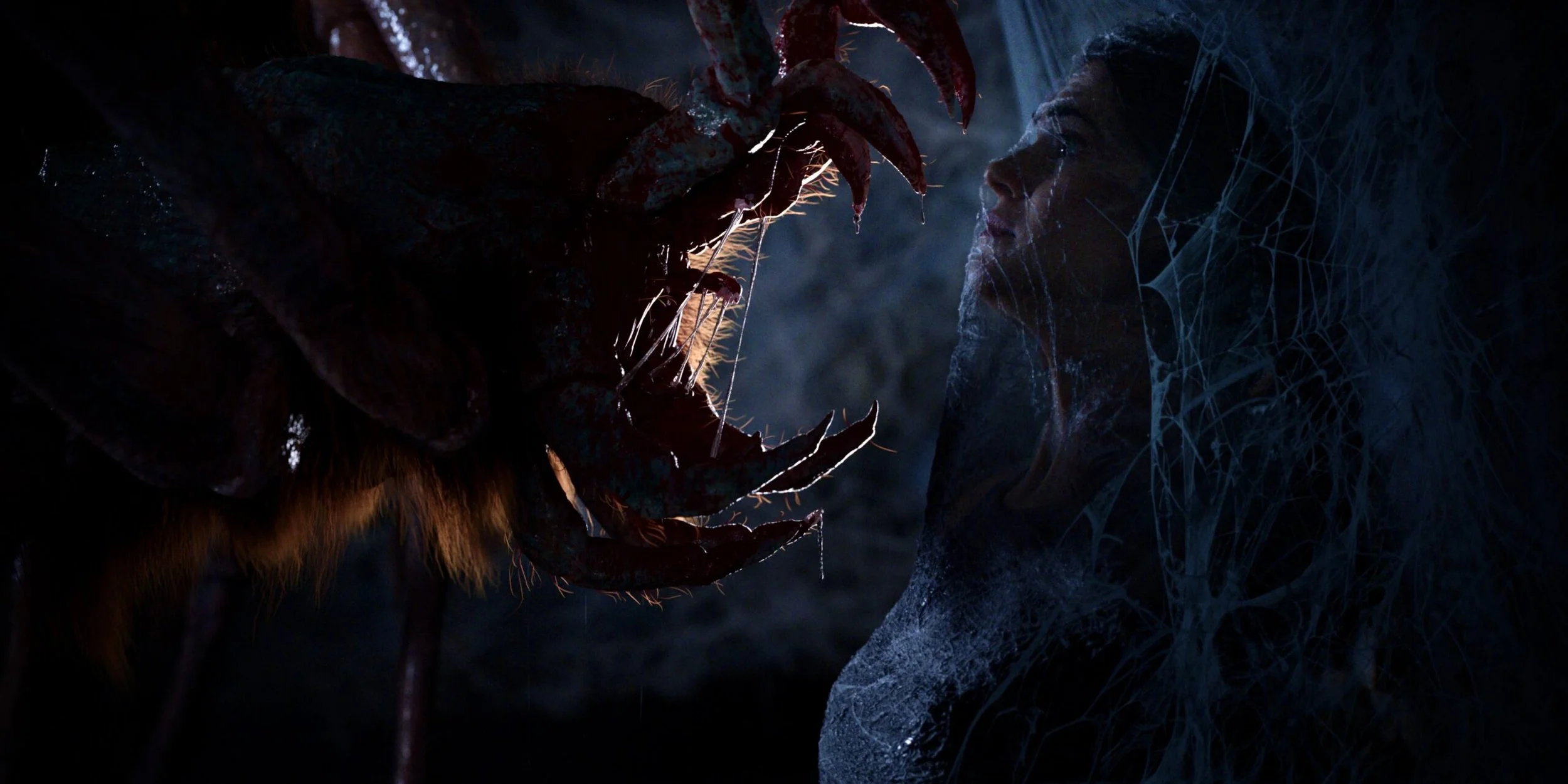
Visually, the film is equally impressive. Kristoffer Carrillo’s cinematography captures landscapes so stunning that I briefly wanted to experience them myself. “Don’t Move” makes you want to step into the scenery, then sprint straight back out of it. The beauty serves the horror wonderfully, making somewhere so inviting become a place you desperately want everyone to escape. Then there is the spider, a creature that makes “getting closer to nature” sound like a threat. “Don’t Move” makes taking on a dinosaur from “Jurassic Park” sound like the better vacation. At least that disaster had a visitor center.
Courtesy of Impractical Studios
Once the nightmare takes hold, the film transforms into a relentless roller coaster of dread, disbelief, and desperate hope. Every potential escape route seems to introduce yet another reason it might fail, until survival feels like an unreasonable request. Because the film makes you genuinely care about these characters, it feels deeply inconsiderate that they are trapped in a movie where a monstrous spider sees them as little more than a quick lunch. Murr’s on-screen cameo earns a welcome grin, while the brief appearance of his book, “You Better Watch Out,” provides a delightful treat for fans—though, under these specific circumstances, the title certainly qualifies as essential travel advice.
The finale had me leaning forward, desperate to know what would happen and nervous about finding out. It sustains that suspense through the closing stretch, delivering one last reason this nightmare will stay with me. I will leave the details safely in the woods, where you can discover them for yourself.
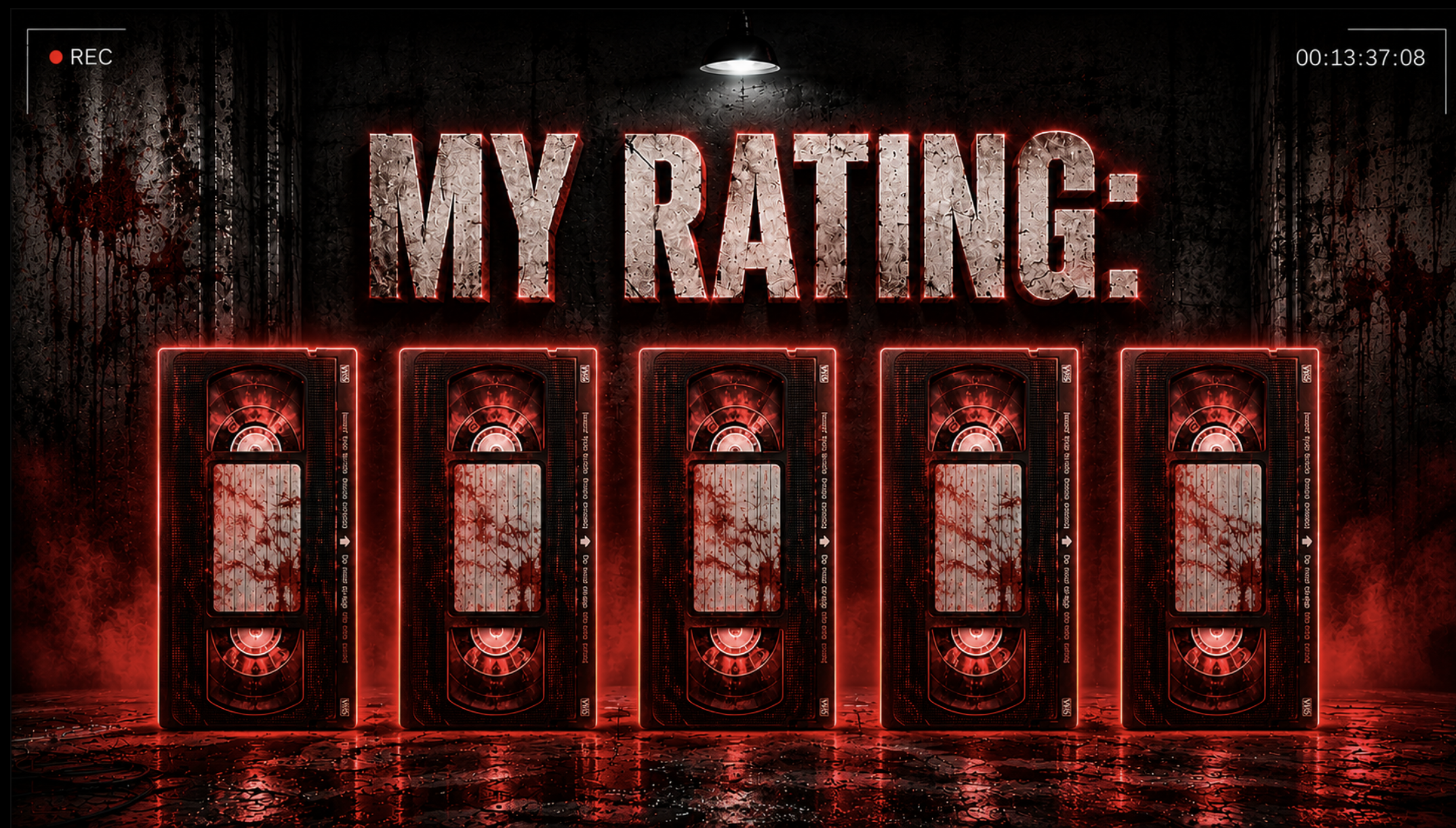
This movie gets a 5 out of 5 TERROR TAPES. If it wasn’t obvious, I loved “Don’t Move.” The book gave these characters a place in my imagination; the movie gave me even more reason to fear for them. It rewarded my attachment to the novel while delivering its own exhilarating experience. You can preorder “Don’t Move” now ahead of its October 13th VOD release. No matter how beautiful the great outdoors might be, this movie will have you trading your tent for a classy hotel, room service, and a wildly unreasonable supply of bug spray.
Whether it’s slashers in the woods, ghosts in the attic, or killers in the cornfield, ILHM Reviews brings you the frightful horror flick recommendations worth watching. Follow us on Instagram, be sure to listen to the"I Love Horror" podcast, and remember that if you’re a true fan of horror, every night can be a FRIGHT NIGHT!
(NEWS) FOUND TV’s Occult October Summons New Found Footage Nightmares
Courtesy of FOUND TV
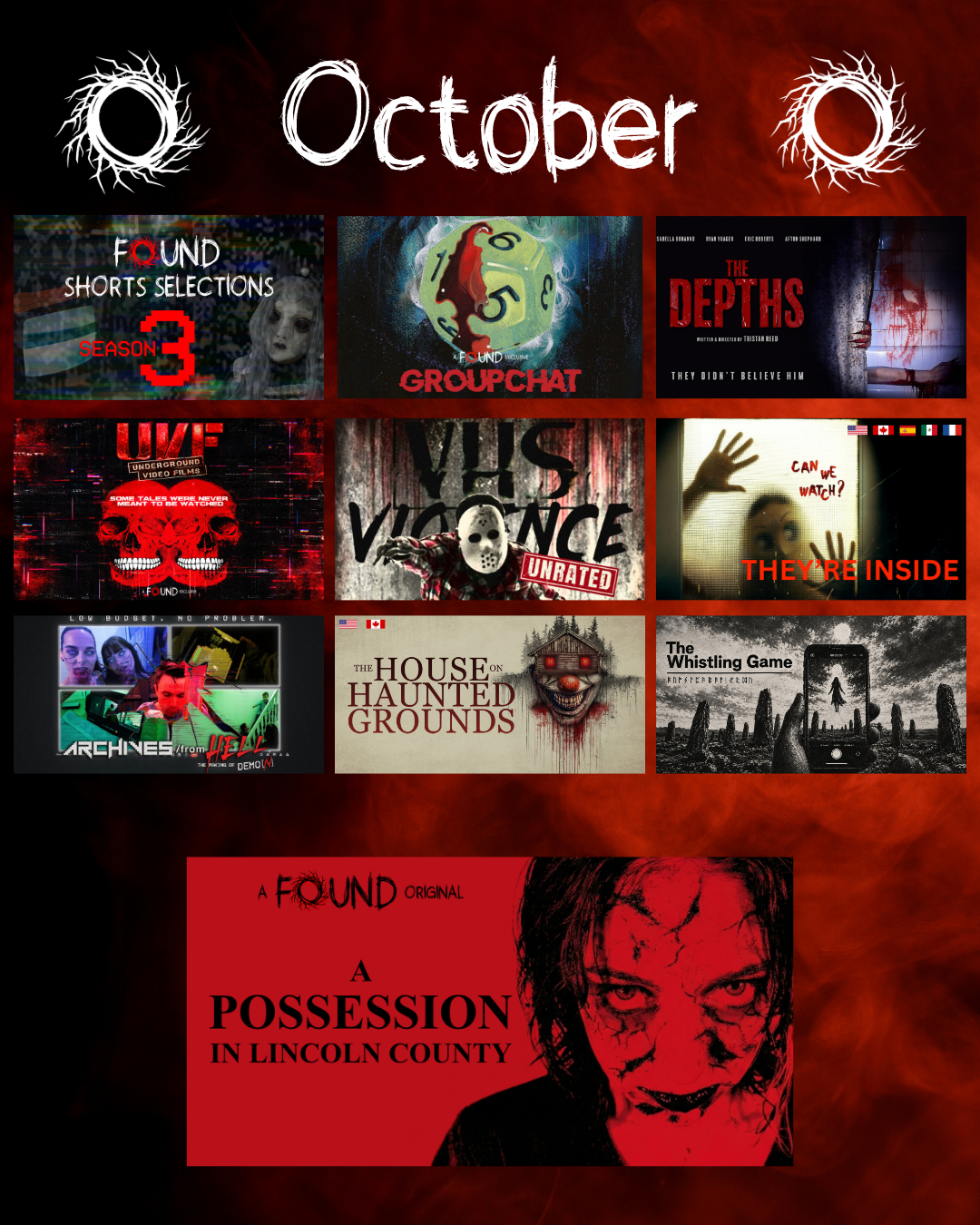
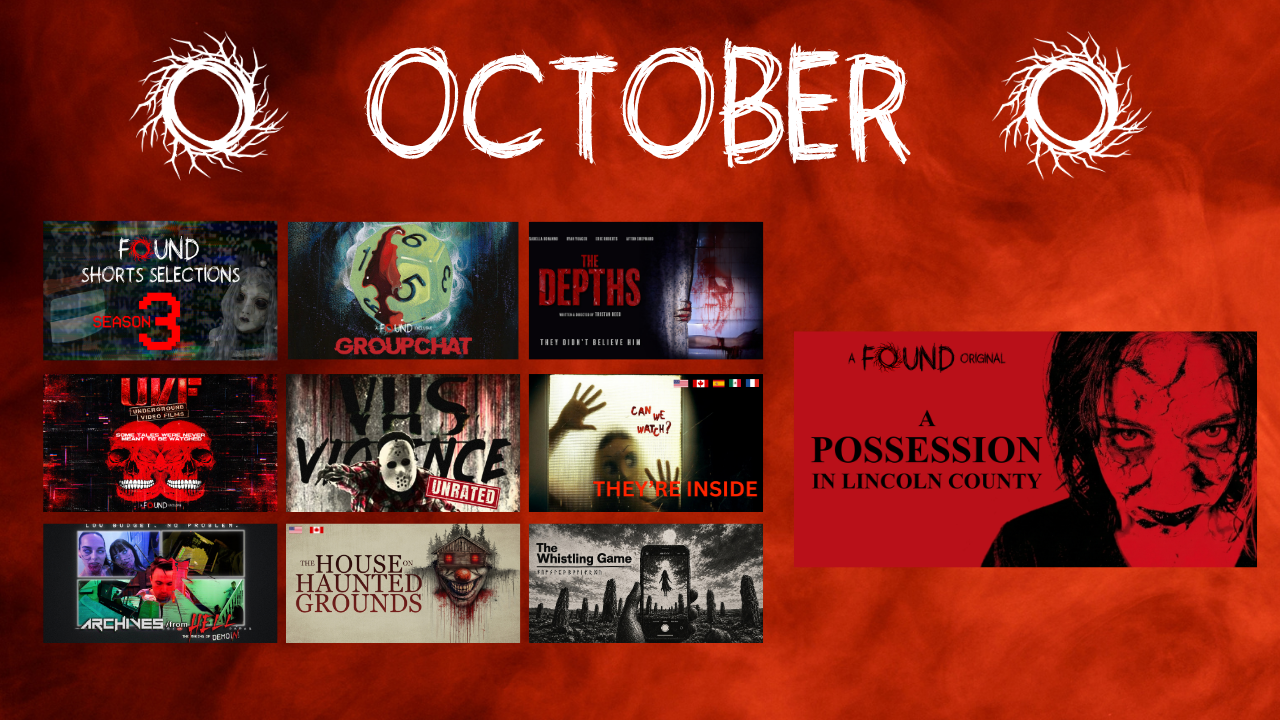
The nights are getting longer, the lawns are filling with headstones, and suspicious noises are finally considered seasonal ambiance. The Halloween is finally here! While most of us horror fans keep the darkness comfortably furnished 365 days a year, I love watching everyone else step into the shadows and pretend they aren’t checking the locks afterward. I’m equally excited for FOUND TV’s Occult October releases, with more unsettling viewing to work into an already ambitious watchlist. If you’re planning your own evenings in the dark, here’s what’s coming and when to mark your calendar. Mark your calendars for these releases:
Courtesy of Found TV
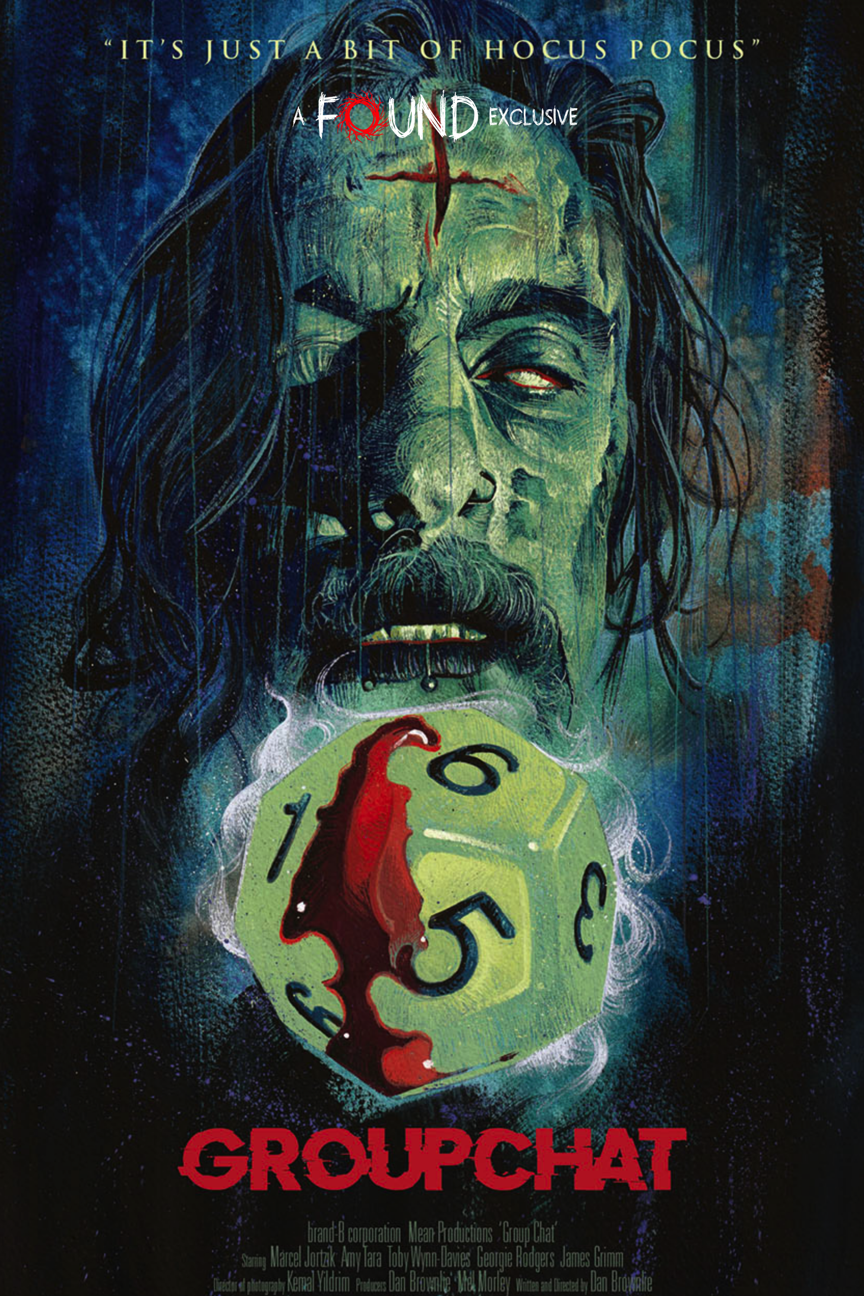
October 2 - FOUND EXCLUSIVE “Groupchat” (2026): After a long absence from games, master Dean and a group of friends return online to play a role-playing game called Necromancer. His newly curated campaign becomes more eventful than planned.
Courtesy of Found TV
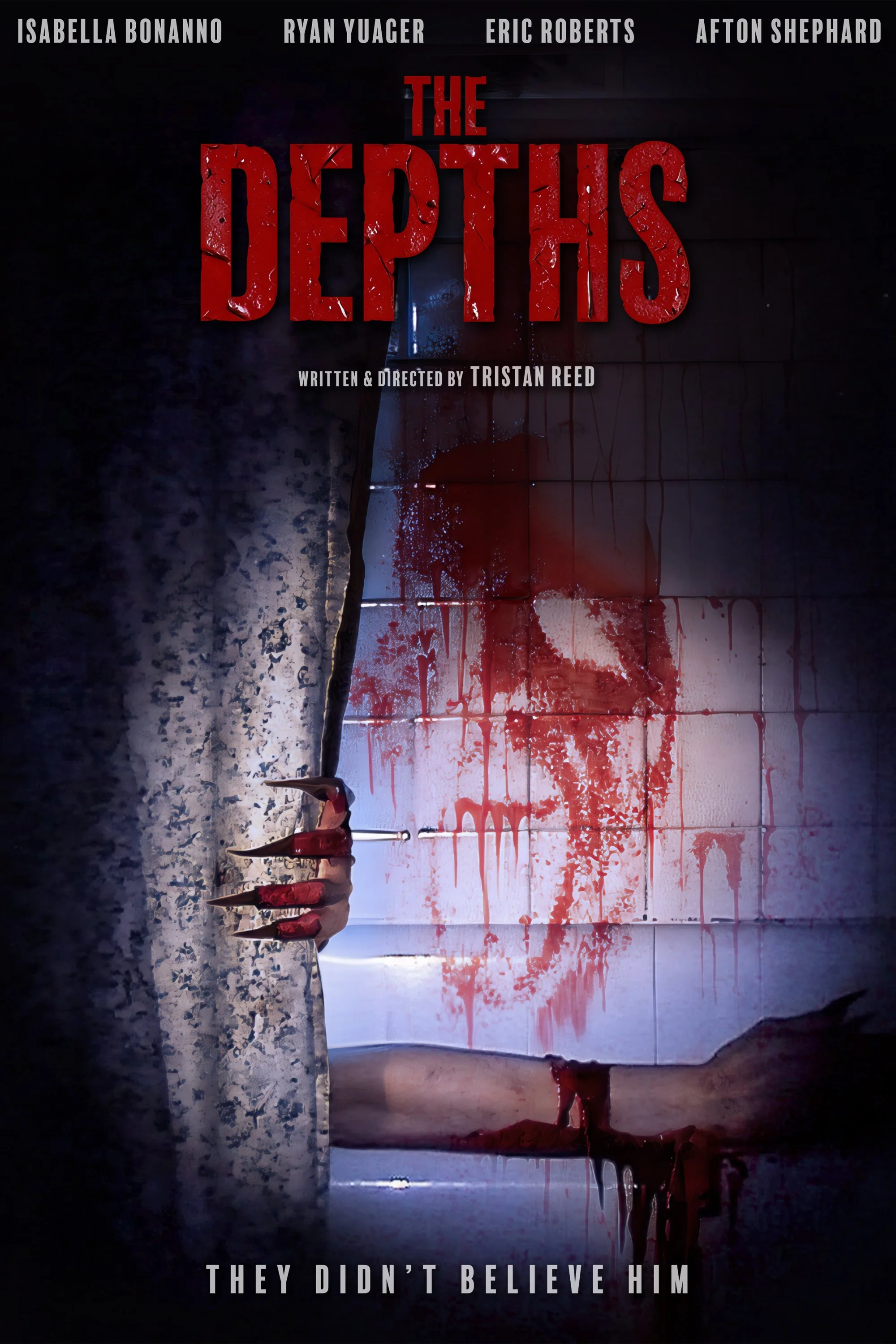
October 6 – “The Depths” (2024): After a brother and sister achieve astral projection, the footage they capture reveals the malicious effects of their family trauma.
Courtesy of Found TV
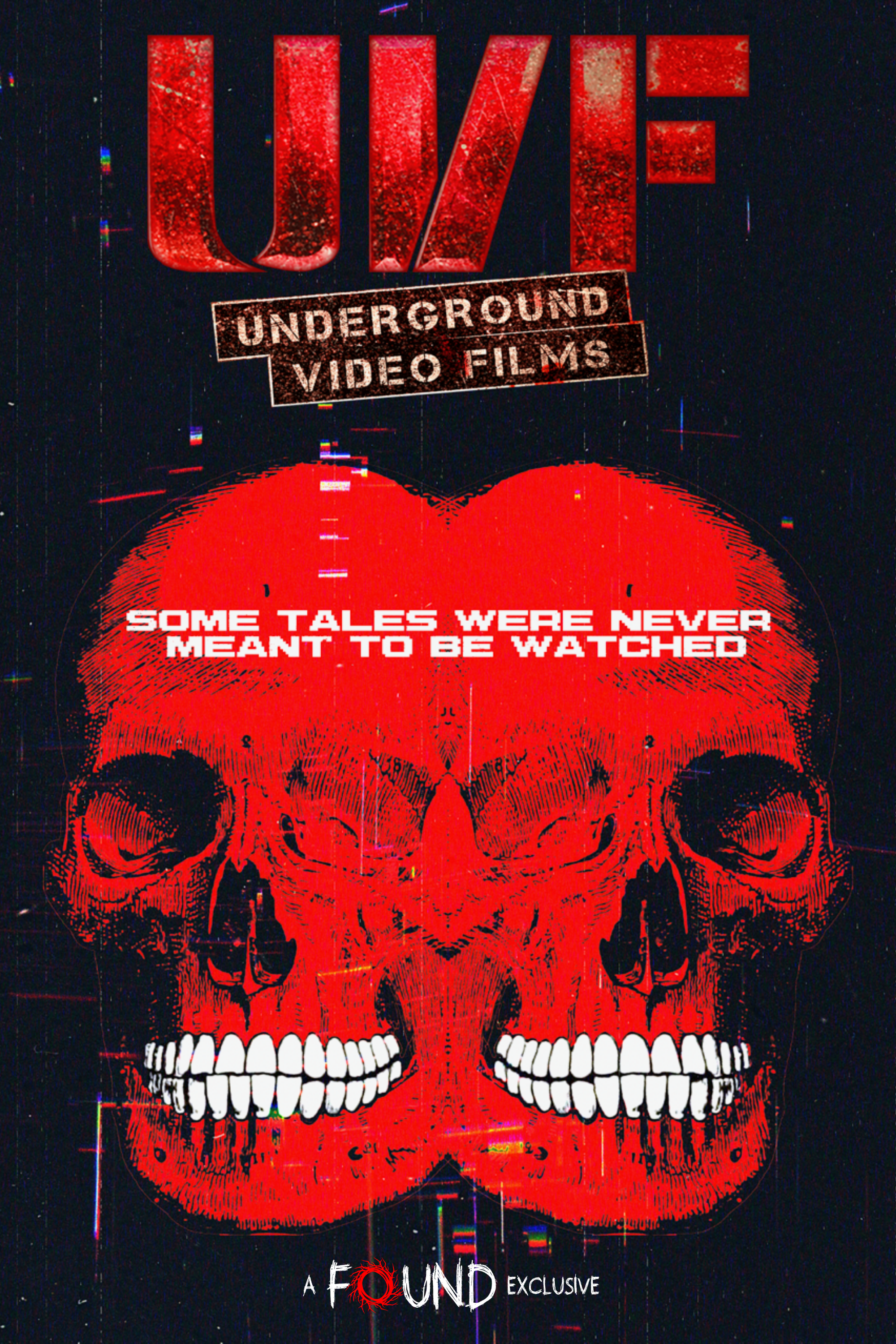
October 9 - FOUND EXCLUSIVE: “U.V.F: Underground Video Films” (2026): Presented as a forbidden TV broadcast, this horror anthology revives unsettling short films from around the world.
Courtesy of Found TV
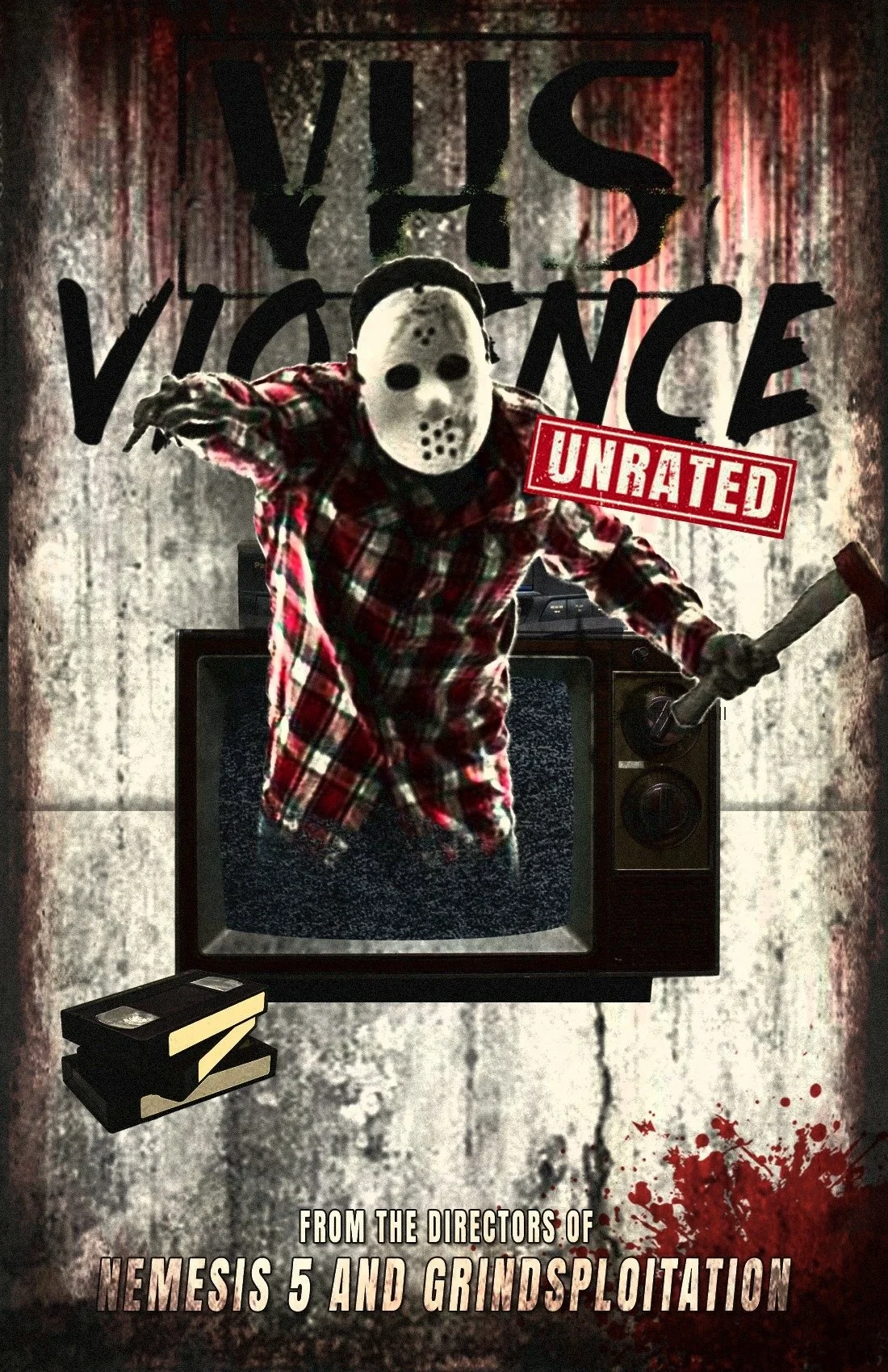
October 13 – “VHS Violence” (2021): A young woman discovers a videotape on her doorstep and decides to watch it, becoming a witness to a series of shocking crimes. But soon, she may become the next victim.
Courtesy of Found TV
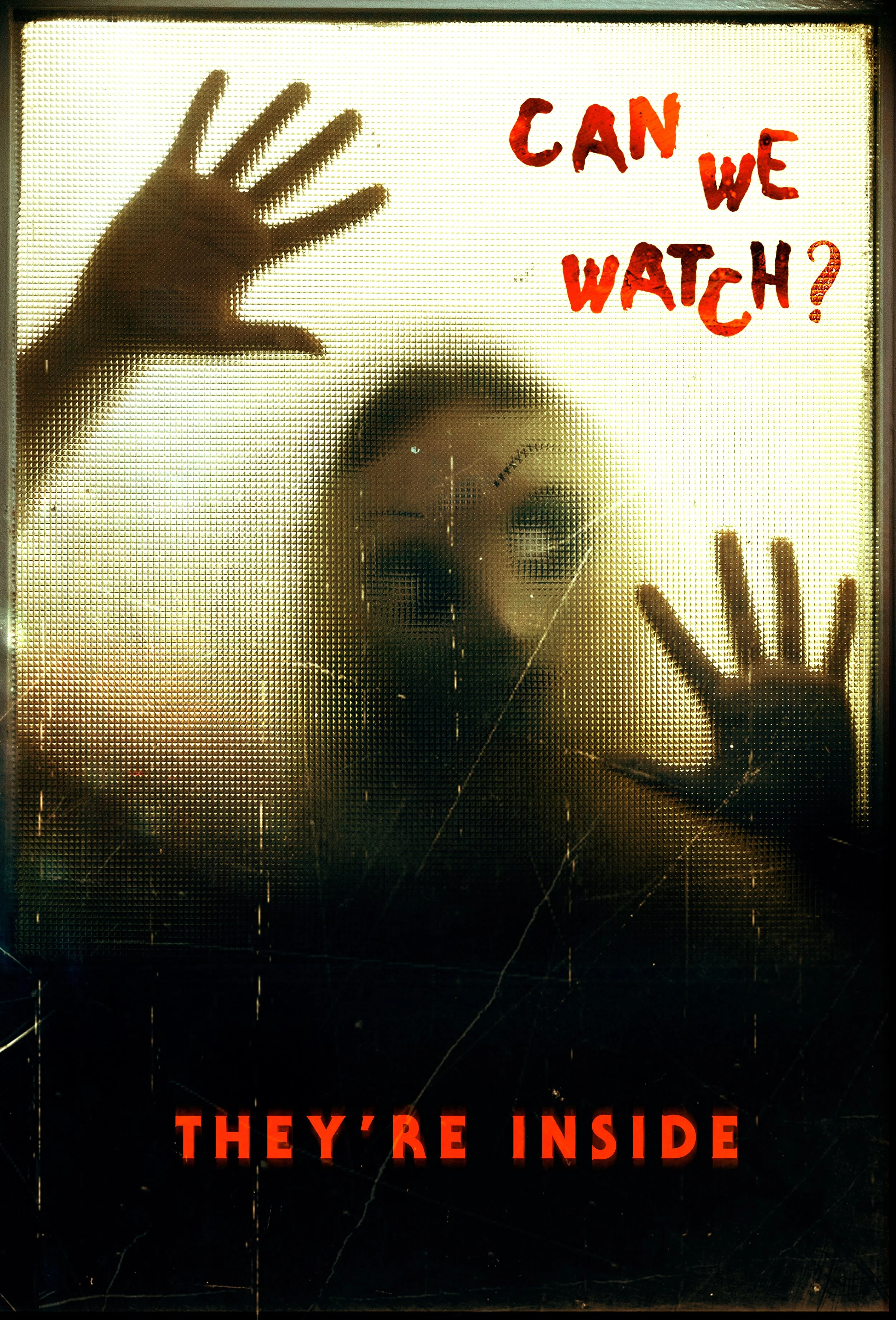
October 16 – “They're Inside” (2019): When two sisters go to an isolated cabin in the woods to film a passion project, family secrets begin to get in the way, as do masked strangers filming a passion project of their own.
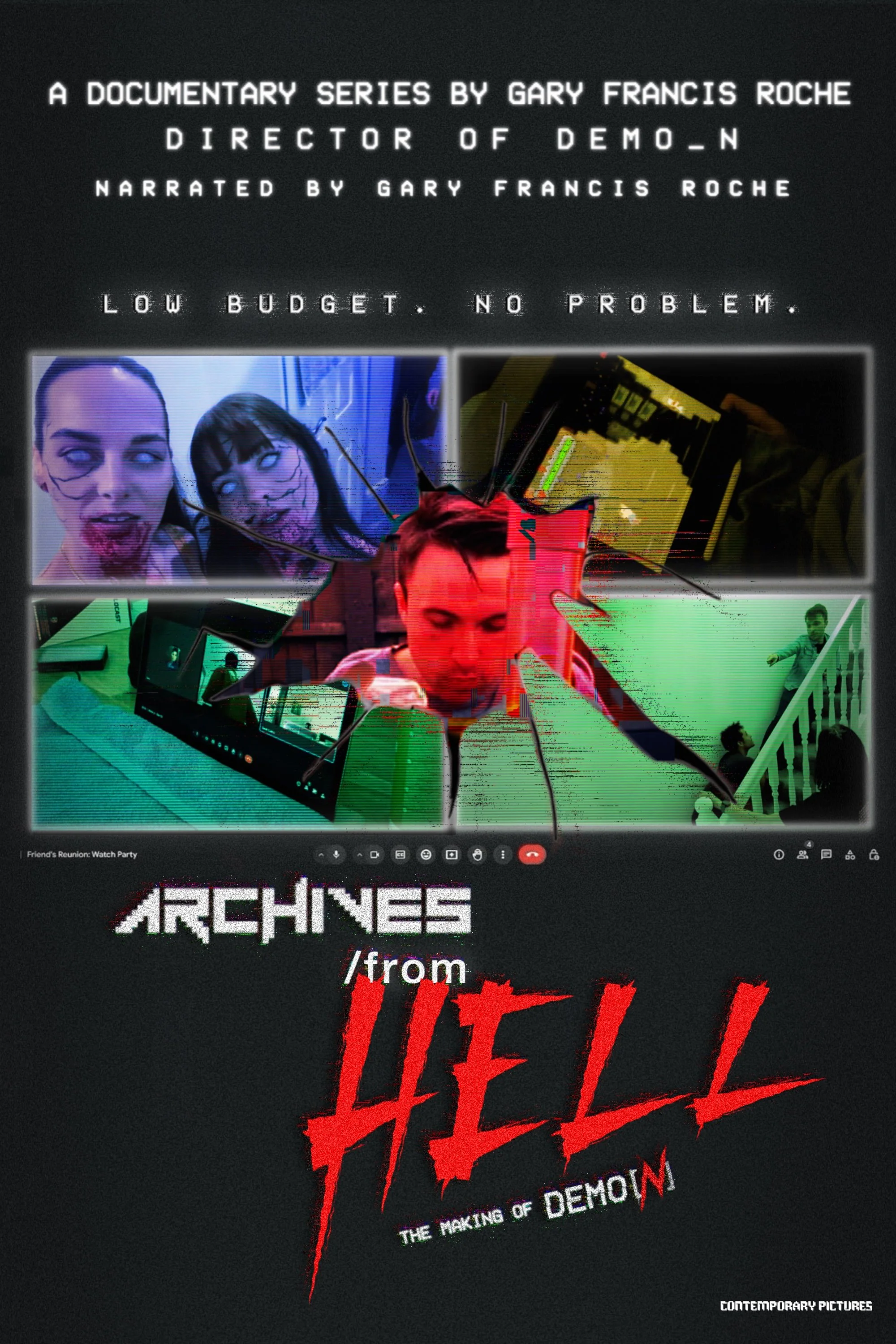
Courtesy of Found TV
October 20 – “Archives From Hell: The Making of demo_n” (2026): A five-episode series taking viewers behind the scenes of demo_n.
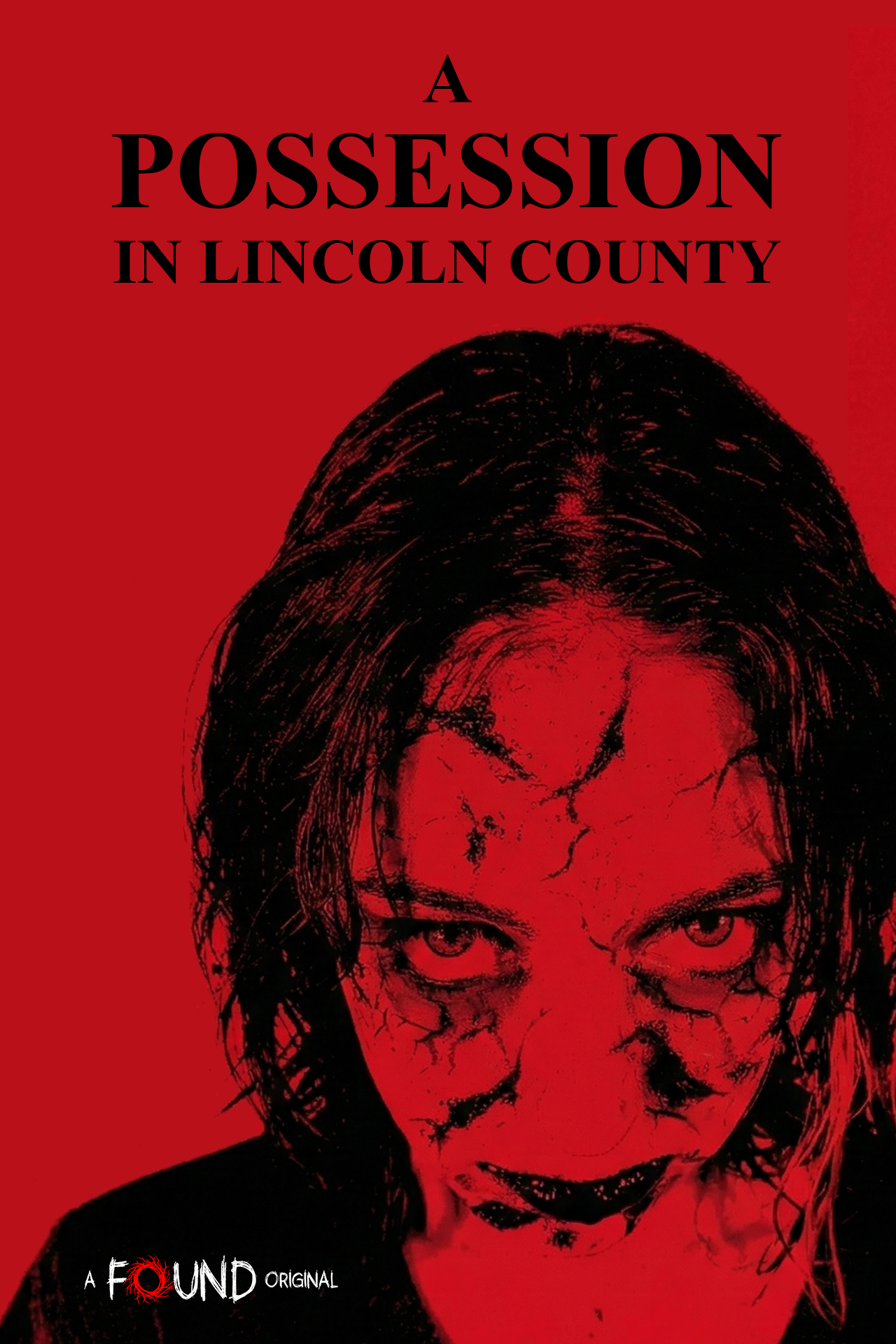
Courtesy of Found TV
October 23 - FOUND ORIGINAL: “A Possession in Lincoln County” (2026): A man documents his wife's cancer until a terminal diagnosis leads him to an ancient ritual to summon the Devil and make a deal. His footage spirals into a chilling record of kidnapping, demonic rituals, and the price of desperation. Available one day early exclusively for FOUND TV+ subscribers. Will have a theatrical premiere on Thursday, Oct 22 in Canada.
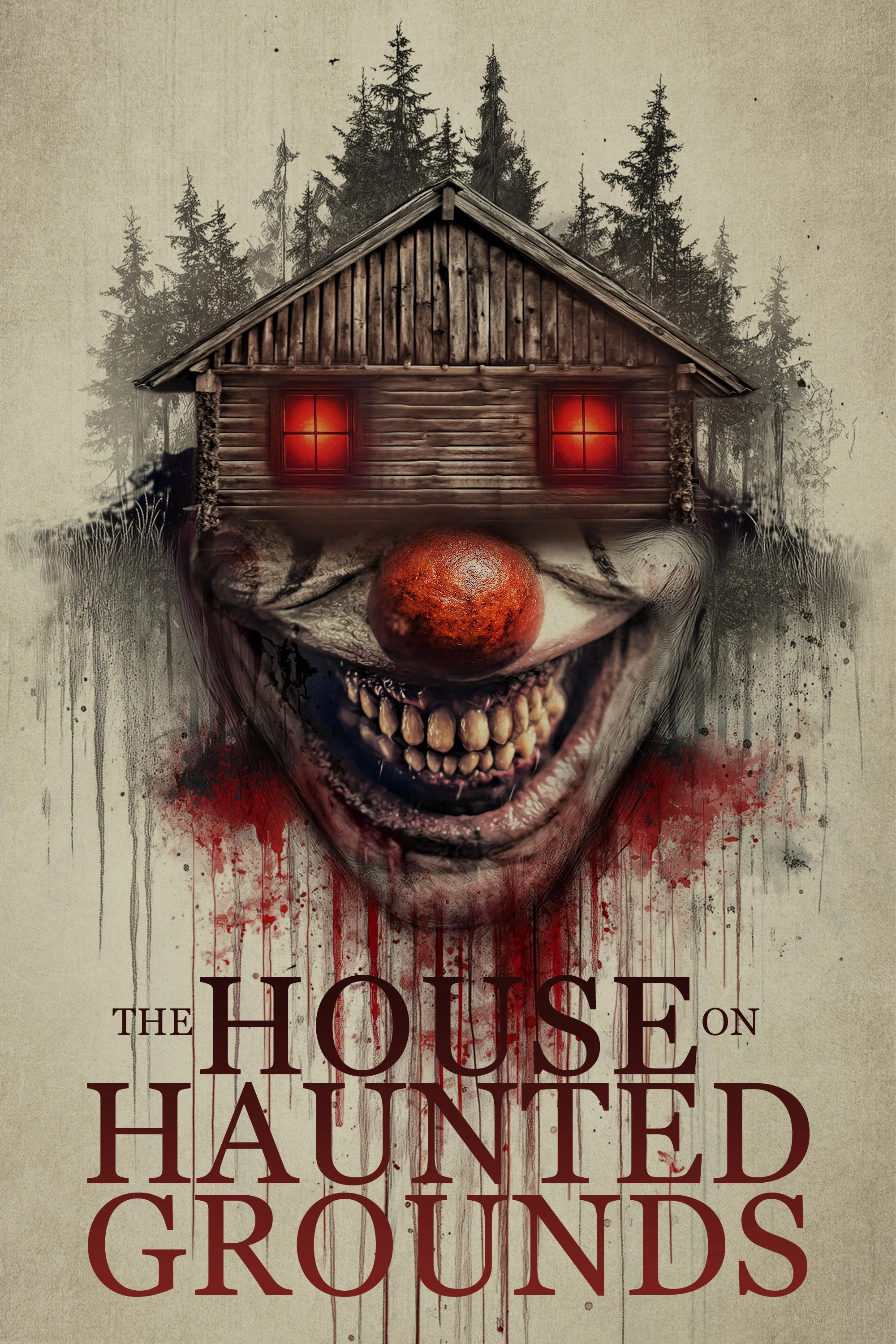
Courtesy of Found TV
October 27 – “The House on Haunted Grounds” (2026): They walked into a haunted house with a history of possession and murder. The victims never came out, but the footage did.
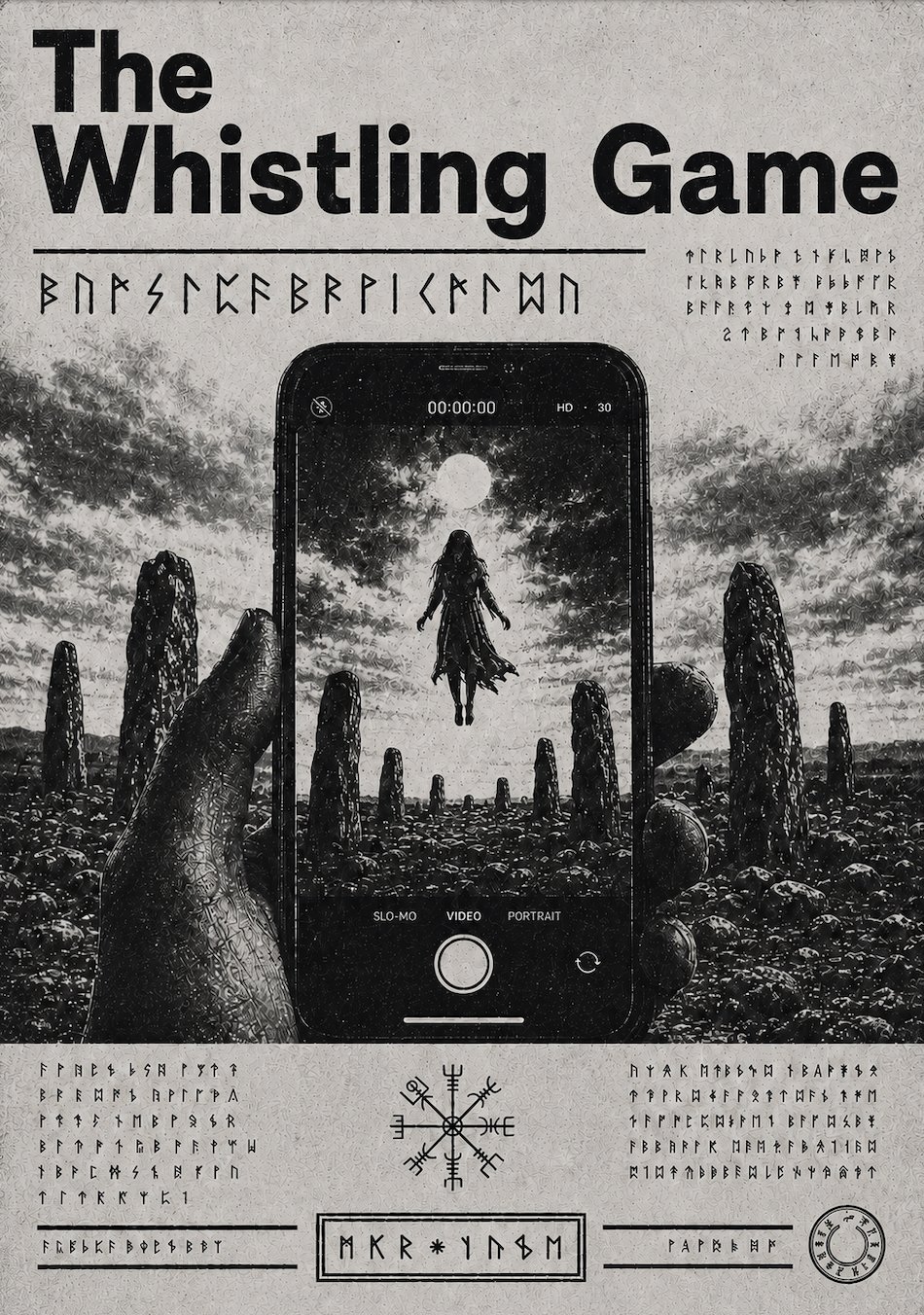
Courtesy of Found TV
October 30 – “The Whistling Game” (2026): A woman searching for her missing brother journeys into the wilderness of Dartmoor, England, documenting her investigation as she follows the trail he left behind. As the footage accumulates, her search becomes entangled with something older than memory, and the camera records things she cannot explain.
Courtesy of Found TV
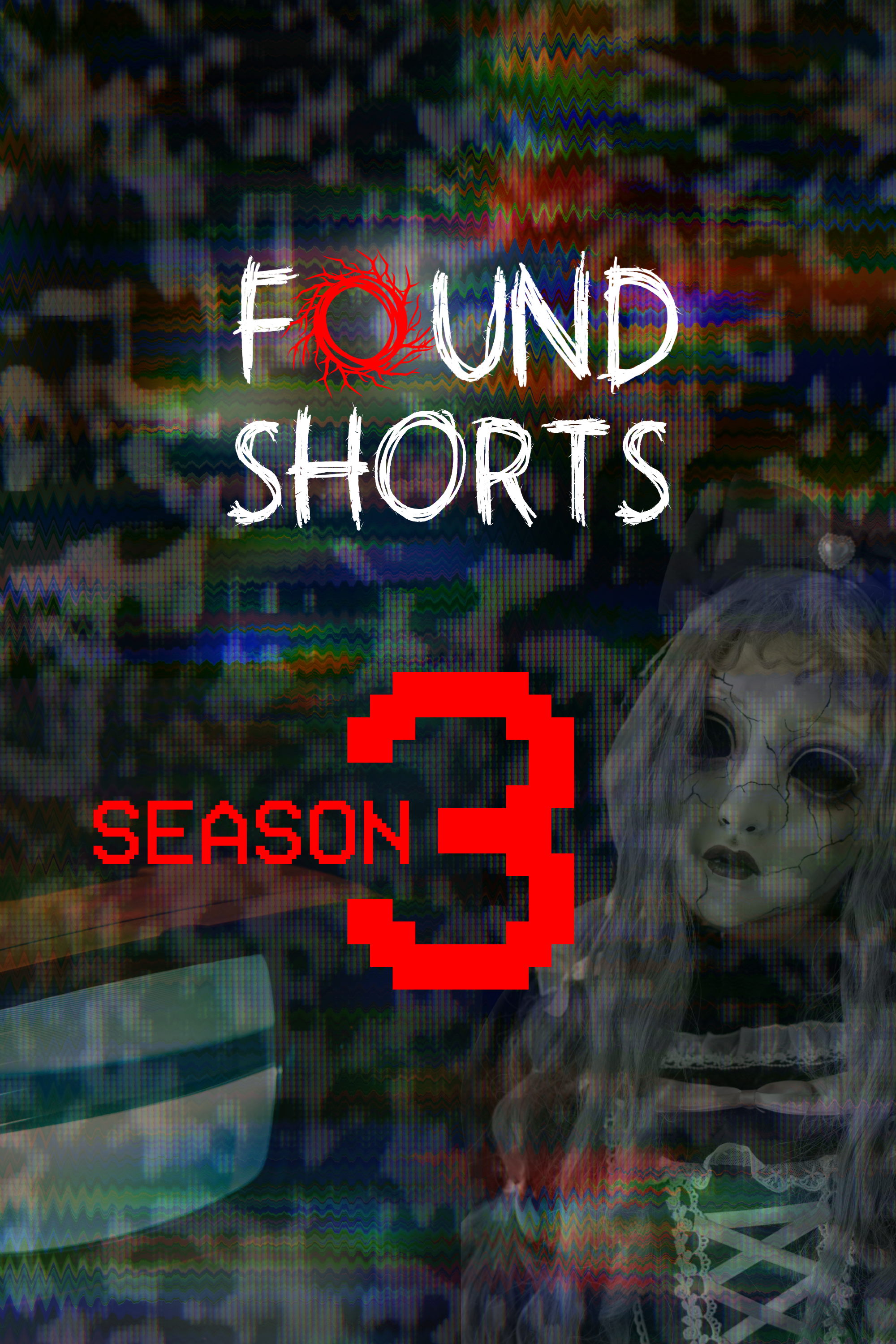
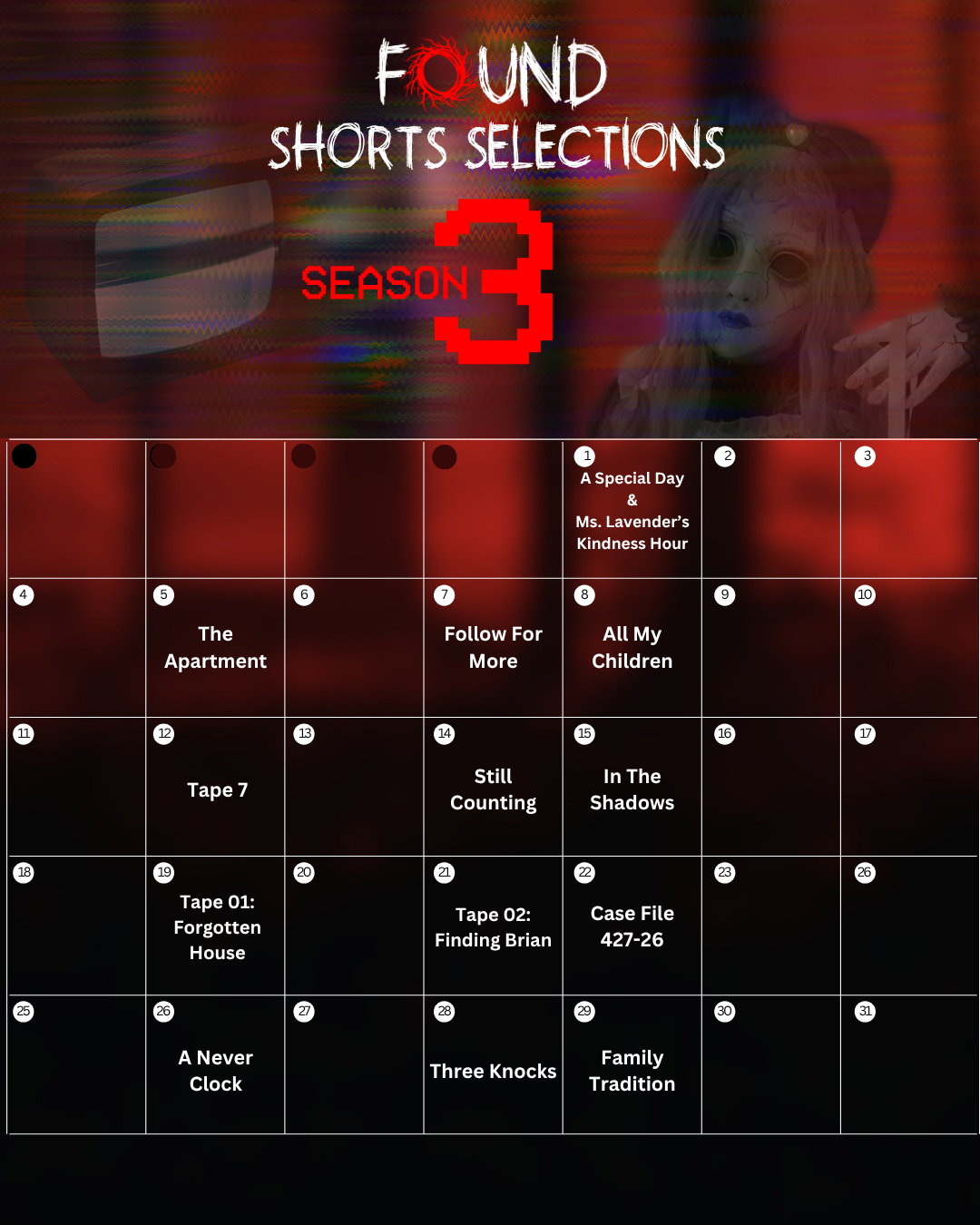
Throughout October - FOUND TV Shorts: Season 3 (2026): Fourteen new shorts roll out throughout October as FOUND TV Shorts returns for its third season.
Courtesy of Found TV
October has arrived, and FOUND TV is giving found footage fans plenty of reasons to spend the season watching things someone probably should have left unrecorded. Occult October brings fresh nightmares, cult curiosities, and exclusive premieres to a month already devoted to our favorite obsession. Between the trick-or-treaters and whatever keeps setting off your porch camera, make time for a little carefully scheduled dread. Use code ILOVEHORROR to take $5 off your annual subscription and put your Halloween watchlist to work.
Whether it’s slashers in the woods, ghosts in the attic, or killers in the cornfield, ILHM Reviews brings you the frightful horror flick recommendations worth watching. Follow us on Instagram, be sure to listen to the"I Love Horror" podcast, and remember that if you’re a true fan of horror, every night can be a FRIGHT NIGHT!
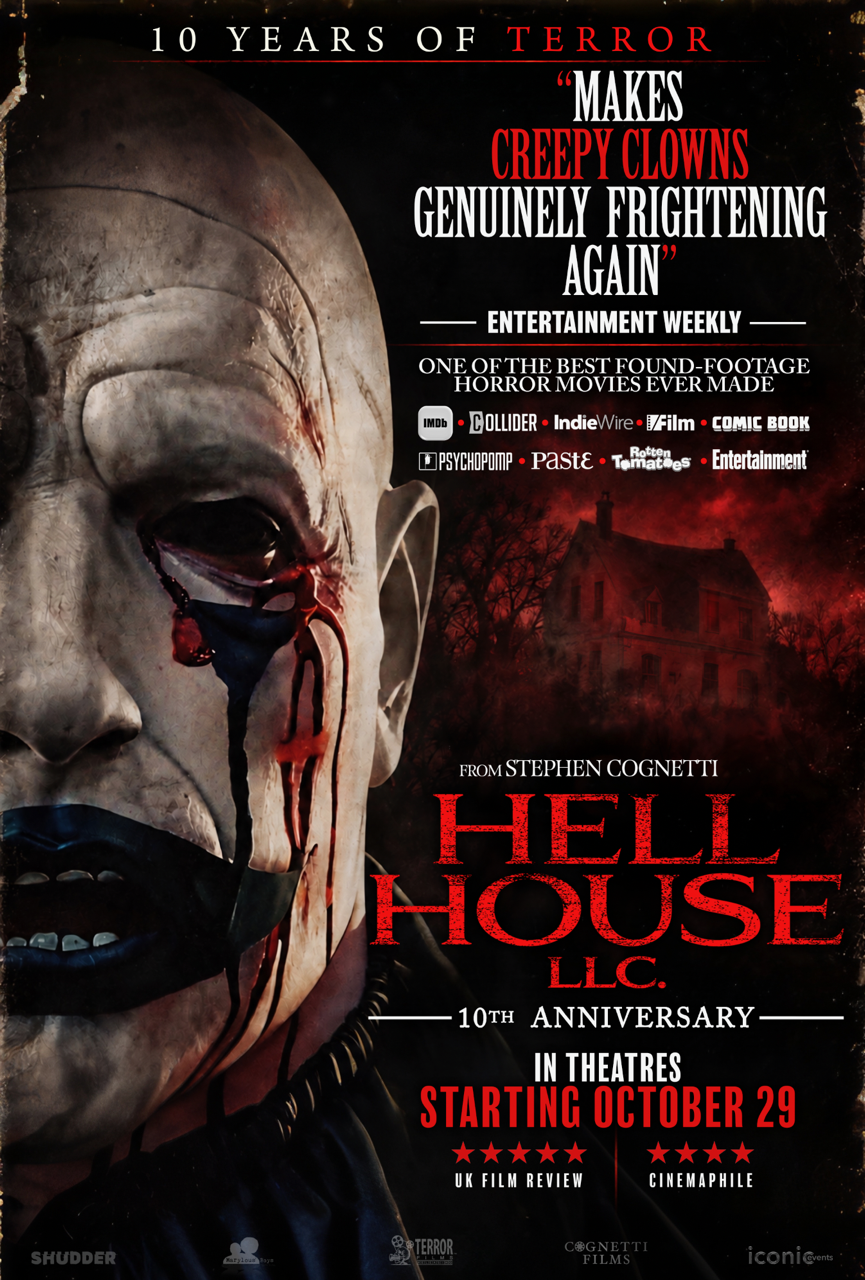
(NEWS) ABADDON AWAITS: TERROR FILMS RELEASING Celebrates the 10th Anniversary of “HELL HOUSE LLC” in Theaters
Courtesy of Terror Films Releasing
For the past 10 years, TERROR FILMS RELEASING has been a driving force in bringing “Hell House LLC” to horror fans worldwide, and this franchise has become something truly special to me. Through my show, the I Love Horror Podcast, I’ve had the pleasure of welcoming cast members and producer Joe Bandelli (who has also stepped into that deeply unsettling clown costume), and those conversations have made my connection to these films even more personal. Getting to know some of the people behind the scares has brought me so much joy, while the expanding lore keeps pulling me deeper into the mysteries of the Abaddon Hotel and beyond. As a horror fan, and an especially devoted found-footage fan, “Hell House LLC” continues to fuel my enthusiasm for everything this genre can accomplish with a camera, a dark hallway, and a clown that absolutely wasn’t standing there a second ago.
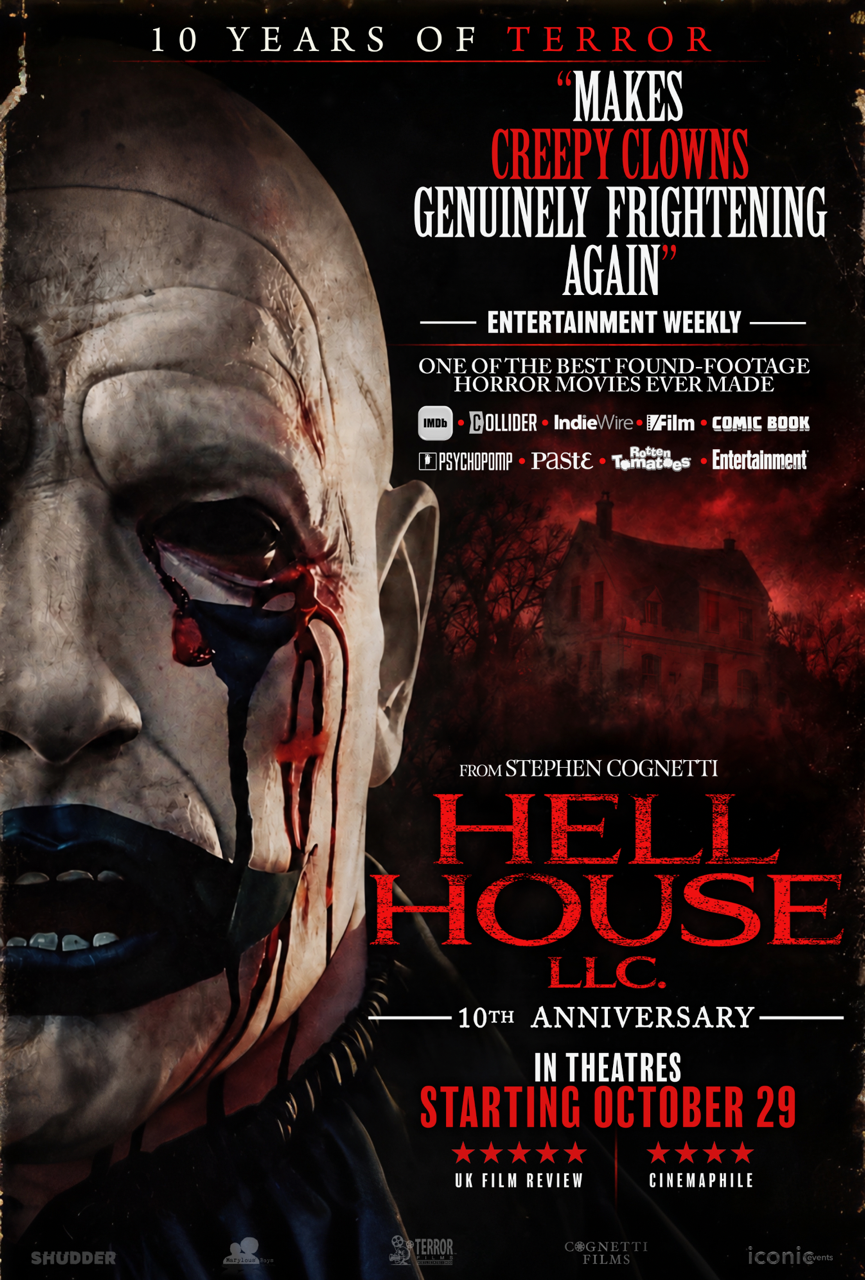
Now, Terror Films Releasing has reached out to share the scoop: the original “Hell House LLC” is celebrating its 10th anniversary with its first nationwide theatrical engagement, running October 29 through November 1, 2026. Read the official press release below for all the details and prepare to check back into the Abaddon.
FROM THE TERROR FILMS RELEASING PRESS RELEASE:
Terror Films Releasing and Iconic Events Releasing bring Stephen Cognetti’s acclaimed found-footage classic to major theater chains for a four-night Halloween engagement, October 29–November 1, 2026.
Ten years after terrifying audiences and becoming a cult phenomenon, the original Hell House LLC is coming to theaters nationwide for the first time.
Terror Films Releasing has partnered with Iconic Events Releasing to bring writer-director Stephen Cognetti’s acclaimed found-footage horror film to the big screen for a special four-night engagement, running October 29 through November 1, 2026.
Although Hell House LLC has received a limited number of seasonal screenings through IFC and Alamo Drafthouse over the years, this engagement marks the first opportunity for audiences across the country to experience the film in major theater chains.
A Decade of Terror
Written and directed by Cognetti and produced by Joe Bandelli, “Hell House LLC” was first released by Terror Films on digital platforms on November 1, 2016. Over the decade that followed, the film grew from an independent horror discovery into a modern genre classic and the foundation of one of found footage’s most enduring franchises.
Entertainment Weekly recently ranked “Hell House LLC” No. 7 among the 28 best found-footage movies ever made, praising its ability to make “creepy clowns genuinely frightening again.” GQ called the film “a masterclass in economical storytelling and brilliantly worked scares,” while Bloody Disgusting praised it as “some of the best use of the found-footage style in recent memory.”
The original film's success launched four additional installments and a director’s cut. Shudder acquired every sequel, from “Hell House LLC II: The Abaddon Hotel” through 2025’s “Hell House LLC: Lineage,” exclusively.
Bringing the Original to the Big Screen
“We’re thrilled to celebrate the 10th anniversary of “Hell House LLC” by bringing the film to theaters nationwide for the first time,” said Fred Santos, SVP of Distribution at Iconic Events Releasing. “Over the past decade, “Hell House LLC” has grown into an incredible franchise, and the film that started it all remains one of the most terrifying and unsettling entries in the found-footage genre. Bringing this modern horror classic to the big screen just in time for Halloween feels like the perfect way to celebrate its 10th anniversary.”
“This is the second time we’ve had the pleasure of working with the team at Iconic,” said Terror Films CEO Joe Dain. “Our first collaboration brought “Hell House LLC: Lineage, the fifth installment in the franchise, to theaters in 2025. Now, having the opportunity to bring the original “Hell House LLC” to theaters nationwide is not only thrilling for us, but it’s also the realization of something we pursued a decade ago. We believed then, as we do now, that this film belonged on the big screen. But the industry was very different ten years ago, and we repeatedly heard that found footage was dead. I couldn’t be more pleased to see “Hell House LLC” receive this well-deserved and long-overdue theatrical opportunity.”
Screening Dates and Ticket Information
The special 10th anniversary engagement will play in theaters for four nights only, beginning Thursday, October 29, and continuing through Sunday, November 1, 2026.
Tickets are not yet on sale. Fans can register through Iconic Events Releasing to be notified when tickets and participating theater locations become available.
I know I’m not alone in being excited to celebrate 10 years of “Hell House LLC,” especially with the chance to experience its mocumentary-styled, fear-based scares on the big screen alongside fellow diehard fans. Just as exciting is the thought of new audiences checking into the Abaddon Hotel for the first time and discovering why this brilliant found-footage classic has stood the test of time, and why I believe it will continue to haunt viewers for years to come. Whether you know every scare or have no idea what’s waiting in that basement, I’ll see you at check-in.
Whether it’s slashers in the woods, ghosts in the attic, or killers in the cornfield, ILHM Reviews brings you the frightful horror flick recommendations worth watching. Follow us on Instagram, be sure to listen to the"I Love Horror" podcast, and remember that if you’re a true fan of horror, every night can be a FRIGHT NIGHT!
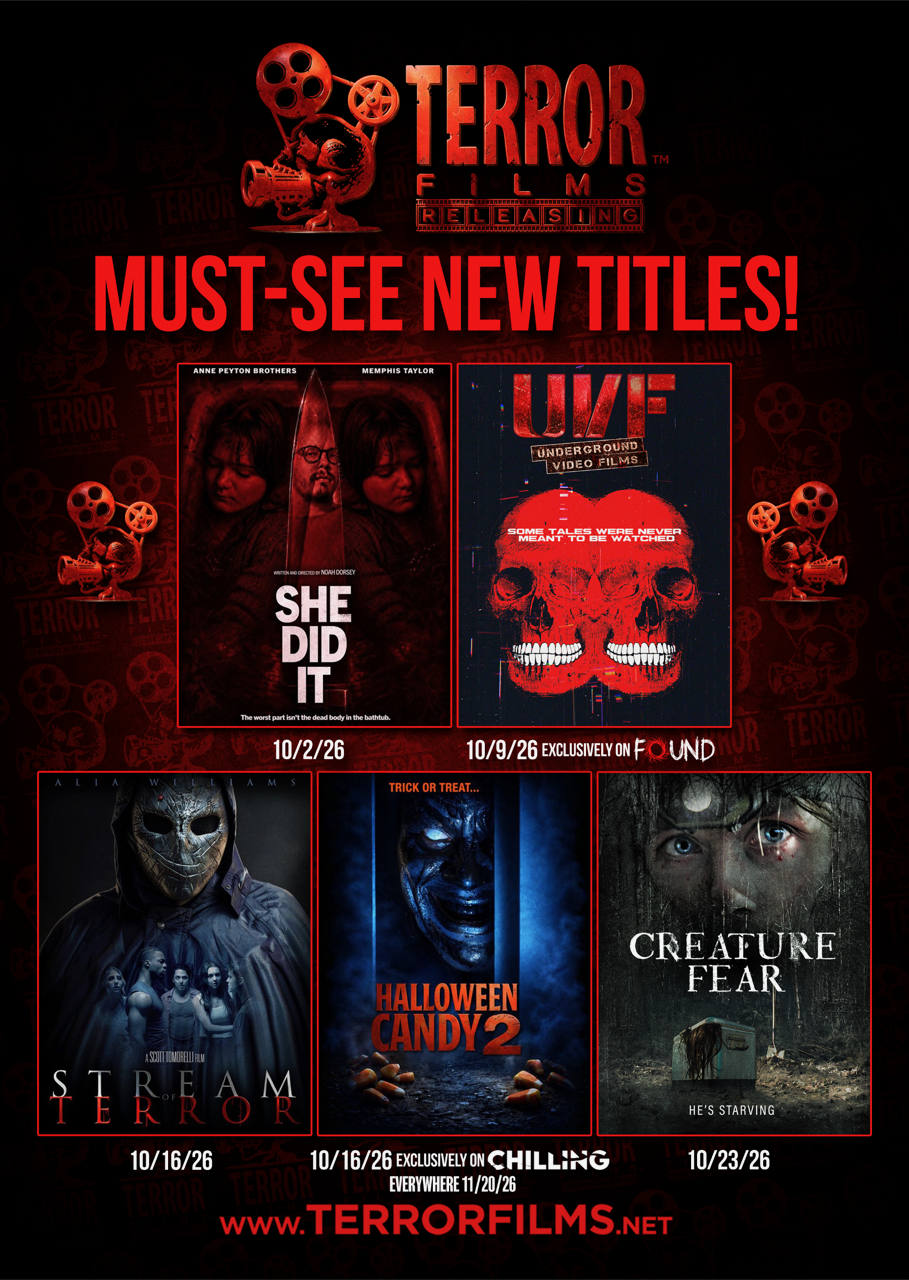
(NEWS) TERROR FILMS RELEASING Celebrates Spooky Season With Five New Frights
Courtesy of Terror Films Releasing
October is slowly creeping around the corner, and something wicked always seems to follow with it. The nights grow longer, the shadows feel a little heavier, and the creatures we pretend are not there begin to stir alive. For horror fans, that also means a fresh wave of new movies waiting to deliver scares, frights, and plenty of reasons to keep the lights on. Terror Films Releasing is making sure the fear does not fade once the month begins. Throughout October, Terror Films Releasing will be unleashing a new lineup of horror films. Each one will be packed with psychological terror, masked killers, underground nightmares, and unsettling descents into madness. These titles will individually bring a different kind of fear to the table, giving genre fans another excuse to embrace the season. October may only come once a year, but Terror Films Releasing is making sure every week has something waiting in the dark.
Leading the charge are five very different nightmares, each bringing its own flavor of fear to the month. Whether you prefer psychological mind games, gritty underground horror, masked killers, or a slow descent into madness, there is plenty here to keep October feeling appropriately sinister. Here is the info from the Terror Films Releasing press release:
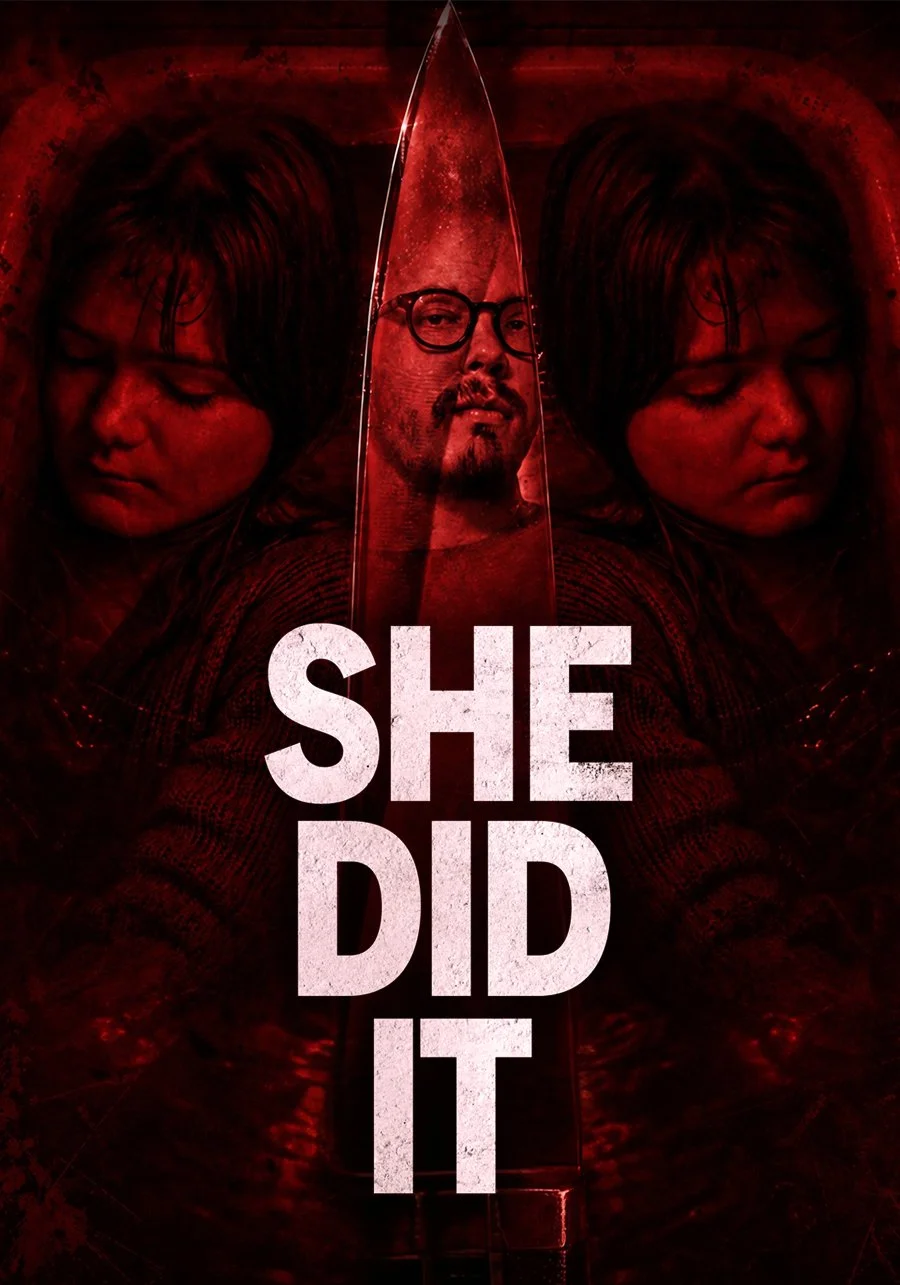
Courtesy of Terror Films Releasing
“SHE DID IT” (Release Date: October 2, 2026)
Synopsis: Kicking off the month is “She Did It,” a psychological horror story that blurs reality, delusion, and manipulation inside the confines of one increasingly disturbing apartment. The movie is written and directed by Noah Dorsey and produced by Kat McPhee. It will be setting the stage for a deeply personal nightmare where the truth becomes harder to trust with every passing moment.
Official Synopsis: Following a suicide attempt, a vulnerable woman awakens to a horrifying claim: her boyfriend insists her corpse is lying in their bathtub. As the truth begins to unravel inside their apartment, paranoia and manipulation blur the line between reality and delusion.
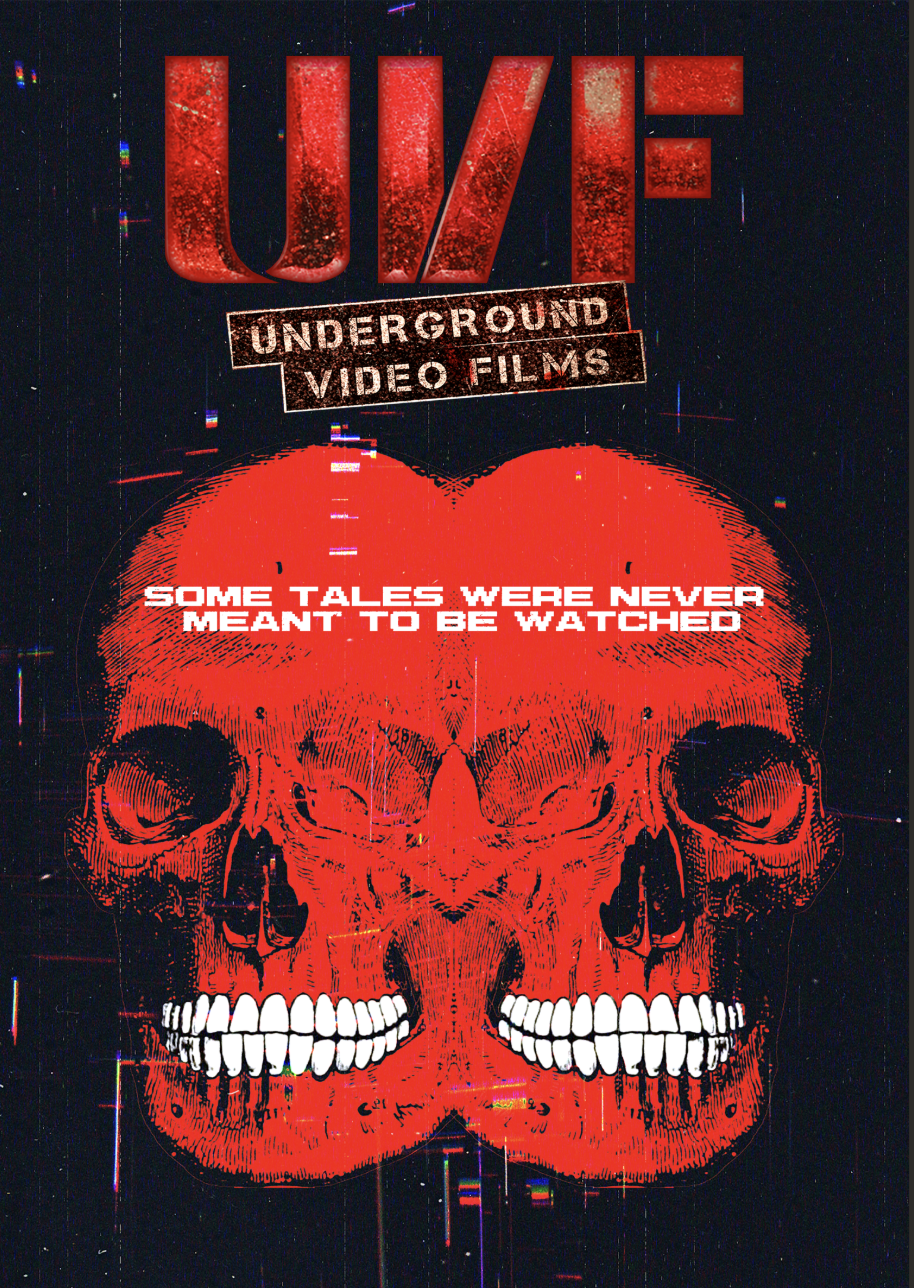
Courtesy of Terror Films Releasing
“UVF: UNDERGROUND VIDEO FILMS” (Release Date: October 9, 2026)
Next up is “UVF: Underground Video Films” (releasing exclusively on FOUND TV), an anthology that embraces forbidden broadcasts, unsettling shorts, and the grimy appeal of underground horror. Written by Joao Augusto De Nardo, the collection features segments directed by De Nardo, Robert Getty, Jill Gevargizian, Peter Hatch, and additional filmmakers. Joao Augusto De Nardo, Gareth Evans, Denman Hatch, and John McCann produced the movie, bringing together several voices for one strange and unsettling broadcast.
Official Synopsis: Presented as a forbidden television broadcast, this horror anthology resurrects a collection of unsettling short films from around the world. A wider release is planned for later in the year.
Courtesy of Terror Films Releasing
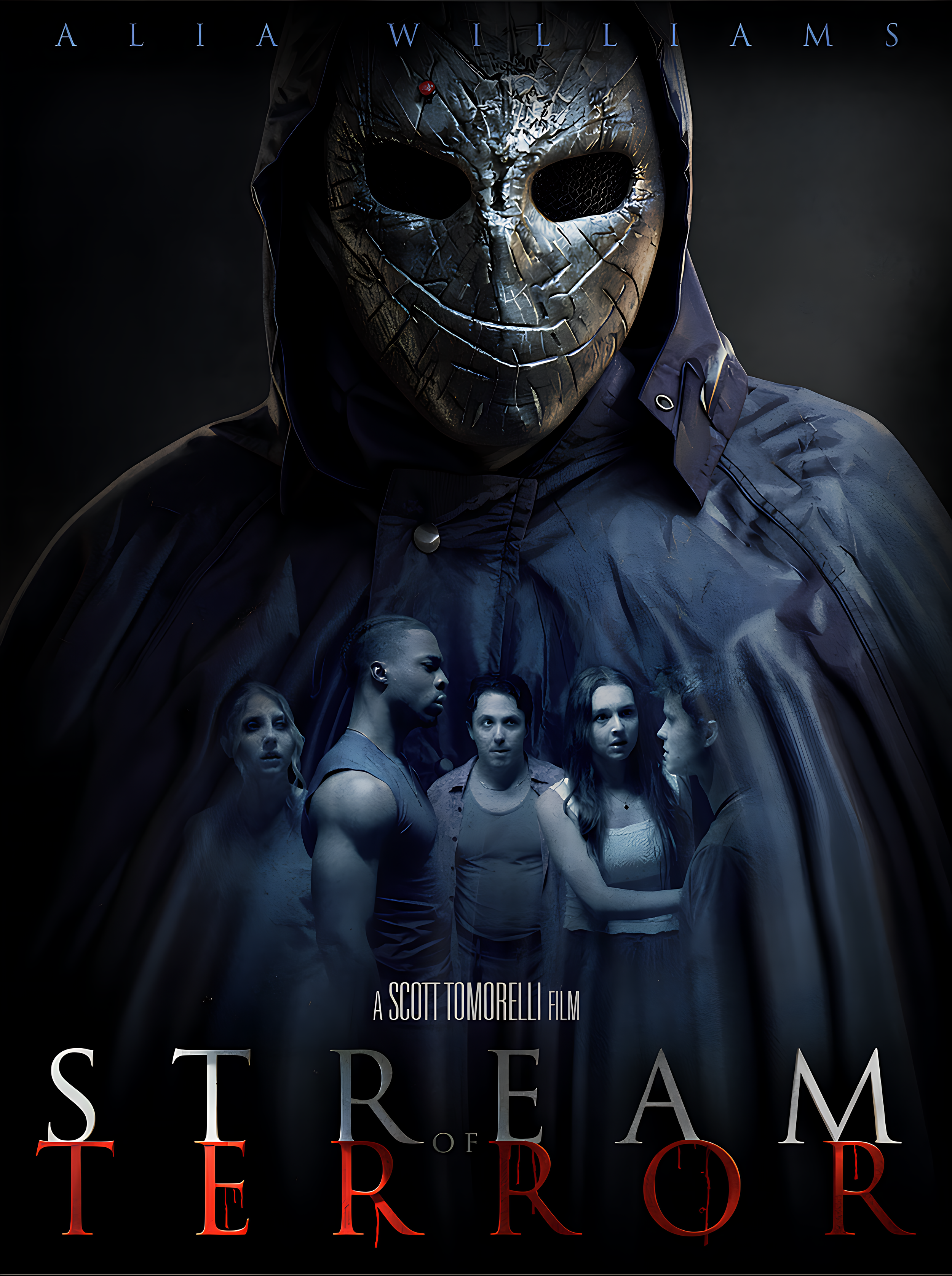
“STREAM OF TERROR” (Release Date: October 16, 2026)
By the middle of the month, things turn bloodier with “Stream of Terror,” a digital-age slasher that mixes livestream culture, social media fame, and a masked killer looking for an audience. Directed by Robin Hofmann, written by Scott Tomorelli, and produced by Calah Frazier, the movie brings modern internet culture into familiar slasher territory, where going viral may be the last thing anyone wants. Read my full review of the movie here.
Official Synopsis: When a masked killer begins livestreaming gruesome murders across a college campus, social media star Tiffany Clarke finds herself at the center of the horror. As the killer’s messages grow more personal and the violence escalates, Tiffany must confront a deadly secret from her past before her darkest mistake becomes viral justice.
Courtesy of Terror Films Releasing
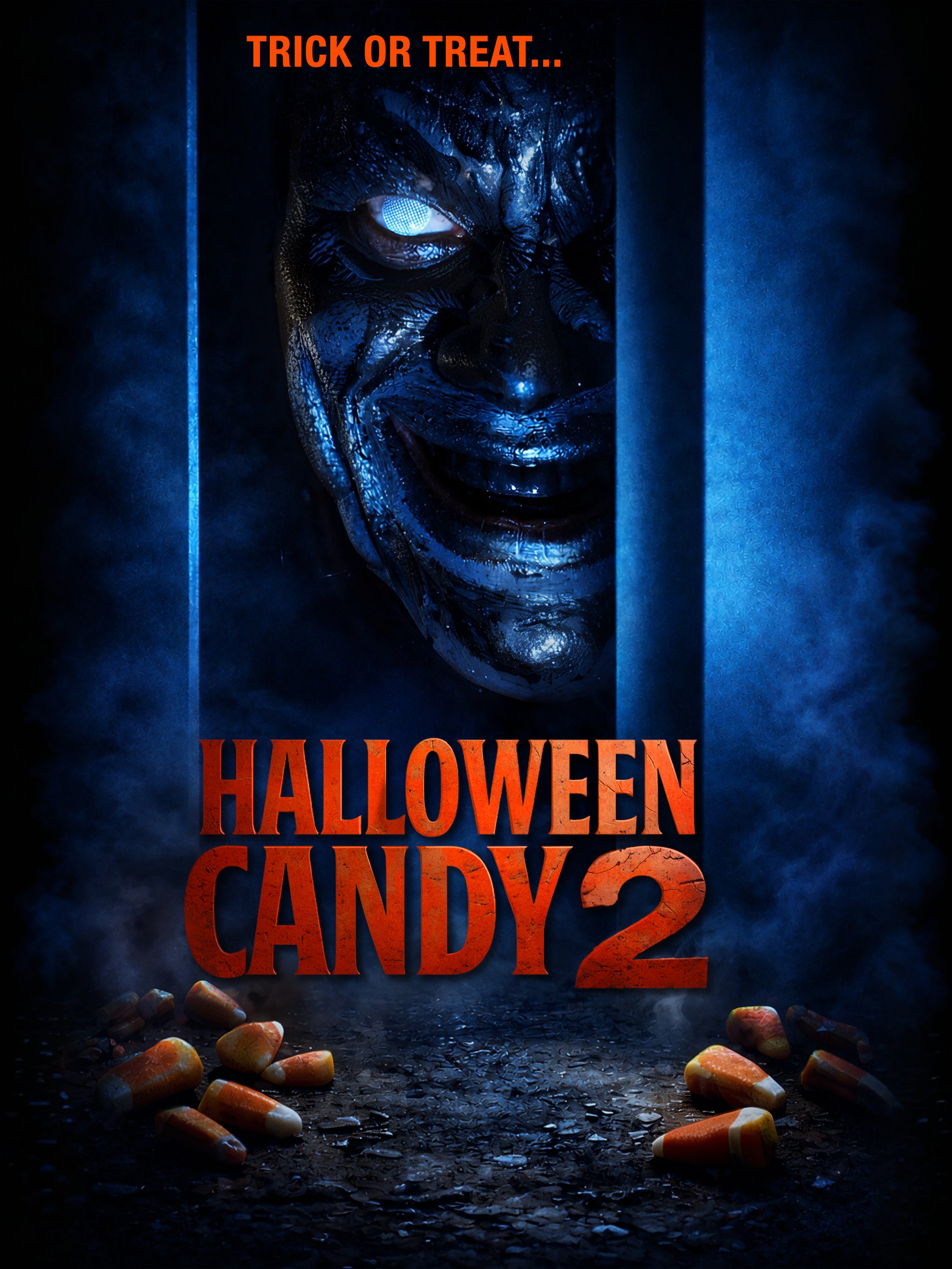
“HALLOWEEN CANDY 2” (Release Date: October 16, 2026)
Also arriving on October 16 is “Halloween Candy 2” (exclusively premiering on the CHILLING app), bringing another masked killer, buried secrets, and a house full of potential victims into the Halloween night chaos. Douglas A. Plomitallo returns as both writer and director, with Fred Bonheim and Molly Gazay producing. The sequel continues Candee’s nightmare one year after the original massacre, proving that surviving Halloween once does not guarantee you will be so lucky the next time around.
Official Synopsis: One year after surviving a Halloween massacre, Candee faces a new nightmare when a masked killer traps her and her friends inside a house where every secret is deadly. As the body count rises, she learns that the true monsters aren’t always the ones wearing masks.
Courtesy of Terror Films Releasing
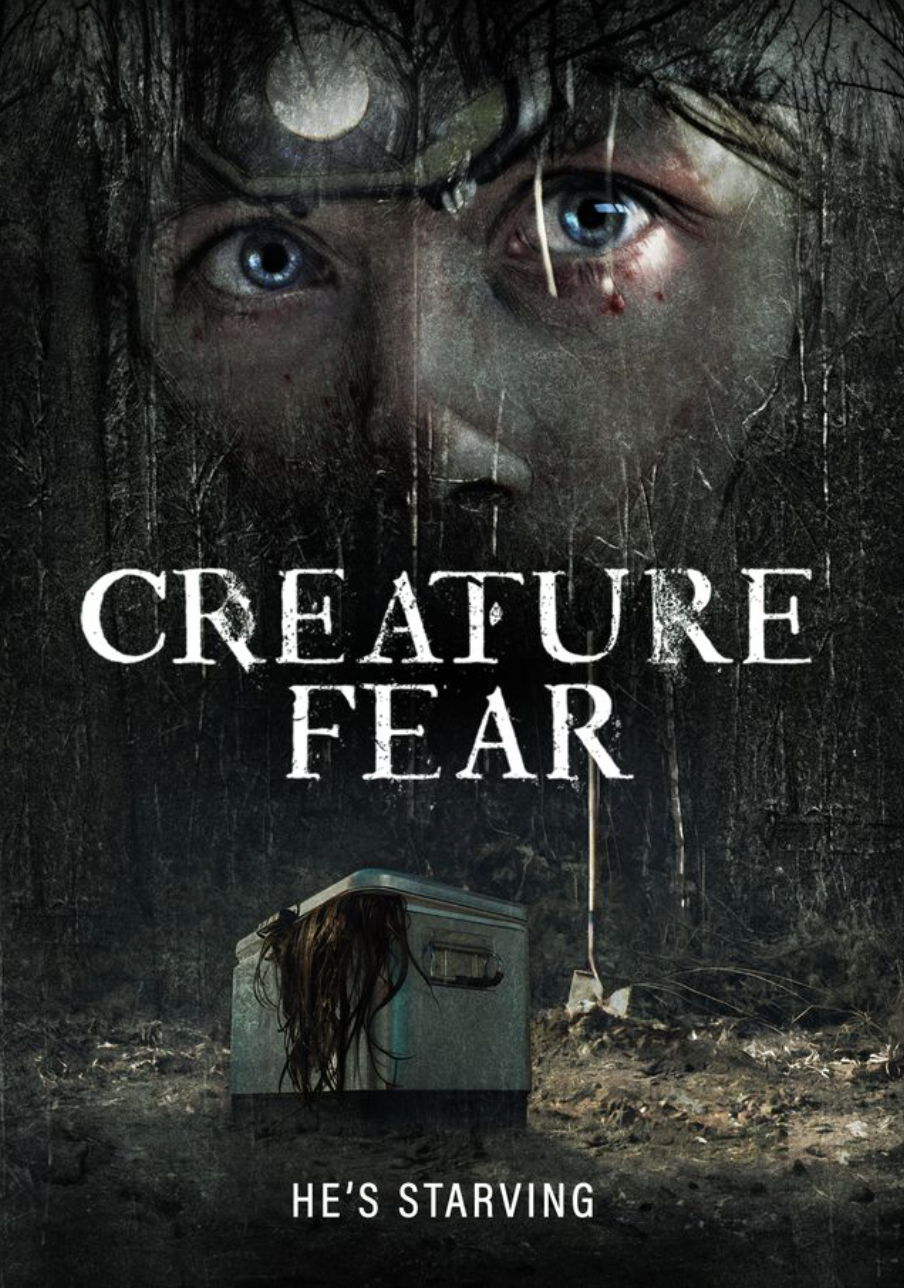
“CREATURE FEAR” (Release Date: October 23, 2026)
Closing out the announced slate is “Creature Fear,” a darker and more unsettling story centered on disease, violence, and a frightening loss of control. Written and directed by Manny Gumina, who also produces alongside Derek Schmitt, the movie takes its horror in a different direction by grounding its nightmare in physical deterioration and a rapidly unraveling state of mind.
Official Synopsis: In a small Wisconsin lake town, a poverty-stricken felon contracts Creutzfeldt-Jakob disease after ingesting diseased venison. As his condition intensifies, his violent unraveling threatens a Chicago musician and a mysterious singer whose dream of recording an album together quickly becomes a nightmare.
Five films, five different nightmares, and enough bad decisions on screen to keep horror fans very happy this October. Terror Films Releasing is filling the month with psychological breakdowns, masked killers, underground madness, and the kind of chaos that tends to end with somebody wishing they had just stayed home. The real fun is in the variety, because each release brings a different kind of terror to the table. Some may get under your skin, some may leave a little blood on the walls, and one might just become your new favorite October watch. So, check out the trailers, mark the dates, and make some room on the watchlist. After all, the best horror is the kind that follows you long after the credits stop rolling.
Whether it’s slashers in the woods, ghosts in the attic, or killers in the cornfield, ILHM Reviews brings you the frightful horror flick recommendations worth watching. Follow us on Instagram, be sure to listen to the"I Love Horror" podcast, and remember that if you’re a true fan of horror, every night can be a FRIGHT NIGHT!

(REVIEW) "EVER AFTER" Gives Fairy Tales a Body Count
Courtesy of Level 33 Entertainment
Some stories begin with “once upon a time” and end with everyone living happily ever after. Horror has always known better. Fairy tales were pretty messed up long before they were cleaned up, filled with catchy songs and turned into bedtime stories, and "EVER AFTER" seems more than happy to drag them back into the darkness where they belong. There are no singing animals, magical carriages, or helpful fairy godmothers waiting to save the day here. What we do get is blood, brutality, and enough deranged storybook characters to make wandering through the woods seem like a terrible idea for the foreseeable future.
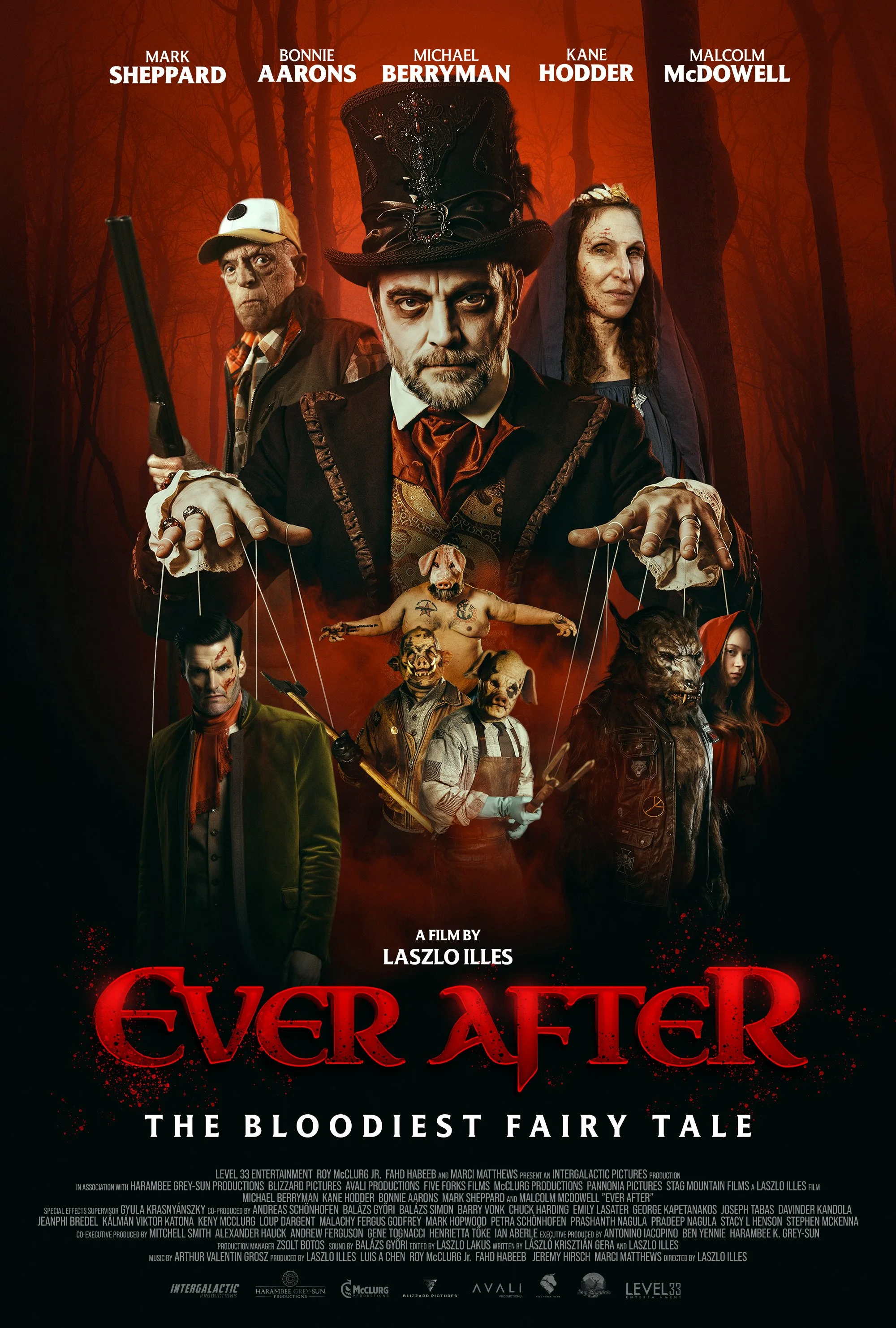
Written by László Illés and László Krisztián Gera, and directed by Illés, "EVER AFTER" follows a group of women heading to a secluded forest lodge for a bachelorette getaway. Naturally, because this is a horror movie, the relaxing weekend doesn't exactly go according to plan. They soon discover the surrounding woods are filled with murderous fanatics who believe themselves to be characters from classic fairy tales. Little Red Riding Hood, the Big Bad Wolf, the Evil Witch, Prince Charming, and several other familiar characters have gotten one hell of a makeover, and these versions definitely aren't interested in delivering a happily-ever-after ending.
It didn't take long before "EVER AFTER" started giving me some serious "The Descent" vibes. Instead of being trapped underground with sightless monsters, though, these women are stuck in a forest with completely deranged fairy-tale cosplayers trying to kill them. I absolutely mean that as a compliment. The secluded setting does a lot of the heavy lifting because once the danger starts closing in, those endless trees suddenly feel less like an escape route and more like walls.
That forest setting also gives the movie plenty of atmosphere without needing to overcomplicate the premise. Darkness, isolation and the possibility that some homicidal character from your childhood could be standing ten feet away are more than enough to make the woods uncomfortable. Once the weekend goes bad, there is a constant feeling that another threat could come wandering out from between the trees. It fits the twisted-storybook concept extremely well.
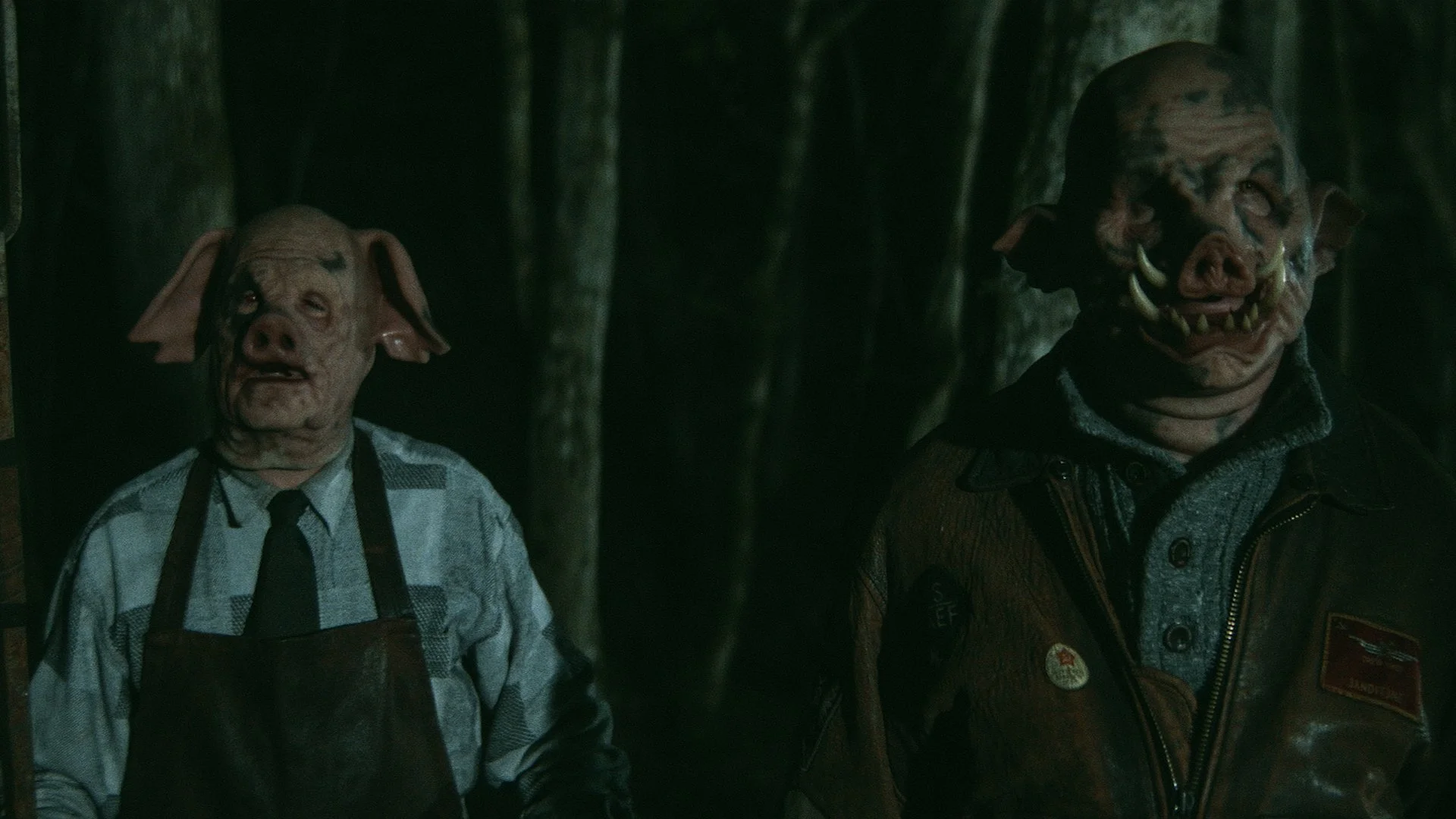
The moment I realized just how many fairy-tale lunatics were roaming around these woods, I was completely on board. Horror usually gives us one central villain, and sometimes we get two if the filmmakers are feeling generous. "EVER AFTER" apparently looked at that rule and decided it wasn't nearly enough. Instead, there is an entire lineup of killers waiting for their turn to make somebody's night considerably worse.
That variety is one of the movie's biggest strengths because each character brings a different personality and kind of threat into the story. You aren't spending the entire movie waiting for the same killer to pop out from behind another tree. Instead, part of the fun comes from wondering who is going to appear next and what completely unhinged interpretation the movie is going to give them. It turns childhood nostalgia into a very strange guessing game with considerably more blood.
Courtesy of Level 33 Entertainment
Prince Charming might be my favorite example simply because of how perfectly backwards the idea is. This is supposed to be the guy who rides in, saves the day and helps deliver the happily-ever-after ending. Not this time. Here, he is someone you probably want running in the opposite direction. Forget losing a glass slipper, Cinderella got off easy compared with what these women are dealing with.
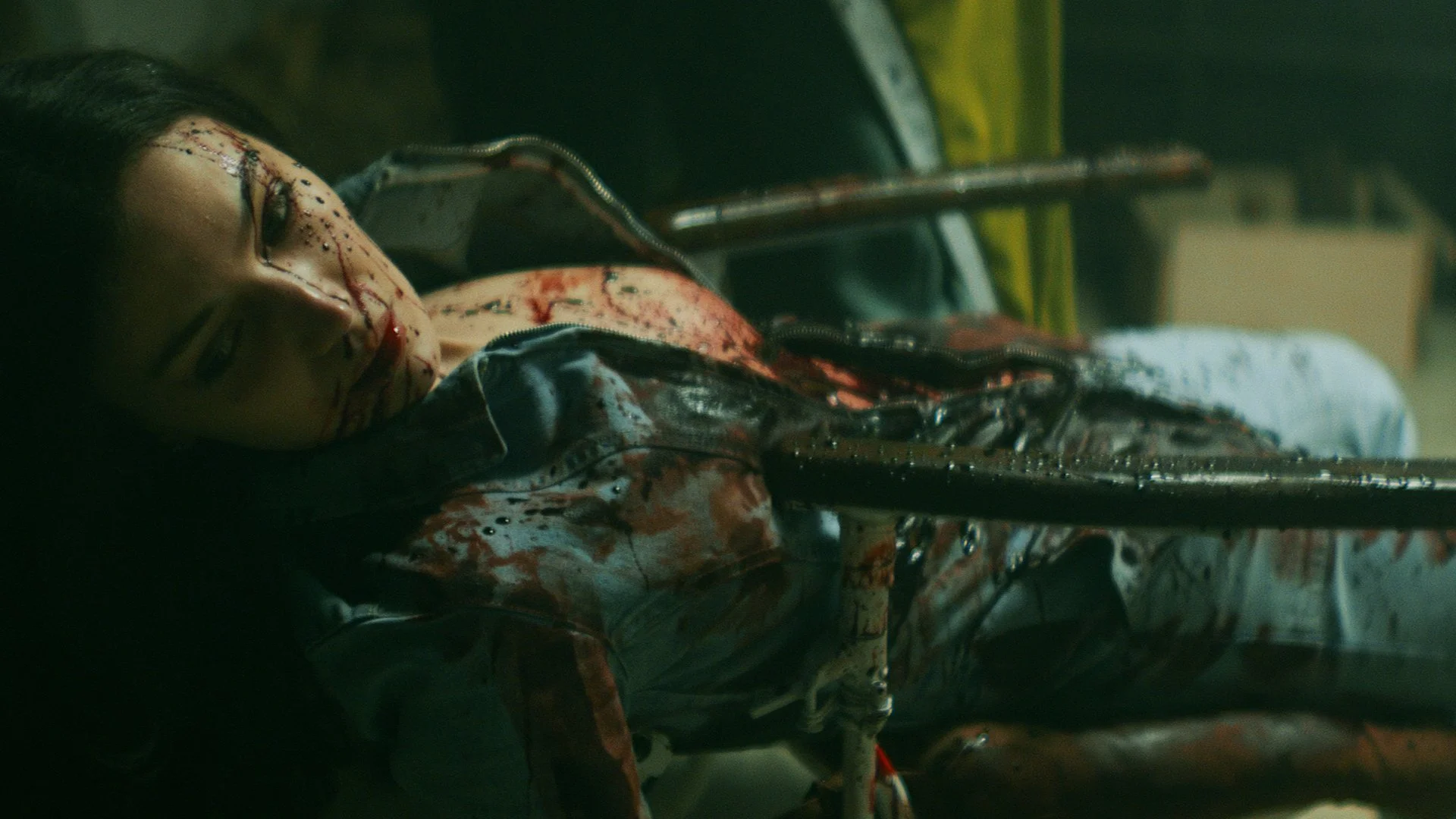
I also really enjoyed that "EVER AFTER" puts its female cast front and center. Maria De Sa, Lydia Pearl Pentz, Meg Vermette, Lara Sas, Jasmine Sumner and Laura Esti give the movie the group dynamic it needs before everything goes completely to hell. They have to go from enjoying a weekend together to figuring out how they are going to make it through the night, and watching that survival instinct kick in is a big part of what kept me invested.
I'm always down for some girl power in horror, especially when the women are actually allowed to fight back. I don't want to watch an entire movie where everyone waits around hoping someone else eventually shows up to save them. These women have to get their hands dirty, make decisions and kick some ass if they want to survive. They don't need Prince Charming riding in on a white horse, and considering this particular Prince Charming wants them dead, that would actually make things considerably worse.
The supporting cast deserves plenty of credit as well because the fairy-tale characters need personality for this concept to work. Riana Emma Balla helps bring Little Red Riding Hood into this warped storybook world, while Philippe Reinhardt takes on Prince Charming and Miklós B. Székely joins the madness as Grumpy. Rebecka Johnston, Denny Nolan, Alexander Hauck, and Rebecca Lara Müller also help make the forest feel packed with strange personalities rather than populated by one main villain and a bunch of disposable background characters.
Courtesy of Level 33 Entertainment
That larger ensemble could have easily made "EVER AFTER" feel overcrowded, but for me, it adds to the unpredictability. Every new face feels like another chance for the movie to get weird, and that's exactly what I wanted from a horror movie built around twisted fairy tales. The supporting performers help sell the idea that this isn't one lunatic hiding in the woods. This entire place has gone off the rails.
The gore is another area where "EVER AFTER" absolutely had my attention. I love practical effects, and I will take a convincing practical kill over a perfectly polished digital one almost every time. Give me fake blood, prosthetics, and something that probably took three people an hour to clean off the floor afterward. That's part of the fun, and "EVER AFTER" understands that sometimes the tried-and-true methods are still the best ones.
The practical work is especially important with these villains because they shouldn't look slick or overly polished. They need to look grimy, bloody, and like they actually crawled out of some seriously messed-up storybook. Physical makeup, costumes, and gore give them that extra bit of weight. These aren't colorful illustrations from something your parents read to you before bed anymore, and seeing those familiar ideas turned into something physical and nasty makes them considerably creepier.
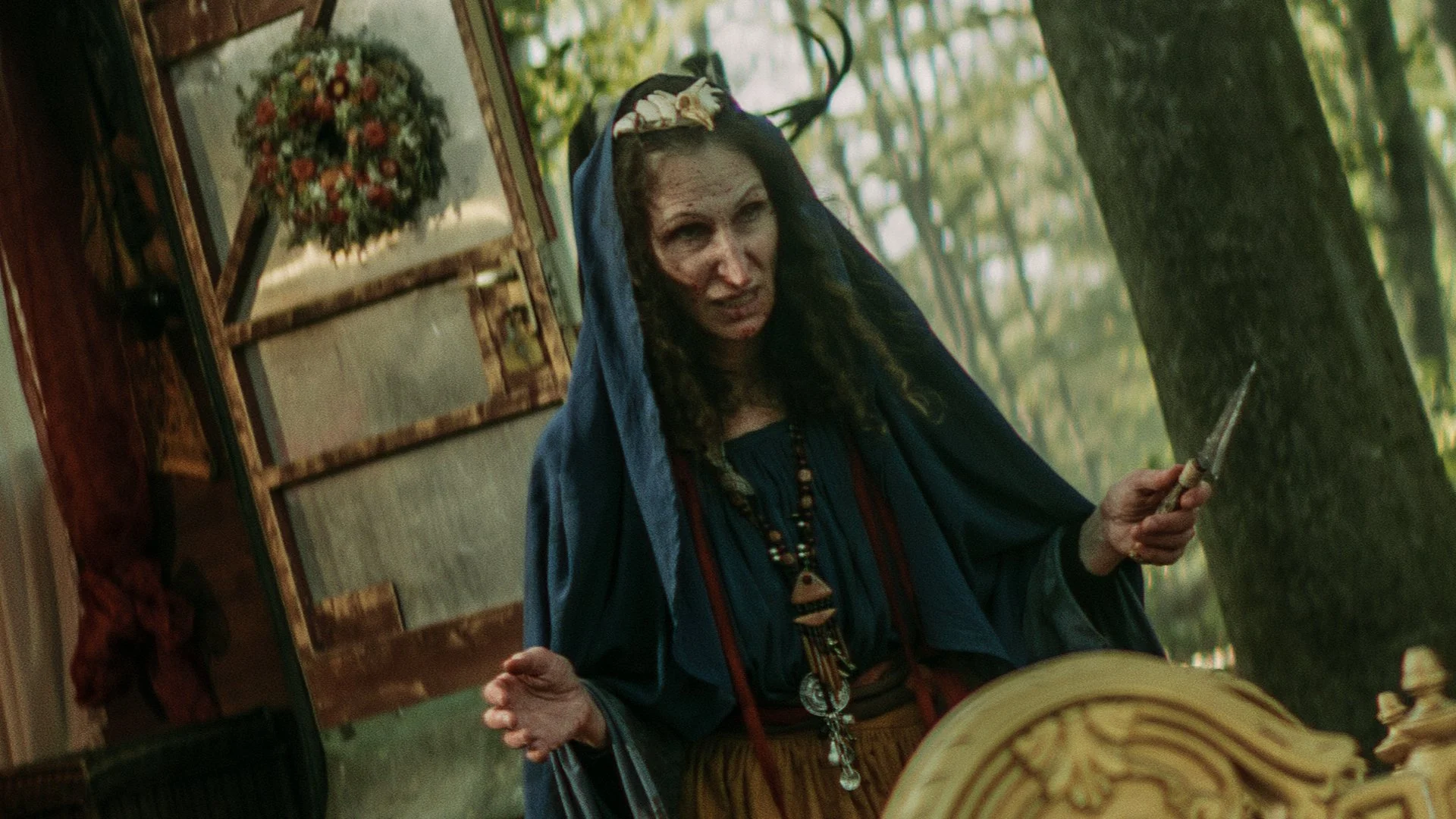
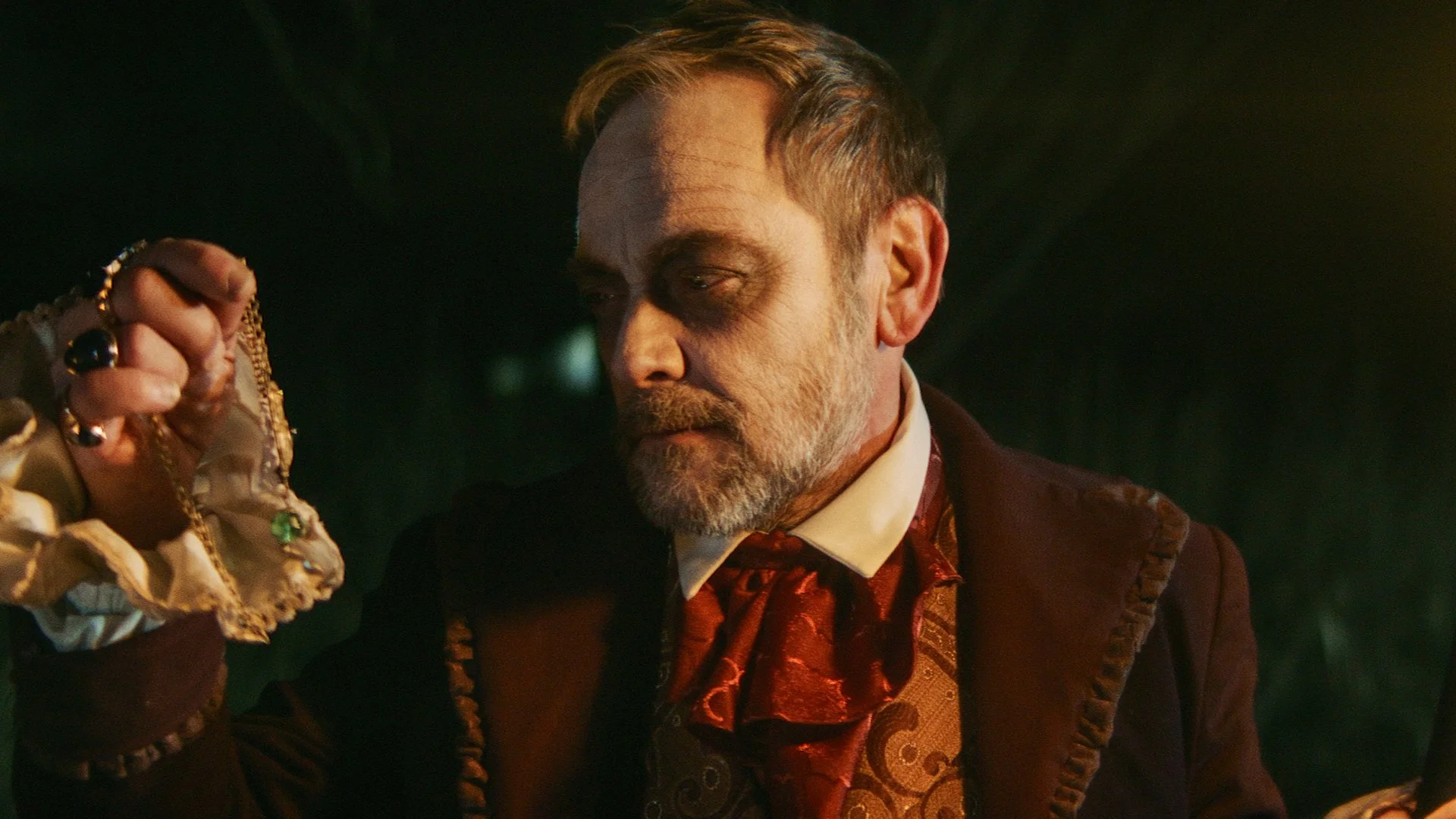
Then there is the cast of horror legends, and this lineup is ridiculous in the best possible way. Mark Sheppard, Bonnie Aarons, Michael Berryman, Kane Hodder and Malcolm McDowell all appearing in the same movie feels like somebody was putting together a horror convention guest list and accidentally made a film instead. Sheppard will immediately grab the attention of fans of "Supernatural"; Aarons has already scared the hell out of audiences with "The Nun"; Berryman is forever tied to "The Hills Have Eyes"; Hodder's legacy includes "Friday the 13th", and McDowell's incredible career includes "A Clockwork Orange".
Courtesy of Level 33 Entertainment
As a horror fan, I can only imagine what being on that set must have felt like with that much genre history in one place. I'd probably spend half the day forgetting I was supposed to be working and wondering how the hell all of these people were standing in the same room. There is enough horror history between them to fill an entire convention hall. Having them together gives the movie an extra layer of fun before the blood even starts flying.
What I really appreciate, though, is that their involvement doesn't leave everyone else standing in their shadow. It would have been incredibly easy to sell "EVER AFTER" entirely on those famous horror names and treat the rest of the cast as filler. Still, the women fighting for their lives and the supporting performers bringing these bizarre fairy-tale characters to life are just as important. The veterans are a huge bonus, but they aren't the entire movie. That balance helps "EVER AFTER" feel like an ensemble horror film rather than a collection of celebrity appearances stitched together for a poster.
Illés and Gera also seem to understand exactly what kind of premise they are working with. The idea is wild, and thankfully they don't spend the movie pretending otherwise. They lean into the fairy-tale insanity while still giving the story enough danger and suspense that the joke never completely overtakes the horror. A concept like this could easily become one long gimmick, but enough survival horror under the craziness keeps it moving.
"EVER AFTER" isn't trying to reinvent what makes horror fun, and in some ways, that is exactly why it worked for me. Give me creepy killers, practical gore, characters I want to see survive, and a premise crazy enough that I genuinely don't know what is coming around the next corner. Sometimes horror doesn't need to overcomplicate things. Sometimes it just needs to know exactly what kind of movie it wants to be and commit to the madness.
Courtesy of Level 33 Entertainment
Most importantly, "EVER AFTER" takes something familiar and safe and turns it against us. Instead of castles, romance, and happily-ever-afters, we get dark woods, blood-soaked survival, and a collection of characters who would probably be escorted out of the Magic Kingdom before they even made it through the front gate. That clash between childhood nostalgia and violent horror is where the movie really finds its personality. It takes stories we have known forever and gives them one seriously nasty new coat of paint.
With a group of women who aren't interested in waiting around to be rescued, a memorable supporting cast, fantastic practical gore, an unsettling forest setting, and enough genre legends to make a horror fan's head spin, "EVER AFTER" is exactly the kind of twisted fairy tale I can get behind. It takes characters we grew up knowing and asks a much more entertaining question: what if the people from those bedtime stories were the reason you were afraid to go to sleep?
"EVER AFTER" is now available in theaters through Level 33 Entertainment. If a bloody trip into the woods where childhood nostalgia goes to die sounds like your kind of night, grab some popcorn, forget everything those happily-ever-after stories taught you, and prepare for a fairy tale with a body count. You can get tickets via Fandango here.
Whether it’s slashers in the woods, ghosts in the attic, or killers in the cornfield, ILHM Reviews brings you the frightful horror flick recommendations worth watching. Follow us on Instagram, be sure to listen to the"I Love Horror" podcast, and remember that if you’re a true fan of horror, every night can be a FRIGHT NIGHT!
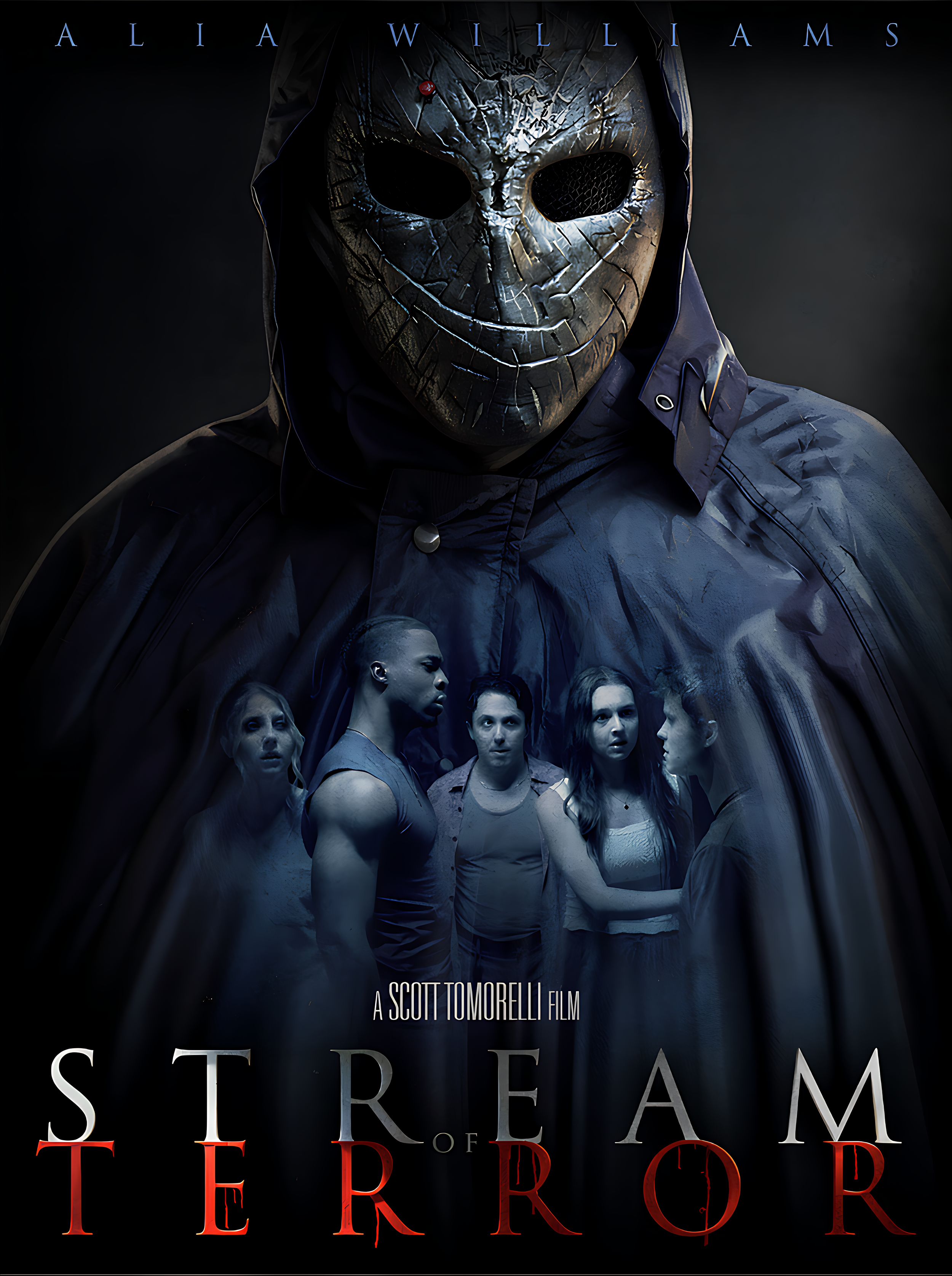
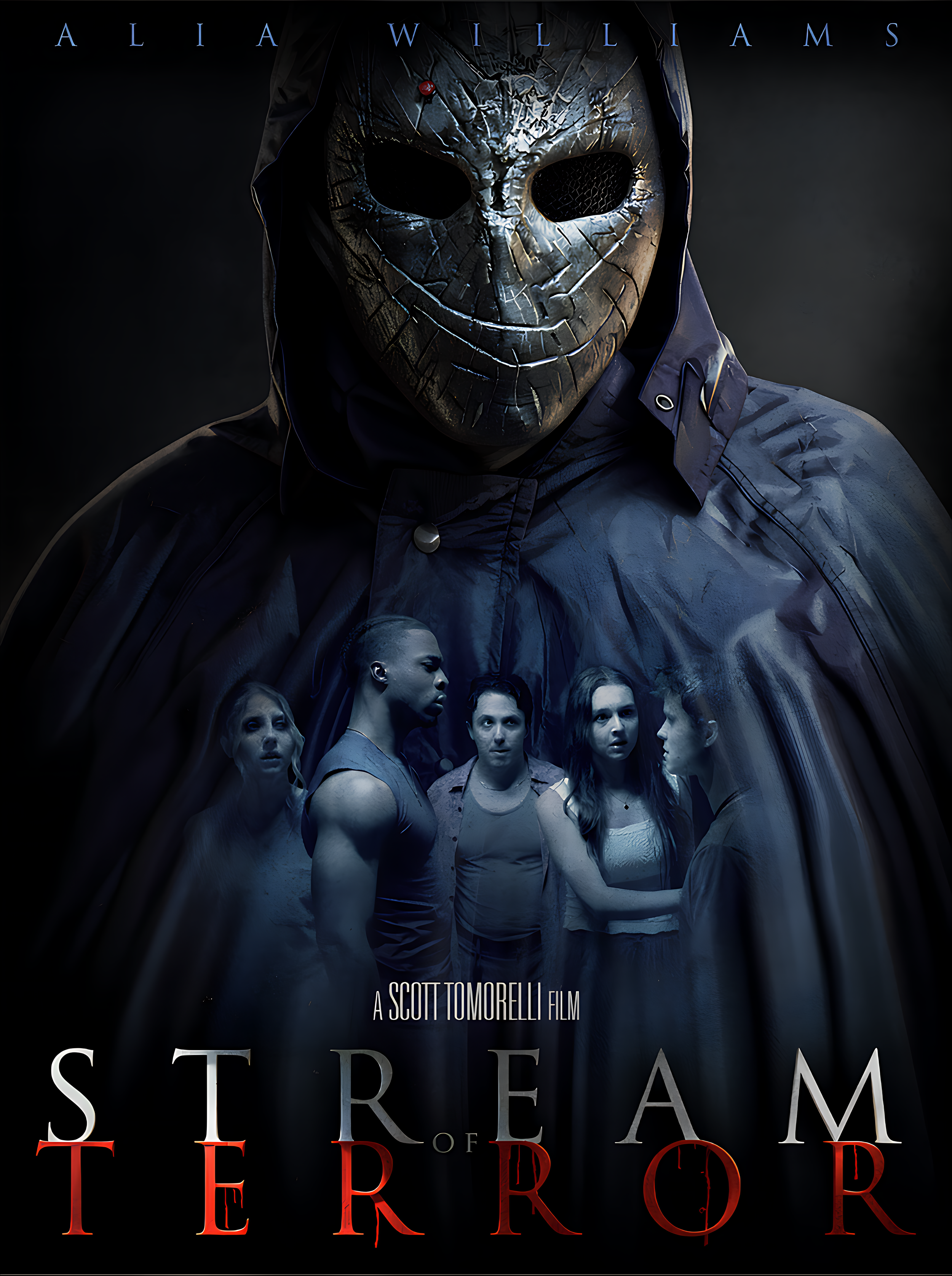
(REVIEW) “STREAM OF TERROR” Turns Going Viral Into a Bloody Nightmare
Courtesy of Stream of Terror Film LLC
Every generation gives horror a new toy to weaponize, and ours just happens to come with a front-facing camera and a comment section. From prank calls and camcorders to smartphones, social media, and live streaming, the genre has always been remarkably good at finding the sinister side of whatever technology we can't seem to live without. Livestreaming feels like an especially natural progression when practically anything can become content, privacy is increasingly optional, and some people will do almost anything for views.
That idea sits at the center of “Stream of Terror,” a meta mixture of horror and comedy that takes our obsession with watching other people's lives online and gives it a considerably bloodier purpose. Alia Williams stars as Tiffany Clarke, whose seemingly picture-perfect life begins to fracture when a masked killer starts targeting those around her and broadcasting the murders online. Director Robin Hofmann could have easily allowed the livestream concept to become a gimmick, but instead, she uses it as the foundation for a clever mystery with far more hiding beneath the surface.
One of the first things I noticed is how well the movie moves. The storyline never feels like it's simply killing time between kills, and even when things slow down to develop the characters or mystery, there's always a sense that something else is waiting around the corner. That pacing becomes even more important as Tiffany's final girl storyline starts taking some genuinely unexpected turns.
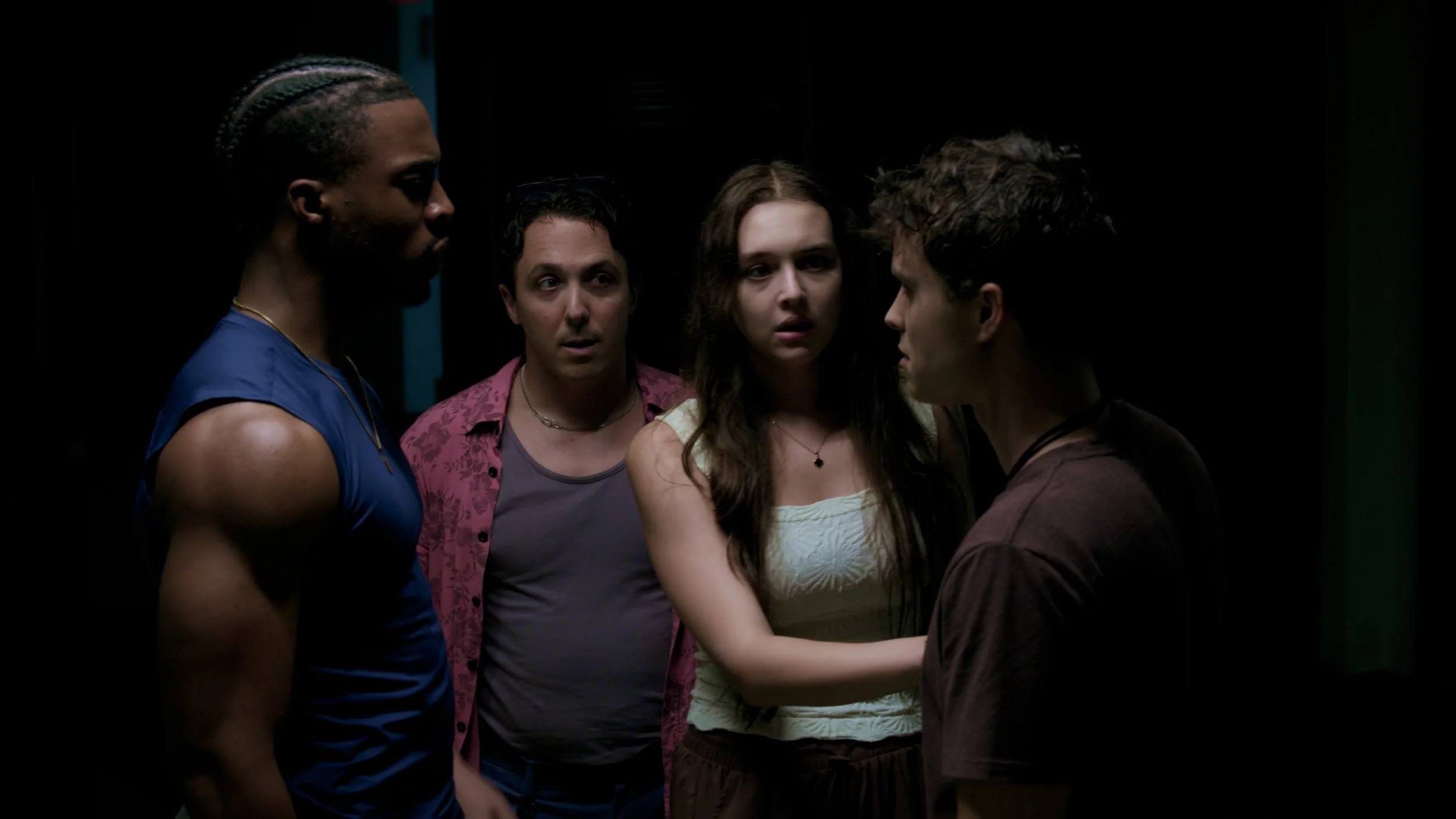
The cast deserves plenty of credit because there really isn't a bad performance in the bunch. Williams carries the movie well as Tiffany, while Triston Dye as Eric Alexander, Bobby Curelli as Greg Andino, Savannah Grace Elmer as Cameron, Edi Tingle as Lacey, and Nick Marshall Jr. as Jake help give the group around her plenty of personality. Erik Bello as Detective Brick and Bethany DeZelle as Officer Smith also fit comfortably into the ensemble, and everyone seems to understand exactly what kind of movie they're making.
A big reason the horror and comedy work so well together is Scott Tomorelli's writing. The screenplay knows when to have fun with the ridiculous side of what is happening without making the horror itself feel like a joke. There are some genuinely funny moments, but they never completely kill the tension or make Shatterface feel less dangerous. Meta horror can sometimes become so busy winking at the audience that it forgets it's also supposed to scare them, and “Stream of Terror” does a good job of avoiding that.
The cinematography (provided by Erik Van Lenten) is another thing that really worked for me, especially in the way the movie moves between its more traditional presentation and the footage we're seeing through cameras and screens. Hidden cameras, livestream footage, and POV perspectives aren't simply thrown in because the story involves the internet. They actually change how we experience certain scenes, occasionally putting us in the uncomfortable position of seeing exactly what the killer wants everyone else to see.
There's something inherently creepy about watching Shatterface turn murder into a livestream event. An unseen audience is sitting safely behind their screens while someone's death becomes content, and that gives the movie something surprisingly relevant to say about privacy and our obsession with attention. When virtually anything can be recorded, uploaded, and consumed within seconds, even tragedy can become entertainment. What I appreciated is that the movie never turns that idea into a lecture about the evils of social media. It gets the point across, lets it sit there, and then gets back to the horror. We already know people spend too much time online, so “Stream of Terror” doesn't need to spend twenty minutes explaining it to us.
Courtesy of Stream of Terror Film LLC
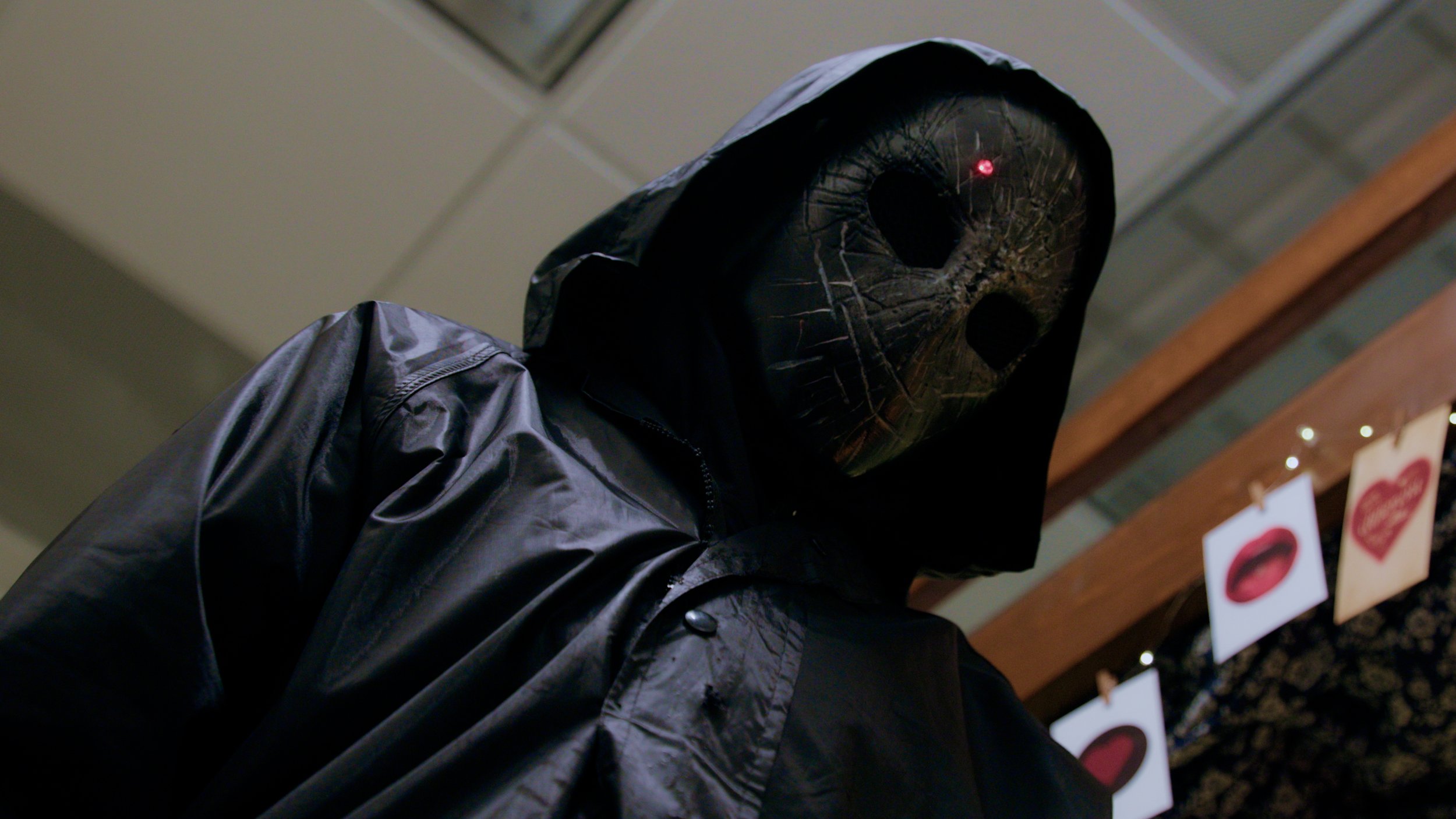
Speaking of Shatterface, I love how naturally the killer gets that name. There isn't some painfully obvious attempt to announce the arrival of horror's newest icon or manufacture a catchy nickname. Shatterface simply becomes Shatterface, and somehow that casualness makes the name even better. The killer's look is another part of the movie that really worked for me. The costume has a distinctive, spooky quality without feeling overly designed, while the mask is simple, memorable, and creepy as hell. Sometimes that's all you need, and paired with the livestream footage and POV shots, Shatterface ends up having a presence that sticks with you.
Then there's a particular sequence involving a mask and a skateboard that I'm going to be intentionally vague about because it's much better experienced without knowing what's coming. This was the moment when I went from enjoying “Stream of Terror” to completely buying into what it was doing. It's weird, memorable, and exactly the kind of horror moment that makes you sit there thinking, “Well, I definitely haven't seen that before.”
The mystery surrounding Tiffany is another part of the movie that really surprised me. The reason she's being stalked isn't telegraphed from the beginning, and the screenplay thankfully doesn't scatter gigantic breadcrumbs everywhere just so audiences can solve everything twenty minutes early. Instead, it gives us enough information to keep guessing without handing us the answer. There are certainly familiar ingredients underneath the mystery, including a few ideas horror has played with plenty of times before, but what impressed me was how the movie takes that foundation and keeps building on it instead of allowing familiarity to dictate where the story has to go. Something that could have become predictable develops into a much nastier horror story with its own identity.
At some point, I made the mistake every horror fan eventually makes: I decided I had figured everything out. I was pretty confident I knew where the movie was heading, and I had already started putting the pieces together in my head. Turns out, I wasn't nearly as clever as I thought I was.
Courtesy of Stream of Terror Film LLC
When the killer reveal finally arrived, it sent the story somewhere I genuinely wasn't anticipating. More importantly, it didn't feel like the screenplay was cheating just to manufacture a shocking twist. Once the pieces started falling into place, I found myself reconsidering things I thought I understood earlier in the movie, which is exactly what I want from a reveal like this. Apparently, one major surprise wasn't enough because another reveal arrives toward the end that caught me just as off guard, and by that point, my head was practically spinning in the best possible way. There are a lot of twists packed into this story, but they work because the movie keeps finding new ways to redirect your expectations without completely losing its own control.
That's what made “Stream of Terror” such a fun watch for me. The performances are strong, Tomorelli's writing finds a good balance between humor and horror, Hofmann knows how to make the different camera perspectives work, and Shatterface feels like a killer with an actual identity. Tiffany also gets a final-girl storyline that isn't content to travel in a straight line, which makes the mystery surrounding her much more interesting. The movie also understands that there's something a little ridiculous about our endless need to broadcast ourselves. Underneath the killer, the bloodshed, and the dark humor is a nasty little observation about how quickly someone's worst moment can become everyone else's entertainment. Still, it never forgets that it's a horror movie first.
Anyone who enjoys modern slashers, meta horror, and a mystery that isn't afraid to mess with its audience should have a lot of fun trying to stay one step ahead of Shatterface. “Stream of Terror” uses plenty of recognizable horror ingredients, but it rearranges them into something that feels fresh enough to have its own personality.
In a world where everyone is desperately trying to go viral, perhaps the most frightening thing isn't who's watching us, but what we're willing to let them watch. “Stream of Terror” is clever, entertaining, funny when it wants to be, and packed with enough surprises to keep horror fans guessing, all while making a pretty convincing argument that every once in a while, we should just put the damn phone down. “Stream of Terror” has partnered with one of my favorite horror movie distributors, TERROR FILMS RELEASING, with the plan to release this movie in OCTOBER. Stay tuned for the official release date.
Whether it’s slashers in the woods, ghosts in the attic, or killers in the cornfield, ILHM Reviews brings you the frightful horror flick recommendations worth watching. Follow us on Instagram, be sure to listen to the "I Love Horror" podcast, and remember that if you’re a true fan of horror, every night can be a FRIGHT NIGHT!
(NEWS) FOUND TV’s SPOOKY SEPTEMBER Unleashes New Found Footage Horror
Courtesy of FOUND TV
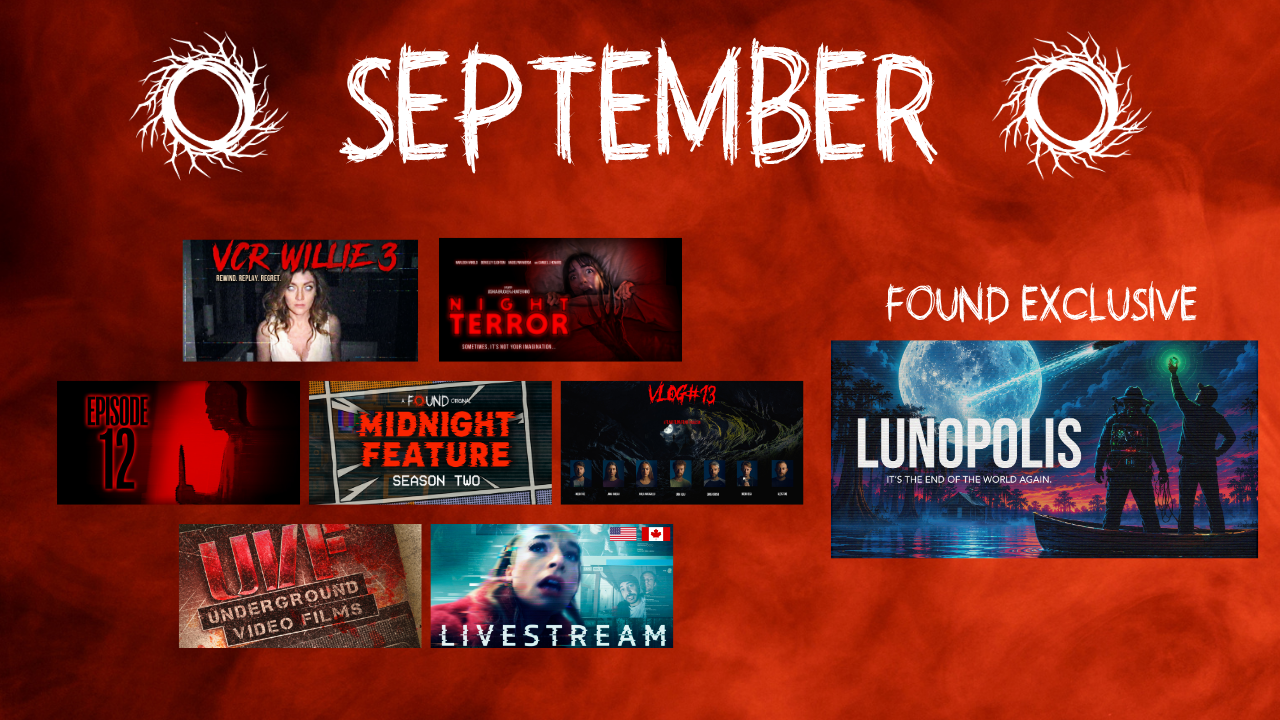
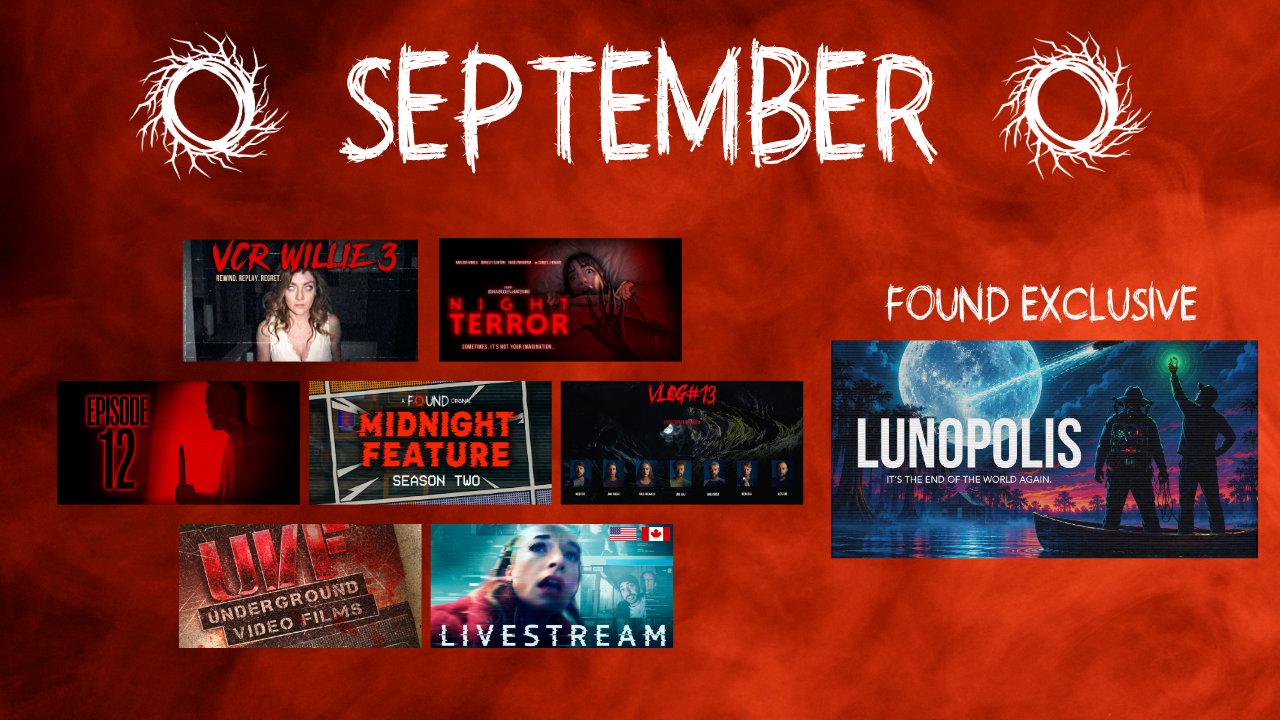
For some of us, spooky season never really ends. Horror is a 365-day-a-year lifestyle, which means the ghosts, slashers, demons, and assorted nightmare fuel don’t exactly get packed away with the Halloween decorations. For the more casual horror fan, though, September is where the shift begins. The nights start feeling a little different, Halloween starts creeping back into stores, and suddenly it feels perfectly reasonable to spend an evening watching something that probably should not have been captured on camera in the first place. September is the month when we slowly tiptoe through the veil, leaving summer behind and making our way toward the glorious darkness of October.
This year, FOUND TV is making that transition especially easy. The home of found footage horror has officially awakened the demons for Spooky September, unleashing a new batch of unsettling releases throughout the month, including several FOUND TV Originals. From mysterious videotapes and paranormal investigations to missing broadcasts, livestream nightmares, and underground footage that probably should have stayed buried, there is plenty here to warm up horror fans before Halloween fully takes over. So clear some room on your watchlist, keep the lights on if you must, and mark your calendars for what FOUND TV has coming this September.
Courtesy of FOUND TV
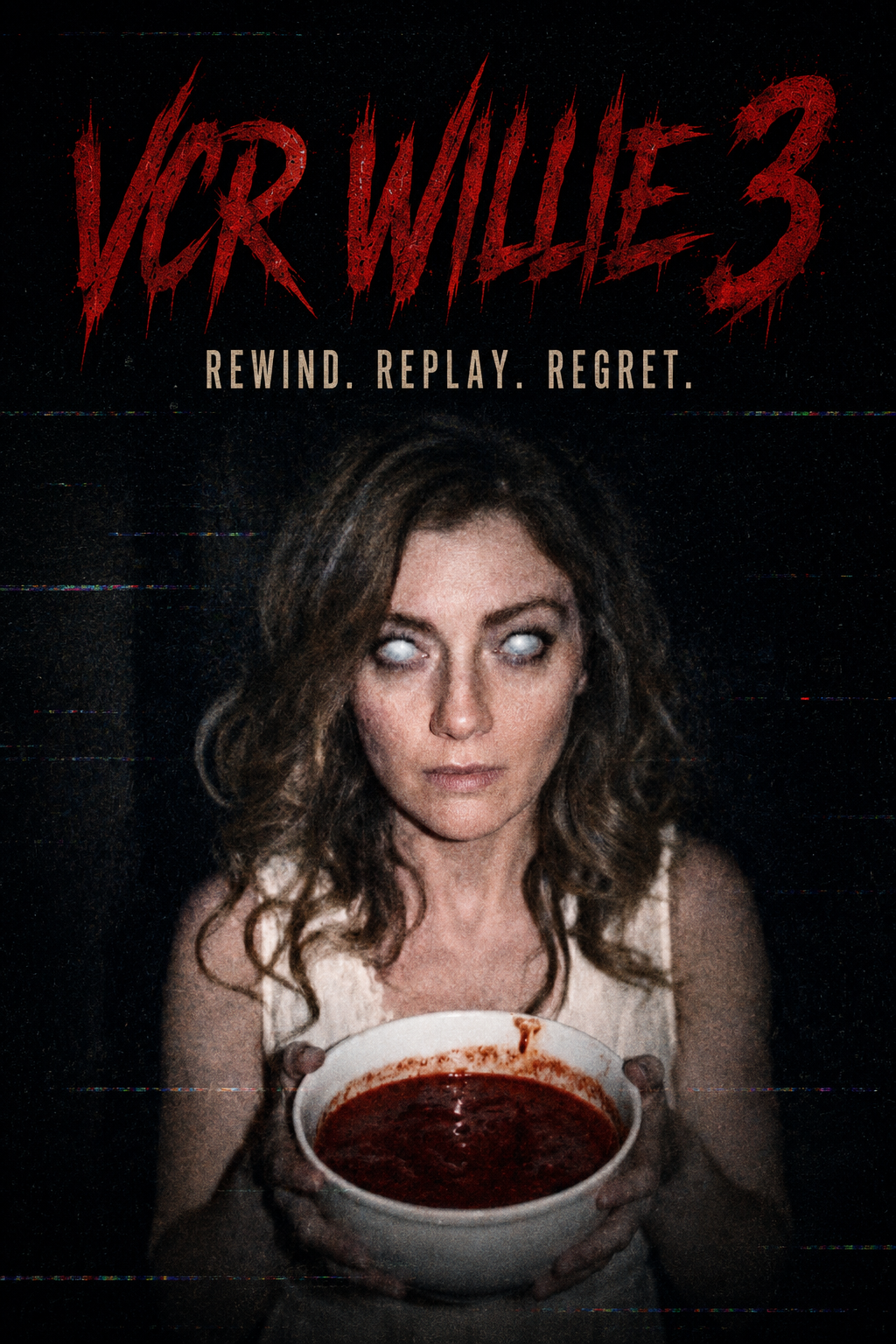
September 1: "VCR Willie: Tape 3"(2026) - The nightmare continues as the mysterious camera captures another disturbing chapter in the VCR Willie tapes.

Courtesy of FOUND TV
September 4: "Lunopolis"(2010) - FOUND Exclusive - Two documentary filmmakers accidentally uncover the greatest moon secret the world has never known, and the powerful organization determined to keep it that way.
Courtesy of FOUND TV
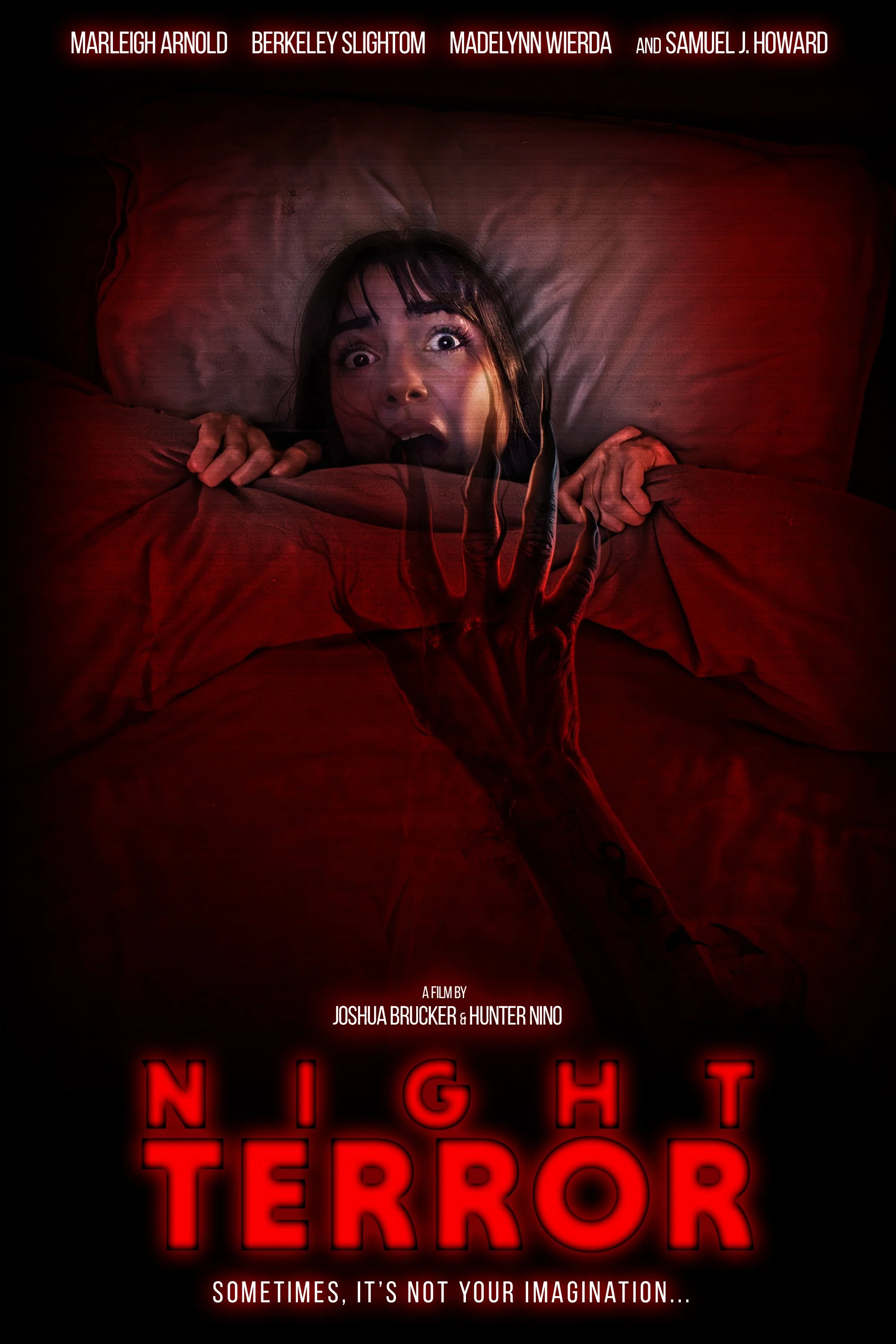
September 8: "Night Terror"(2026) - A woman struggling with lifelong sleep paralysis begins to fear that something more sinister is behind her nightly episodes when paranormal investigators suggest a supernatural connection. You can read my full review of “Night Terror” here.
Courtesy of FOUND TV
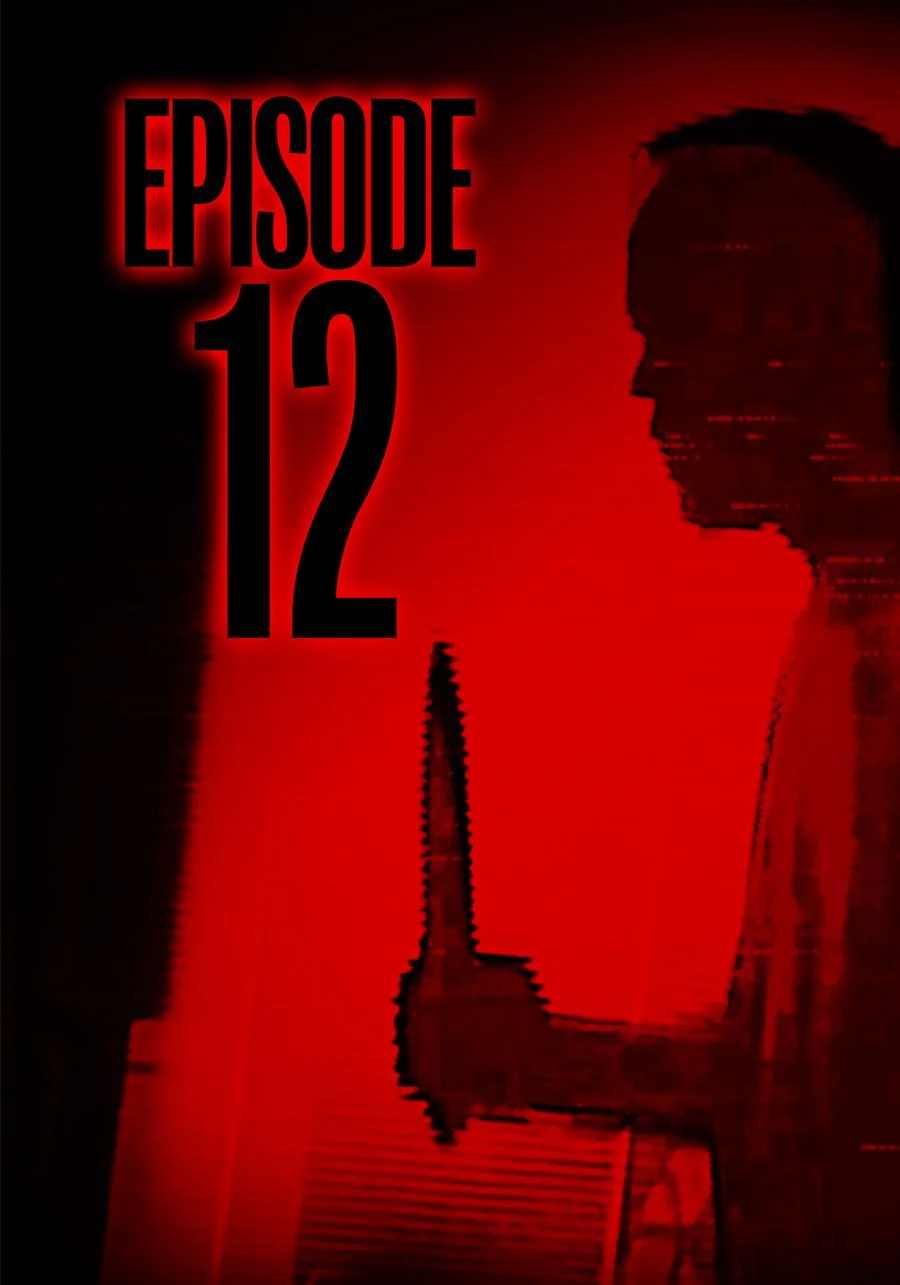
September 11: "Episode 12"(2026) - After paranormal TV series "Paranormal Closure" was abruptly pulled from broadcast, footage surfaces online claiming to be from a mysterious episode that never aired.
Courtesy of FOUND TV
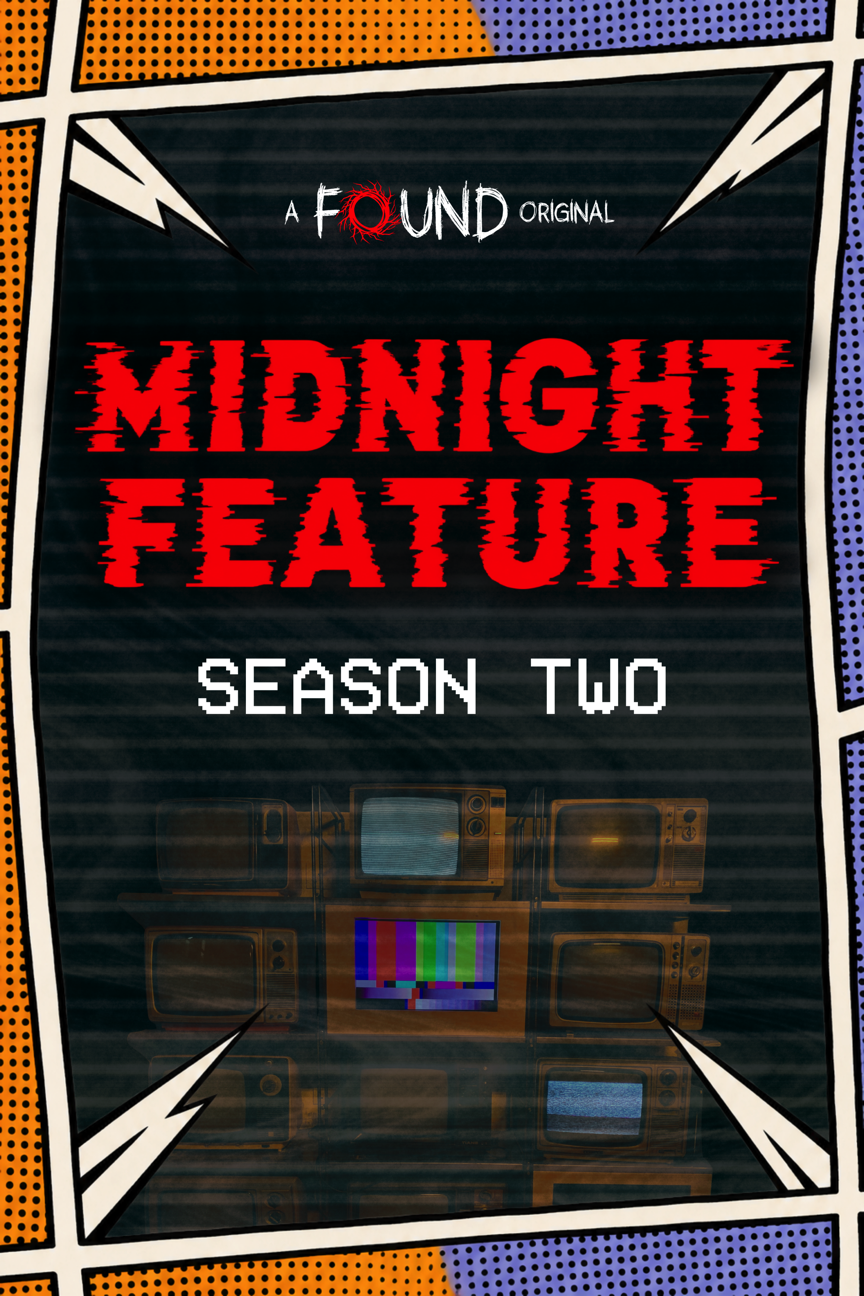
September 15:"Midnight Feature: Season 2, Episodes 1 & 2" (2026) - FOUND Exclusive - The Horror Dadz are back with season two of the acclaimed found footage anthology TV series.
Courtesy of FOUND TV
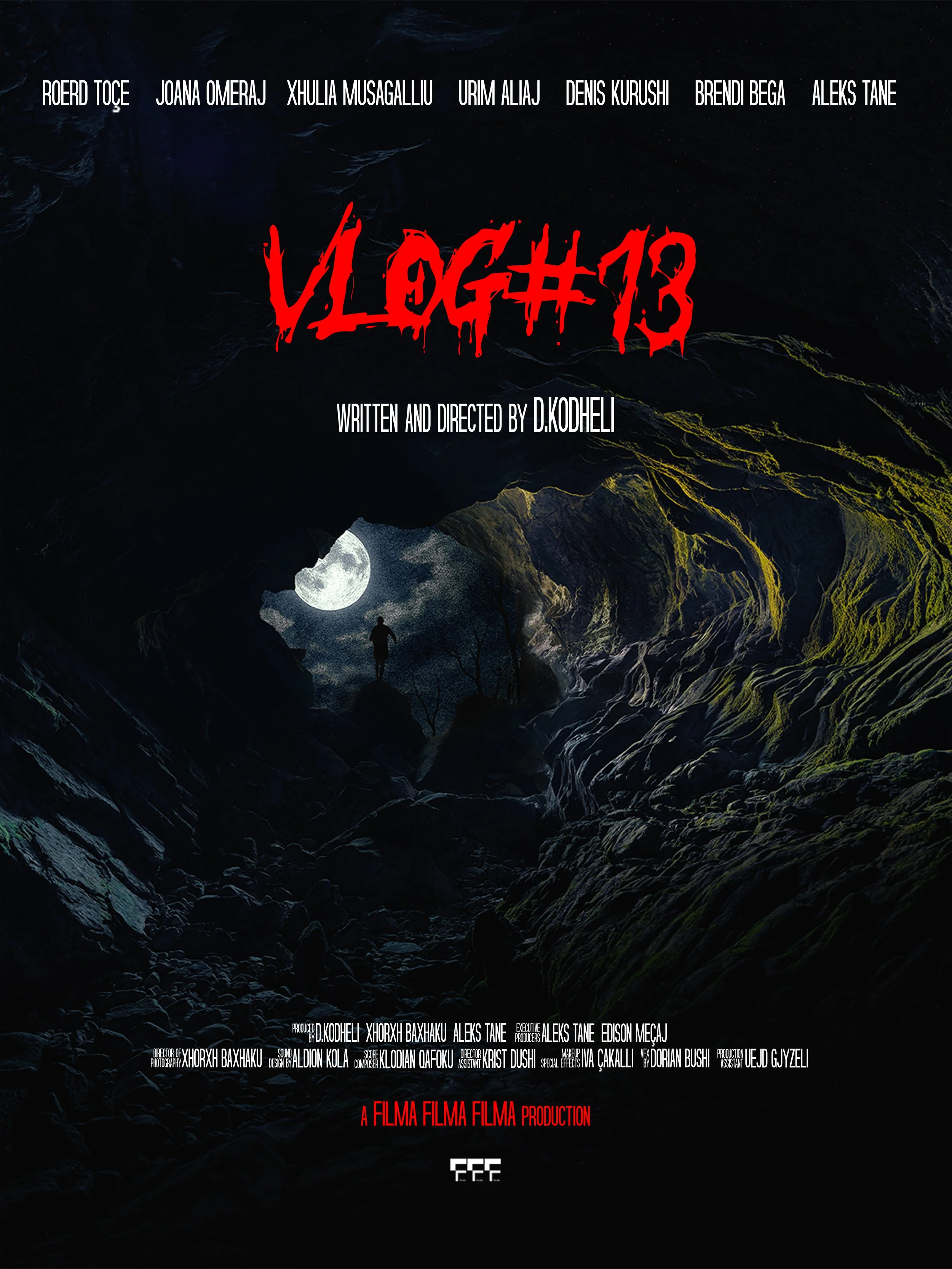
September 18:"Vlog#13"(2025) - A pair of popular vloggers explore the Albanian wilderness and investigate the ancient legends connected to the places they visit, only to discover some stories may be more than folklore.
Courtesy of FOUND TV
September 22:"Midnight Feature: Season 2, Episodes 3, 4 & 5"(2026) - FOUND Exclusive - The Horror Dadz return with three more episodes from season two of the acclaimed found footage anthology TV series.
Courtesy of FOUND TV
September 25:"Livestream"(2025) - A livestream spirals out of control when toxic fandom, curated online personas, and real-life danger collide in a chilling story of parasocial obsession. Available in the U.S. and Canada only.
Courtesy of FOUND TV
September 29:"U.V.F: Underground Video Films"(2026) - Presented as a forbidden television broadcast, this horror anthology brings together a collection of unsettling underground short films from around the world.
September is shaping up to be a thrilling month for fans of found footage horror. FOUND TV offers a range of spooky films, paranormal tales, and distinctive genre selections from around the globe. Featuring fresh releases, exclusive content, cult favorites, and late-night picks. Horror enthusiasts will find plenty to enjoy. If you're a new subscriber, you can use the code ILOVEHORROR to save $5 on an annual subscription.
September promises a banquet of bone-chilling and spooky delights for found footage aficionados. FOUND TV rolls out a devilishly diverse slate of shocks and shivers from every haunted corner of the globe. You've got the freshest nightmares, cult oddities, exclusive premieres, and enough midnight mayhem to keep even the bravest horror fan looking over their shoulder. Still lurking on the fence? Now’s your cue to embrace the darkness. Snag your subscription with code ILOVEHORROR and carve $5 off your year subscription. Dim the lights, lock the doors, and prepare your heart to beat fast with fear, because this September FOUND TV is the stuff that screams are made of.
Whether it’s slashers in the woods, ghosts in the attic, or killers in the cornfield, ILHM Reviews brings you the frightful horror flick recommendations worth watching. Follow us on Instagram, be sure to listen to the"I Love Horror" podcast and remember that if you’re a true fan of horror, every night can be a FRIGHT NIGHT!
(REVIEW) “NIGHT TERROR” Gives Found Footage Fans Something to Lose Sleep Over
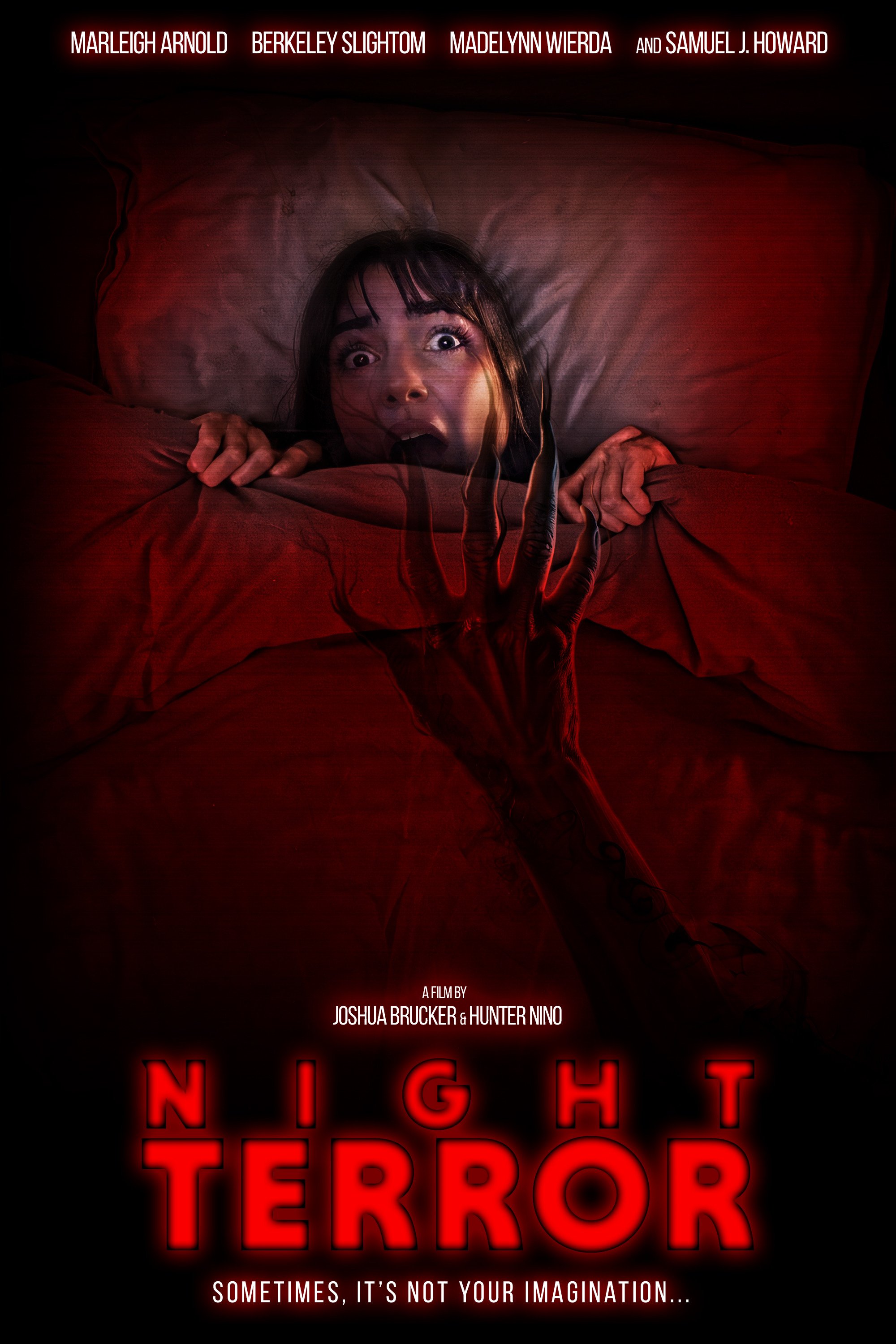
Courtesy of Terror Films Releasing
There are certain distributors I trust wholeheartedly when it comes to independent horror, and TERROR FILMS RELEASING remains firmly at the top of my list. They’ve got an uncanny knack for spotting found footage that either plunges you straight into the nightmare or leaves you scratching your head, wondering why anyone thought charging the camera battery was a good idea. Luckily, TFR partners with filmmakers who truly understand this tricky format, and “Night Terror” is just another reason I keep coming back to see what they’ll unleash next. Written and directed by Joshua Brucker alongside director Hunter Nino, “Night Terror” stars Marleigh Arnold, Hunter Nino, Berkeley Slightom, and Madlyn Wierda. The story follows Shelly, a young woman struggling with chronic sleep paralysis and recurring night terrors whose desperate search for help eventually attracts the attention of two college students looking to document her condition. What begins as an academic project quickly becomes something far more disturbing, because apparently filming someone whose nights are already filled with terror is never going to end with everyone calmly turning in their final paper.
The basic setup immediately reminded me of “The Taking of Deborah Logan,” particularly in how a group enters someone's life intending to document a medical or psychological condition before slowly realizing something much darker may be happening. I wouldn't call “Night Terror” a copy by any means, but it definitely feels like an homage in the way curiosity turns into concern and then outright terror. If you are a fan of “The Taking of Deborah Logan,” there is enough familiar DNA here to grab your attention while still allowing “Night Terror” to carve out its own identity.
One of the first things that surprised me was how good this movie looks. Found footage normally gets a free pass on cinematography because shaky cameras, imperfect framing, and rough visuals are basically written into the contract, but “Night Terror” has a cinematic presence most movies in the subgenre simply don't. It looks polished without becoming so polished that you stop believing these characters are documenting something themselves, which is a much harder balance to pull off than it sounds.
The cinematography also plays an important role in building the atmosphere instead of simply recording it. The lighting, framing, use of space, and overall visual presentation make Shelly's surroundings feel increasingly uncomfortable as the movie progresses, and there are several moments where the camera is doing just as much work as the performances. Found footage is at its best when you start scanning every corner of the frame because you aren't sure what might be hiding there, and “Night Terror” understands exactly how to use that paranoia.
As strong as the movie looks, Marleigh Arnold is easily the standout for me. Her performance as Shelly gives the story the emotional weight it needs, because she never plays the character as someone who exists solely to scream whenever something creepy happens. Arnold moves convincingly from shy to exhausted, frightened, and eventually consumed by genuine terror, and her performance makes it feel as though you are standing in the room alongside the filmmakers, watching everything happen to her.
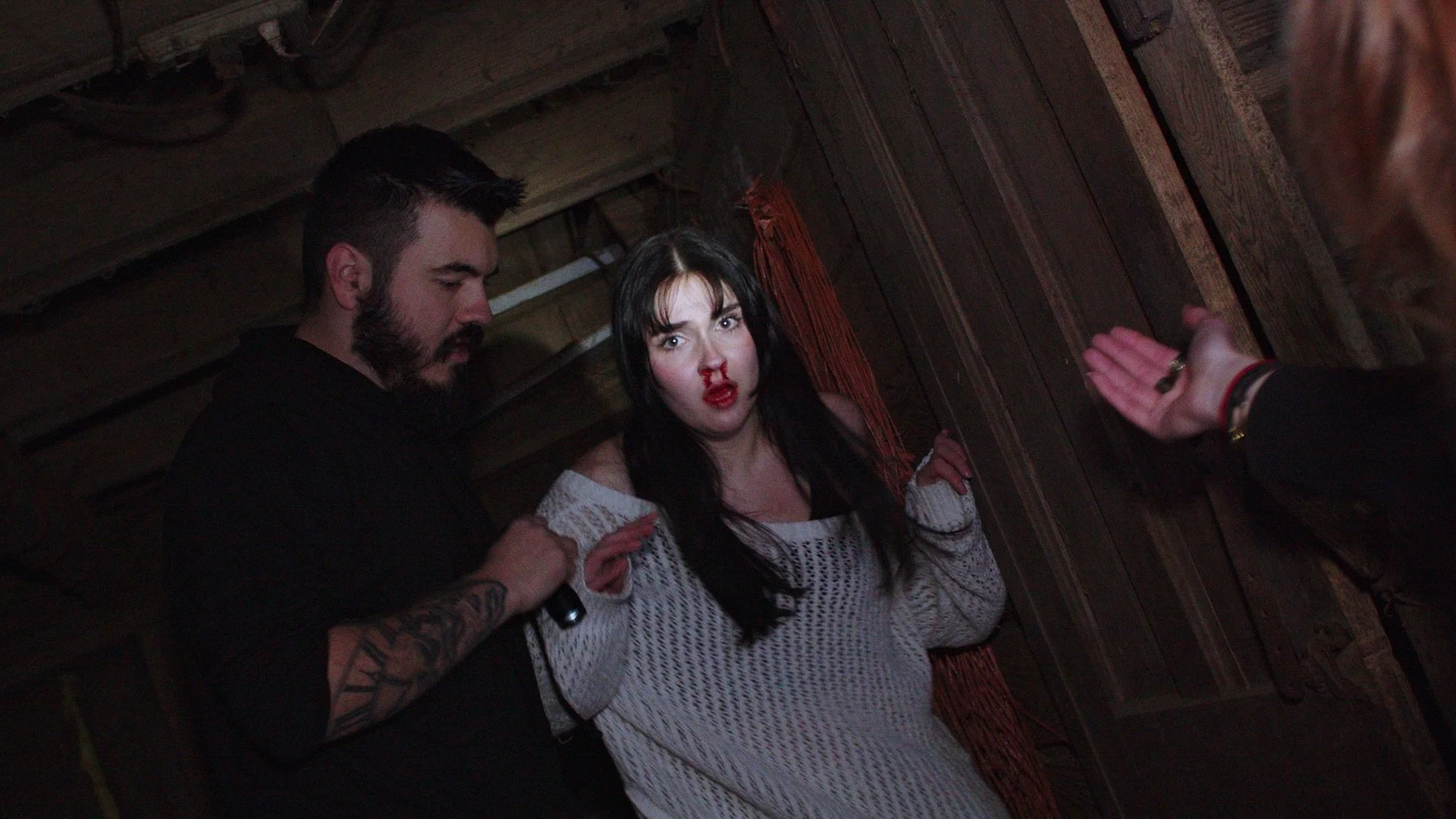
Courtesy of Terror Films Releasing
What I appreciated most about Shelly is how easy it becomes to empathize with her before the movie even starts showing its bigger horror cards. At the heart of everything, she simply wants something most of us barely think about until we don't have it anymore: a good night's sleep. Arnold sells that desperation incredibly well, and you can feel how physically and emotionally draining it has become for Shelly to dread something as ordinary as going to bed every night.
That emotional connection makes the horror much more effective because I wasn't simply waiting for the next scare. I wanted Shelly to get some relief, and as her condition becomes increasingly difficult to understand, the movie makes her exhaustion feel almost as frightening as whatever may be causing it. Sleep is one of those things we take completely for granted, and “Night Terror” does a terrific job reminding you how quickly that comfort could become something you fear.
The rest of the cast deserves plenty of credit as well, because Hunter Nino, Berkeley Slightom, and Madlyn Wierda all fit naturally into the world around Shelly. The group has an easy chemistry that helps sell the documentary-style approach, and nobody feels like they are performing for the camera just because this happens to be a found footage movie. Their performances complement one another nicely and keep the story grounded even as what they are documenting becomes considerably less grounded.
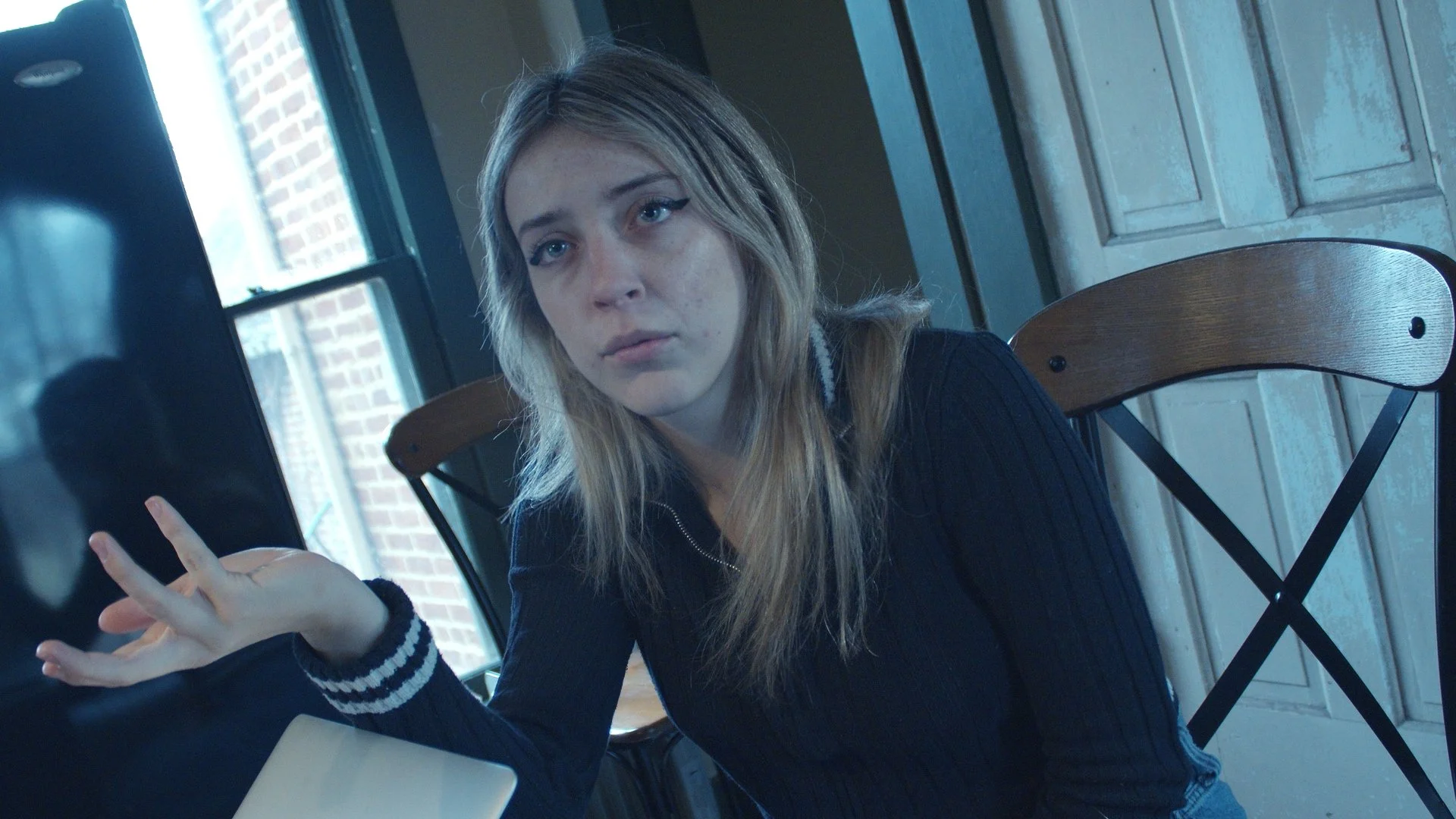
Courtesy of Terror Films Releasing
Brucker's love for found footage is also clearly embedded throughout the film, and he has described himself as a longtime fan of the genre. That fascination began when he first discovered “The Blair Witch Project,” a movie that helped shape his appreciation for just how effective found footage could be. He mentioned this in a recent press release from Terror Films Releasing:
“I’ve always considered myself a connoisseur of found-footage horror films, a passion that began in childhood when I first rented The Blair Witch Project with my family.”
While Brucker didn't grow up wandering through the woods like the characters in “The Blair Witch Project,”he was raised on an isolated farm. That experience helped shape the feeling of detachment and isolation that would eventually find its way into “Night Terror,” and you can feel some of that loneliness throughout the film. It gives the story a sense that Shelly is trapped not only by what is happening to her, but also by how difficult it is for anyone around her to fully understand what she is experiencing.
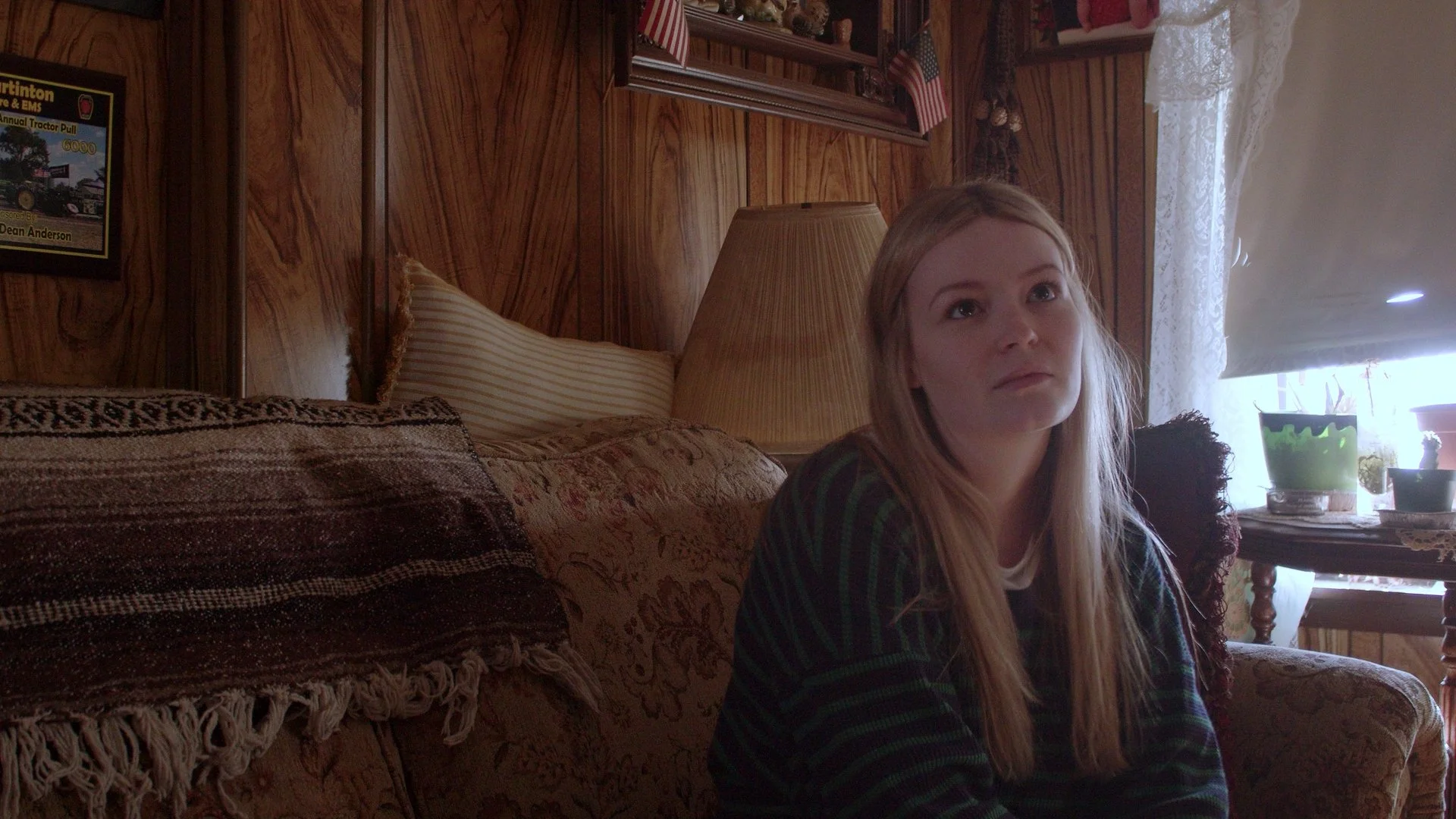
Courtesy of Terror Films Releasing
Another major influence came years later when “Paranormal Activity” was released while Brucker was attending college, helping convince him that filmmaking was something he wanted to pursue professionally. Those influences make sense when watching “Night Terror,” but the film doesn't spend its runtime simply trying to recreate either one. Brucker clearly understands the language of found footage while still allowing his own story and filmmaking style to come through.
There is an appreciation for what came before without the movie constantly elbowing you in the ribs and asking whether you caught the reference. That balance helps “Night Terror” feel familiar enough for longtime found-footage fans while still having its own personality.
What really earns “Night Terror” extra points with me is its final act. I won't spoil what happens, but the movie does an excellent job of letting you become comfortable with where you think the story is heading before completely pulling the rug out from underneath you. The twist works because it doesn't feel thrown in just for shock value, and it leaves you reconsidering some of what came before once everything finally falls into place.
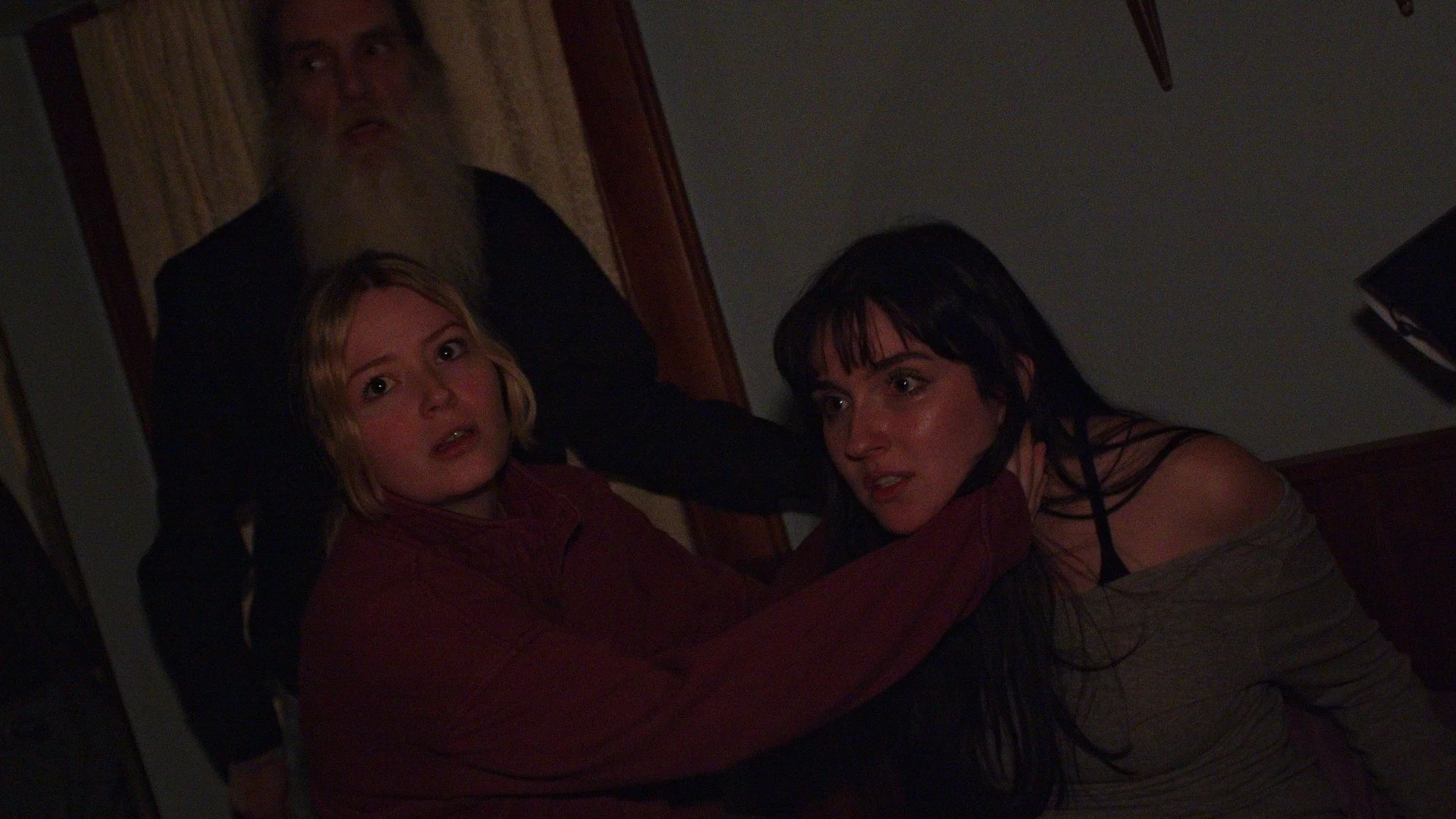
Courtesy of Terror Films Releasing
Brucker himself teased that audiences should expect that kind of surprise, making it clear the third act was meant to send the story somewhere viewers might not anticipate. He also mentioned this in a recent press release from Terror Films Releasing:
“Without giving too much away, I believe the film takes a compelling turn in the third act, one that will leave audiences genuinely shocked.”
He wasn't exaggerating, either, because the payoff is one of the strongest parts of the movie. Horror audiences have become very good at spotting the finish line before the characters do, especially in found footage where we already know things probably aren't going to end with everyone exchanging phone numbers and heading home. “Night Terror” manages to keep something hidden up its sleeve, and that final turn gives the movie a satisfying last punch without betraying everything that came before it.
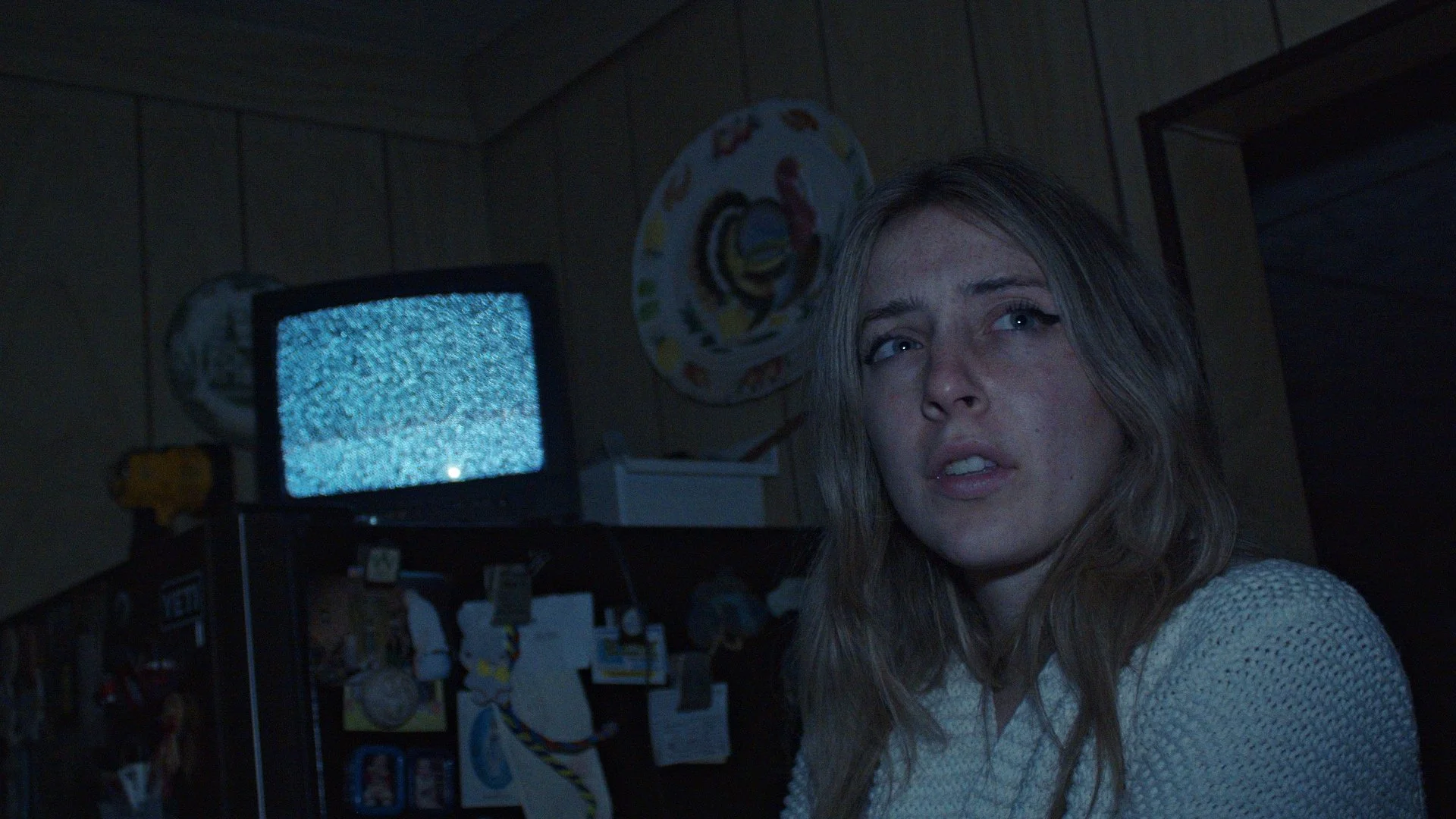
Courtesy of Terror Films Releasing
For found footage fans, “Night Terror” is absolutely one I would recommend. It has a strong central storyline, impressive cinematography, a fantastic lead performance from Arnold, and enough confidence in its third act to take the story somewhere I wasn't completely expecting. Even if you think you have already watched every possible version of people pointing cameras at things they should probably be running away from, this one has enough personality to justify pressing play.
It is also another reason I continue to have so much love for TERROR FILMS RELEASING and the filmmakers they choose to support. Over the years, TFR has consistently found independent horror projects with their own voice, particularly within found footage, and they seem genuinely interested in partnering with filmmakers who care about the genre rather than simply adding another title to a streaming catalog. That relationship with independent horror is one reason I am always interested when I see their name attached to something new.
“Night Terror” from TERROR FILMS RELEASING is out now and currently available on platforms including Tubi, Chilling, The Roku Channel, Fandango at Home, and more. I definitely recommend checking it out, although you may want to reconsider making it your final movie before bed. Once the credits roll, you might find yourself appreciating just how lucky you are when your head hits the pillow and nothing keeps you awake.
Whether it’s slashers in the woods, ghosts in the attic, or killers in the cornfield, ILHM Reviews brings you the frightful horror flick recommendations worth watching. Follow us on Instagram, be sure to listen to the"I Love Horror" podcast, and remember that if you’re a true fan of horror, every night can be a FRIGHT NIGHT!
(REVIEW) TERROR FILMS RELEASING’S "THE PSYCHIC: FILES" Makes Going Viral Deadly
Courtesy of Terror Films Releasing
Social media and found footage are quickly becoming one of horror’s most popular partnerships. Livestreams, influencers, viral challenges, and the constant need to capture everything on camera fit naturally into a genre built around the idea that someone kept recording when they absolutely should have stopped. I understand why filmmakers keep returning to it, but I’ll admit I’m not the biggest fan of the trend (though I am slowly coming around). The influencer angle has become so common that it can sometimes feel like the easiest excuse for why characters willingly walk into terrible situations with a camera in hand to show their POV. Thankfully, "The Psychic: Files" finds enough supernatural horror, bloody discoveries, and genuine weirdness to make me enjoy the ride far more than I expected.
Written and directed by Wes Clark, "The Psychic: Files" follows two ambitious streamers who break into the home of a psychic hoping to capture something shocking enough to send their views through the roof. Unfortunately for them, they succeed. I am always a fan of the idiots in horror movies. Without them, we wouldn’t have the horror movies we enjoy, so I proudly applaud their stupidity being the catalyst for scary situations. What begins as another reckless attempt at viral fame quickly becomes something far more dangerous when they discover that the spirits inside the house may be controlled by an even more sinister presence.
The film stars Shelby Latterman, Jason Dezik, and Amanda Schoonover. It uses its livestream perspective to explore something especially fitting for modern horror: the strange comfort we find in being watched. Thousands of people might be following along from behind their screens, but when something genuinely terrible happens, that audience suddenly becomes little more than a collection of usernames and comments. It is an interesting idea, and the found-footage format gives the movie an appropriately voyeuristic feeling. This movie has moments where it works very well, but “Deadstream” does it better.
'The Psychic: Files' benefits from not being confined to its social media gimmick. Once supernatural elements come into play, the film becomes much more engaging, allowing the story to go beyond merely chasing views and into truly strange territory. I appreciate that it maintains a fast pace and quickly delivers the terrifying moments. While I enjoy slow burns, they can lose my interest if they drag on too long. However, if the payoff is substantial, I find it worthwhile, and this movie successfully stays focused throughout. The storyline can feel scattered, with several ideas competing for attention instead of flowing naturally into one another. I also wanted more backstory on the central characters and their relationship. Developing that connection further would have made some of the later revelations and emotional moments carry more weight. There is enough to understand the dynamic, but a little more time establishing why these characters matter to one another could have strengthened the story.
Even with those issues, the mystery kept me curious about what was actually happening inside the house. The film delivers several enjoyable surprises along the way, including a nice twist that adds another dimension to what initially seems like a straightforward paranormal setup. It never completely fixes the uneven narrative, but it does make the bigger picture considerably more interesting.
Courtesy of Terror Films Releasing
The gore is another welcome surprise. "The Psychic: Files" is not afraid to get messy when the story calls for it, and some of its bloodier moments provide exactly the kind of payoff you want after spending so much time wandering through dark rooms waiting for something horrible to happen. The practical nastiness also gives the later portions of the movie a little extra personality.
Things get especially fun toward the end, when the movie begins revealing just how bizarre the situation inside the house really is. Without spoiling what is waiting down there, the atmosphere started giving me flashes of "The People Under the Stairs". It isn’t trying to imitate that film, but it has a similar feeling: you enter a house expecting one type of nightmare and discover something stranger hiding behind the walls. That unexpected shift was easily one of my favorite parts of the movie. They knew this movie needed to make its own mark in the found-footage world, and they did it well.
Knowing that "The Psychic: Files" is intended to be the first chapter in a continuing series from 741 Films also makes some of its bigger ideas intriguing. There are pieces of mythology introduced here that could become much more compelling if future stories expand upon them, especially now that this first installment has established the kind of strange territory the series is willing to explore. I will also never turn down an opportunity to check out a horror anthology series.
Courtesy of Terror Films Releasing
"The Psychic: Files" could certainly benefit from a tighter storyline and stronger character development, but its flaws never completely overwhelmed what worked for me. There are some effective supernatural moments, a clever twist, surprisingly good gore, and a final stretch that confidently embraces the weirdness of its premise.
Considering I normally see the words "influencer found-footage movie" and immediately prepare myself for ninety minutes of bad decisions and screaming into a phone, I had a much better time with this one than I expected. "The Psychic: Files" may begin with characters desperately trying to create something worth watching, but once the house starts revealing its secrets, the movie becomes exactly that.
"The Psychic: Files" from Terror Films Releasing is now available on Tubi, Chilling, The Roku Channel, Fandango at Home, and additional streaming platforms.
Whether it’s slashers in the woods, ghosts in the attic, or killers in the cornfield, ILHM Reviews brings you the frightful horror flick recommendations worth watching. Follow us on Instagram, be sure to listen to the"I Love Horror" podcast and remember that if you’re a true fan of horror, every night can be a FRIGHT NIGHT!
My First MIDSUMMER SCREAM: A Weekend Celebrating All Things Horror
Horror has been a part of my life for as long as I can remember, but my relationship with the genre goes much deeper than simply enjoying scary movies. Growing up, movies became an escape for me, especially during some of the more traumatic moments of my childhood. Horror, strangely enough, became one of my favorite ways to wind down. You might think someone who experienced scary things in real life would want nothing to do with them on screen. Oddly enough, I found myself fascinated by the stories, characters, monsters, and lore within the genre. Horror wasn't something I wanted to run from; it was something I couldn't get enough of and always found myself running toward.
That love of horror followed me well into adulthood. It eventually led me to start the “I Love Horror Podcast,” where I’ve spent the past six years talking with filmmakers, actors, and creators about the genre we all love. Despite all the incredible experiences the podcast has given me over the years, there was still one horror event I had watched from afar for a few years and always wanted to experience for myself. That event was the event of all horror events: Midsummer Scream.
This year, I finally had the chance to cover Midsummer Scream in Long Beach, California, and the trip meant more than just attending a horror convention. I traveled by myself for the first time in almost 10 years. My wife and I usually take trips to Disneyland together, so heading to California alone was a big step for me in many ways. As soon as I got to my hotel, I truly felt like a “shark out of water”, my horror-loving version of the traditional “fish out of water” story.
Thankfully, I didn't have to wait long before seeing a familiar face. The day I landed in Long Beach, one day before Midsummer Scream officially began, I met up with longtime friend and past podcast guest Jax Skellington, an actress from “Pillow Party Massacre” and talented musician who also provides the intro song for the podcast. We had lunch at The Ordinarie Tavern, and there was something special about sitting across from one of the first people I connected with early in my podcasting career and simply sharing some laughs. It was a great way to settle into Long Beach before the insanity of the weekend began.
Walking into Midsummer Scream for the first time the next day was like stepping into another world, one where horror fandom, elaborate cosplay, and enough horror merchandise to completely destroy my bank account surrounded me in every direction. Think of the “Pure Imagination” scene from “Willy Wonka & the Chocolate Factory,” only instead of candy and chocolate, there were decapitated heads, severed limbs, monsters, and plenty of gore. The only thing missing was a river of blood. Granted, considering the amount of makeup effects and stage blood throughout the convention, we probably weren't that far away from one.
The main floor had so much to take in that I honestly didn't know where to start. There were booths dedicated to major film studios like Universal Studios and Lionsgate, along with local haunted attractions like The Queen Mary, which, for an extra spook factor, I seriously considered staying at during my trip.
Of course, one of the biggest attractions at Midsummer Scream is the collection of walkthrough haunts. I explored the area and got a taste of what they had to offer, but it was also where I learned one of the biggest lessons from my first Midsummer Scream: there simply isn't enough time to do everything. Between interviews, panels, exploring the show floor, reconnecting with friends, and trying to take in as much of the convention as possible, I didn't get to experience the haunts the way I wanted to. Next year, they're going straight to the top of my list.
One of the first things that immediately caught my attention was the Paramount Scares/FANGORIA “Scream”-themed Bradley Video Store, so naturally, I had to check it out. The experience included a Ghostface photo op and a mini video store walkthrough that immediately took me back to the glory days of Blockbuster Video. That nostalgia hit especially hard for me because I actually worked at a few Blockbuster stores when I was younger and still miss that atmosphere immensely.
As someone who remembers spending way too much time wandering through video stores and browsing the horror section for something new to watch, there was something incredibly nostalgic about seeing rows of VHS cases and that old-school rental-store aesthetic again, only this time with a “Scream” twist.
The theming was incredibly cool, with little details throughout the store that made it feel like you had stepped into an actual video rental shop from another era. Of course, having Ghostface hanging around made this particular video store a little more dangerous than the Blockbuster I remembered growing up. At least I don't remember any slashers hanging around that weren't already on the shelves.
They also had clamshell VHS cases featuring different horror movies that let guests win various pieces of merchandise. I decided to pick something completely at random and somehow ended up choosing a horror comedy I've always loved, “Vampire in Brooklyn.” Unfortunately, there was no prize inside my VHS case, but I walked away with something arguably more nostalgic: my very own Bradley Video Store membership card.
They had me write my name on the card and laminated it right there, turning it into a fun little memento I could take home. It's one of those small convention souvenirs that probably means more to me than something I could have simply bought at a booth. Throw in a free copy of FANGORIA Magazine, and it was a pretty great way to kick off my first Midsummer Scream.
One of my favorite parts of any convention is always the vendor floor and artist alley. I get immense joy from walking through what feels like a gallery of terror created by other creative people and seeing all the different ways horror has inspired them. There were so many incredible vendors throughout the weekend, including Tee No Evil, Crude Inc., Trick or Treat Studios, FANGORIA, Bloody Disgusting, Creep-O-Rama, Discount Cemetery, Art by Cheyne, Lucky Hellcat Art, Sandrade Illustration, and many more.
I spent hours going back and forth between vendors, discovering new artists, revisiting booths I had already convinced myself I was done spending at, and somehow leaving with even more. By the end of the weekend, I had managed to snag T-shirts, posters, artwork, stickers, collectibles, celebrity autographs, and enough other horror merchandise to make packing for the flight home an entirely different kind of nightmare.
My first night at Midsummer Scream also gave me one of those moments where I had to remind myself how surreal doing the podcast has become. I was invited to attend the Storm King Comics VIP event celebrating “CATHEDRAL,” the graphic novel and companion music project from the world of Storm King Comics. The event alone was an incredible way to spend my first night at the convention, but it became even more memorable when I got to meet John Carpenter. I felt a bit like a little kid eagerly waiting to meet Santa Claus. I hung out while people talked to him, waiting for a moment to say hi and show my appreciation for his work in horror. I always try to bring up a random movie or work I’ve enjoyed instead of the typical fan favorite when I meet celebrities. So, when I finally got my chance to go over and say hi, I had to mention one of my favorites of his, “Body Bags.” He laughed and said thanks. Very nice about it, and we took a selfie. After that, I chilled for a bit at the VIP event, enjoying the music and people hanging around.
There are certain names in horror that almost feel larger than the genre itself, and Carpenter is absolutely one of them. This is the filmmaker behind “Halloween,” “The Thing,” “They Live,” “The Fog,” and countless other movies and scores that helped shape not only horror, but my own love of it. Standing there with John Carpenter was one of those rare moments where the podcaster in me disappeared for a second and the lifelong horror fan completely took over. Out of all the memories I brought home from Long Beach, meeting Carpenter is one I know I'm going to be talking about for a very long time.
The next day, my Storm King Comics experience continued when I sat down to interview Sandy King, founder and editor of Storm King Comics and co-author of “CATHEDRAL” alongside John Carpenter and Sean Sobczak. We talked about the comic, the world they created for “CATHEDRAL,” and what it took to bring the project to life. After meeting Carpenter the night before, sitting across from Sandy to discuss the project made the entire Storm King Comics experience one of the biggest highlights of my weekend.
Of course, Carpenter wasn't the only horror icon being celebrated throughout Midsummer Scream. One of the biggest themes of this year's convention was the 30th anniversary of Wes Craven's “Scream.” The celebration brought together cast members Matthew Lillard, Skeet Ulrich, Jamie Kennedy, Roger L. Jackson, Joseph Whipp, and Lee Waddell, along with Spencer Charnas of Ice Nine Kills, composer Marco Beltrami, and many others tied to the film's legacy.
The weekend included panels celebrating “Scream,” along with booths where cast members could meet fans and sign autographs. Because everyone was so popular, I could only stop by Skeet Ulrich's booth to say hello and get an autograph before he, too, was listed as “at capacity” for fans. If there was ever any doubt that people still love “Scream” three decades later, Midsummer Scream erased it quickly.
With so much happening throughout the weekend, I surprisingly only made it to two panels, but both were ones I genuinely wanted to see. The first was the “V/H/S Halloween: Home Haunt” panel, which was particularly special because it featured past podcast guest Sarah Nicklin. The panel also featured Josh Goldblum (producer of the V/H/S franchise), Micheline Pitt-Norman (Co-writer and director of the "Home Haunt" segment), R.H. Norman (Co-writer and director of the "Home Haunt" segment ), and Carleigh Herbert (Makeup Department Head of the "Home Haunt" segment ). After speaking with Sarah on the podcast, sitting in the audience and watching her discuss “Home Haunt,” one of my favorite segments from the V/H/S franchise, created another fun full-circle moment that kept happening throughout the weekend.
The other panel I made sure not to miss was “Last Podcast on the Left” (featuring Ed Larson, Henry Zebrowski and Marcus Parks). Anyone familiar with me or the podcast probably knows how much I enjoy the Last Podcast Network crew, so getting the chance to watch them live at Midsummer Scream was an easy decision. Between the laughs, the horror discussion, and reconnecting with several people from the network throughout the convention, it was the perfect panel for this trip. I also had many chances to stop by their booth, hang out, and even get my picture taken with the three of them. It was my first chance to meet Henry and Marcus, so that was an extra bonus to my trip.
As much as I went to Midsummer Scream to experience everything the convention had to offer, one of the biggest reasons the weekend meant so much to me was finally getting to meet people in person who had previously appeared on my podcast.
Over the years, some of those guests have gone from being people I interviewed to people I genuinely consider friends within the horror community. Typically, I do Zoom calls with my guests, so it was incredibly rewarding to finally stand face-to-face with people I had spent hours talking with through a microphone and reminisce about the ridiculous conversations, horror discussions, and fun moments we had shared on their episodes.
Throughout the weekend, I reunited with several past guests and friends, including Rob Oakey, producer from Last Podcast on the Left's “Side Stories”; Jackie Zebrowski (from the Last Podcast Network's“Who's the Bitch,” “Page 7,” and “Romantasy Deep Dives”); Geoff Adams (from Crude INC); Audrie Nightmare; Nathan Baesel (star of the cult found-footage horror film “Behind the Mask: The Rise of Leslie Vernon” and its upcoming sequel), Sarah Nicklin (from “V/H/S Halloween: Home Haunt”), and Ed Larson (co-host of “Last Podcast on the Left,” “Side Stories,” “The Brighter Side Podcast,”, “Movie Stories” available only on their Patreon, and“HGx2” on LPN TV).
I also had the chance to reconnect with Samuel Santiago from Truly Disturbing, who gave me my first opportunity to start reviewing horror with his first horror review site. Writing for him inspired me to reach for more in the world of horror I’ve enjoyed so much, which is what inspired me to start my podcast. Also, being surrounded by people who have supported me, inspired me, made me laugh, and helped shape different parts of my journey in horror media meant just as much to me as any autographs, panels, or pieces of merchandise I brought home. I went to Long Beach expecting a horror convention. I came home realizing Midsummer Scream was something much more personal than that.
Horror was once an escape I could disappear into when I needed it most. Years later, that escape somehow has turned into a podcast, friendships, conversations with people I once only knew from movies, television, music, and horror media, and now a weekend surrounded by thousands of people who understand exactly why this genre means so much to me.
Maybe that's why Midsummer Scream felt less like a convention and more like a kind of horror Utopia. I went there by myself, completely outside my comfort zone, and left already thinking about next year. So, whether Anaheim is a short drive or a plane ride away for you, if you've ever wanted to experience what it feels like when an entire community comes together to celebrate everything strange, scary, bloody, creative, and wonderful about horror, I highly recommend making the trip.
Thanks to everyone I met, laughed with, interviewed, reunited with, or shared the convention floor with for making my first Midsummer Scream unforgettable. Hope to see you in Anaheim next year. I spent years watching horror from the outside looking in, and for one unforgettable weekend at Midsummer Scream, it finally felt like I was exactly where I belonged.
Whether it’s slashers in the woods, ghosts in the attic, or killers in the cornfield, ILHM Reviews brings you the frightful horror flick recommendations worth watching. Follow us on Instagram, be sure to listen to the"I Love Horror" podcast and remember that if you’re a true fan of horror, every night can be a FRIGHT NIGHT!
(NEWS) FANTASTIC FEST 2026 Reveals a Killer Lineup
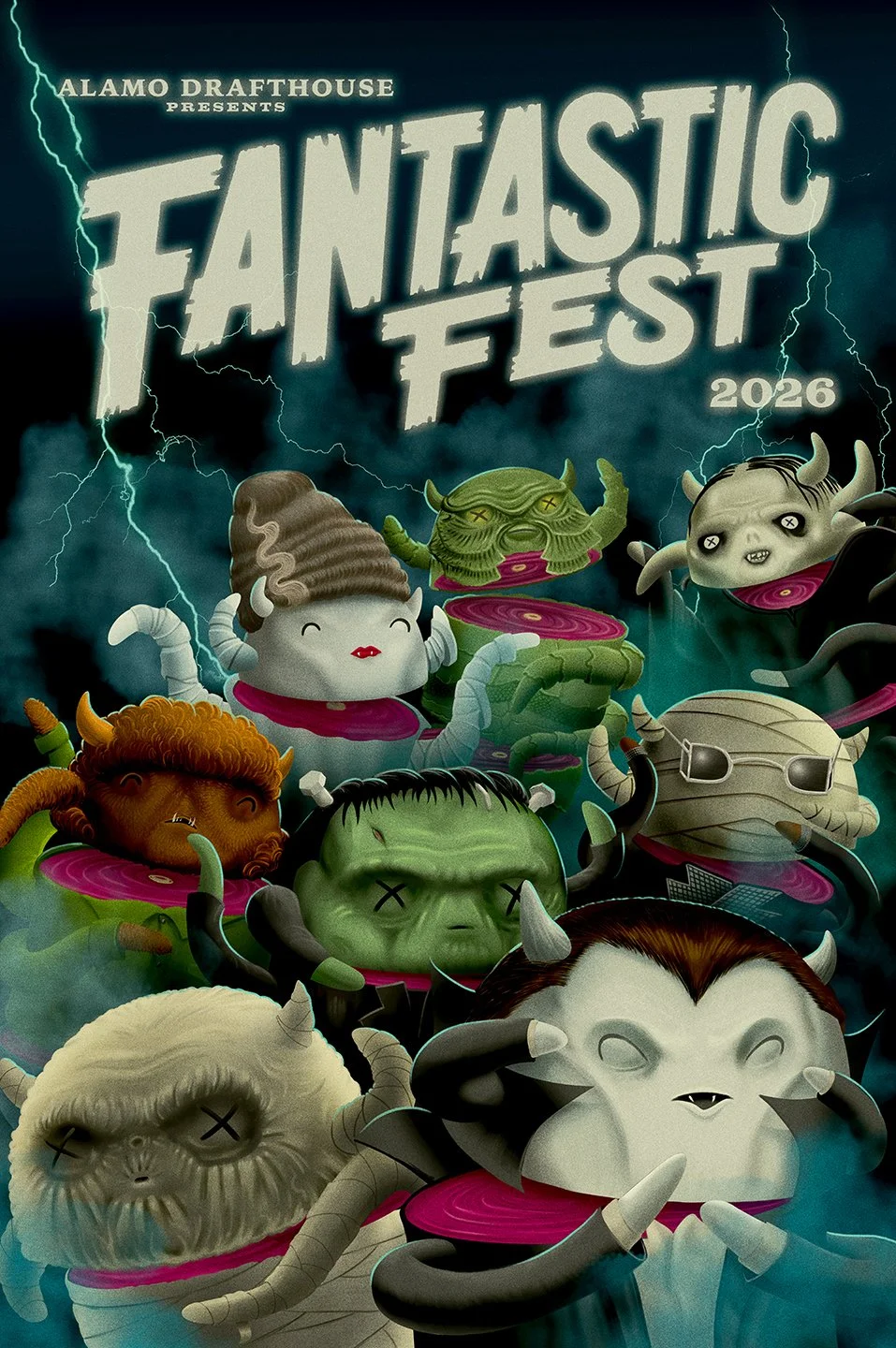
Courtesy of Fantastic Fest
There are film festivals I look forward to every year, but Fantastic Fest has always felt like something special. Over the years, I’ve had an absolute blast covering the festival and getting an early look at some of the horror, sci-fi, action, and downright bizarre movies everyone ends up talking about afterward. Fantastic Fest has built an incredible track record of spotting genre favorites early, with past world premieres including "Smile,” "Split," and "Zombieland," among many others. That history is exactly why I get excited whenever a new lineup drops; you never quite know which movie you’re about to discover before the rest of the world catches on. Now, Fantastic Fest is preparing to return to the Alamo Drafthouse in Austin, Texas, from September 17–24. The newly announced 2026 lineup already has my attention, with everything from Zach Cregger’s"Resident Evil" to "Beware Boiúna," new "Carrie" episodes, a Walter Hill tribute, and plenty more waiting to be discovered. After how much I’ve enjoyed covering Fantastic Fest in previous years, I’m beyond ready to dive into this year’s movies. If the first lineup announcement is any indication, we’re in for one hell of a festival. Here are the newest horror movies that will be premiering at Fantastic Fest:
Courtesy of Fantastic Fest
“3 WEEKS AFTER” (Director: Miroslav Terzić)
Synopsis: Three weeks after his friend's suicide, a teenager joins his classmates on a school trip. As the bullying escalates and tensions boil over, tongues loosen, forcing the truth out into the open.
Courtesy of Fantastic Fest
“5 MORE MINUTES” (Director: Javier Ruiz Caldera)
Synopsis: A husband and wife in an ailing marriage discover that actions really do have consequences in this darkly funny twist on the time loop motif.
Courtesy of Fantastic Fest
“ADULT SUPERVISION” (Director: Alex Schulman)
Synopsis: When three fathers volunteer to chaperone their teenage daughters’ school trip, the initially idyllic getaway quickly reveals brutal social dynamics that have them in over their heads.
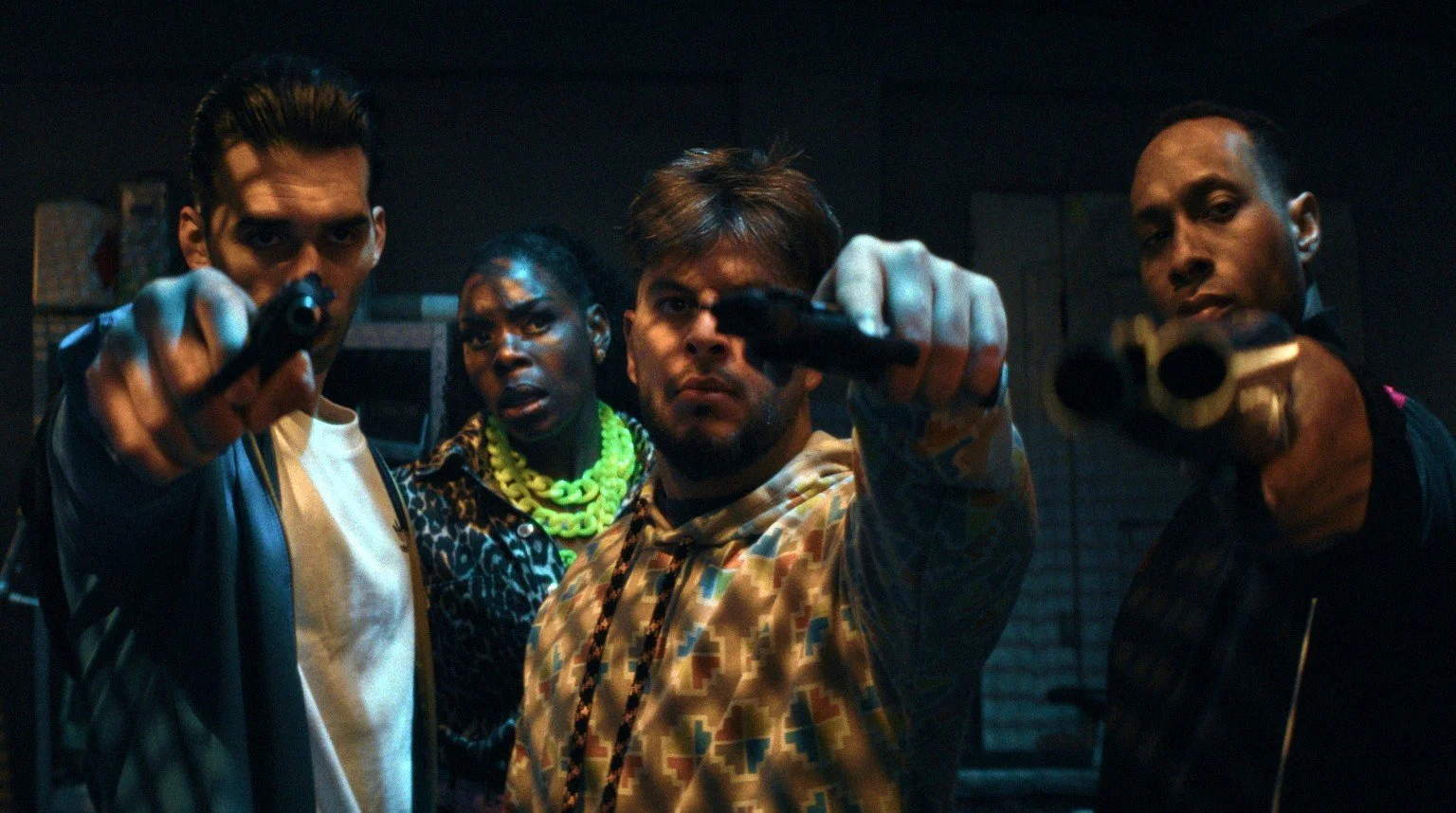
Courtesy of Fantastic Fest
“ATTACK ON PARADISE” (Director: Bob Colaers)
Synopsis: After seven years of no sleep, grief, and nightmares, Suleyman finally reunites with his mother in Paradise—just as henchmen, cops, and one very bad raid drag him back into hell.
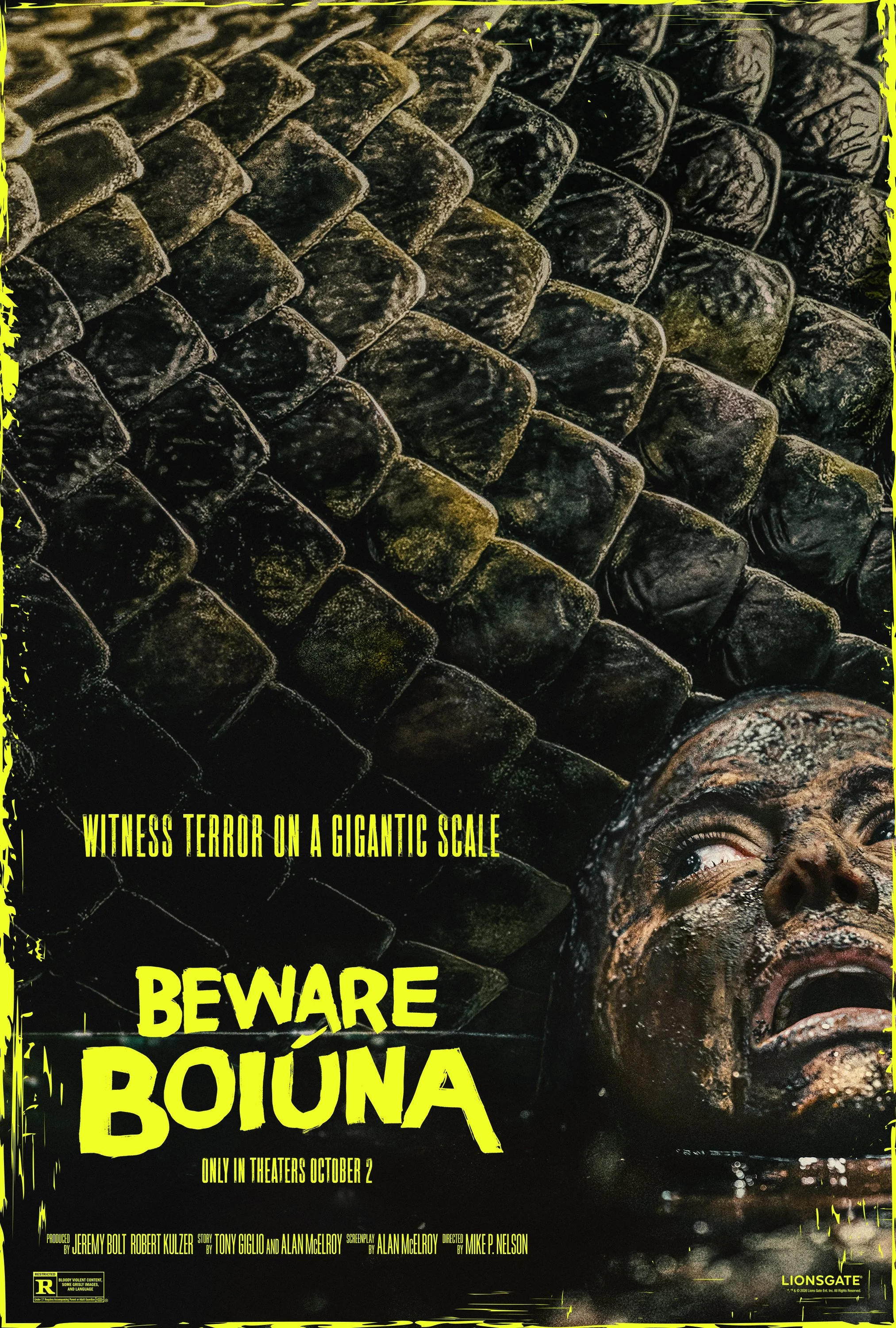
Courtesy of Fantastic Fest
“BEWARE BOIÚNA” (Director: Mike P. Nelson)
Synopsis: Deep in the Amazon, a medical mission spirals into a fight for survival when Boiúna, a colossal ancient predator, awakens to reclaim her domain. In the jungle where nature holds absolute power, she decides who lives and who dies.
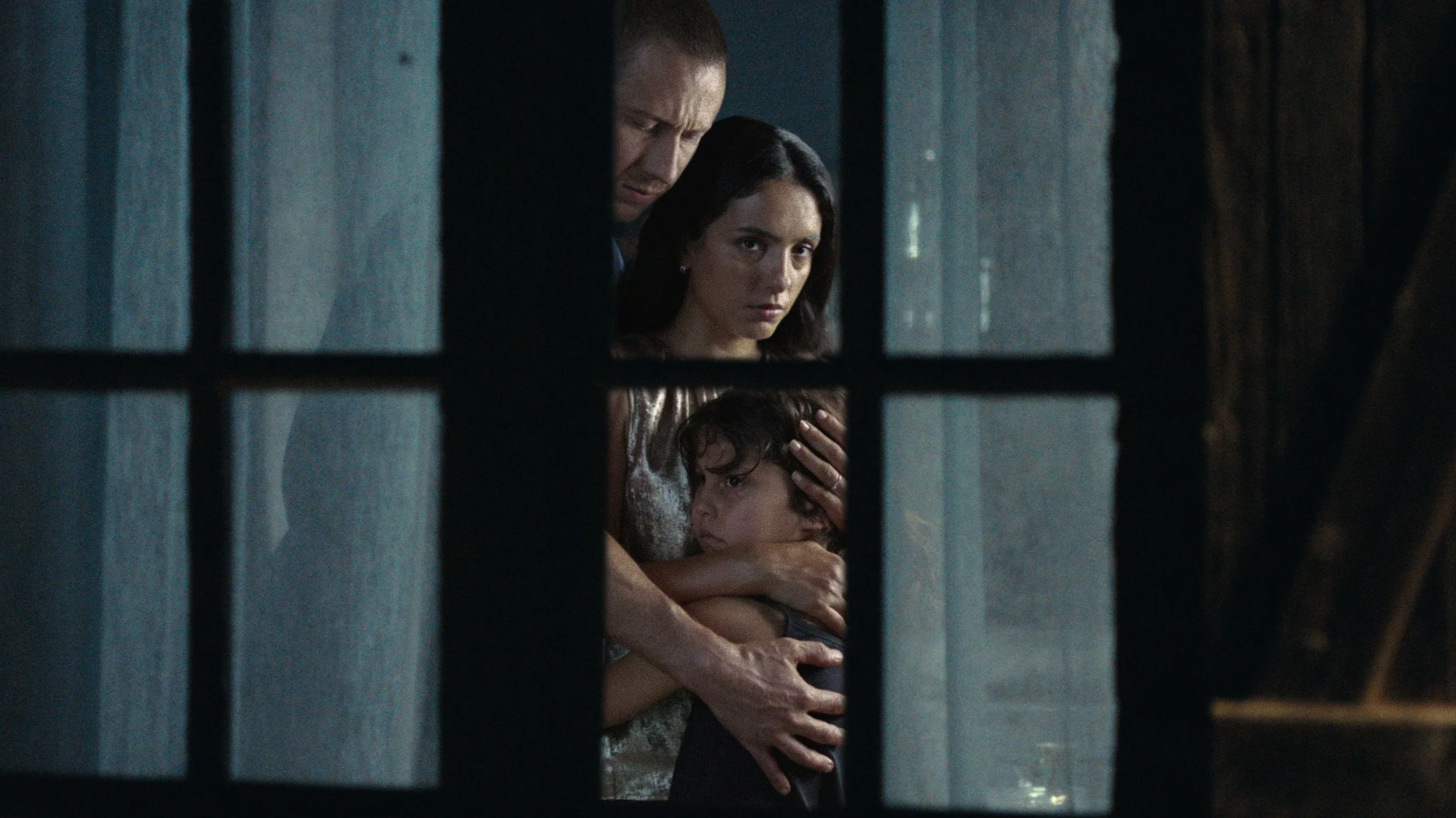
Courtesy of Fantastic Fest
“THE BIRTHDAY PARTY” (Director: Léa MYSIUS)
Synopsis: Happy biiiirthday to you! Nora is turning 40, and for her birthday she’ll be getting three uninvited guests who claim she isn’t who she says she is, plus the unraveling of her carefully constructed life.
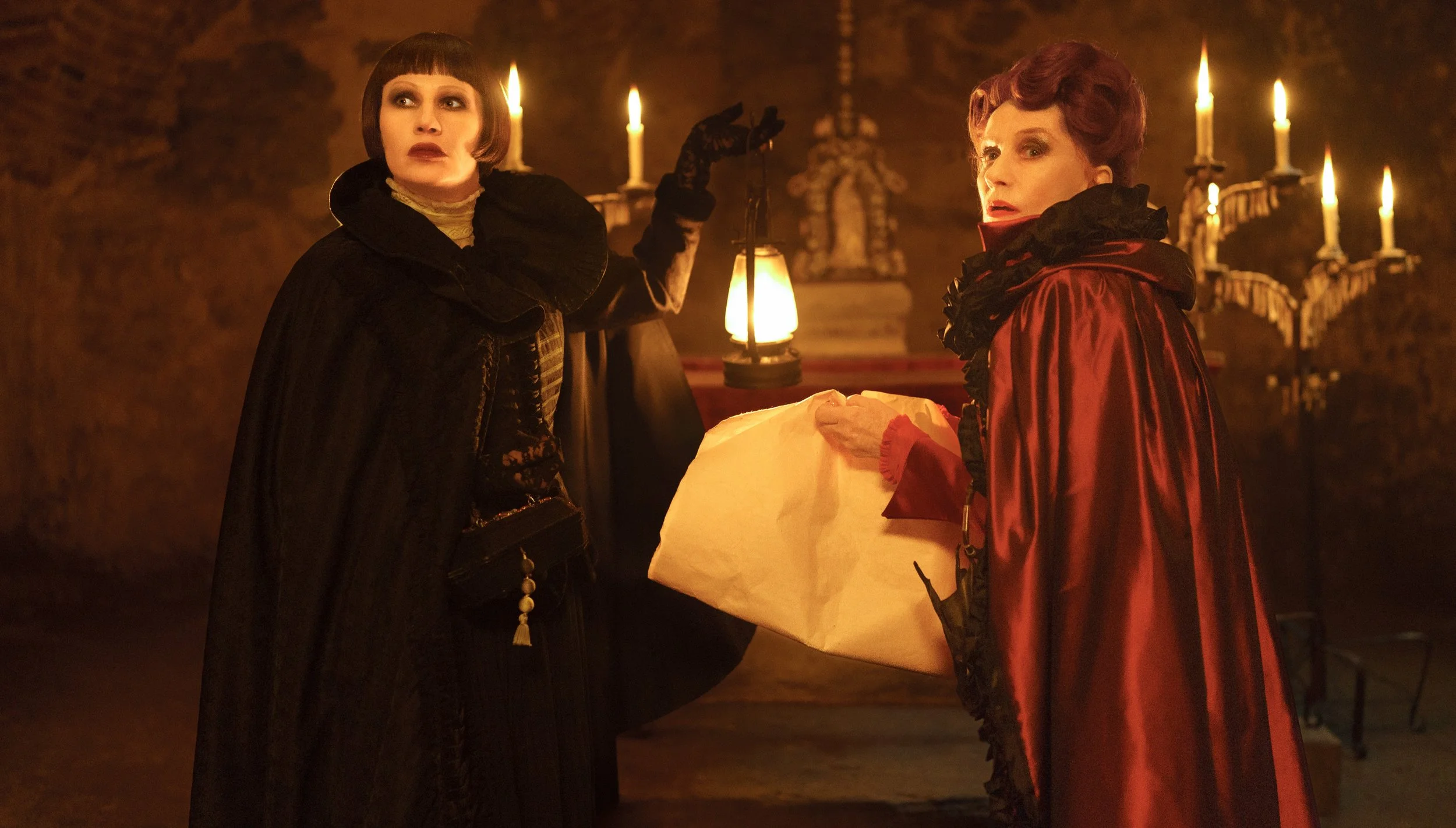
Courtesy of Fantastic Fest
“THE BLOOD COUNTESS” (Director: Ulrike Ottinger)
Synopsis: Elizabeth Báthory, a recently reawakened vampire, pursues an ancient artifact that could destroy her family in present-day Austria.
Courtesy of Fantastic Fest
“BLOOD FEAST” (Director: Herschell Gordon Lewis)
Synopsis: A 4K restoration of the world's first "splatter" film from AGFA + Something Weird.
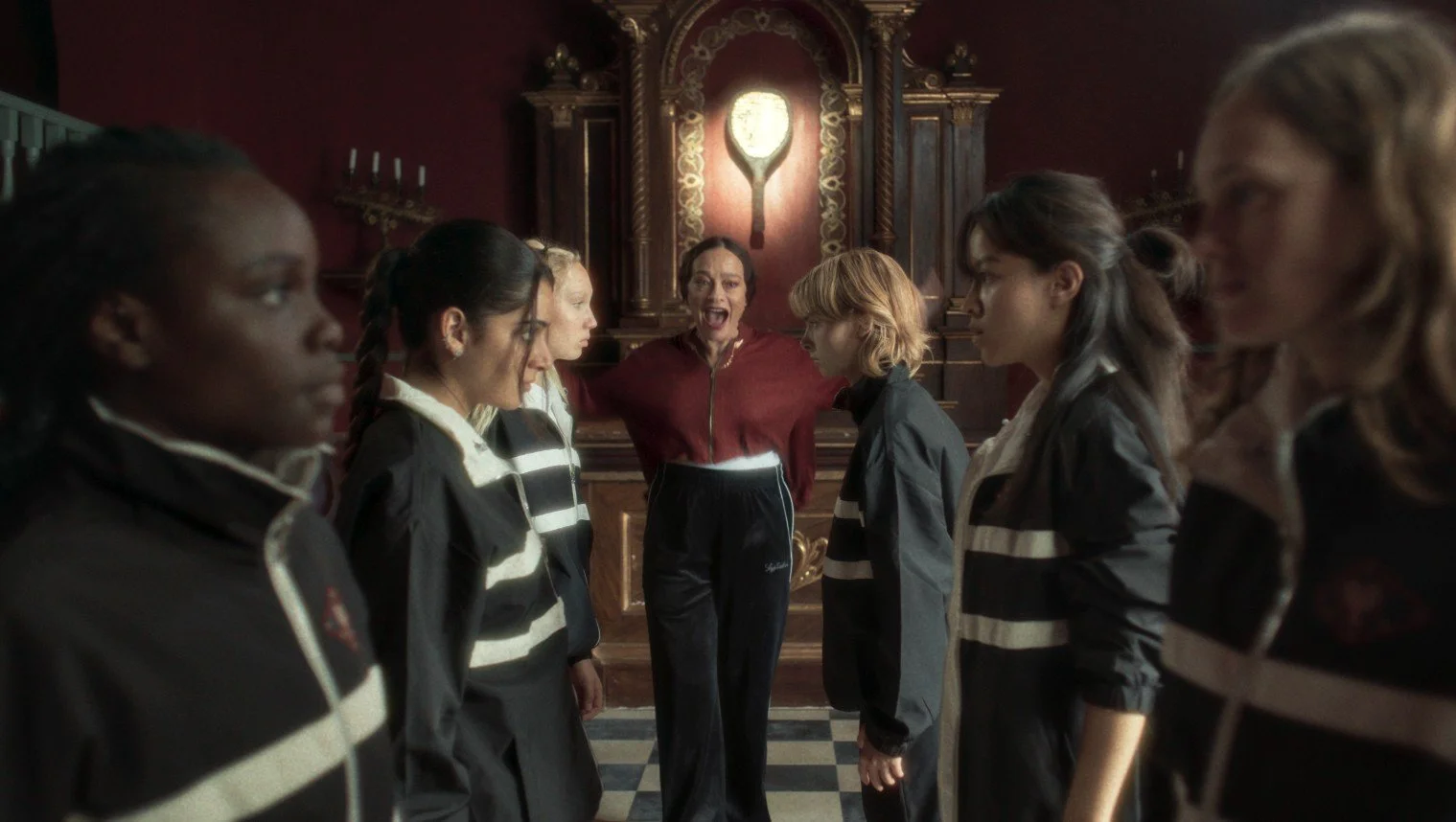
Courtesy of Fantastic Fest
“BLOODY TENNIS” (Director: Nikias Chryssos)
Synopsis: Sophie’s coming of age gets sweatier and bloodier than expected when she joins a summer tennis academy where the blood-red morning smoothie is by far the least weird thing going on.
Courtesy of Fantastic Fest
“CARRIE“ {Two Episodes} (Director: Mike Flanagan)
Synopsis: After her father’s sudden, untimely death thrusts her into the unforgiving ecosystem of public high school, Carrie is forced to navigate a viral bullying scandal that tears through her community, the relentless pressure and casual cruelty of the social‑media age, and the awakening of mysterious telekinetic powers that rise alongside her adolescence.
Courtesy of Fantastic Fest
“CINEMA RECOMPOSED: SILENT MONSTERS” (Directors: “THE THIEVING HAND” - Unknown Director / “FRANKENSTEIN” - J. Searle Dawley / “DR. JEKYLL AND MR. HYDE” - Lucius J. Henderson / “THE GHOST OF SLUMBER MOUNTAIN” - Willis O'Brien / “HÄXAN: HELL SEQUENCE” - Benjamin Christensen / “HELLS BELLS” - Ub Iwerks / “THE HAUNTED SHIP” - John Foster & Mannie Davis)
Synopsis: A live string quartet plays new scores for seven classic silent horror short films. Seven composers, aged 17 to 24, composed new scores for these films under the mentorship of some of the industry's top professionals.
Courtesy of Fantastic Fest
“COMPLIANCE” (Director: Kyle Mangione-Smith)
Synopsis: A corporate client relations rep pulls a loose string, unraveling a vast conspiracy in this doom-laden found footage stunner.
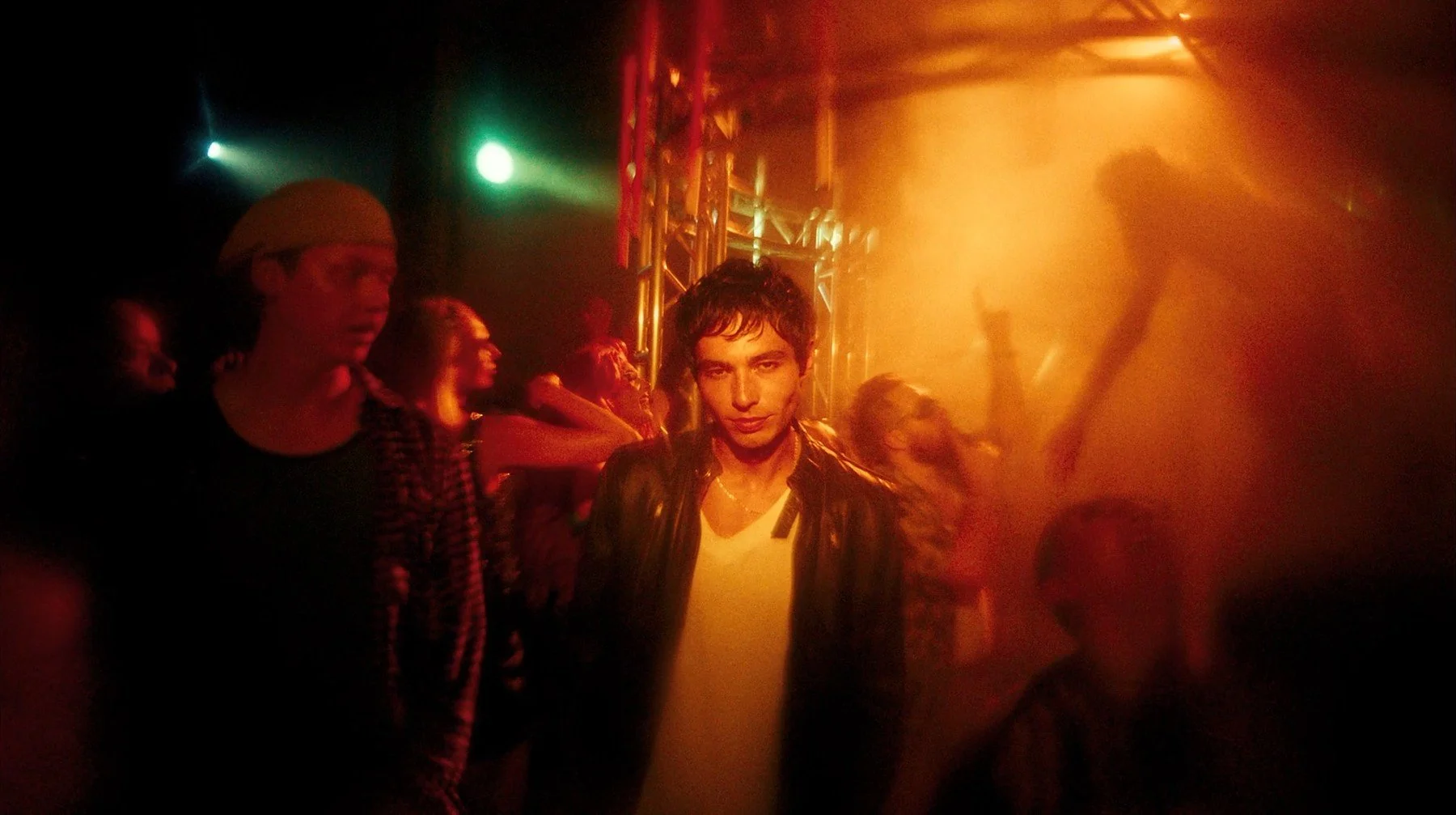
Courtesy of Fantastic Fest
“CORPUS” (Director: Corrin Evans)
Synopsis: Three friends flee the club scene for an exclusive, steamy party at a remote estate only to find themselves victims of increasingly erotic and violent supernatural attacks.
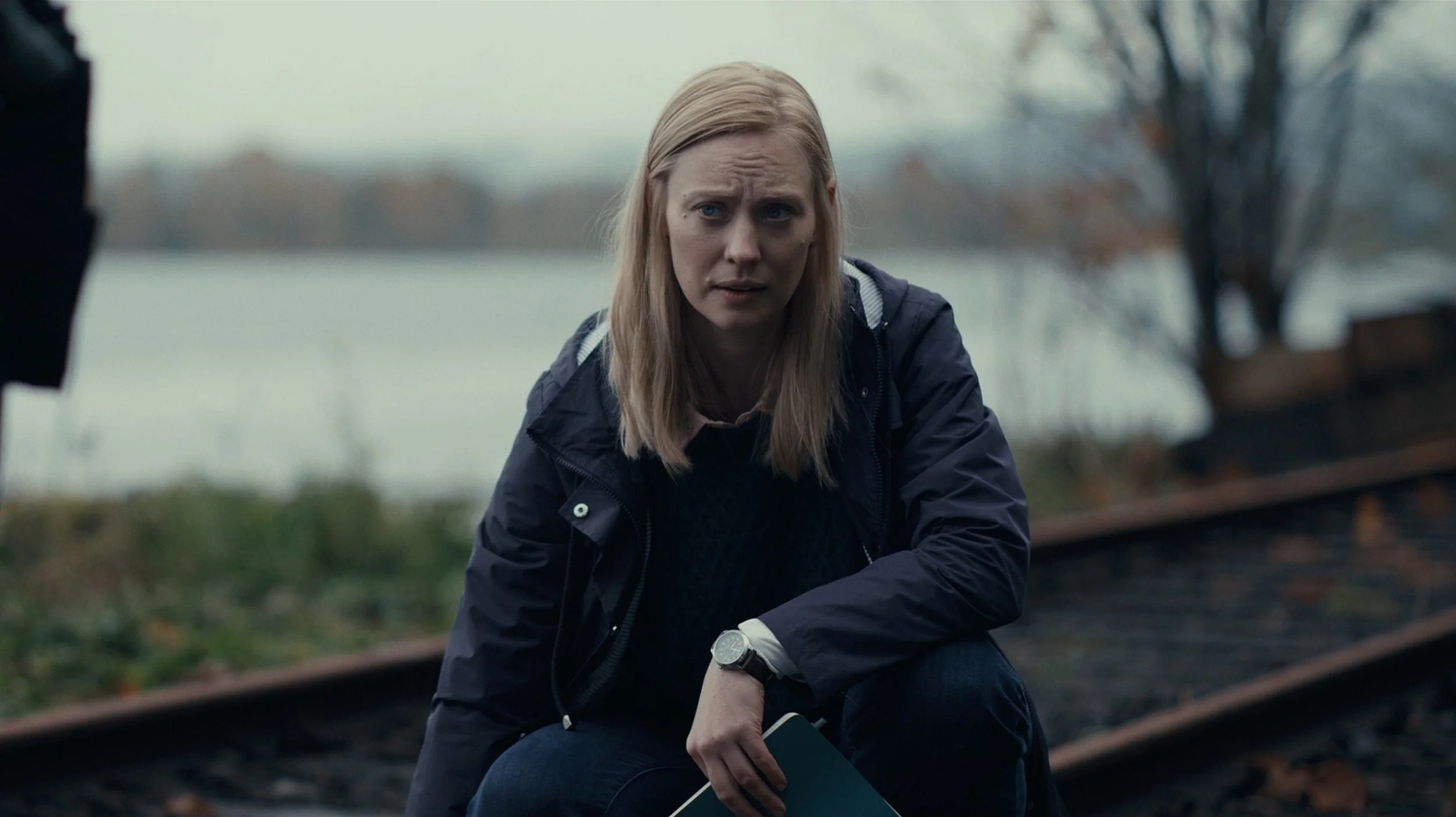
Courtesy of Fantastic Fest
“THE CYCLE” (Director: Jordan Downey)
Synopsis: When the body of a man missing for thirty-six years is discovered at the scene of a horrific crime, it’s up to his estranged daughter to unravel his dark past.
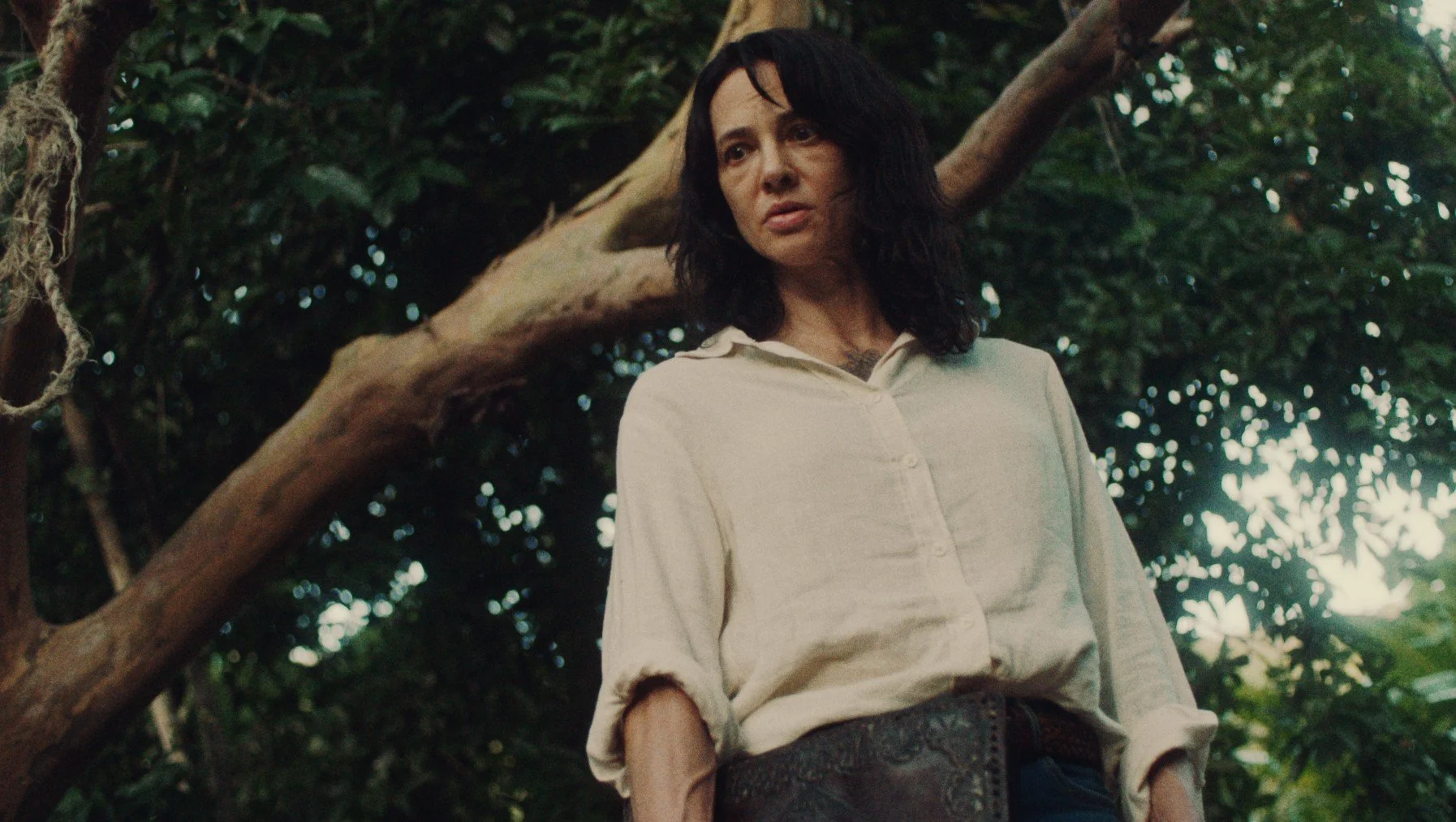
Courtesy of Fantastic Fest
“DEATH HAS NO MASTER” (Director: Jorge Thielen Armand)
Synopsis: After her father's death, Caro travels to Venezuela to sell the family cacao plantation, only to find it occupied by a mother who refuses to leave—forcing Caro down a path of violence with devastating consequences.
Courtesy of Fantastic Fest
“DEATH OF A YELLOW BIRD” (Director: Cody Calahan)
Synopsis: A dying man returns to his childhood home to film messages for his son when he discovers a supernatural presence haunting the isolated cabin in this emotional ghost movie.
Courtesy of Fantastic Fest
“DOG GOD” (Director: Ing K)
Synopsis: Banned in Thailand for almost 30 years for insulting religion, and maybe the monarchy too, the elusive DOG GOD emerges as a gleefully anarchic critique of blind faith.
Courtesy of Fantastic Fest
“DONKEY PRINCESS” (Directors: Cristóbal León & Joaquín Cociña)
Synopsis: In a kingdom where love has been declared a plague, a princess travels across different realities to find love, confront grief, and attain individuation.
Courtesy of Fantastic Fest
“EXTREME PREJUDICE” (Director: Walter Hill)
Synopsis: Nick Nolte stars as a Texas Ranger engaged in a showdown against his former childhood friend turned drug kingpin, played by Powers Boothe, in this classic neo-Western action film.
Courtesy of Fantastic Fest
“THE FACE OF HORROR” (Director: Anna Biller)
Synopsis: A vain knight, an inconvenient wife, and a marriage built on murder. Anna Biller’s gloriously lurid ghost story proves that killing your wife may only be the beginning of your problems.
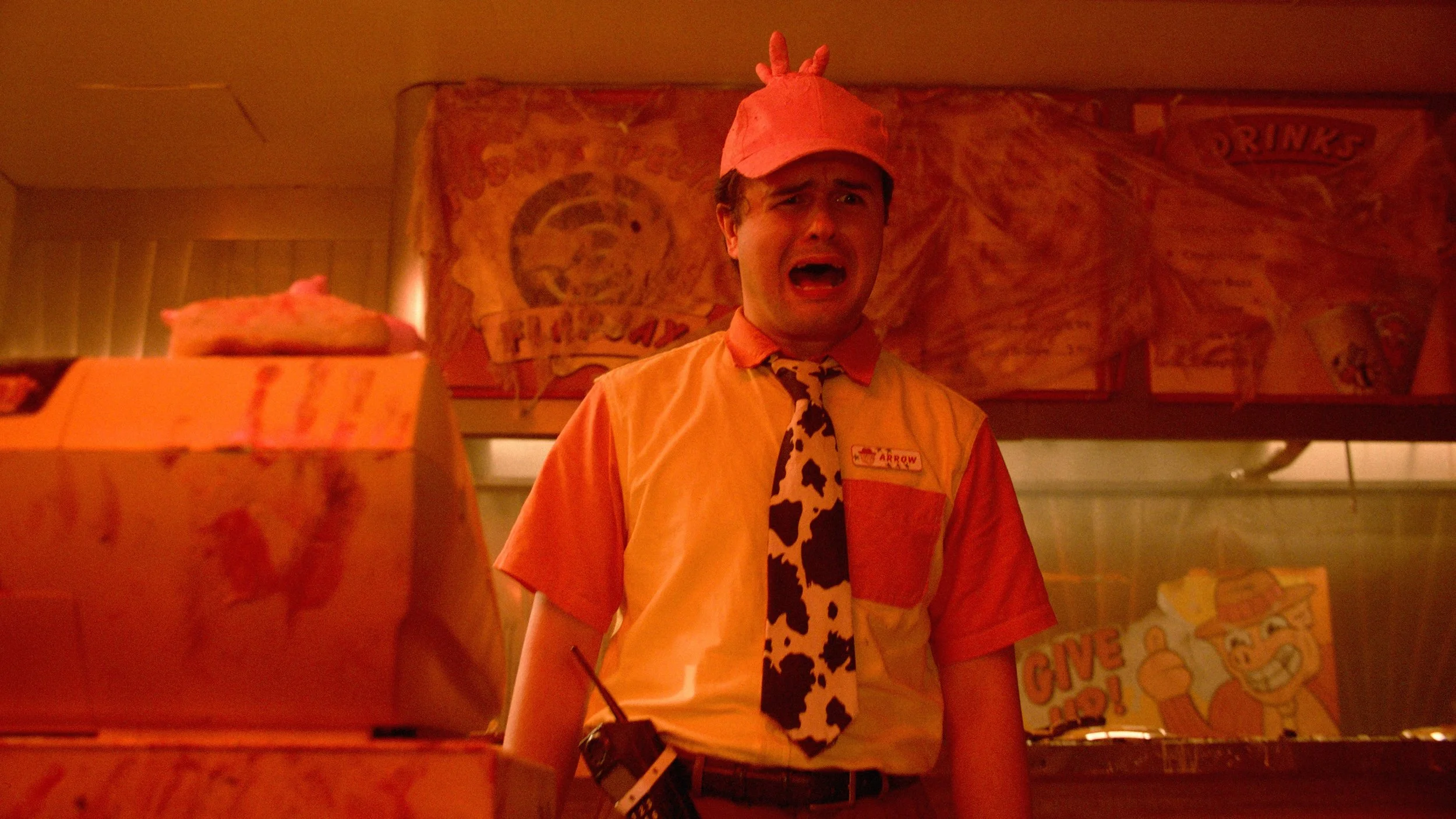
Courtesy of Fantastic Fest
“FLAPJAX” (Director: Rocko Zevenbergen)
Synopsis: An annoyingly optimistic, but endearingly earnest, fast food restaurant manager is tasked with relaunching the long-dormant product, Flapjax, and no amount of mysterious warnings or disappearances are going to get in his way in this campy horror-comedy.
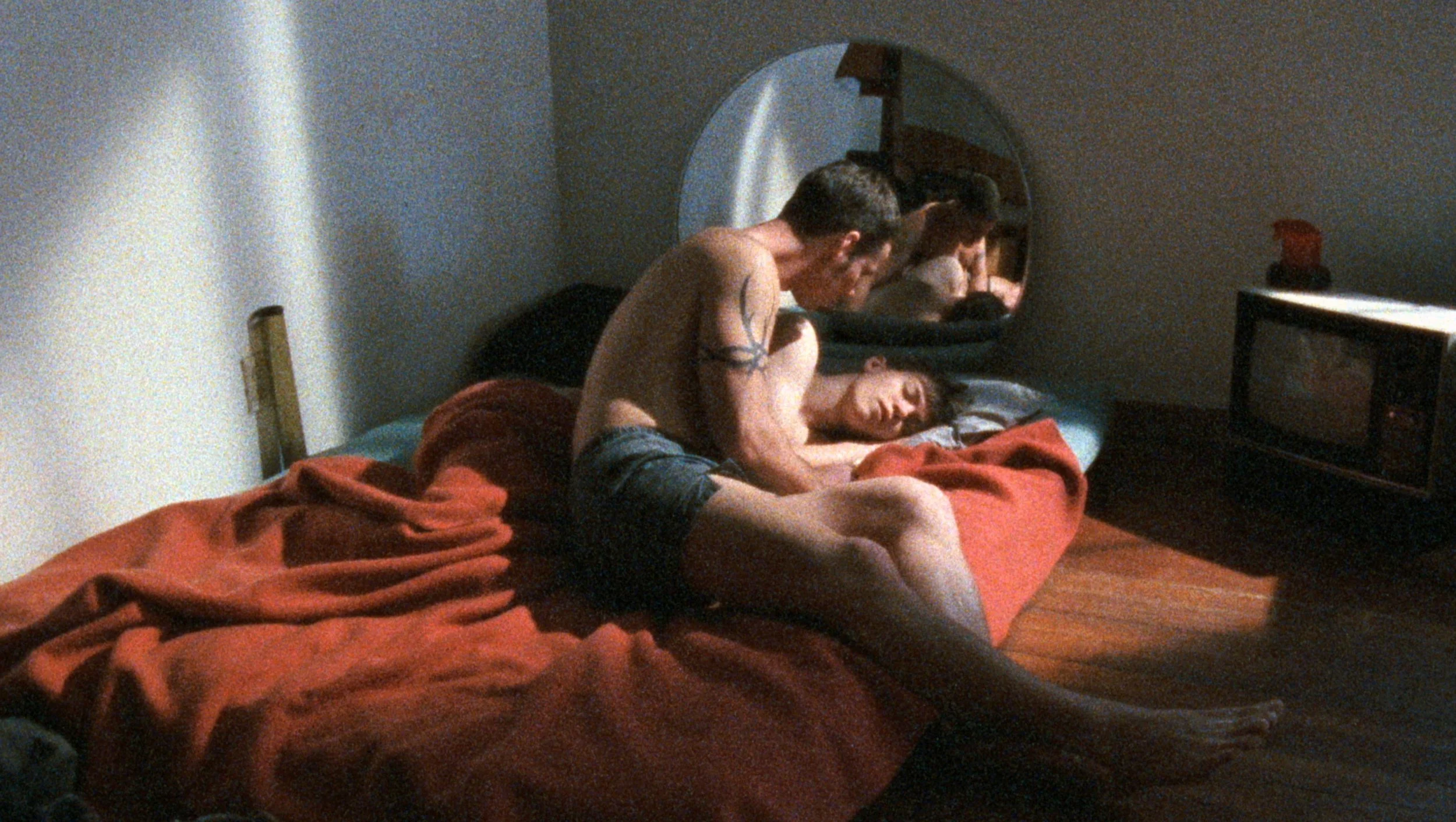
Courtesy of IMDB
“FRISK” (Director: Todd Verow)
Synopsis: Tired of only fantasizing about murdering young, attractive men, Dennis decides to take the plunge and do the deed in this restoration of Todd Verow’s 1995 gay serial killer fantasia.
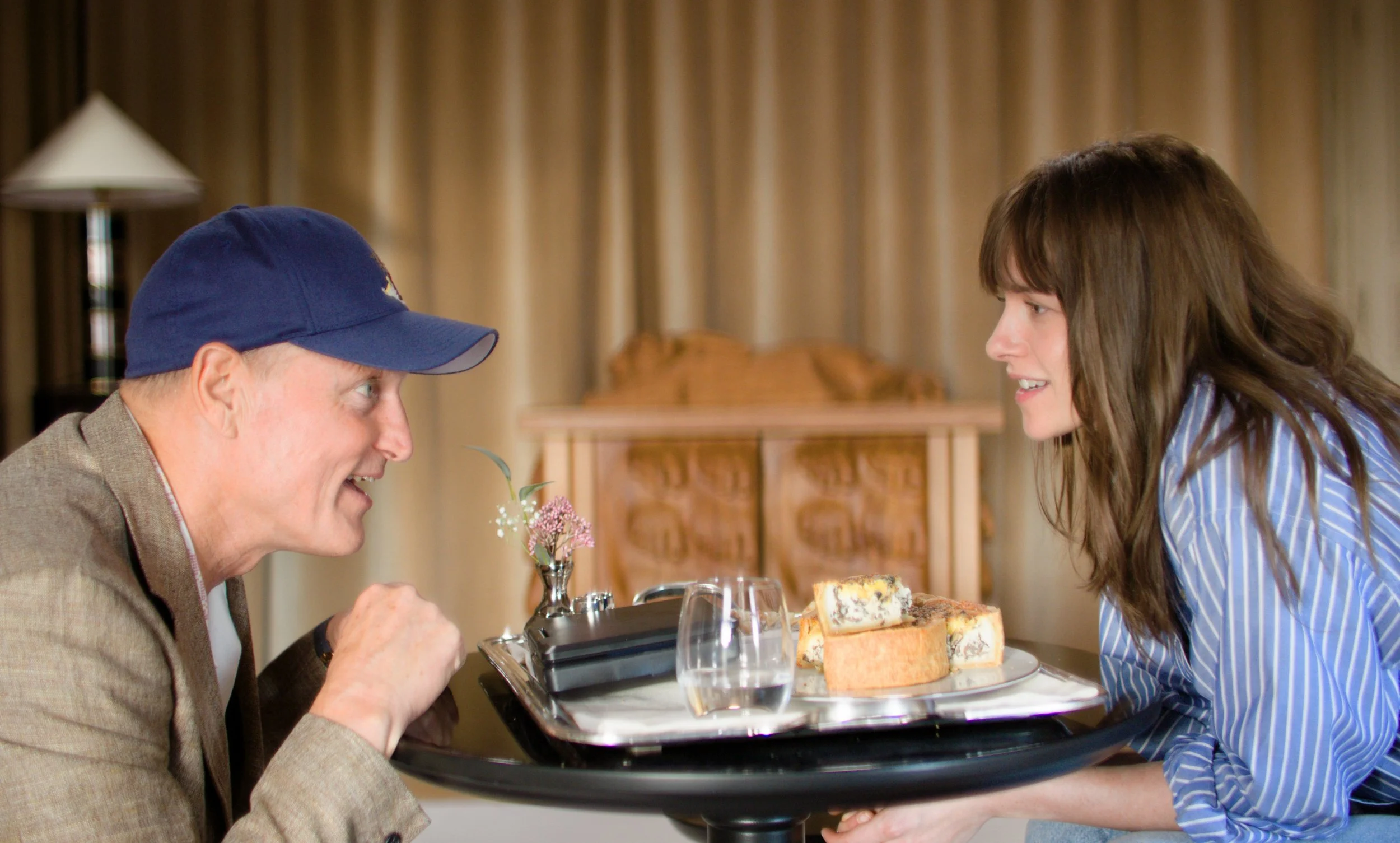
Courtesy of Fantastic Fest
“FULL PHIL” (Director: Quentin Dupieux)
Synopsis: Tim, Eric, K-Stew, Woody, and Dupieux team up in this feature-length comic romp that’ll leave your belly full o’ laffs.
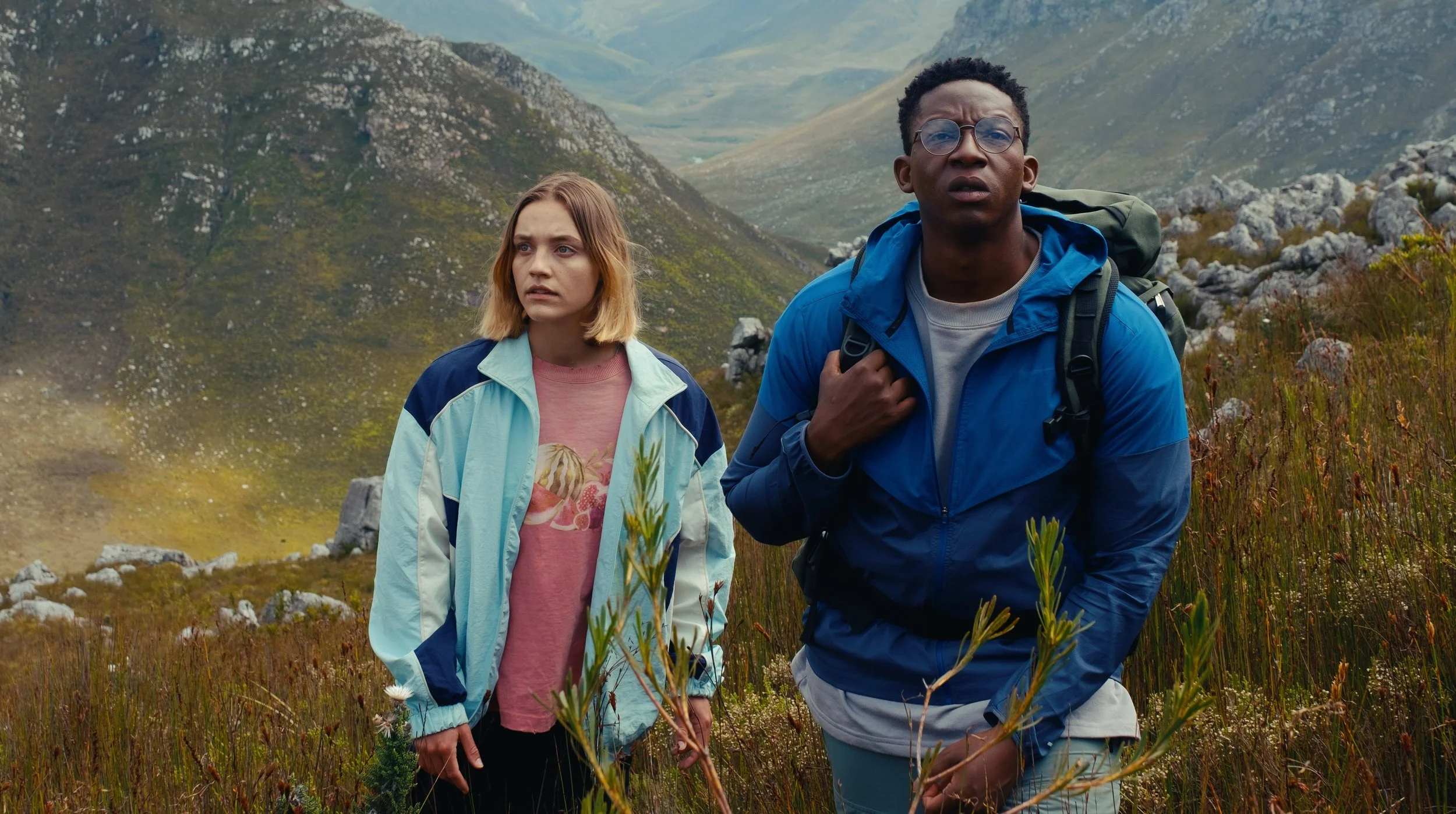
Courtesy of Fantastic Fest
“FUTURE TENSE” (Director: Jenna Cato Bass)
Synopsis: In a dystopian future, a young couple clashes during their time-traveling vacation.
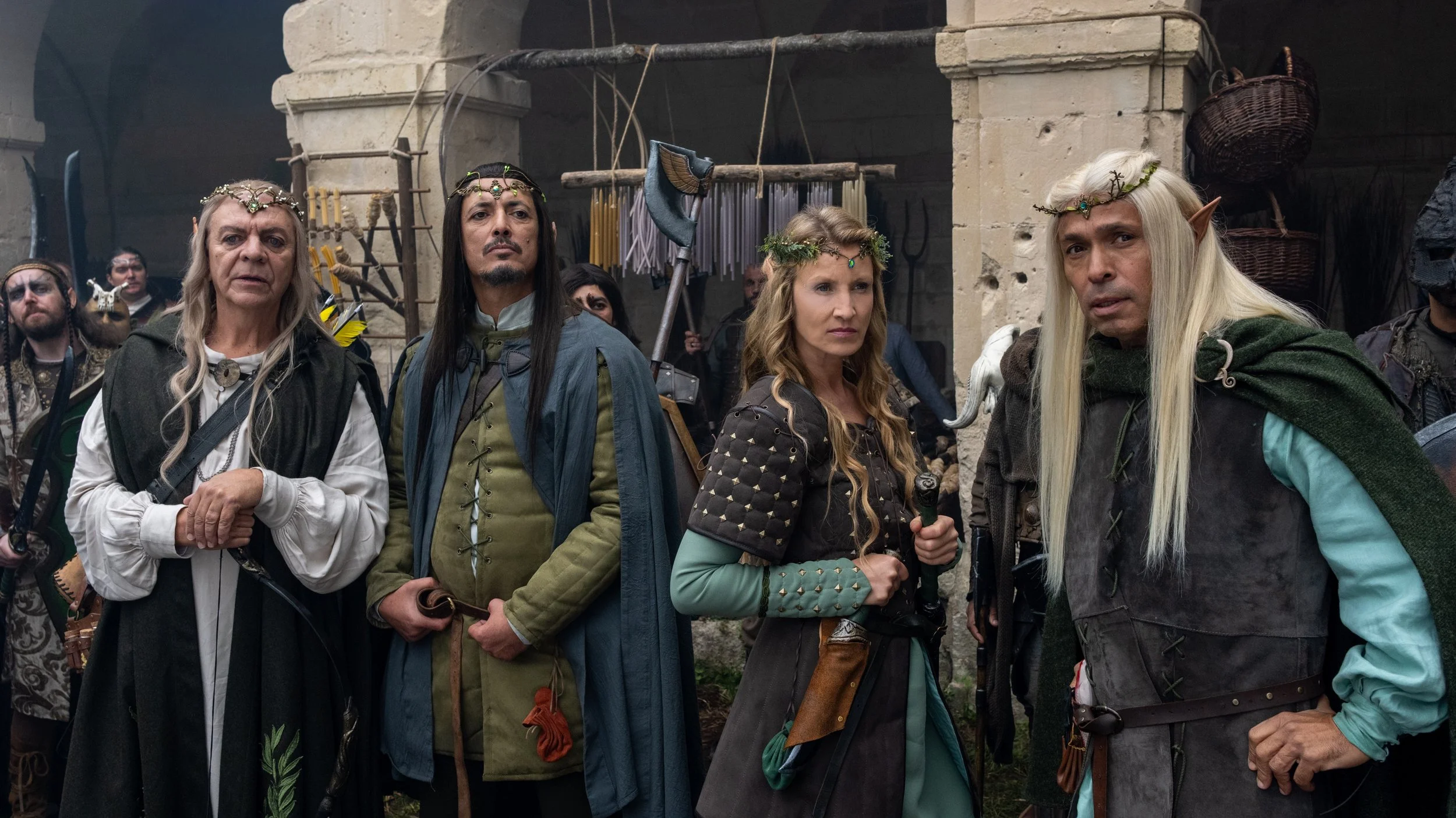
Courtesy of Fantastic Fest
“GAME MASTER” (Director: Éric Judor)
Synopsis: A joyous celebration of imagination, awkward parenthood, and the transformative power of play that ventures deep into the wonderfully eccentric world of live-action role-playing.
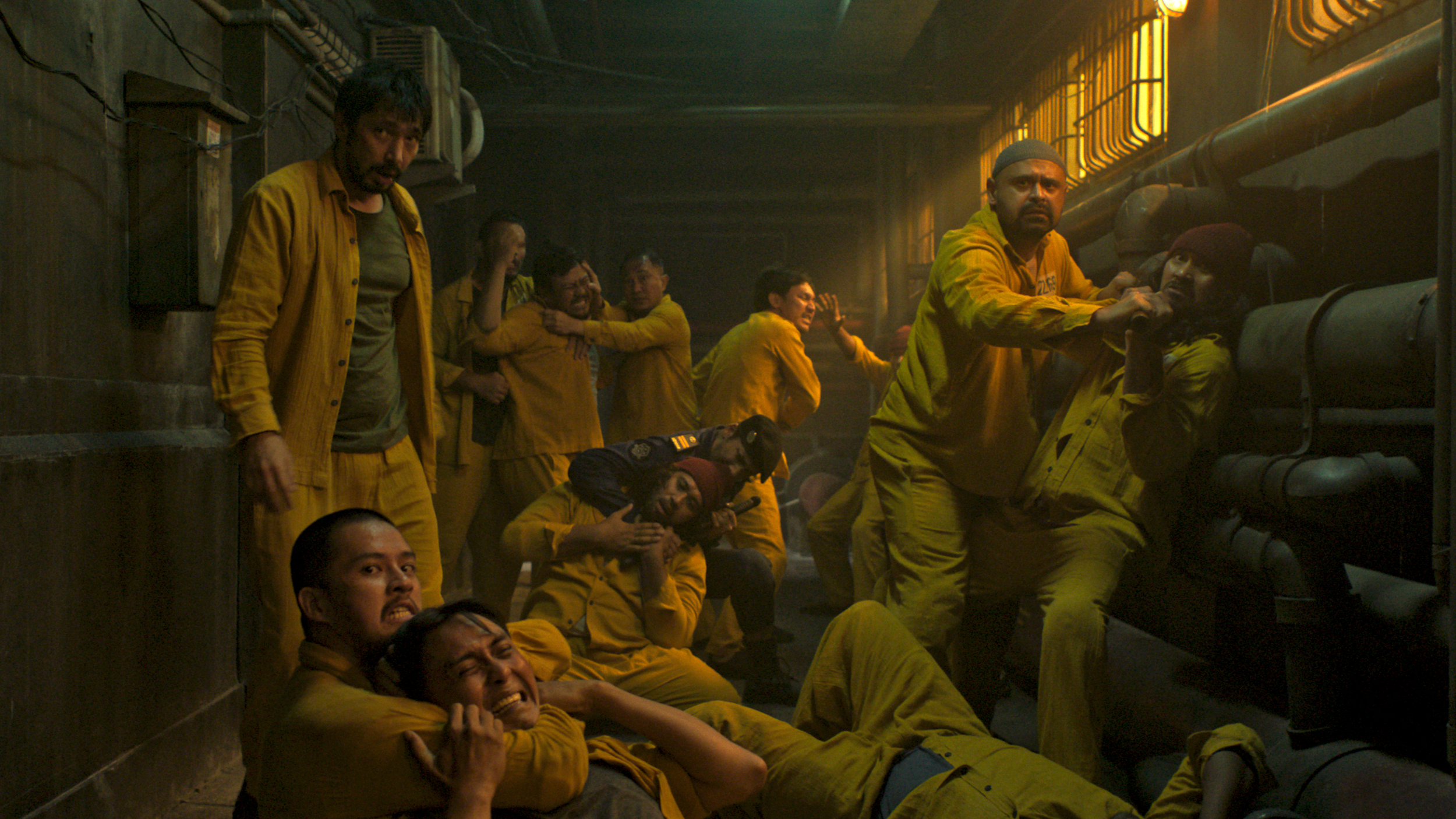
Courtesy of Fantastic Fest
“GHOST IN THE CELL” (Director: Joko Anwar)
Synopsis: Witness Indonesian genre visionary Joko Anwar’s most deliriously ambitious film: a blood-soaked fusion of supernatural horror, prison thriller, martial arts action, and pitch-black political satire.
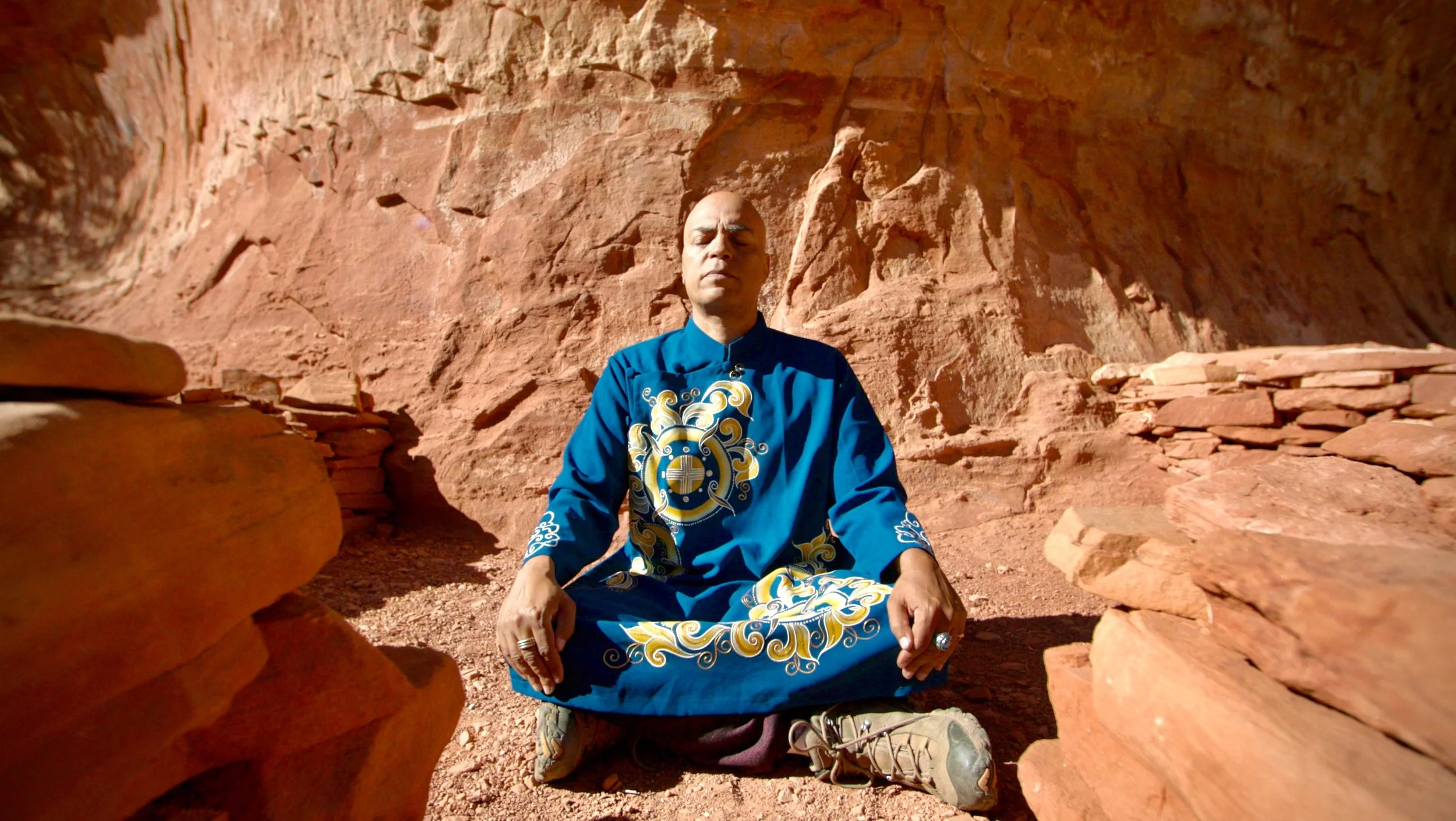
Courtesy of Fantastic Fest
“GIMME TRUTH” (Director: Brad Abrahams & Simon Ennis)
Synopsis: Delve deep into the world of conspiracy theories in North America in this compassionate documentary by Brad Abrahams and Simon Ennis.
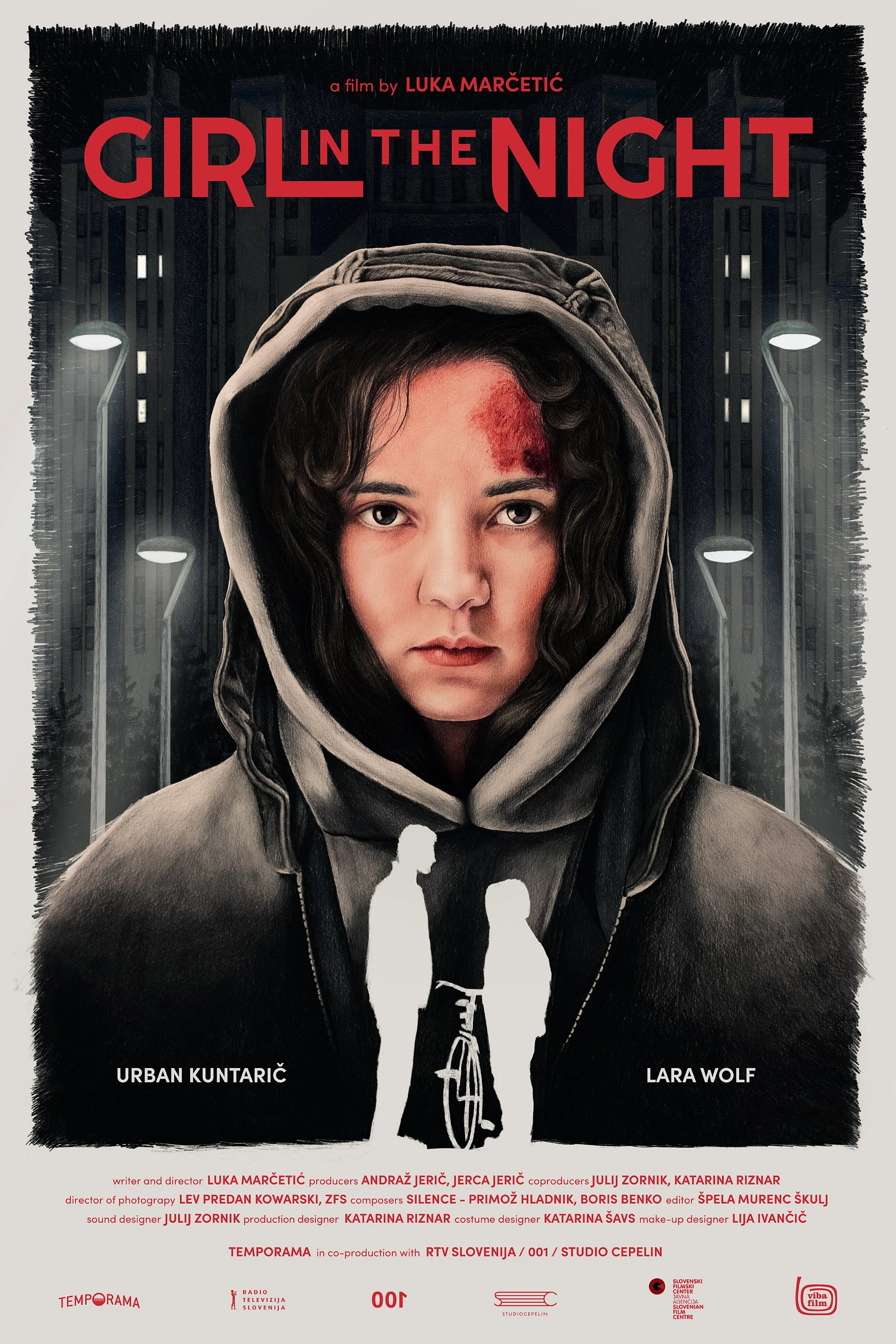
Courtesy of Fantastic Fest
“GIRL IN THE NIGHT” (Director: Luka Marčetić)
Synopsis: In this deadpan Slovenian romp, a lonesome guy desperate for human connection decides to steal the bicycle of the town’s self-appointed vigilante; as the “sole witness” of the crime, he is inducted into joining her nightly escapades.
Courtesy of Fantastic Fest
“THE GLORIOUS DEAD” (Director: John Adams & Toby Poser)
Synopsis: A sheriff and her deputy awaken to a world transformed: bloody chasms erupt from the earth, grotesque flesh-born creatures roam the land, and the recently deceased rise again.
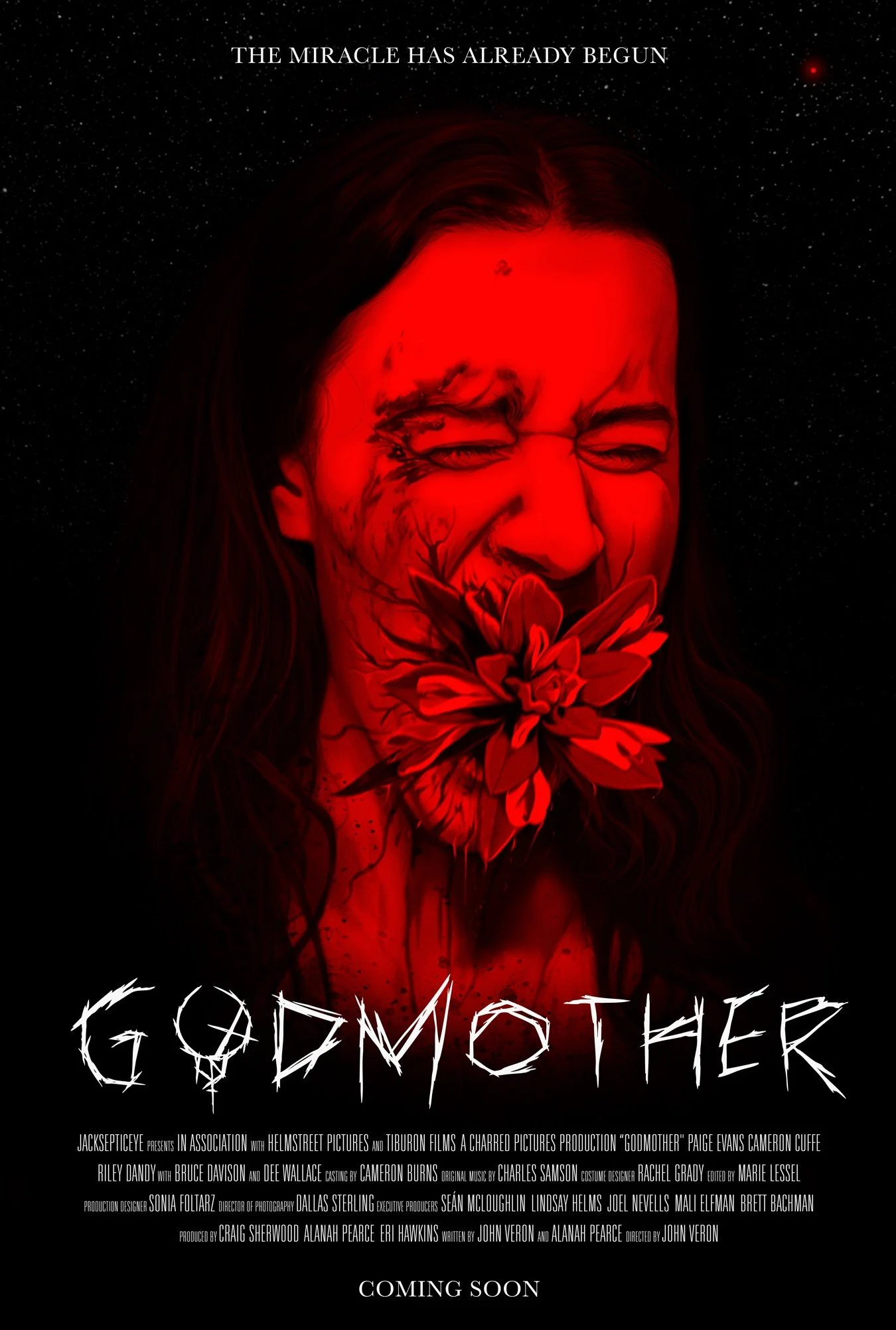
Courtesy of Fantastic Fest
“GODMOTHER” (Director: ohn Veron)
Synopsis: A meticulously planned desert couples' vacation spirals into chaos when family tensions and a pair of mysterious hosts with devilish intentions transform a romantic getaway into a nightmare.
Courtesy of Fantastic Fest
“HALF” (Director: Samjad)
Synopsis: Two half-human, half-vampire siblings are run off the road and left for dead by a gang of scavengers—and they're coming back for bloody revenge.
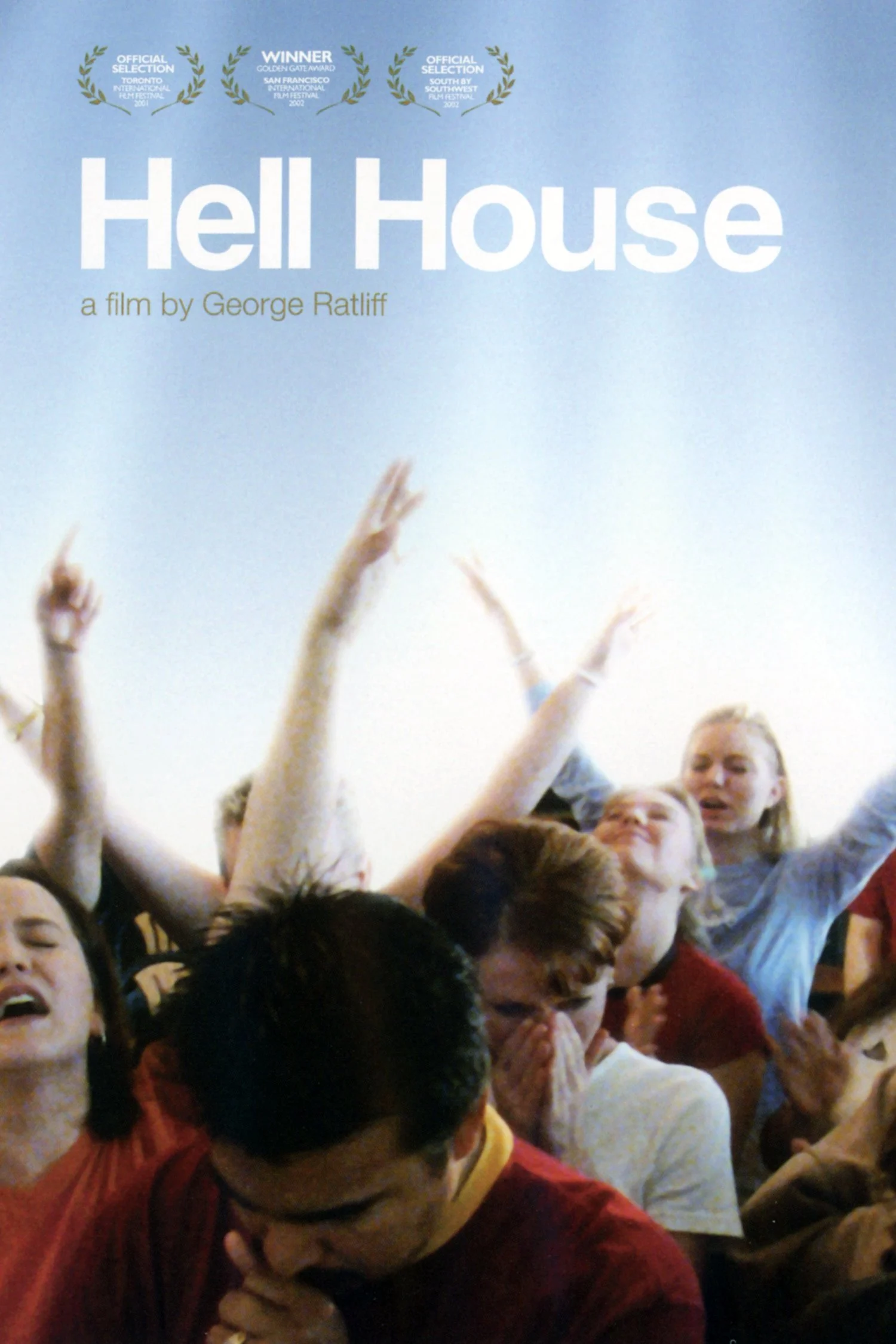
Courtesy of Fantastic Fest
“HELL HOUSE” (Director: George Ratliff)
Synopsis: A restoration of the essential Y2K-era doc from the American Genre Film Archive (AGFA) with director George Ratliff in person.
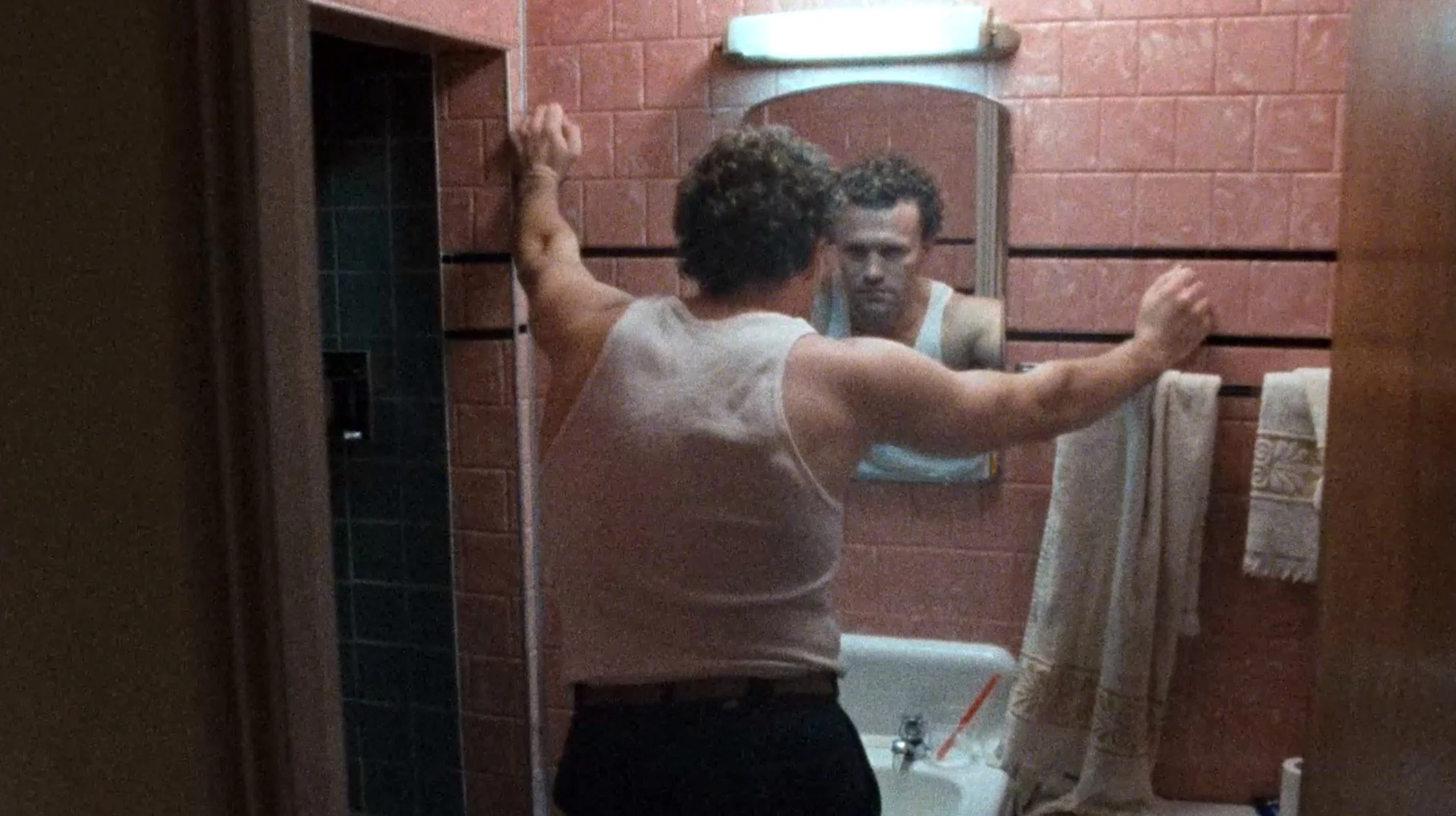
Courtesy of Fantastic Fest
“HENRY: PORTRAIT OF A SERIAL KILLER” (Director: John McNaughton)
Synopsis: A brand-new 35mm print produced for the 40th anniversary of one of the 20th century's most harrowing films, HENRY: PORTRAIT OF A SERIAL KILLER features a chilling, career-defining turn by Michael Rooker.
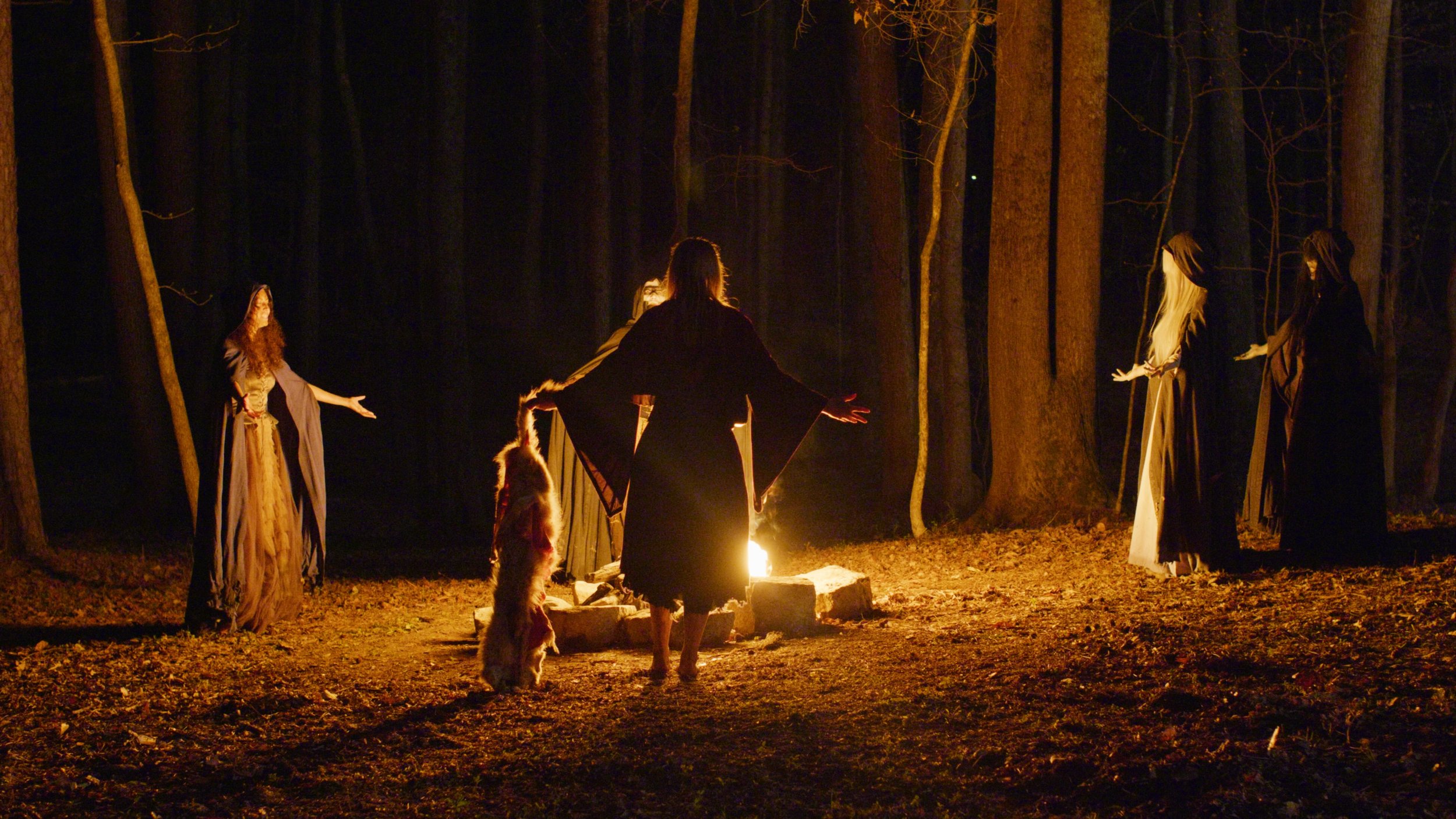
Courtesy of Fantastic Fest
“THE HERETIKS” (Director: Gregg Bishop)
Synopsis: When a coven of witches determined to unleash the apocalypse marks Ada's younger sister for sacrifice, she joins forces with a renegade witch in a relentless fight for survival.
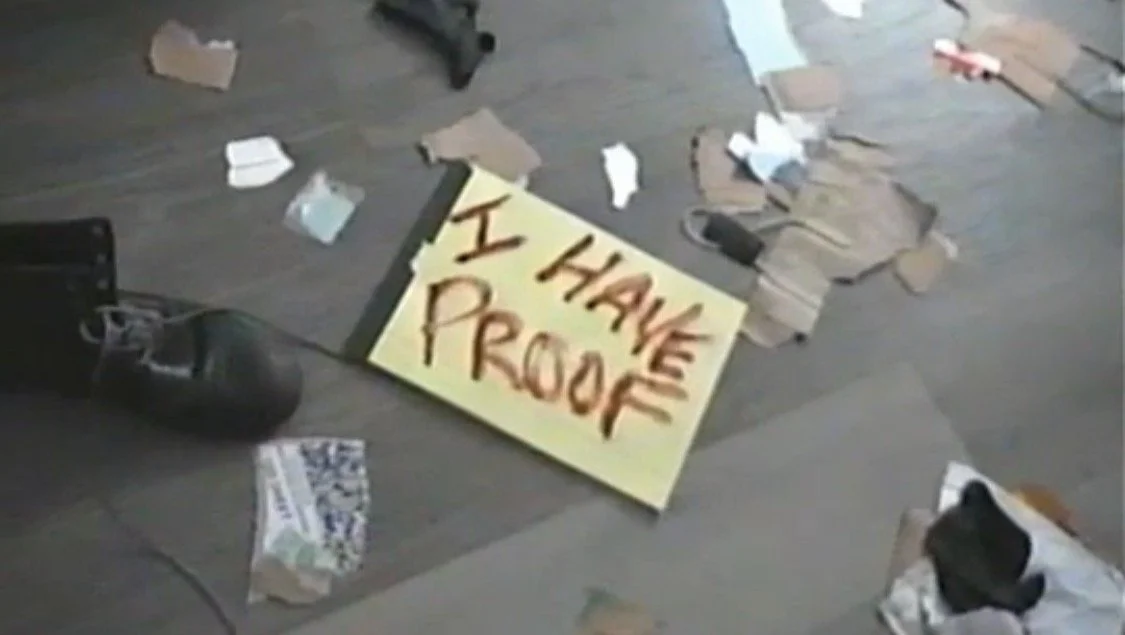
Courtesy of Fantastic Fest
“I HAVE PROOF” (Director: James Cullen Bressack)
Synopsis: Alex has proof, and he wants you to see it.
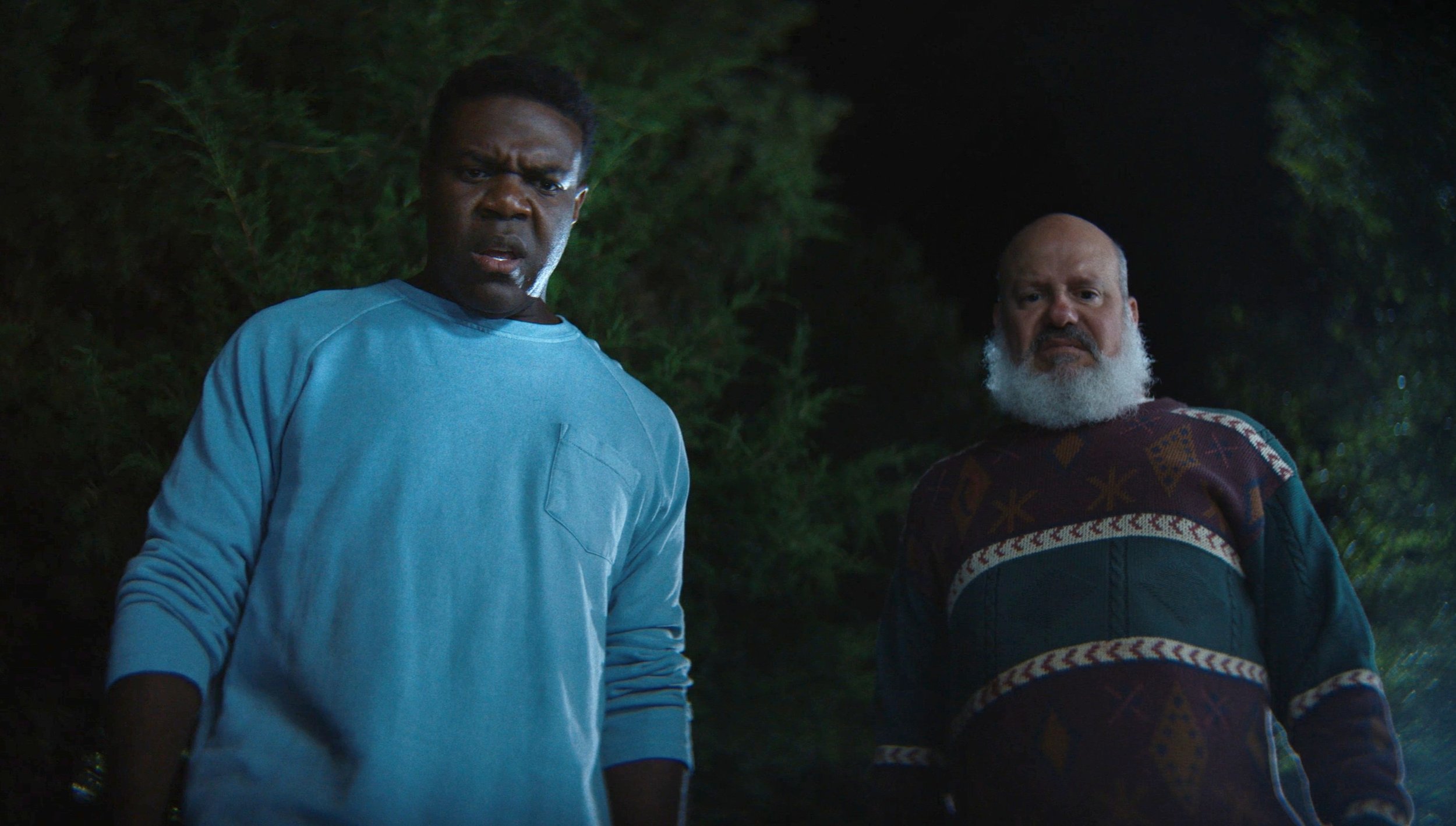
Courtesy of Fantastic Fest
“INTO THE SKY” (Directors: Evan Wolf Buxbaum & Drew Mylrea)
Synopsis: A man’s efforts to win back his estranged wife are derailed by a mysterious extraterrestrial force that keeps snatching him from Earth.
Courtesy of Fantastic Fest
“JANUR IRENG: SEWU DINO THE PREQUEL” (Director: Kimo Stamboel)
Synopsis: Indonesian horror specialist Kimo Stamboel cooks up a deliriously demonic prequel to his box office hit SEWU DINO, as a pair of desperate siblings stumble unwittingly upon a centuries-old satanic ritual orchestrated by their wealthy relatives.
Courtesy of Fantastic Fest
“JIM QUEEN” (Director: Marco Nguyen & Nicolas Athane)
Synopsis: As a virus that turns gay people straight sweeps across the world, Jim Perfect goes on a quest across Paris, with his number one fan Lucien, to find the cure in this animated comedy.
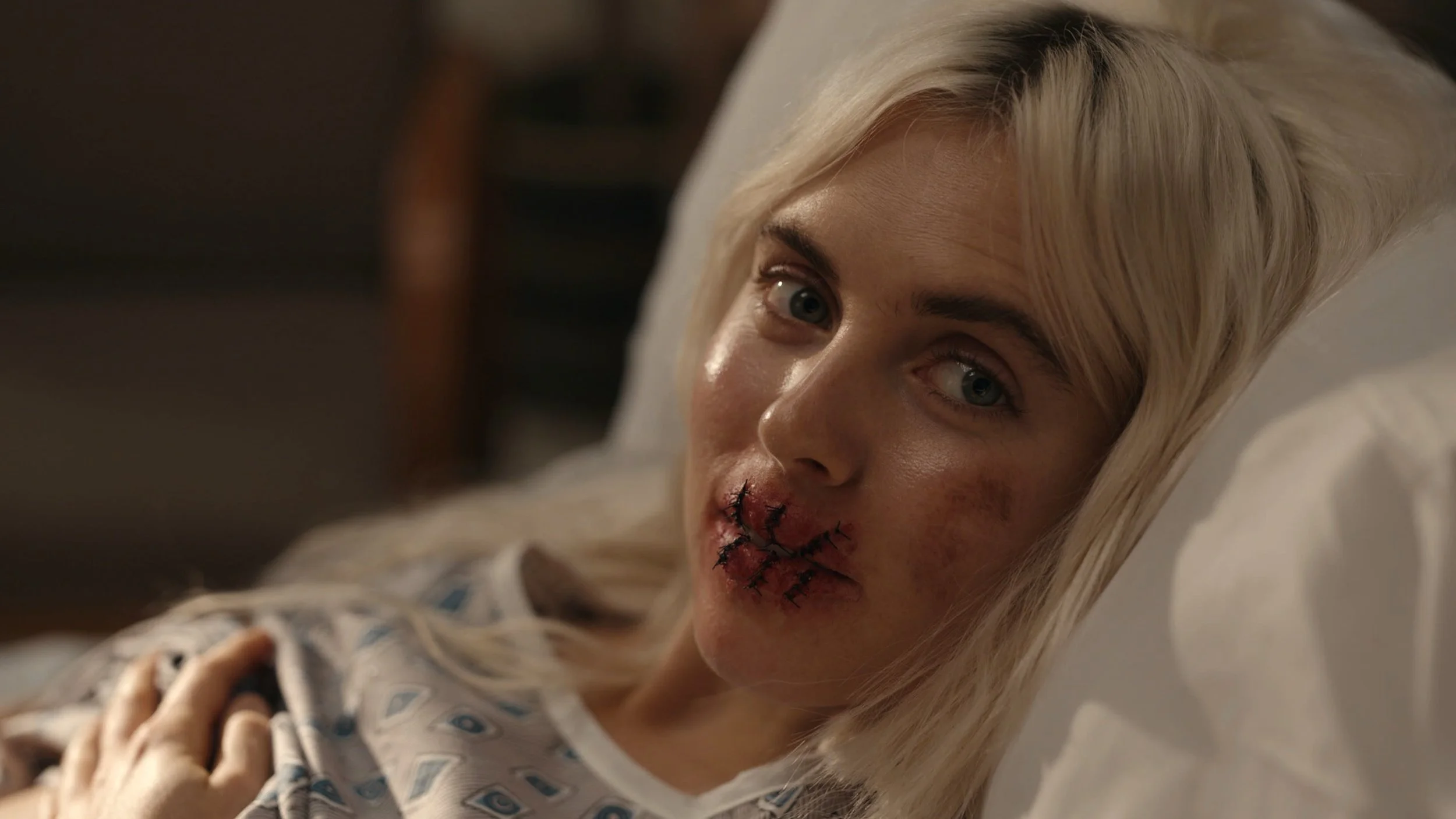
Courtesy of Fantastic Fest
“JOLLYFACE” (Director: Justin Floyd)
Synopsis: A white woman launches her own investigation into her Black fiancé’s violent murder only to find herself hunted in her apartment complex by a killer determined to keep the truth silent.
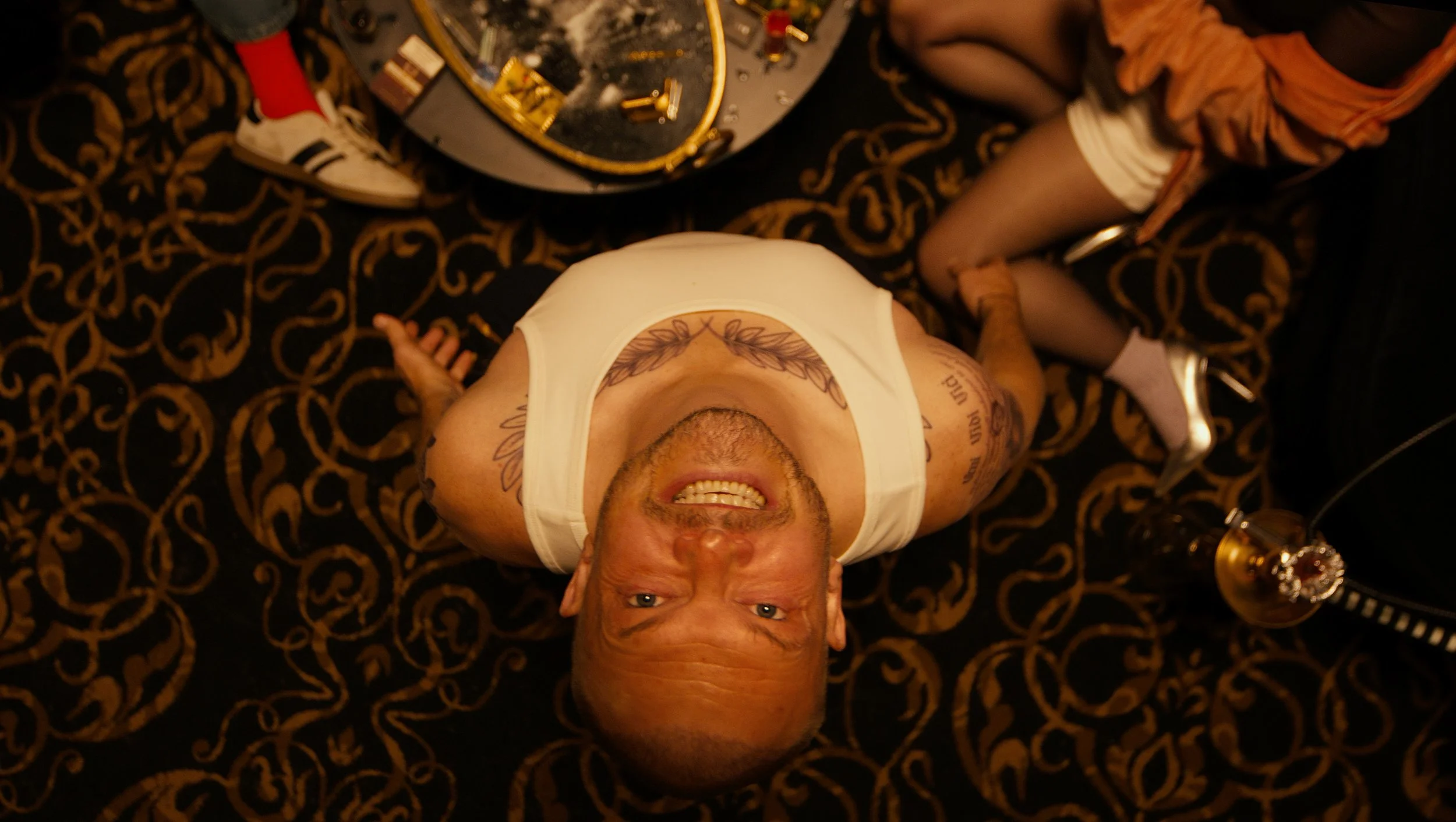
Courtesy of Fantastic Fest
“KICK ON” (Director: Nick Kozakis)
Synopsis: Four friends trying to keep their late-night bender going end up at the apartment of a reckless mobster; what starts as a casual substance-fueled afterparty quickly escalates into a violence-filled rager.
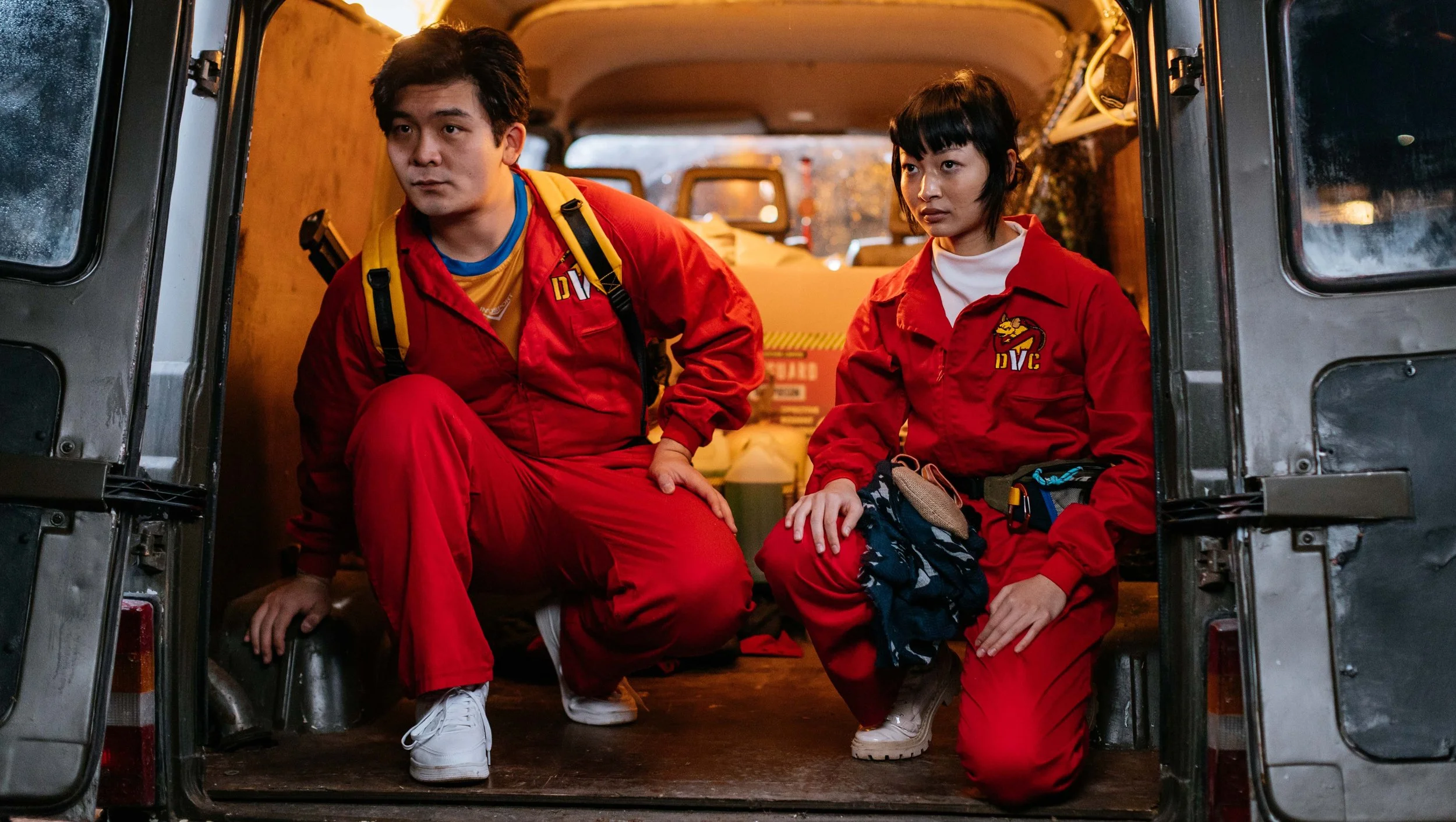
Courtesy of Fantastic Fest
“KUNG FU DEADLY” (Director: Fergal Costello)
Synopsis: A late-to-launch young man and his even less responsible friend realize they may be the last line of defense between humanity and an ancient Chinese evil. Martial arts and supernatural horror collide in this romp of a buddy comedy.
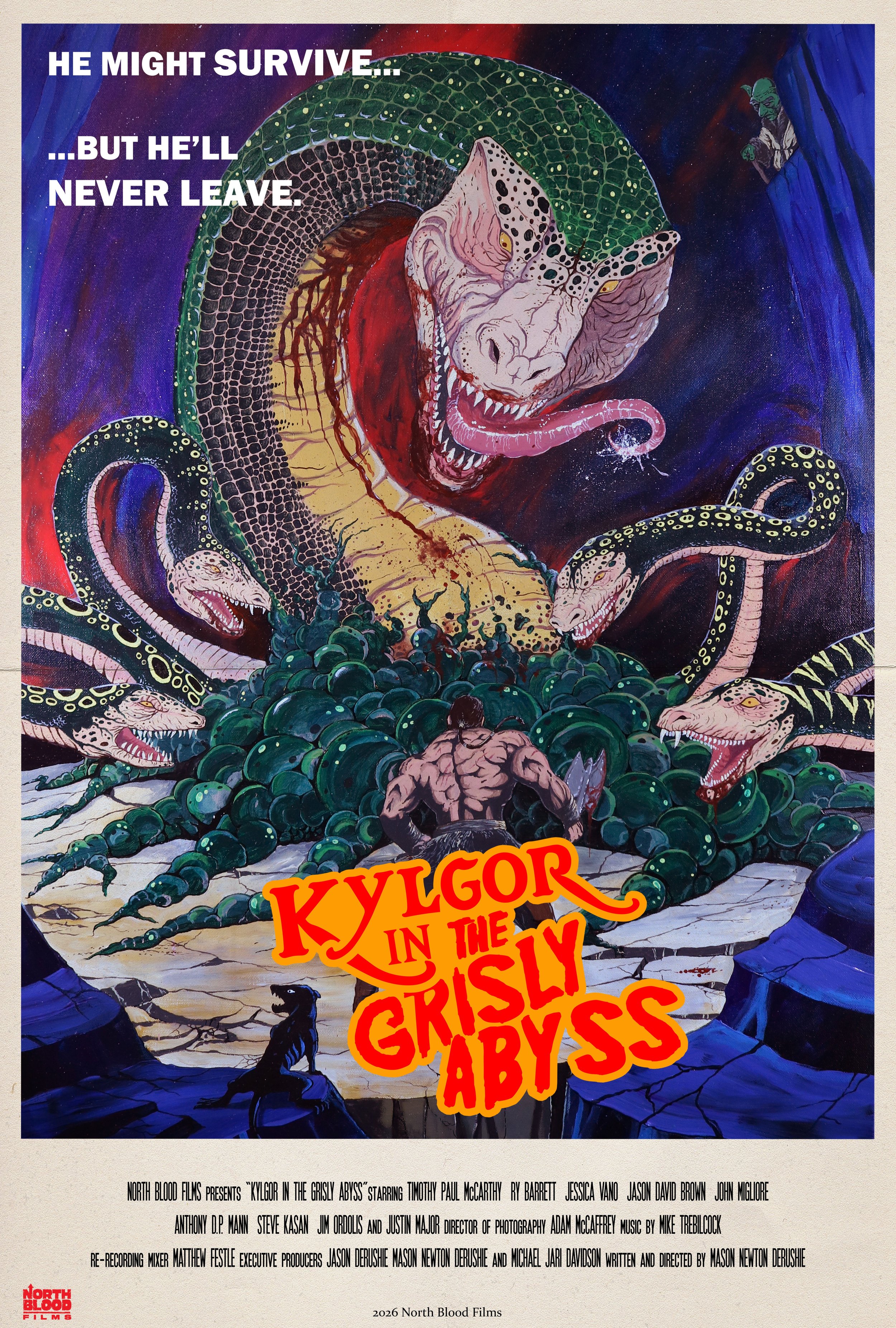
Courtesy of Fantastic Fest
“KYLGOR IN THE GRISLY ABYSS” (Director: Mason Jeffrey Newton-DeRushie)
Synopsis: Grimdark fantasy, an epic quest, buckets of blood… all puppets. Need we say more?
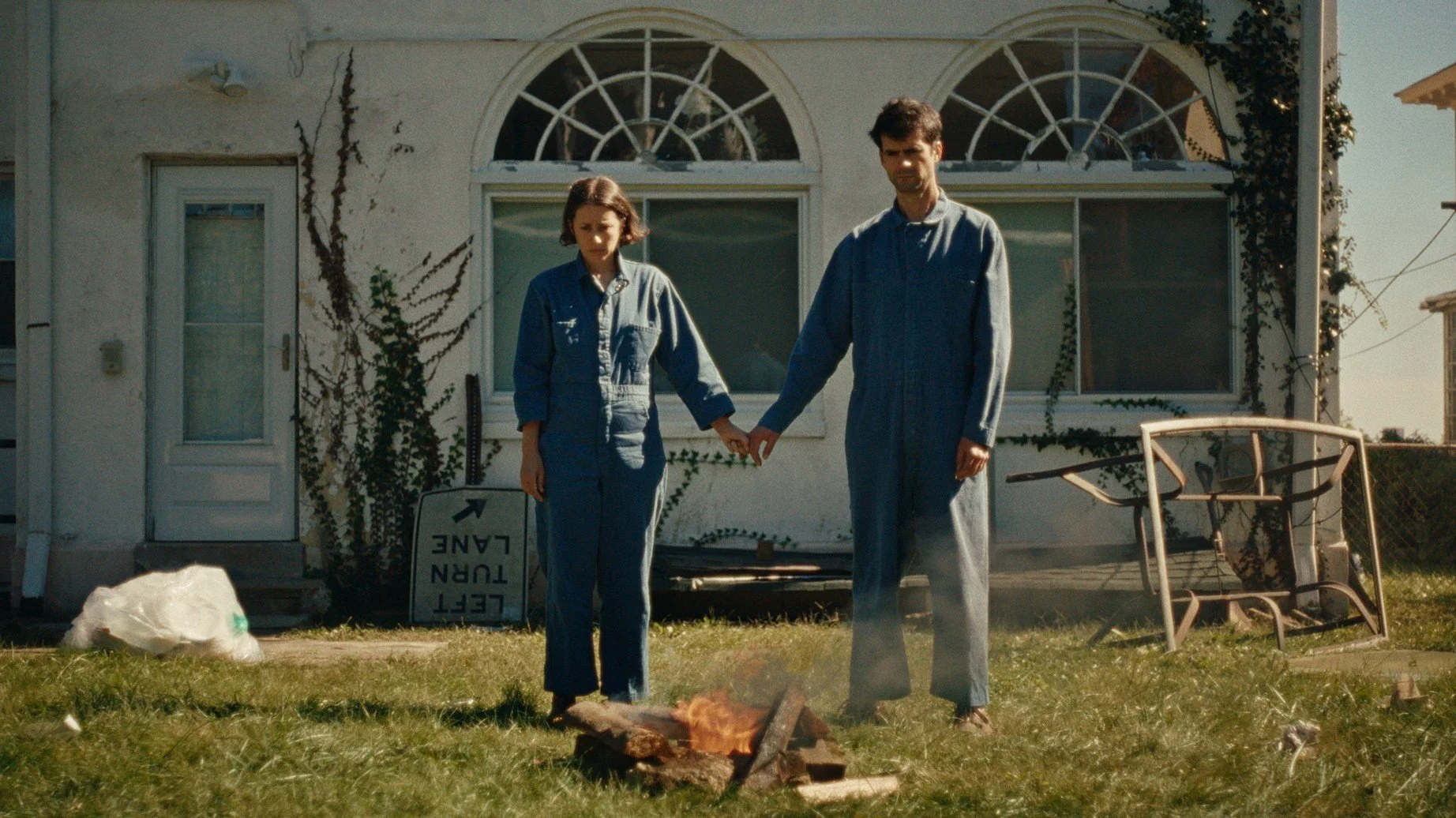
Courtesy of Fantastic Fest
“LITTLE DOORS” (Director: Anthony Oberbeck
Synopsis: Two socially awkward people find love and then define it for themselves in a barren, post-apocalyptic world before they discover a small, wooden door in the side of her body and decide whether or not to open it.
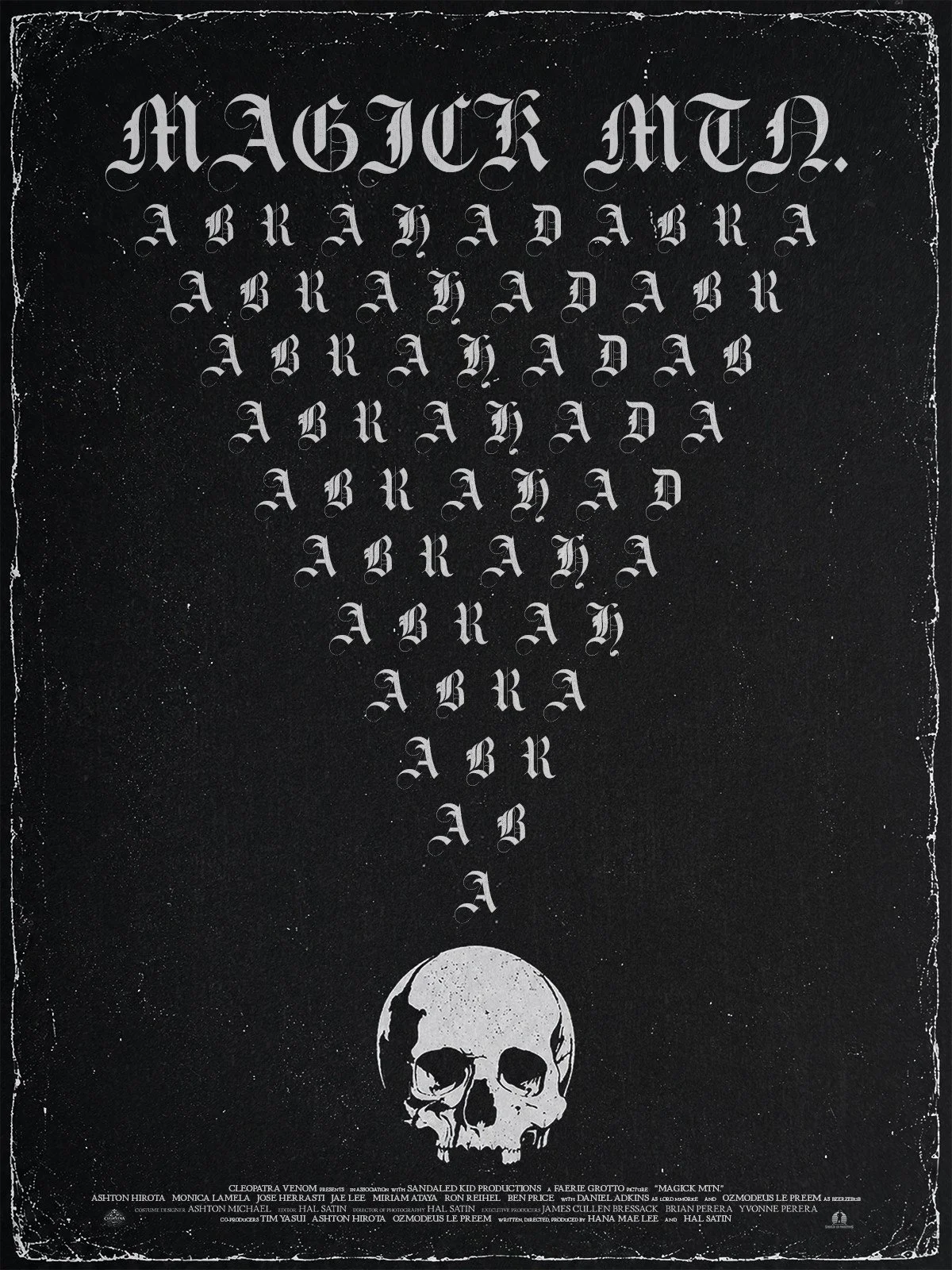
Courtesy of Fantastic Fest
“MAGICK MTN.” (Director: Hana Mae Lee & Hal Satin)
Synopsis: Ghosts, Goblins, and Crowley. MAGICK MTN. is a rock and roll fairytale set deep in Laurel Canyon using instruments of the occult to dig beneath the soil of a hillside marked by tragedy and death.
Courtesy of Fantastic Fest
“MR. CREAMJEANS’ HIDEY HOLE” (Director: Heath Benfield)
Synopsis: A raunchy series of sexy, horrifying, and hilarious vignettes, MR. CREAMJEANS' HIDEY HOLE is a shocking, disgusting, and ultimately satisfying anthology that’s never afraid to put a man in his proper place.
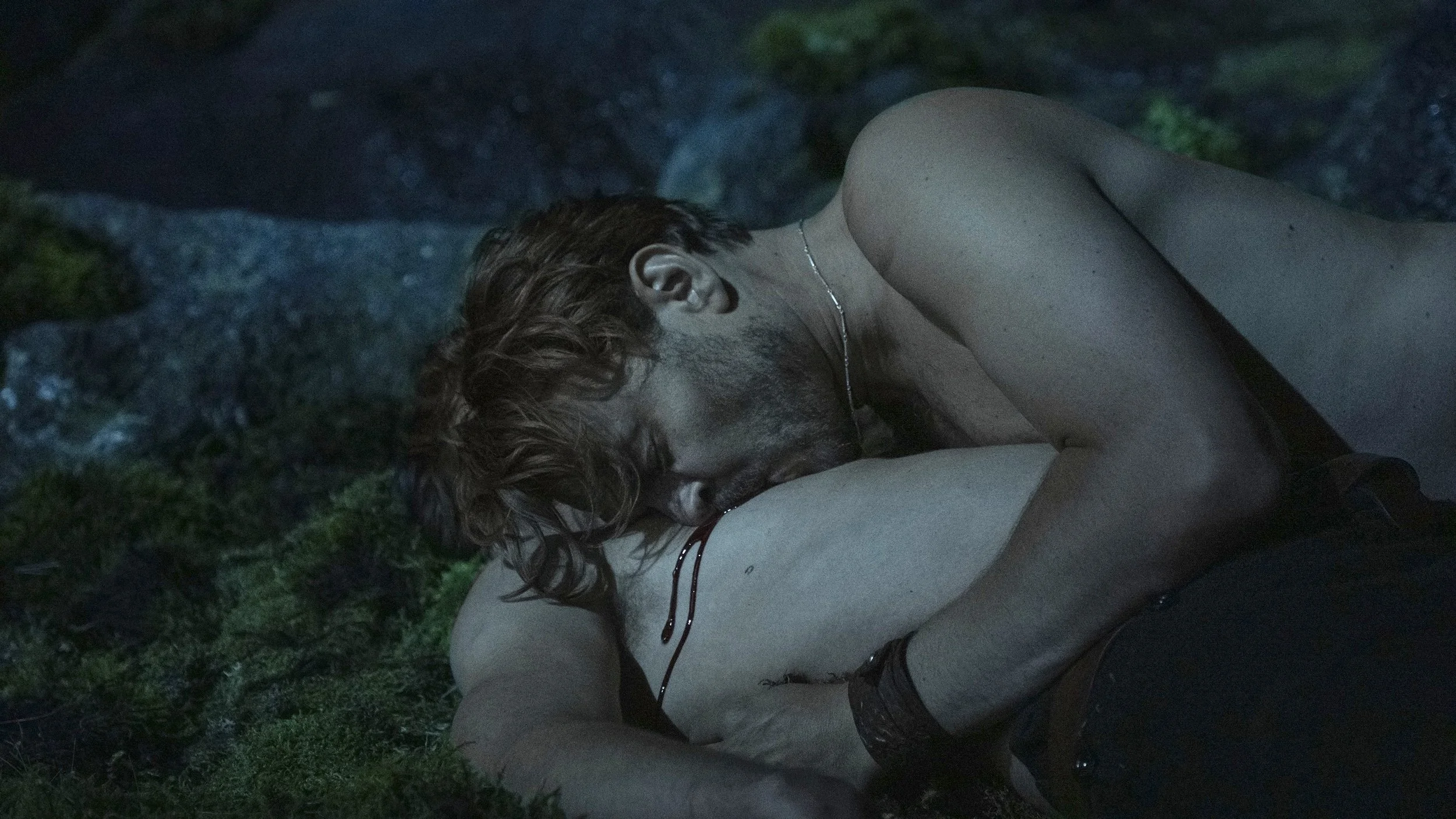
Courtesy of Fantastic Fest
“NO REST FOR THE WICKED” (Director: Kasper Kalle)
Synopsis: After Baldur is rescued from drowning by a handsome whaler, the two begin a passionate love affair that requires sacrifices to an Elder God to endure.
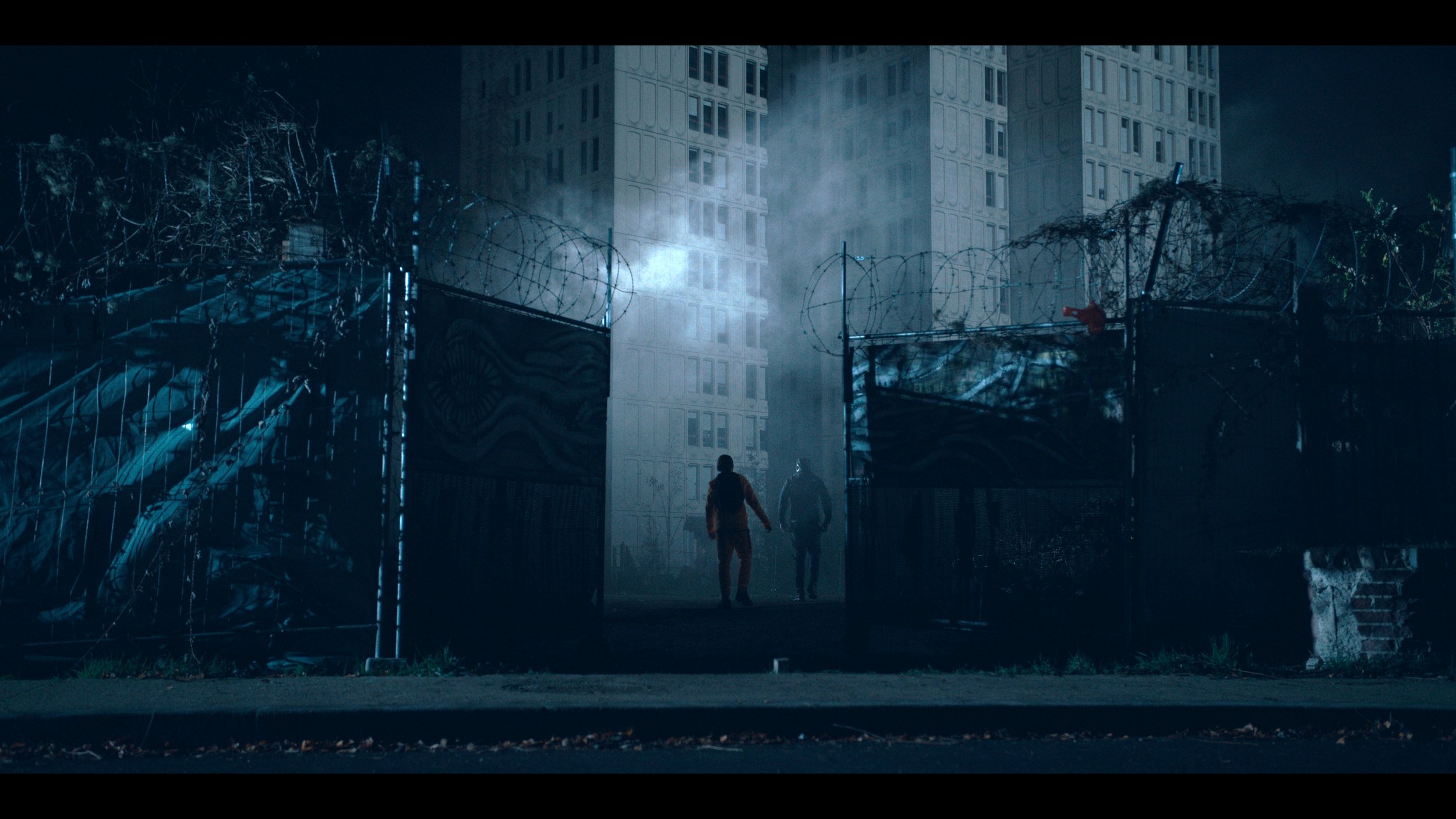
Courtesy of Fantastic Fest
“NO WAY DOWN” (Directors: Mohamed Chabane & Théo Jourdain)
Synopsis: Fresh out of prison, Idriss enters the derelict Kraken apartment complex to find his ex-girlfriend's brother, only to be dragged back into violence by a ruthless squatter tied to the past Idriss is fighting to leave behind.
Courtesy of Fantastic Fest
“OGROFF” (Director: Norbert Moutier)
Synopsis: Bleeding Skull presents a restoration of the fabled underground slasher from France.
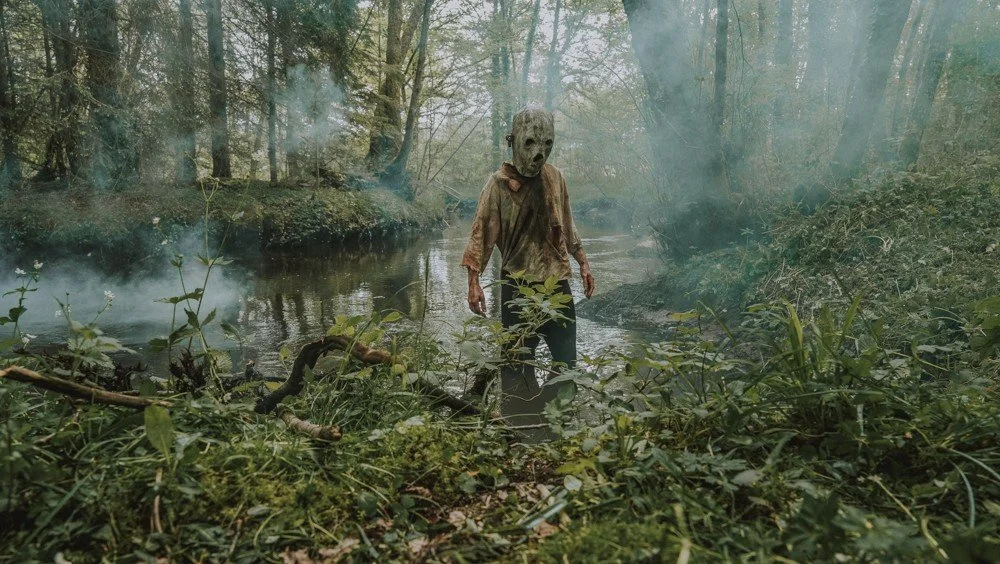
Courtesy of Fantastic Fest
“THE ONES WHO GRIEVE” (Director: Quarxx)
Synopsis: At the end of the 19th century, as a mysterious plague spreads across the countryside, a young woman living under the tyranny of her deeply religious father fights to reclaim her freedom.
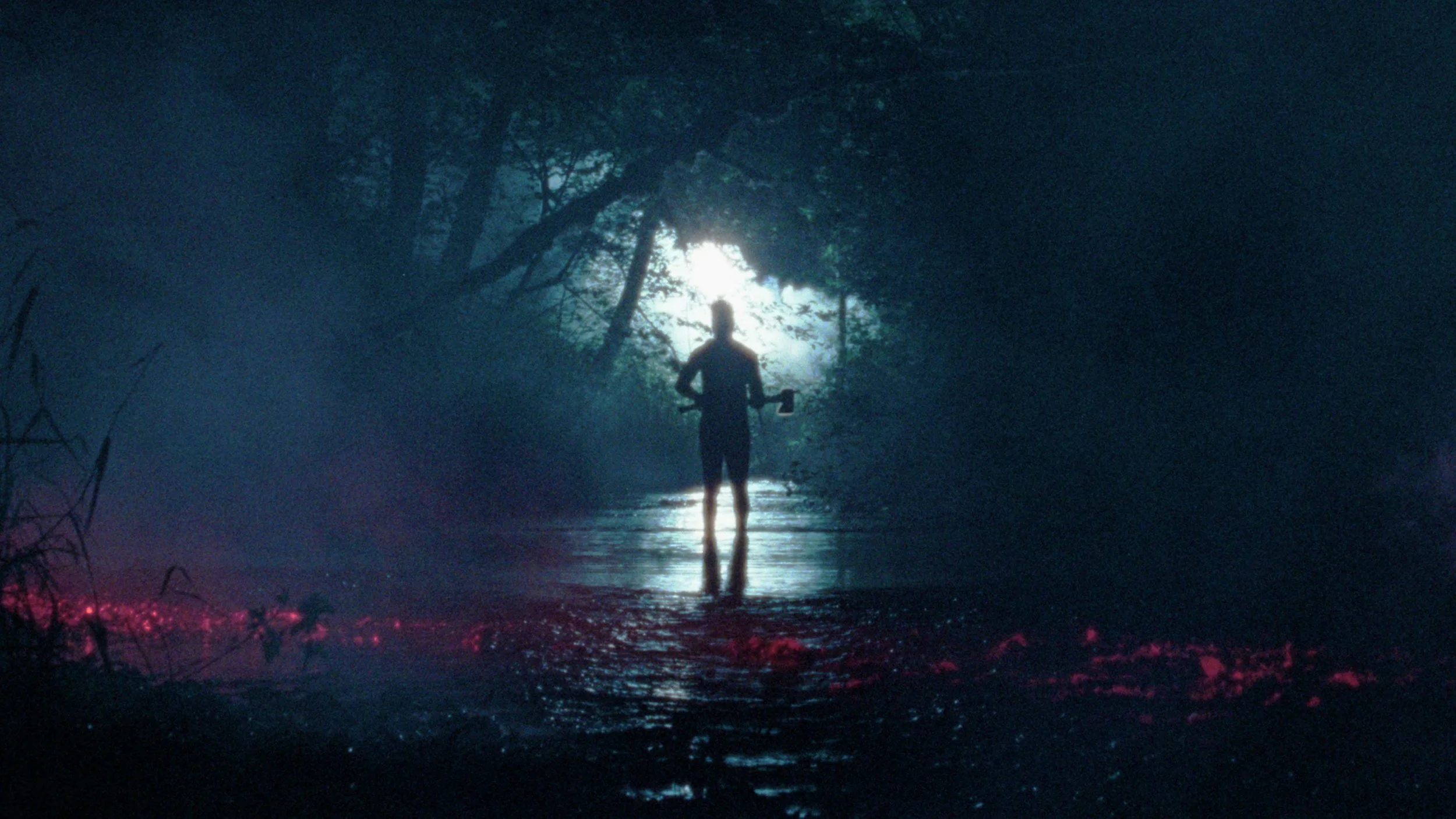
Courtesy of Fantastic Fest
“PATHETIC FALLACY” (Director: Adam Egypt Mortimer)
Synopsis: After suffering the devastating loss of his wife, a man embarks on a surreal journey to bring her back.
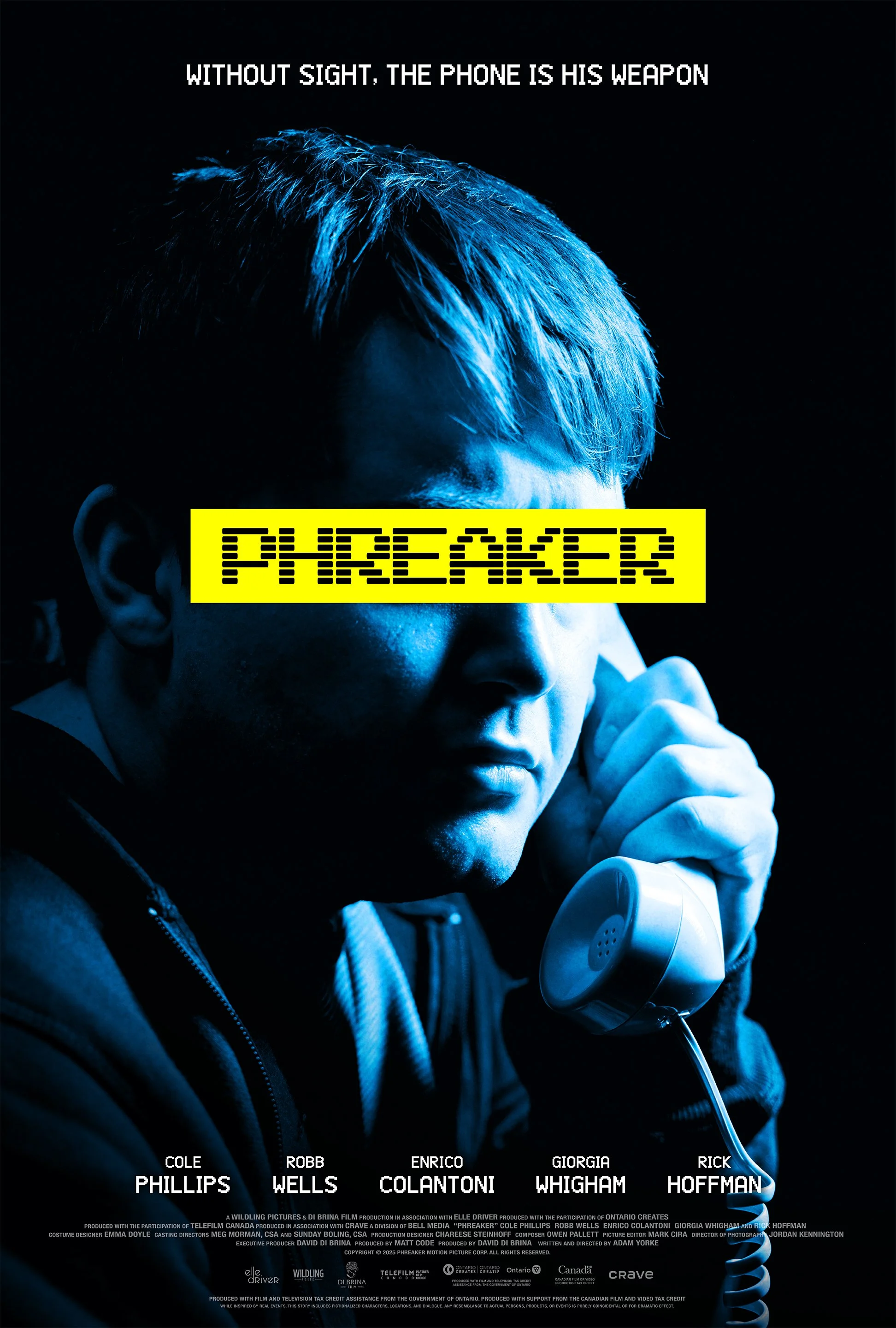
Courtesy of Fantastic Fest
“PHREAKER” (Director: Adam Yorke)
Synopsis: A blind lonely teen becomes the latest breed of telecom criminal in this crackling dial-up thriller.
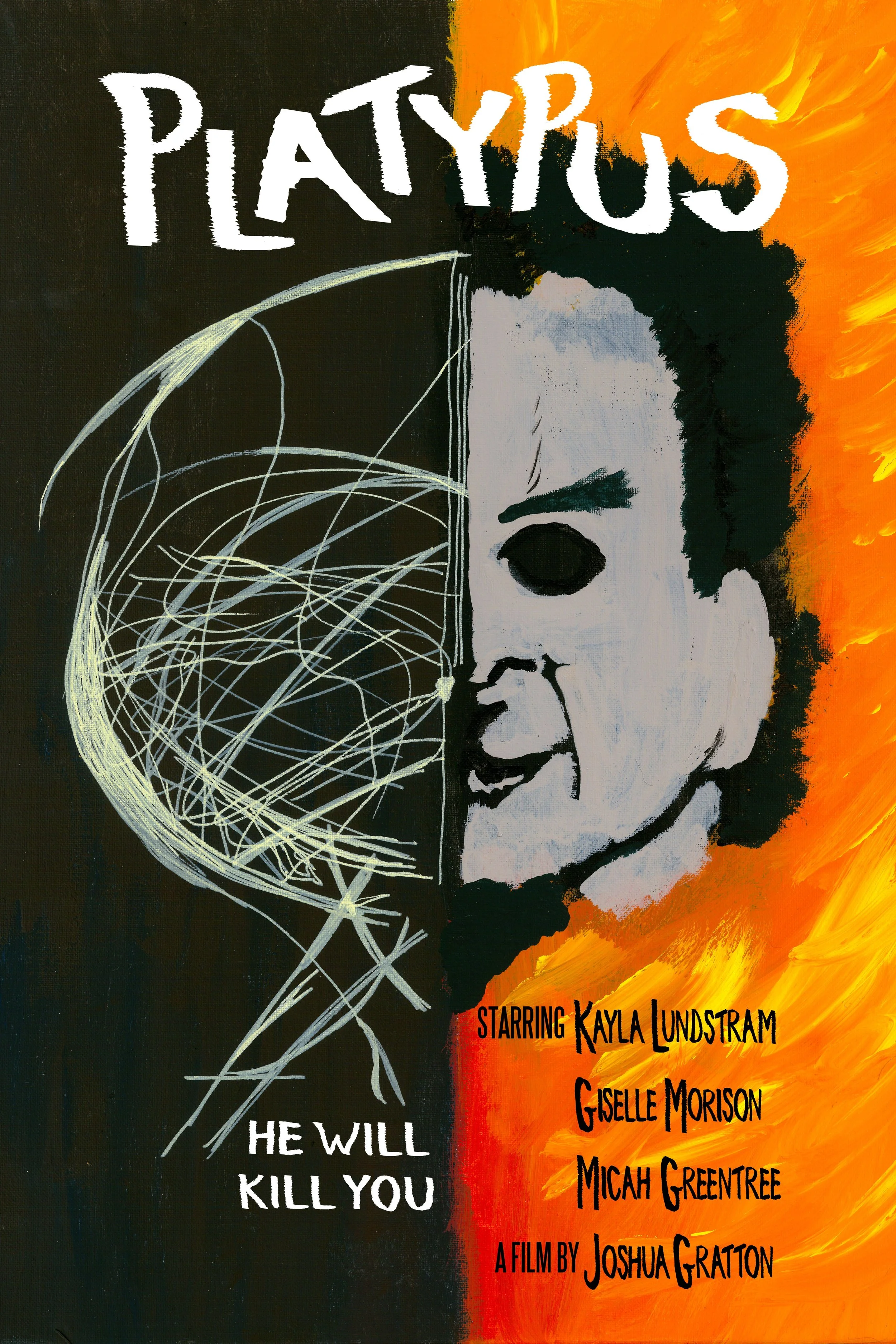
Courtesy of Fantastic Fest
“PLATYPUS” (Director: Joshua Gratton)
Synopsis: Kimberly's recurring dreams of a masked killer murdering young people around town progressively close in on her in this Canadian genre experiment.
Courtesy of Fantastic Fest
“PLAY HOUSE” (Director: Nicolas Jon Curcio)
Synopsis: While renovating a dilapidated house to win back his ex, Elliot discovers VHS tapes of an unaired children’s TV show. The show's dark history seeps into his life, threatening his last chance at reconciliation. Winner of the 2025 Fantastic Pitches.
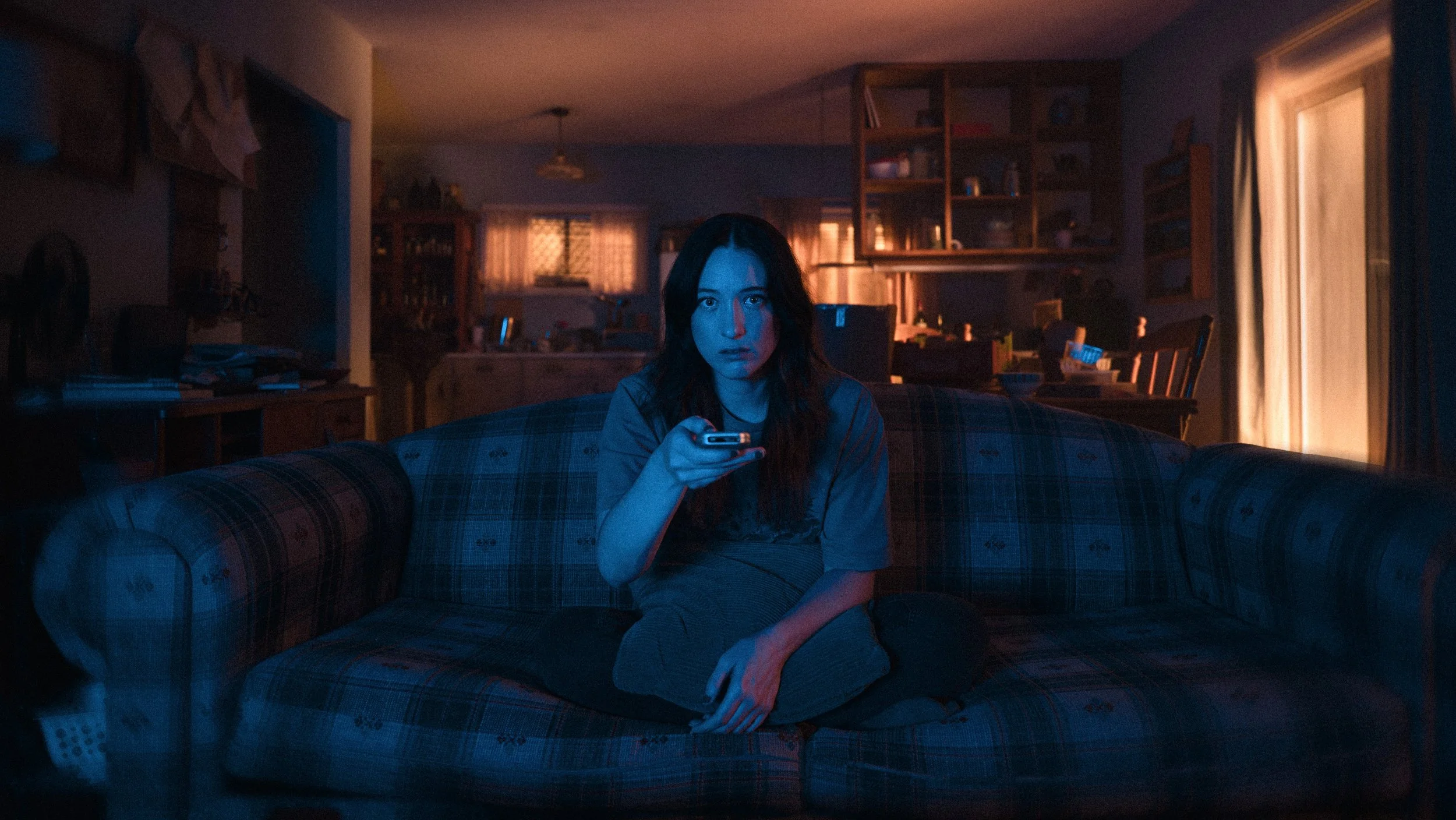
Courtesy of Fantastic Fest
“POSTHUMOUS” (Director: Josh Tanner)
Synopsis: Zoe returns home to her estranged father, seeking comfort from a series of VHS birthday recordings left behind by her deceased mother, and uncovers an occult ritual that upends everything she was told about her mother's death.
Courtesy of Fantastic Fest
“A PRAYER FOR THE DYING” (Director: Dara Van Dusen)
Synopsis: In a rural Wisconsin town in 1870, Sheriff Jacob Hansen—a man still haunted by the Civil War—is pushed to his psychological limits when a deadly plague sweeps through his community and encroaching wildfires close in.
Courtesy of Fantastic Fest
“RED SNOW” (Director: Ilja Rautsi)
Synopsis: A vampire posing as Santa Claus invades the home of a family whose rebellious teenage daughter wants only one thing: to become a vampire herself and escape her miserable life.
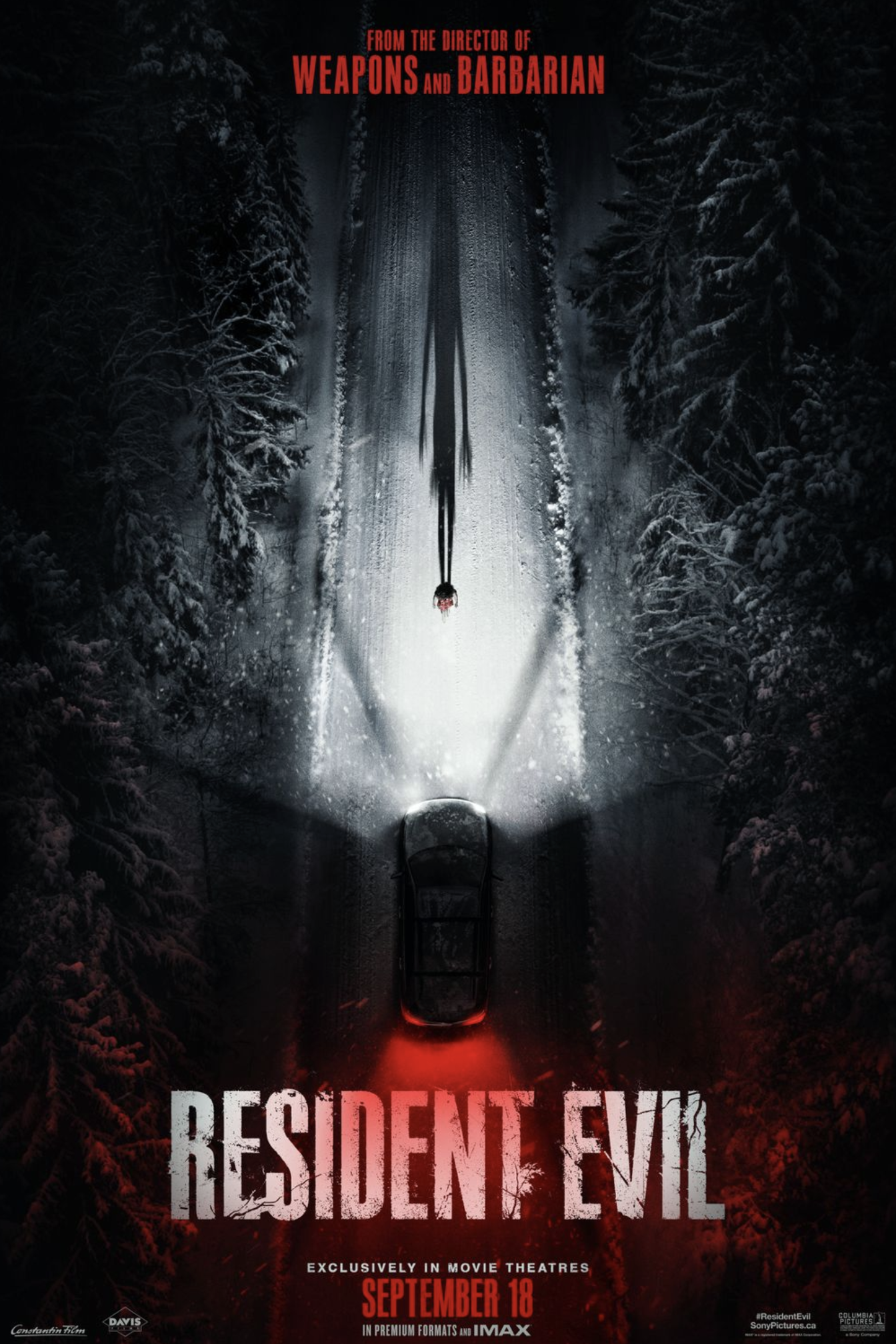
Courtesy of Fantastic Fest
“RESIDENT EVIL” (Director: Zach Cregger)
Synopsis: From the mind of visionary filmmaker Zach Cregger (WEAPONS, BARBARIAN) comes a thrilling — and terrifying — reinvention of the RESIDENT EVIL franchise. In an all-new story, Resident Evil follows Bryan (Austin Abrams), a medical courier who unwittingly finds himself in an action-packed, non-stop race for survival as one fateful, horrifying night collapses around him in chaos. From TriStar Pictures, Constantin Film, and Davis Films, RESIDENT EVIL hits theatres September 18, 2026.
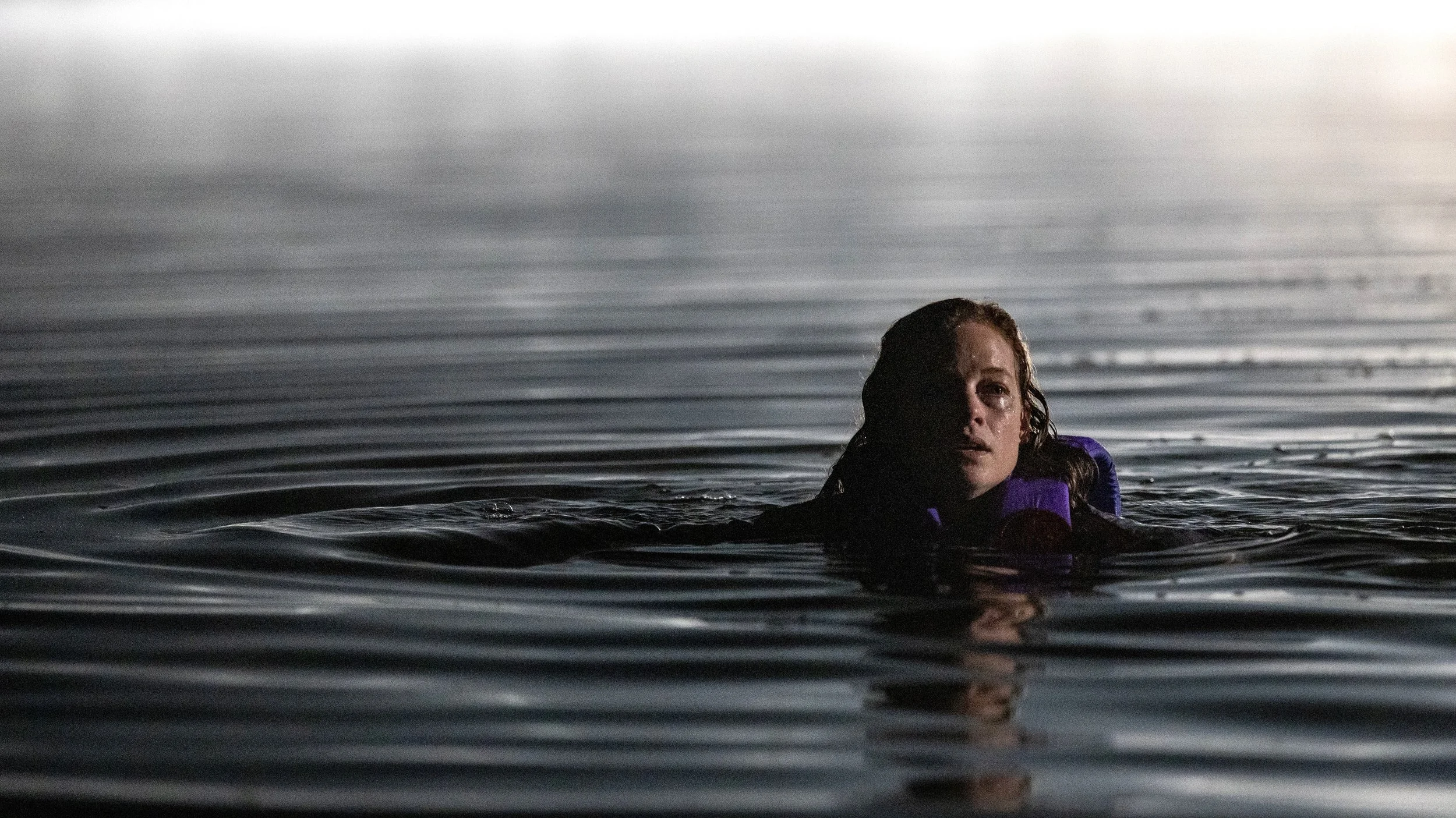
Courtesy of Fantastic Fest
“RIVER” (Director: Joshua Giuliano)
Synopsis: When three estranged siblings reunite in their hometown after the death of their father, they set out to scatter his ashes at his favorite spot on a remote river. But when their boat breaks down, the trip devolves into a waking nightmare.
Courtesy of Fantastic Fest
“ROMA ELASTICA” (Director: Bertrand Mandico)
Synopsis: French cinema maestro Bertrand Mandico and mega-starlet Marion Cotillard broadcast a daring hyper-pulp transmission straight from 1980s Italian cinema.
Courtesy of Fantastic Fest
“ROY FROM SPACE” (Director: Héctor López Carmona)
Synopsis: An evil space emperor plots to take over the Earth in this restoration of one of the first fully animated feature films from Mexico.
Courtesy of Fantastic Fest
“SCREAMPLAY” (Director: Rufus Butler Seder)
Synopsis: Your new favorite queer horror rediscovery, newly restored.
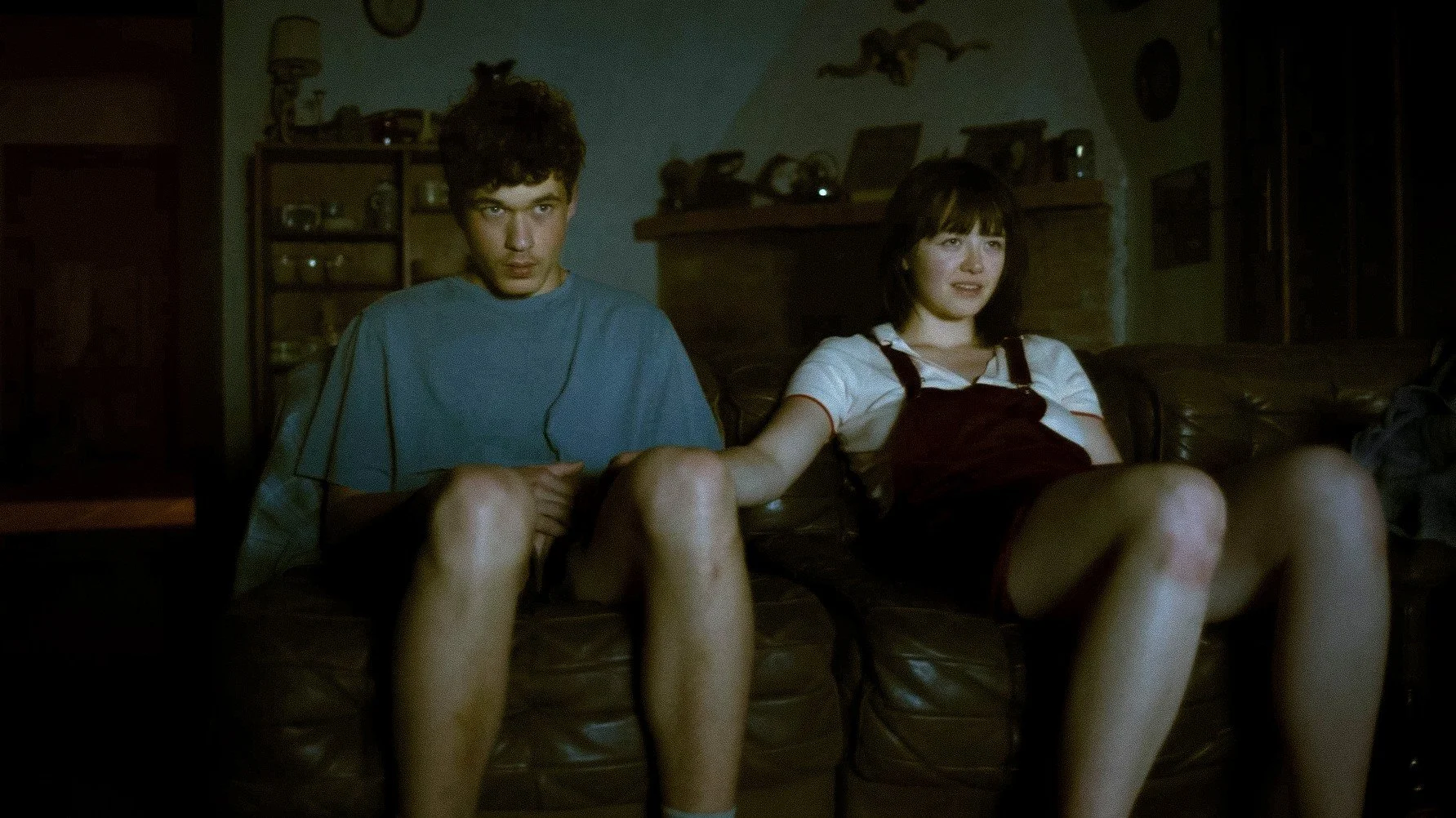
Courtesy of Fantastic Fest
“SICK” (Director - Agata Trzebuchowska)
Synopsis: Things spiral out of control in more ways than one when two siblings are tasked with caring for their ailing grandma.
Courtesy of Fantastic Fest
“THE SPIRAL” (Director: Paolo Strippoli)
Synopsis: When Alice’s estranged mother arrives with a confession about a twenty-year-old bargain, Alice discovers that the miracle that saved her came with a debt… and the bill has finally come due.
Courtesy of Fantastic Fest
“THE SQUIRREL” (Director: Markus Lehmusruusu)
Synopsis: In a sterile future devoid of nature where emotions are forbidden, a toy designer developing robotic companion dogs rescues an injured squirrel, setting him on a journey of self-discovery and societal rebellion.
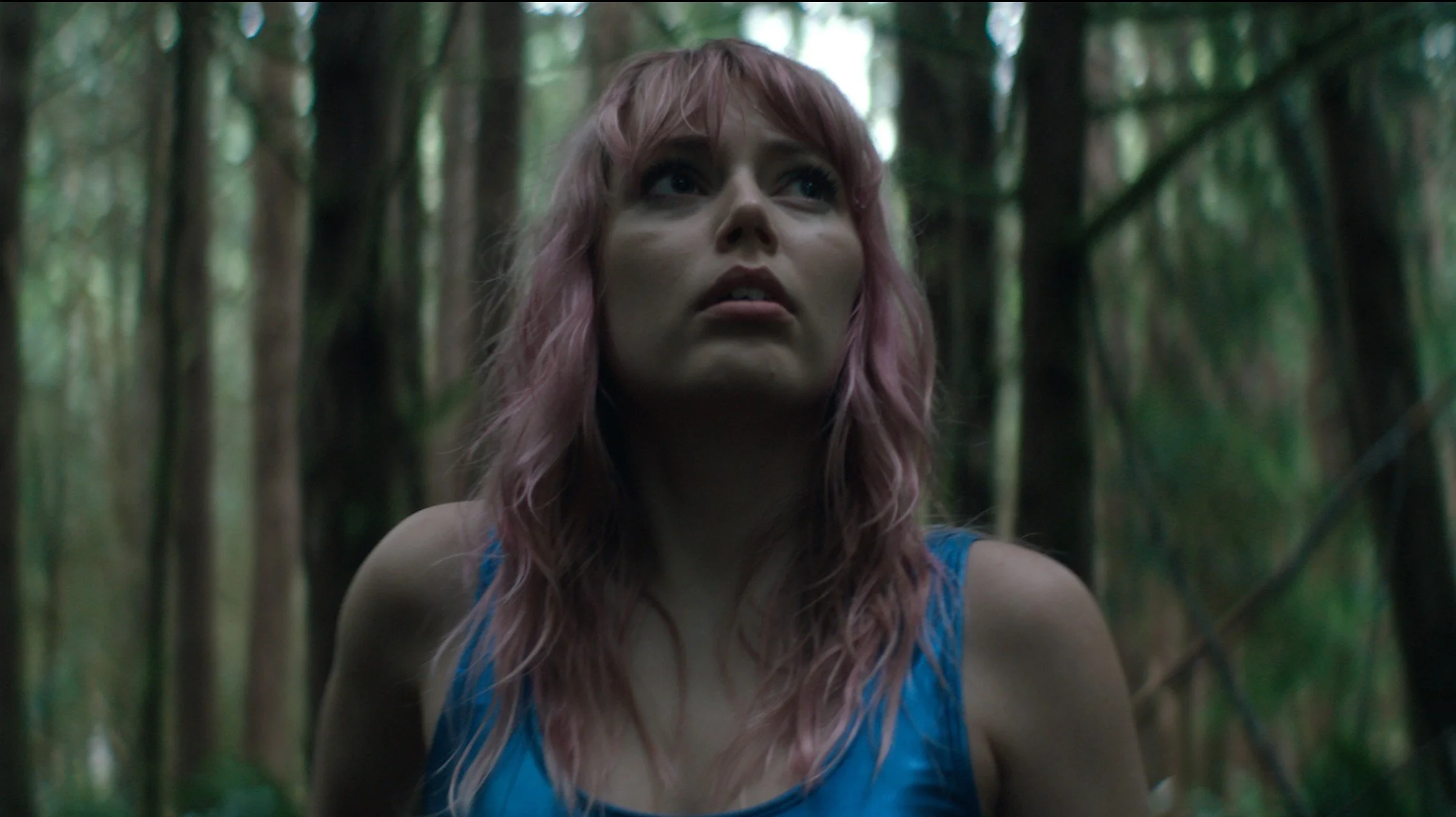
Courtesy of Fantastic Fest
“THE SWALLOW” (Directors: Kevin Kölsch & Dennis Widmyer)
Synopsis: A sentient, quicksand-like sludge terrorizes a group of young people in this brutally efficient, effects-forward creature feature.
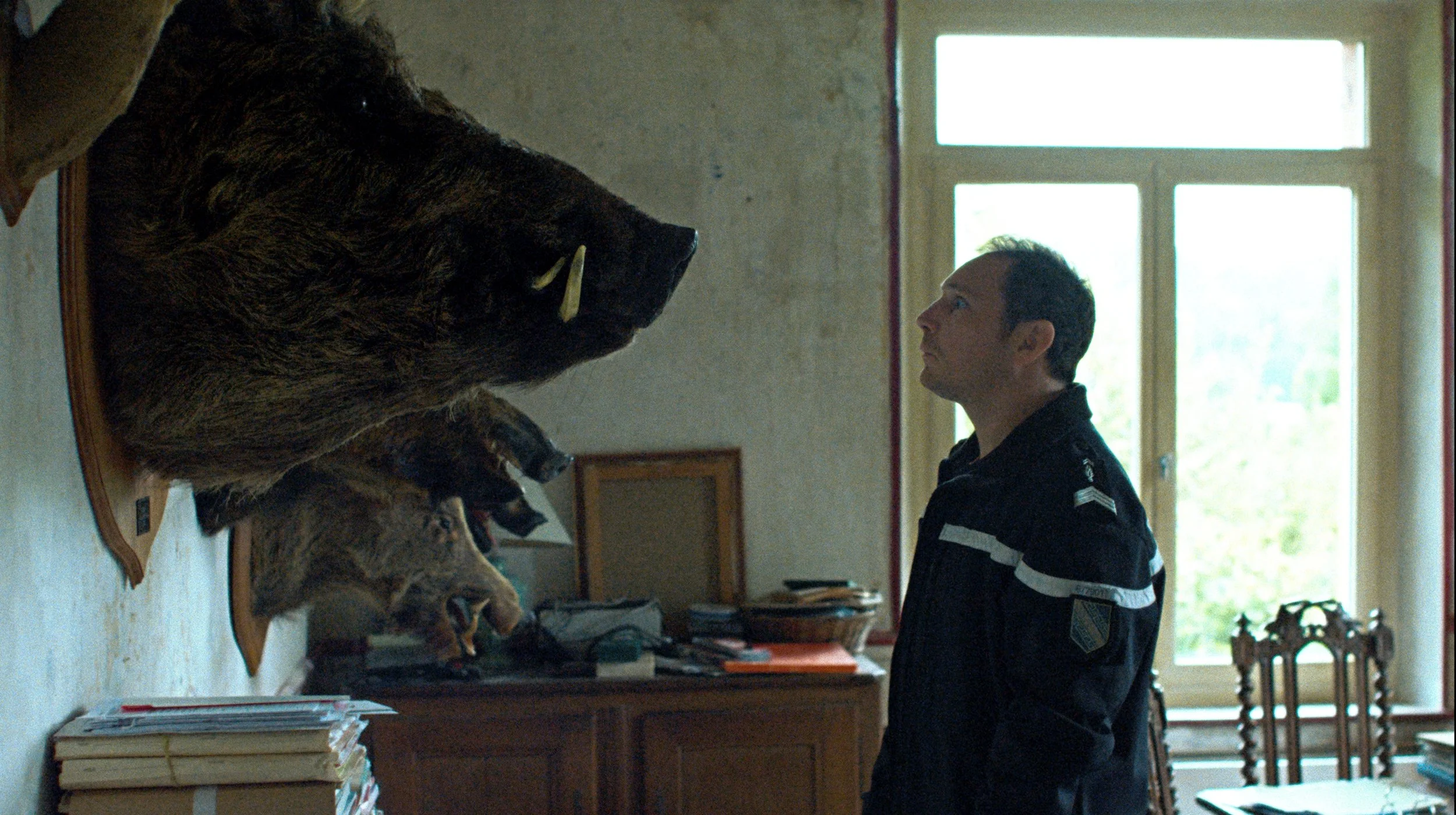
Courtesy of Fantastic Fest
“TOO MANY BEASTS” (Director: Sarah Arnold)
Synopsis: Transferred to the French countryside, a disgraced cop investigates a rift between the local farmers and hunters, uncovering corruption that runs far deeper than the damage the exploding population of wild boars has wreaked on the region's crops.
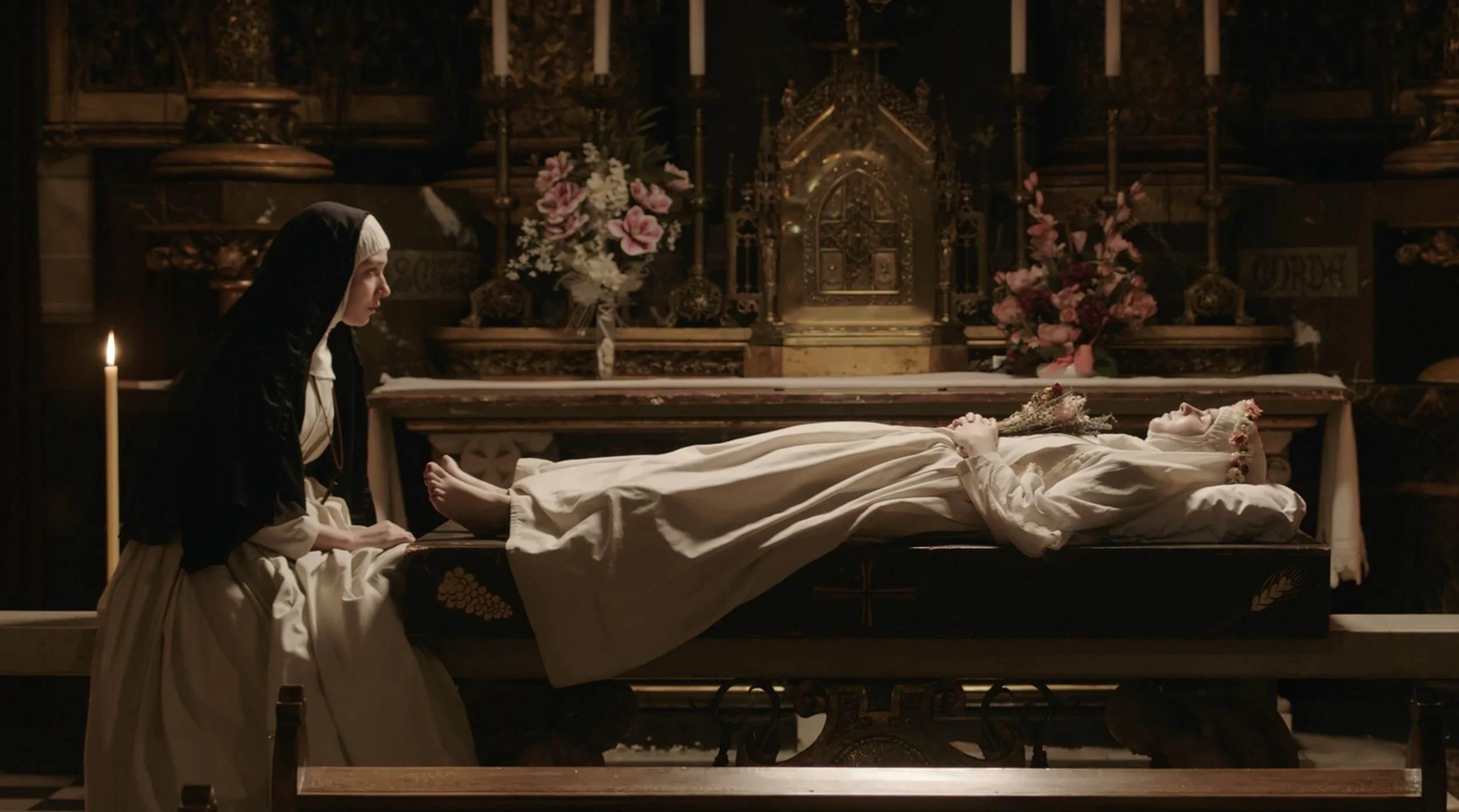
Courtesy of Fantastic Fest
“UPIRO” (Director: Óscar Martín)
Synopsis: In the Age of Enlightenment, Ana is sent to a remote monastery to atone for her sins. There, she finds a place plagued by a mysterious blood disease linked to a supernatural being: the upyr.
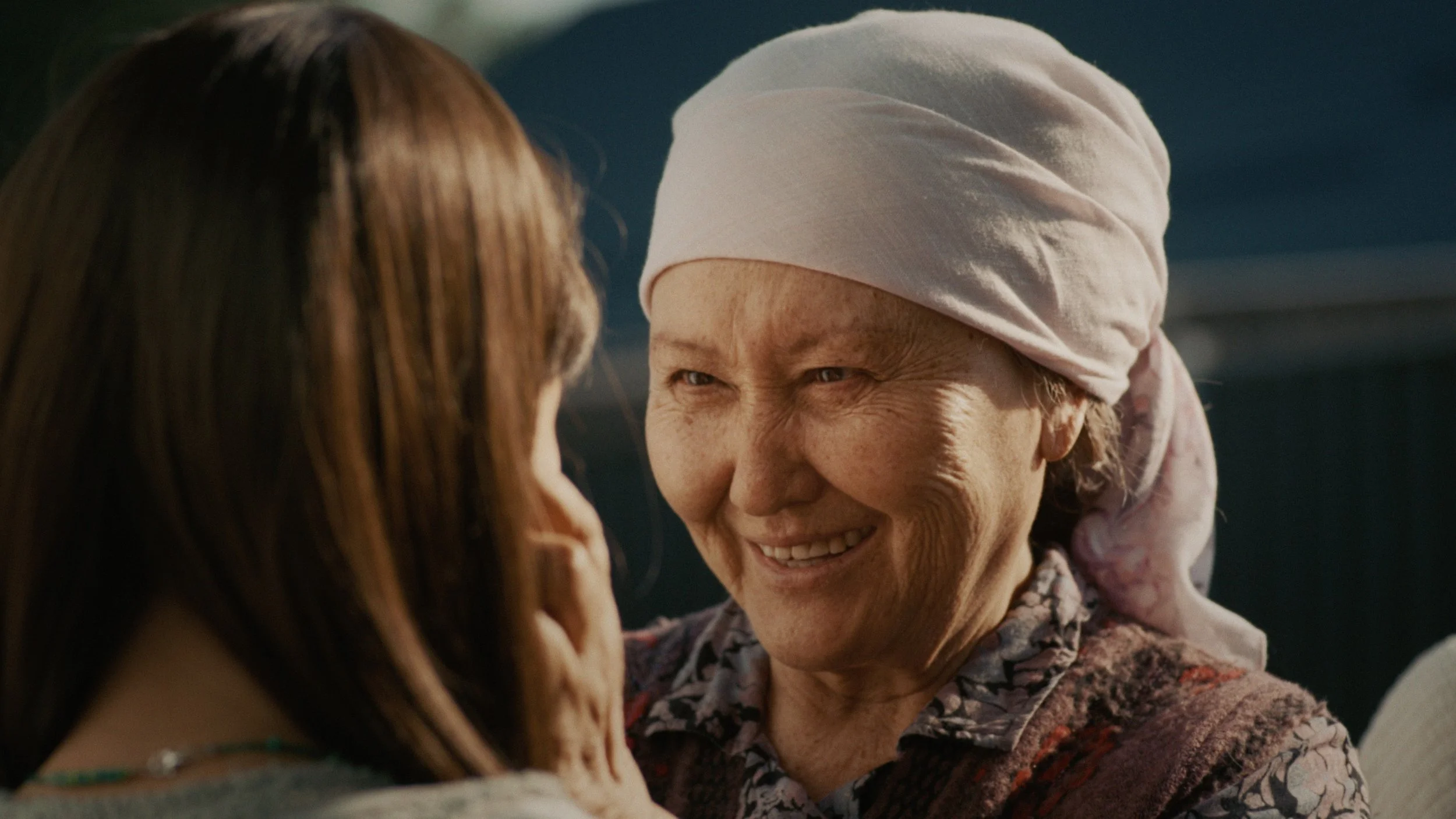
Courtesy of Fantastic Fest
“ÜREI” (Director: Yerkezhan Baizhan)
Synopsis: When a young girl is left with her aging grandmother in rural Kazakhstan, an ordinary act of familial care quickly turns into an unsettling descent into the unknown where loss can take monstrous forms.
Courtesy of Fantastic Fest
“VERTIGINOUS” (Director: Quentin Dupieux)
Synopsis: Quentin Dupieux offers a delightfully off-kilter take on the simulation hypothesis with early Y2K graphics and his trademark deadpan wit, turning the theory into an absurdly funny mirror of contemporary life.
Courtesy of Fantastic Fest
“VICTORIAN PSYCHO” (Director: Zachary Wigon)
Synopsis: Set in Victorian England, VICTORIAN PSYCHO sees an eccentric governess arrive at a remote gothic manor, where strange happenings stir suspicion that she’s not what she seems.
Courtesy of Fantastic Fest
“WELCOME TO DOLLY’S HOUSE” (Directors: Seven Ych, Rady Fu, & Tree Muta)
Synopsis: Taiwan’s first major rotoscoped 2D animated feature tells the story of a ghost-debunking influencer who begins to question her own identity after entering the mansion of a famously reclusive doll-maker.
Courtesy of Fantastic Fest
“WHAT HAPPENED TO DORIS?” (Director: Nick Simon)
Synopsis: Based on the terrifying true story that inspired THE ENTITY, WHAT HAPPENED TO DORIS? follows a single mother whose violent encounters with an unseen force draw UCLA investigators into one of the most infamous paranormal cases in American history.
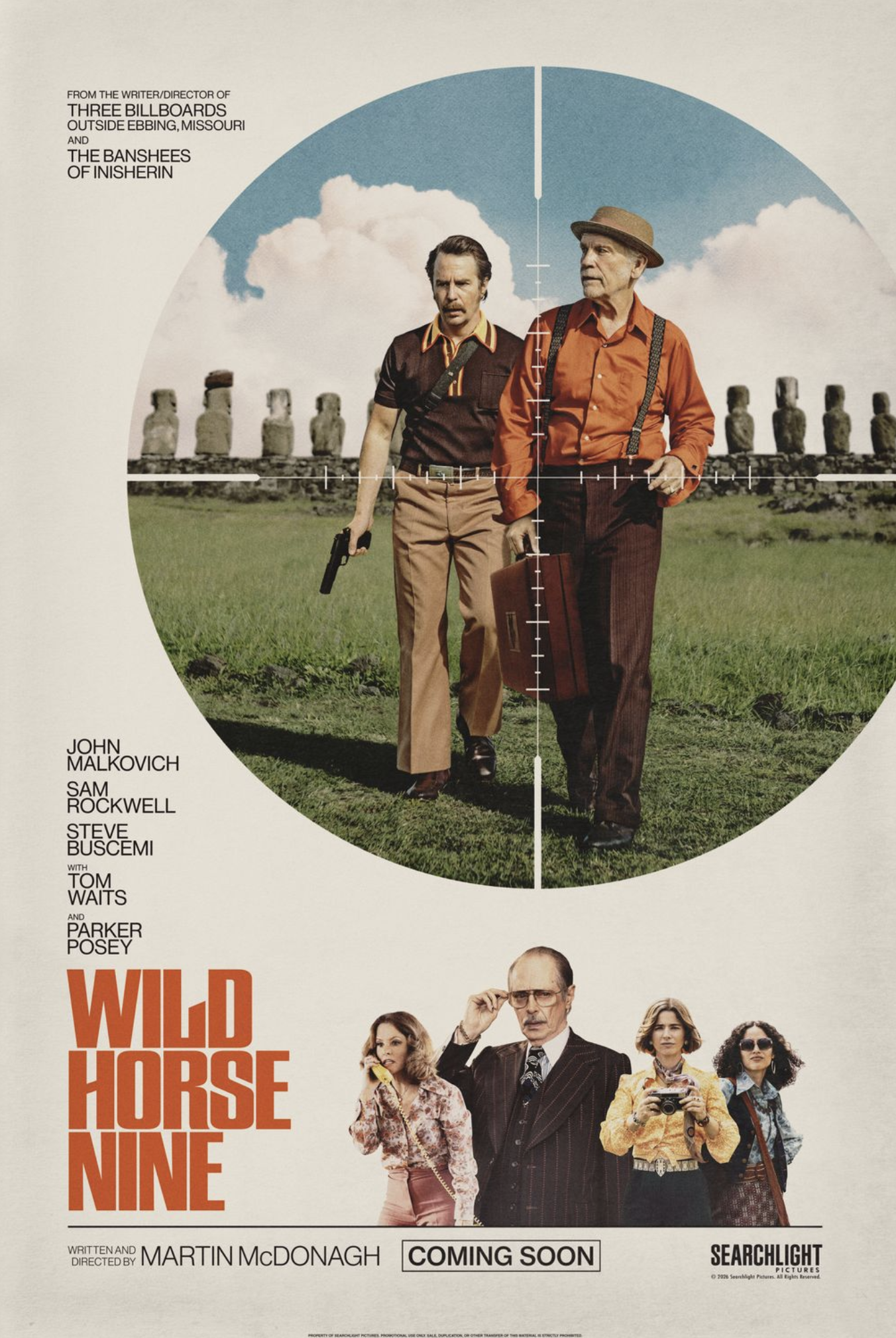
Courtesy of Fantastic Fest
“WILD HORSE NINE” (Director: Martin McDonagh)
Synopsis: A CIA mission to Easter Island unravels amid conspiracies, secrets, and Chile's looming coup.
With a lineup this packed, this year’s Fantastic Fest is shaping up to be one of the most exciting yet. I can’t wait to dive into these films, discover a few surprises along the way, and share my thoughts on the ones that leave the biggest impression. Plus, the interviews with some of the people involved in these films are another fun part of covering Fantastic Fest. Stay tuned here throughout the festival for reviews, coverage, and plenty more from Fantastic Fest. If this lineup is any indication, horror fans have a lot to look forward to.
Synopsis: Whether it’s slashers in the woods, ghosts in the attic, or killers in the cornfield, ILHM Reviews brings you the frightful horror flick recommendations worth watching. Follow us on Instagram, be sure to listen to the"I Love Horror" podcast, and remember that if you’re a true fan of horror, every night can be a FRIGHT NIGHT!
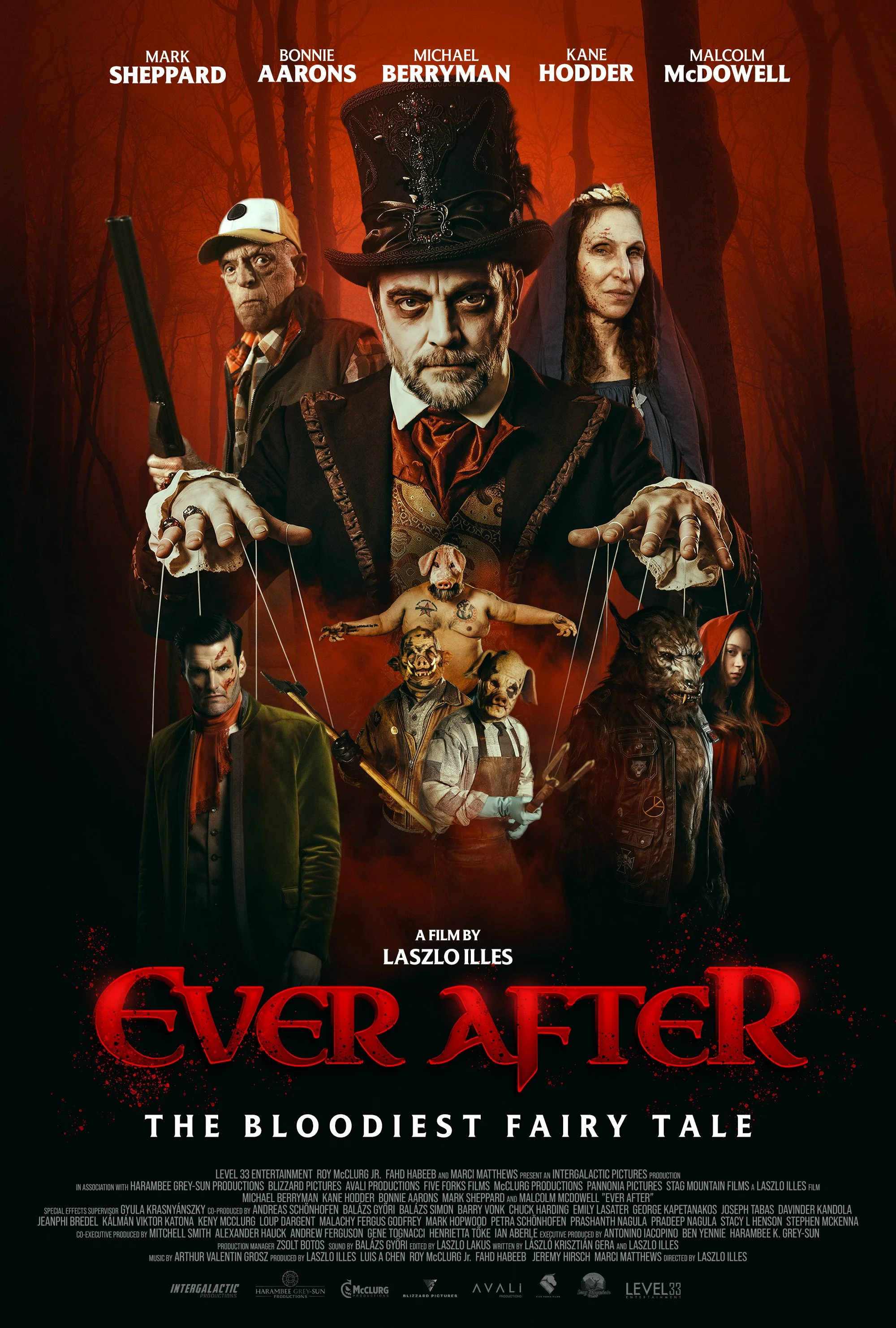
(NEWS) “EVER AFTER” Hits Theaters This September
Courtesy of Level 33 Entertainment
There’s something special about seeing a group of horror legends come together in the same movie. For longtime fans (including myself), it can feel like a love letter to the horror genre. It is a chance to watch those spooky familiar faces from across the horror landscape share the screen. These types of horror films tend to bring decades of scares, screams, and iconic performances. When the right cast comes together, it’s more than a press casting just for the headlines themselves; it becomes a truly enjoyable event for the people who have been watching these actors terrify audiences for years. Recently, I had some news come to my email from Level 33 Entertainment regarding an announcement for a new movie that brings quite the horror star power. Here is the info.
From the Level 33 Entertainment Press Release:
Five horror legends share the screen for the first time in “EVER AFTER”, the star-studded fairy-tale nightmare from writer/director Laszlo Illes. Level 33 Entertainment has acquired the film for an exclusive U.S. and Canadian theatrical release beginning September 4, 2026.
Starring Mark Sheppard (“Supernatural”), Bonnie Aarons (“The Nun”), Michael Berryman (“The Hills Have Eyes”), Kane Hodder (“Friday the 13th”), and Malcolm McDowell (“A Clockwork Orange”), “EVER AFTER” transforms the beloved characters of classic fairy tales into relentless killers in a suspense-filled survival nightmare.
“A bachelorette weekend at a secluded forest lodge quickly descends into terror when a group of friends discovers that the surrounding woods are inhabited by murderous fanatics who believe they are the heroes and villains of childhood fairy tales.
Little Red Riding Hood, the Big Bad Wolf, the Evil Witch, Prince Charming, and other familiar figures emerge from the darkness, turning childhood stories into a brutal fight for survival where every fairy tale ends in blood.”
Produced by Intergalactic Pictures, McClurg Productions, Harambee Grey-Sun Productions, Stag Mountain Films and Avali Productions, “EVER AFTER” combines practical creature effects, large-scale set pieces and one of the most recognizable ensemble casts assembled in independent horror in recent years.
Writer/director Laszlo Illes said, “As a lifelong horror fan, working with Mark Sheppard, Bonnie Aarons, Michael Berryman, Kane Hodder and Malcolm McDowell was something I could only dream about for many years. Watching these incredible actors bring our twisted fairy tale world to life was an unforgettable experience and one of the greatest highlights of my career.
“Every one of them gave everything to their characters, and I couldn't be prouder of what we created together. I sincerely hope horror fans around the world will enjoy this dark and unpredictable journey as much as we enjoyed making it.”
Andreas Olavarria, President & CEO of Level 33 Entertainment, added, “EVER AFTER immediately stood out as a bold and imaginative horror film with an outstanding cast of genre favorites. It takes familiar fairy tale characters and transforms them into unforgettable nightmares while delivering exactly the kind of thrilling theatrical experience horror audiences love. We're excited to bring this unique vision to theaters across the United States and Canada.”
“EVER AFTER” opens exclusively in theaters across the United States and Canada on September 4, 2026, before continuing its worldwide rollout.
I, for one, will be eagerly anticipating the release of “EVER AFTER”. As a Disney fan and a horror fan, I will review this hybrid-genre movie as soon as I get the opportunity. Stay tuned for the full review of “EVER AFTER” right here!
Whether it’s slashers in the woods, ghosts in the attic, or killers in the cornfield, ILHM Reviews brings you the frightful horror flick recommendations worth watching. Follow us on Instagram, be sure to listen to the"I Love Horror" podcast, and remember that if you’re a true fan of horror, every night can be a FRIGHT NIGHT!
(NEWS) SALT CITY PARACON Brings Big Fears For It’s 1st Year
Courtesy of Salt City Paracon
Having spent over 30 years in Utah, I've witnessed its share of unexplained events and paranormal experiences. The Beehive State is known for ghostly tales in historic buildings and eerie stories from old mining towns, attracting paranormal enthusiasts. Whether you're a believer or simply intrigued by mysterious stories, Utah offers plenty to explore, making the first Salt City Paracon welcome addition to its horror and paranormal scene.
Recently I had the opportunity to attend this event one of the days it was available, and it didn't take long to realize that this convention wasn't trying to be the biggest paranormal event around. It was focused on creating an experience where attendees could connect with guests, vendors, and fellow believers without fighting through overwhelming crowds. That smaller, more intimate atmosphere turned out to be one of the convention's biggest strengths. It was quite the intimate and spooky setting that really felt that it will have a lot of big things to offer next year.
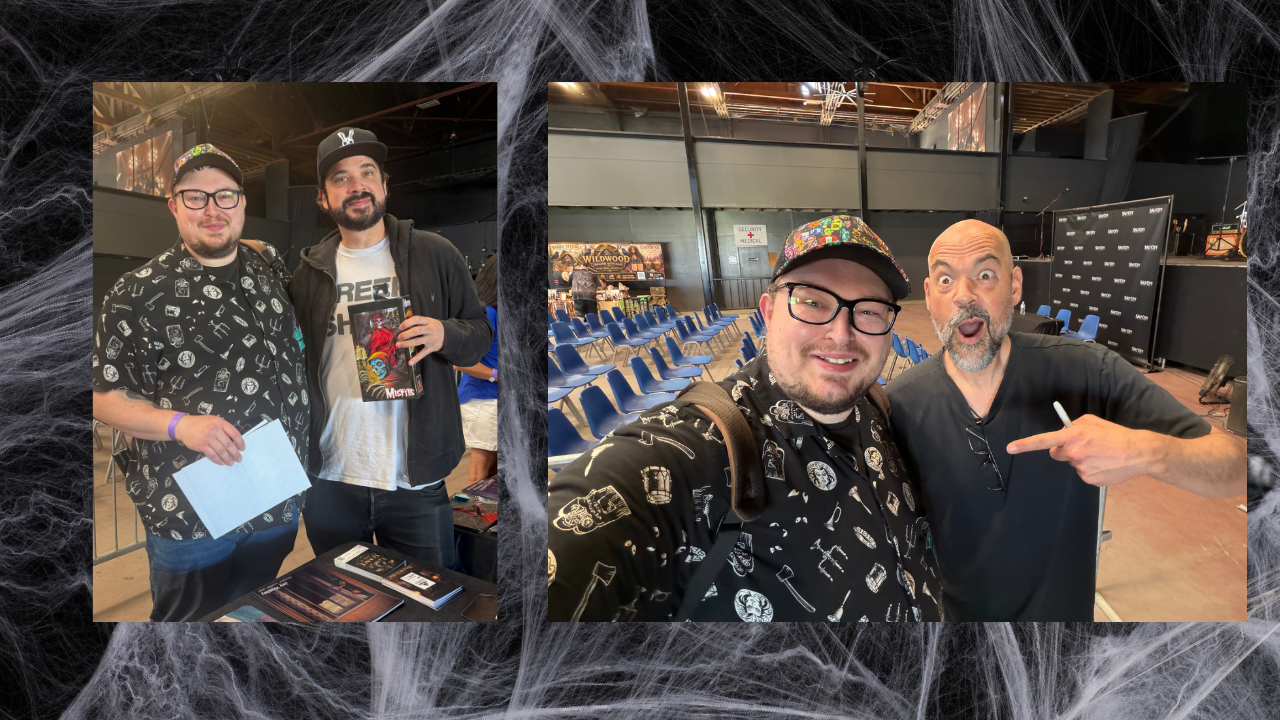
One of the highlights of the day was seeing Jay Wasley, whom longtime listeners of my podcast, I Love Horror may recognize from my previous episode with him. It was great catching up with the Ghost Adventures investigator and for the first time being able to meet one of my podcast guests in person. Joining him was fellow Ghost Adventures investigator Aaron Goodwin, whose humor and laid-back personality made him a crowd favorite. Seeing and hearing about people’s experience with them reminded everyone why they've remained such beloved figures in the paranormal world.
Of course, no convention is complete without a vendor floor worth exploring, and Salt City Paracon delivered. Artists like Kookie the Clown, Claudio Bergamin, and Kasten Entertainment (to name a few among the many there) showcased everything from eerie prints and handcrafted collectibles to beautifully detailed horror-inspired creations that begged to come home with attendees. The Western Paranormal Society and Get Out Paranormal AZ where just a couple of vendors offering local paranormal investigators the chance to browse ghost-hunting equipment ranging from beginner-friendly gadgets. Even some more advanced investigative tools for those eager to conduct their own late-night explorations. I made several laps around the venue and each time felt like I was discovering something new (as well as mentally spending money in my head for all the amazing stuff I wanted).
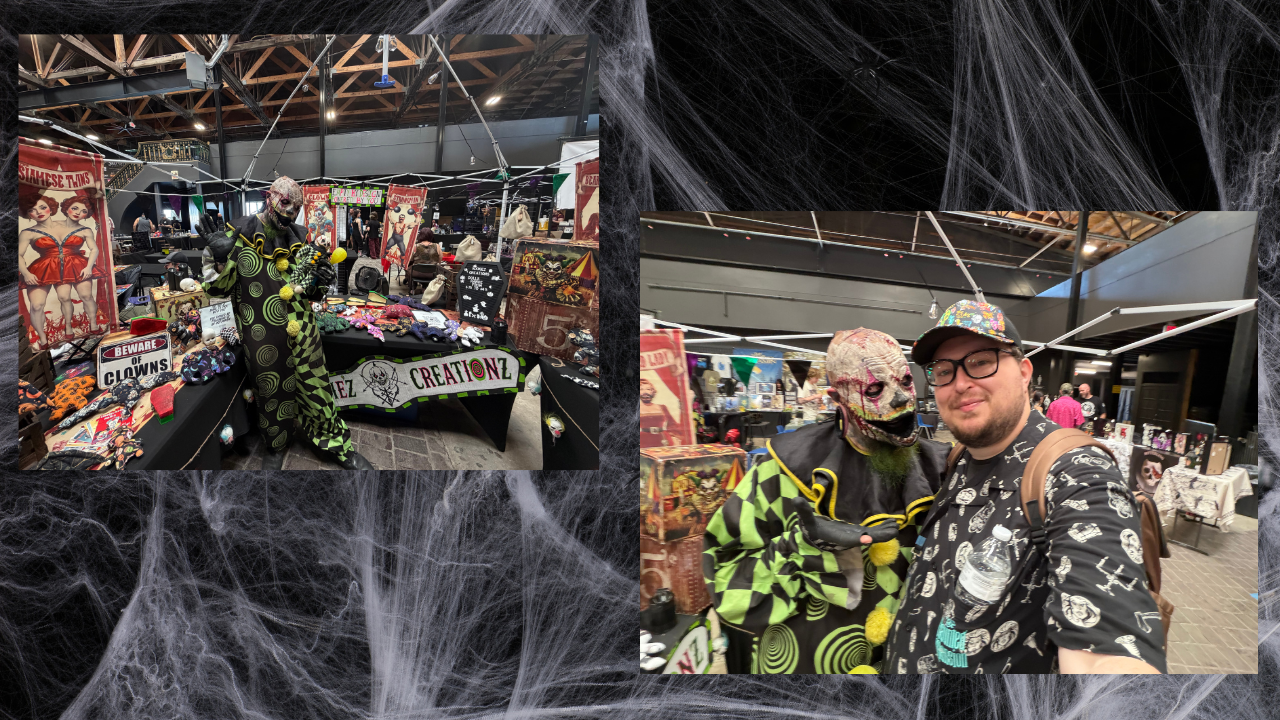
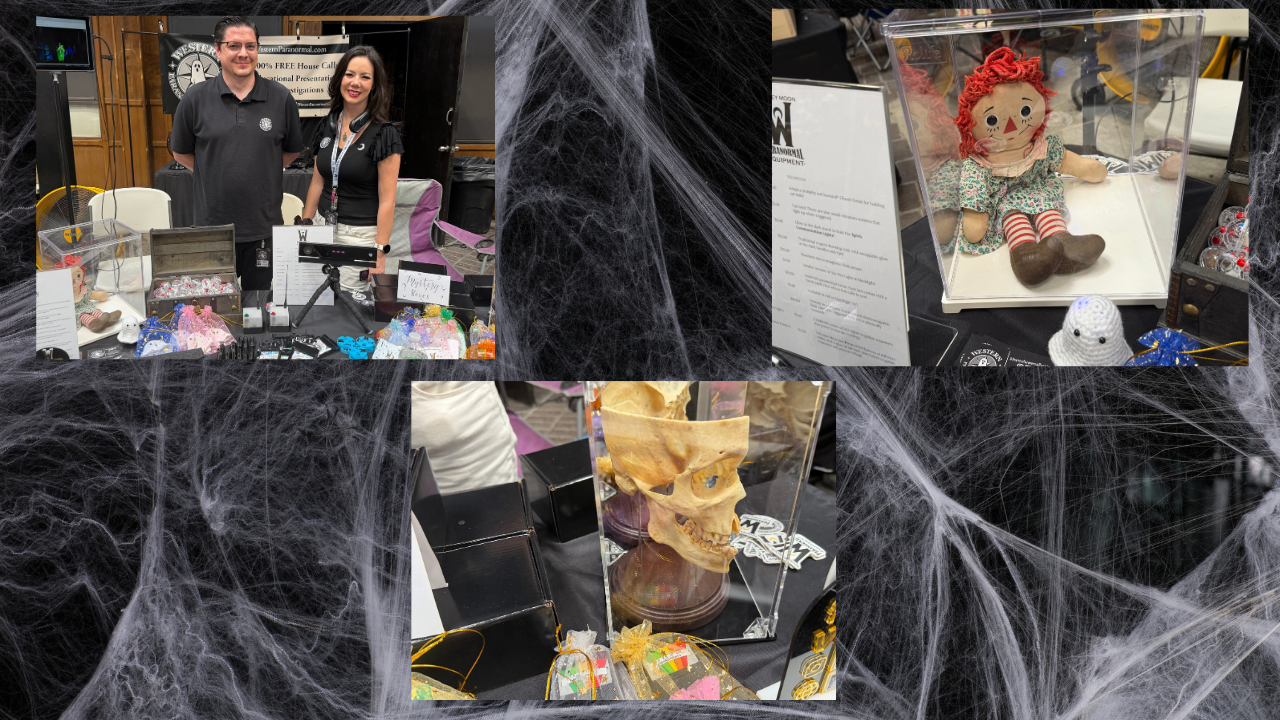
One of the more enjoyable surprises was seeing local haunted attractions like Castle of Chaos represented throughout the event. They not only offered information about their upcoming haunts but also sold some great practical effects keychains made to look like eyes, ears and more that they made. This and other haunted attractions there showcased their upcoming seasons, giving visitors an early taste of the scares waiting for them later this year. It was a fantastic way to spotlight local attractions while helping horror fans plan their Halloween adventures months in advance. Even Black Bumble Tattoo was there to not only represent the amazing tattoo skills they offer, but some cool home made odditites.
If creepy curiosities are more your speed, they had a handful of great oddities vendors that certainly didn't disappoint. Unique taxidermy pieces, unusual collectibles, strange artwork, and conversation-starting displays made these booths impossible to simply walk past. Whether you left with a purchase or just a few unforgettable photos, they added another layer of personality to the convention floor. I walked out with a great Candyman artwork piece that will be on my wall in my podcast studio.
Thanks to the venue's cozy size, the panel discussions felt less like large convention presentations and more like conversations among friends who all happened to share a fascination with the paranormal. That intimacy allowed guests to tell stories, answer questions, and interact with audiences in a way that's often lost at larger conventions. There were a lot of great guest speakers including both Ghost Adventures hosts, Danielle Nicole, John Olsen, Mini Medium, Brian Higgins, and many more that provided many worthwhile talks that any fan of the paranormal world would enjoy. This event’s panels created an atmosphere where everyone felt like part of the discussion rather than just another face in the crowd.
Even between browsing vendors and attending panels, there was no shortage of reasons to stick around. A selection of food trucks outside like The Haunted Wagon, Drip Tacos, Crazy Chicken Lemonade, Witches Brew Coffee Co., and many others that were great to see there. They provided everything attendees needed to recharge before diving back into another ghost story, shopping trip, or celebrity encounter. It's a small detail that made a big difference, helping turn the event into a full-day experience rather than simply convention. I personally had an amazing sandwich from The Haunted Wagon. Even the owner of the food truck provided a memorable experience where he asked for my trust while he choose the perfect sandwich for me and I am so glad I trusted him because it was one of the best meals I’ve had from a food truck.
For a first-year event, Salt City Paracon made an impressive debut. It successfully blended paranormal investigation, horror culture, local businesses, talented artists, and passionate fans into a welcoming environment that never felt overwhelming. While larger conventions certainly have their place, there's something refreshingly personal about an event where conversations happen naturally, guests feel approachable, and every corner offers another interesting discovery.
If this inaugural year is any indication of what's to come, Salt City Paracon has already carved out a place on Utah's paranormal calendar. Here's hoping the spirits decide to stick around, because this is one haunting I'd happily revisit.
Whether it’s slashers in the woods, ghosts in the attic, or killers in the cornfield, ILHM Reviews brings you the frightful horror flick recommendations worth watching. Follow us on Instagram, be sure to listen to the"I Love Horror" podcast and remember that if you’re a true fan of horror, every night can be a FRIGHT NIGHT!
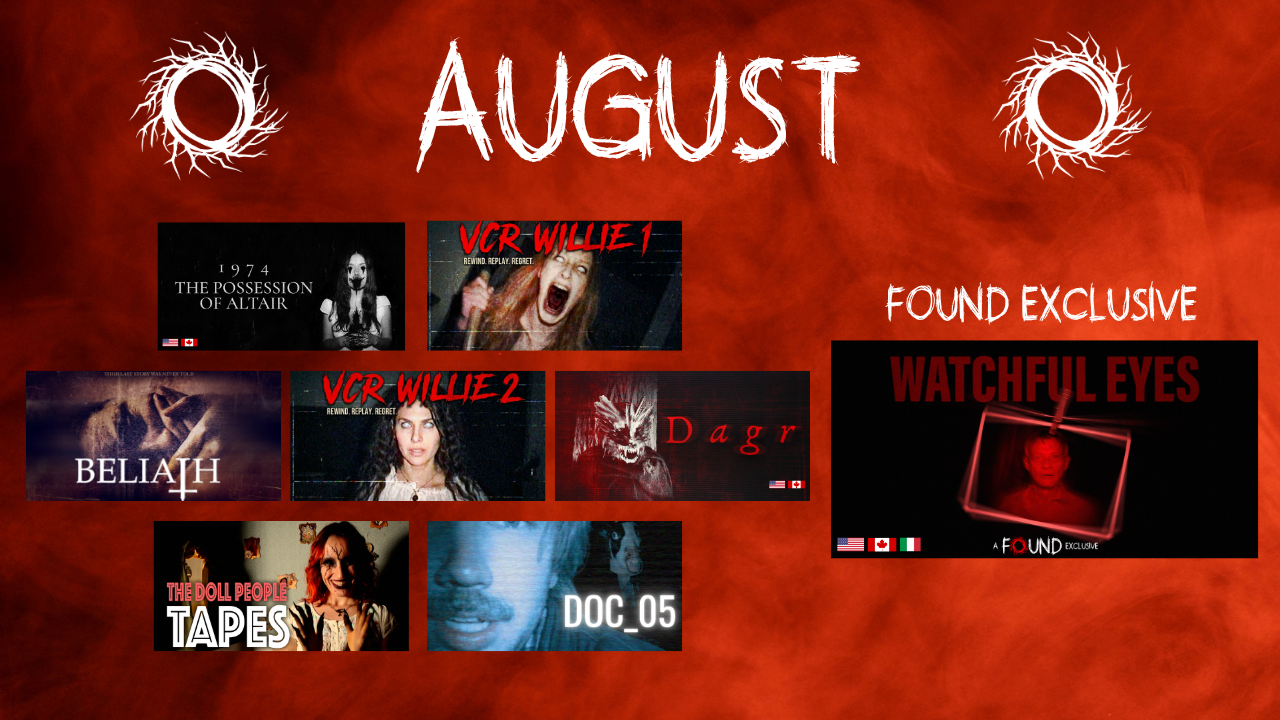
(NEWS) FOUND TV’S AFTERLIFE AUGUST Releases Coming Soon
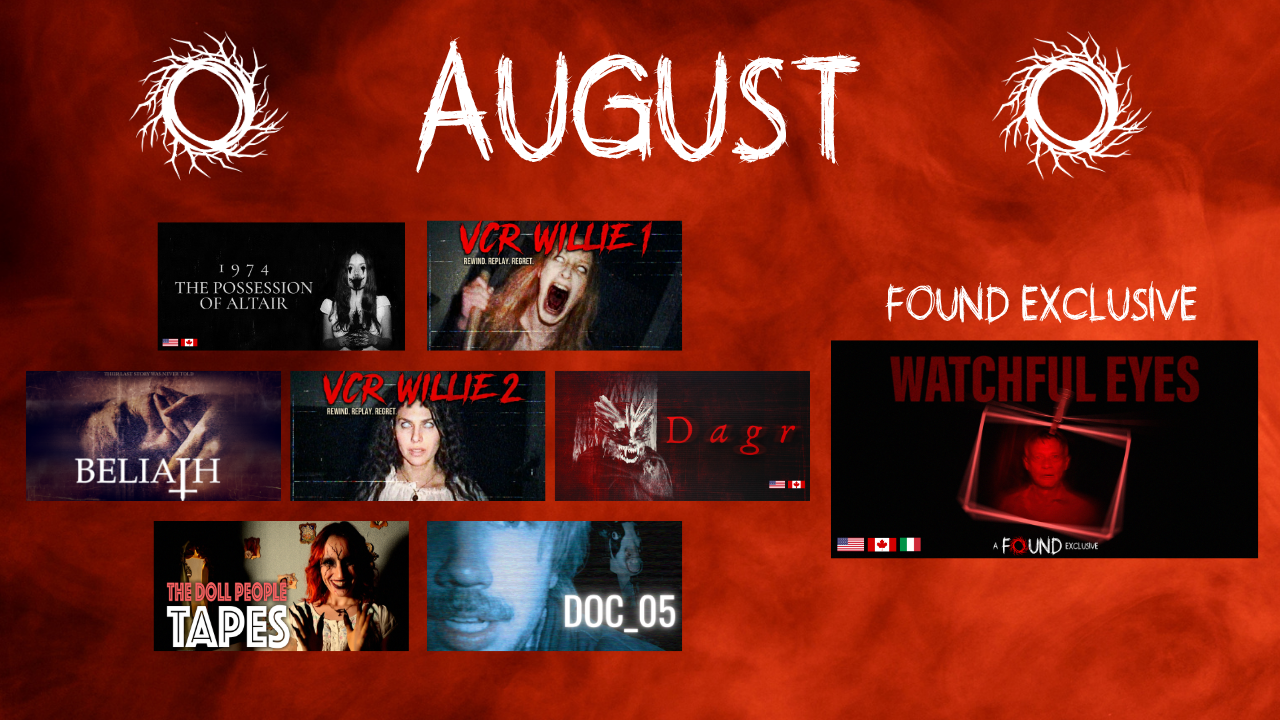
Courtesy of FOUND TV
For horror fans, August is one of the best months of the year. It perfectly captures the spirit of Summerween, when spooky season starts creeping in long before the leaves begin to fall. This year, August kicks off with an especially meaningful celebration for me. August 2 marks the birthdays of two of my favorite writers and directors, Wes Craven and Kevin Smith. It's also my birthday and the anniversary of the I Love Horror Podcast, making it the perfect way to kick off another month of celebrating the genre I love. Adding even more excitement to the festivities, FOUND TV is delivering another solid lineup of found footage and indie horror releases throughout the month, giving fans plenty of chilling new films to stream as Summerween rolls on. Mark your calendars for these new FOUND TV releases:
Courtesy of FOUND TV
August 4 – "The Possession of Altair" (2016): A newlywed couple disappeared in 1974, and their 8mm tapes reveal one of the most horrifying events in Mexican history. Canada and U.S. only.
Courtesy of FOUND TV
August 7 – FOUND EXCLUSIVE: "Watchful Eyes" (2026): Sebastian, a grieving man, takes a janitor job on a university campus. While monitoring students linked to a professor's death, he uncovers a ghost story that may be more real than anyone believed. North America only.
Courtesy of FOUND TV
August 11 – "VCR Willie: Tape 1" (2025): The camera only existed in Alex's dreams—until he found it on his kitchen table. Now, it only exists to record nightmares.
Courtesy of FOUND TV
August 14 – "Beliath" (2026): A chilling found-footage horror set in rural England, where a small local news crew investigates a string of mysterious murders in the South Downs Forest. What begins as a routine crime report soon spirals into a descent through eerie folklore, buried cults, and unsettling discoveries that blur the line between journalism and obsession.
Courtesy of FOUND TV
August 18 – "VCR Willie: Tape 2" (2026): In Tape 2, the camera captures the rot beneath the suburban surface. What begins as recordings of cooking and housework spirals into a series of domestic nightmares orchestrated by the mysterious Mrs. Wells.
Courtesy of FOUND TV
August 21 – "Dagr" (2024): Fame-seeking YouTubers find themselves in a paranormal nightmare when the advert team they are stealing from awakens a murderous occultist from the past. Canada and U.S. only.
Courtesy of FOUND TV
August 25 – "The Doll People Tapes" (2026): Recovered footage reveals the lives of sex workers in a small town as they share their struggles and hopes. As filming continues, unsettling events unfold, leaving behind disturbing evidence of what may have happened to them.
Courtesy of FOUND TV
August 28 – "DOC_05" (2026): A group of film students heads to a cabin to shoot their first feature, but when an unknown trespasser begins stalking them, their obsessive director refuses to leave—determined to finish his masterpiece at any cost.
August is shaping up to be a massive month for found footage and supernatural horror. This month’s lineup continues FOUND TV’s commitment to delivering unsettling found footage films, paranormal storytelling, and unique genre filmmaking from around the world. With a mix of original productions, exclusive releases, cult favorites, and disturbing late-night discoveries, there’s something here for every horror fan. Whether you’re into haunted investigations, psychological breakdowns, cursed recordings, or digital-age nightmares, August’s releases offer plenty of reasons to keep the lights on. If you’re new to FOUND TV, use my code ILOVEHORROR for $5 off your yearly subscription.
Whether it’s slashers in the woods, ghosts in the attic, or killers in the cornfield, ILHM Reviews brings you the frightful horror flick recommendations worth watching. Follow us on Instagram, be sure to listen to the "I Love Horror" podcast and remember that if you’re a true fan of horror, every night can be a FRIGHT NIGHT!
(REVIEW) "SUNSET STRIP KILLERS" Blends Beauty, Obsession & Bloodshed
Courtesy of Epic Pictures
Horror has always borrowed from real life, but over the last ten years it feels like true crime has completely kicked the door down. Every streaming service has another serial killer documentary, another infamous case getting the Hollywood treatment, and honestly...I'm not complaining. Sometimes the scariest horror movies don't need to invent a monster because history has already provided us with one. As someone who's been obsessed with horror for as long as I can remember, I love when filmmakers take a true story and make me forget I'm watching actors. That's not an easy thing to pull off, yet it seems like an easy task for some of these great filmmakers lately. Too many true crime movies have been guilty of either glorifying the killers or feeling like a made-for-TV crime special with a slightly bigger budget. Finding that balance is tough, but when it's done right, those are the movies that stay with me the longest.
Before we get into my thoughts on "Sunset Strip Killers," I have to give a huge thank you to Chad Ferrin for giving me the opportunity to review this film. If you've followed indie horror for any amount of time, you already know Chad isn't afraid to explore some incredibly dark material. He directed "Pig Killer," based on the horrifying crimes of Robert "Willy" Pickton, along with "Night Caller," another gritty thriller that blends horror, crime, and psychological tension. I'll admit it, I'm already a sucker for a well-made true crime horror movie. Give me a story rooted in reality, and you've got my attention. Now, if you tell me Chad Ferrin is involved? Well, now you've really got me. I've genuinely enjoyed his work over the years, so my expectations were definitely a little higher walking into this one.
For “Sunset Strip Killers”, Chad directs with Timothy Croteau and Chuck Parello writing as they take us back to one of Los Angeles' most disturbing murder cases. They do so by telling the story of Doug Clark and Carol Bundy. Let me tell you right now...this isn't exactly the movie you throw on because you want to end the evening feeling warm and fuzzy. It is an insane journey through a toxic relationship and giving in to your darker side.
The story follows Carol, a lonely nurse searching for connection, who crosses paths with Doug, a charming but deeply unstable man hiding some terrifying secrets. What begins as an unhealthy relationship quickly snowballs into manipulation, obsession, and eventually a brutal killing spree that shocked Los Angeles. The movie doesn't just ask whether Carol was manipulated; it constantly challenges you to decide how much responsibility she should shoulder herself. I found myself changing my mind more than once about who was innocent and who wasn't. This is just one of the many movie's biggest strengths.
About twenty minutes in, I realized this wasn't trying to be another flashy serial killer movie that rushes from one murder scene to the next. Instead, it wants the audience to spend time with these two deeply broken people and watch their relationship slowly spiral into something horrifying. Honestly, that made me far more uncomfortable than watching another over-the-top gore sequence ever could. I actually caught myself forgetting I was watching actors a couple of times because their performances felt so believable. They play off each other very well and have an incredible “Bonnie and Clyde” vibe that is perfectly blended with the setting of the movie.
Courtesy of Epic Pictures
Doug (portrayed by Max E. Williams) is exactly the kind of character that makes your instincts scream before your brain can explain why. He's calm...until he isn't. Friendly...until he's not. He's the type of guy who smiles at you, and somehow your internal alarm system starts filing a missing person's report. He very much has the charm and evil behind his eyes, much like the Devil himself. The movie never turns him into some exaggerated horror villain, and I'm glad it doesn't. Keeping him grounded makes him much more unsettling because people like Doug actually exist (as he did). There are a few moments where it does go a little over the top, but it makes sense for his character.
Carol (portrayed by Susan Priver), on the other hand, ended up being the person I couldn't stop thinking about after the credits rolled. The film never spoon-feeds the audience an answer about whether she's another victim trapped in Doug's manipulation or someone who willingly embraced the darkness. Life isn't always black and white, and neither is this movie. I appreciated that it trusted me enough to wrestle with those questions instead of handing me an easy answer. The way that Susan portrays this character in a range of emotions, to her arc of being incredibly sadistic, was the best part of this movie for me. Susan has been in more than one of Chad’s projects, and each performance is an award-winning portrayal of the character she is playing.
Visually, “Sunset Strip Killers” does a great job recreating the gritty atmosphere of early-1980s Los Angeles. The neon lights, rundown motels, smoky bars, and late-night streets create an atmosphere that feels authentic without trying too hard. It doesn't look like the glamorous Hollywood most people picture. It looks like the Hollywood where bad decisions have consequences.
Courtesy of Epic Pictures
One thing I noticed while watching was that I never once reached for my phone to see how much time was left. That's usually a pretty good sign. The pacing gives the characters room to breathe without dragging on, and I found myself more invested in the psychology of the relationship than in the murders themselves. That's not something every true crime movie manages to accomplish.
Don't go into this expecting a blood-soaked slasher. There are brutal moments to satisfy you’re gore fueled needs, but this isn't the kind of movie trying to break a practical effects record. Honestly, it doesn't need to. Knowing these crimes actually happened does most of the heavy lifting. Sometimes your imagination is far crueler than anything shown on screen, and this movie knows exactly when to let your mind fill in the blanks.
One thing I always worry about with movies based on real killers is whether they accidentally turn murderers into celebrities. We've seen that happen before, and it never sits right with me. Thankfully, "Sunset Strip Killers" avoids that trap. Doug and Carol aren't portrayed as rock stars of crime. They're shown as deeply broken people whose horrific decisions destroyed innocent lives, and I appreciated that restraint. The film never loses sight of the fact that this story isn't about making killers fascinating, it's about showing just how destructive obsession and manipulation can become.
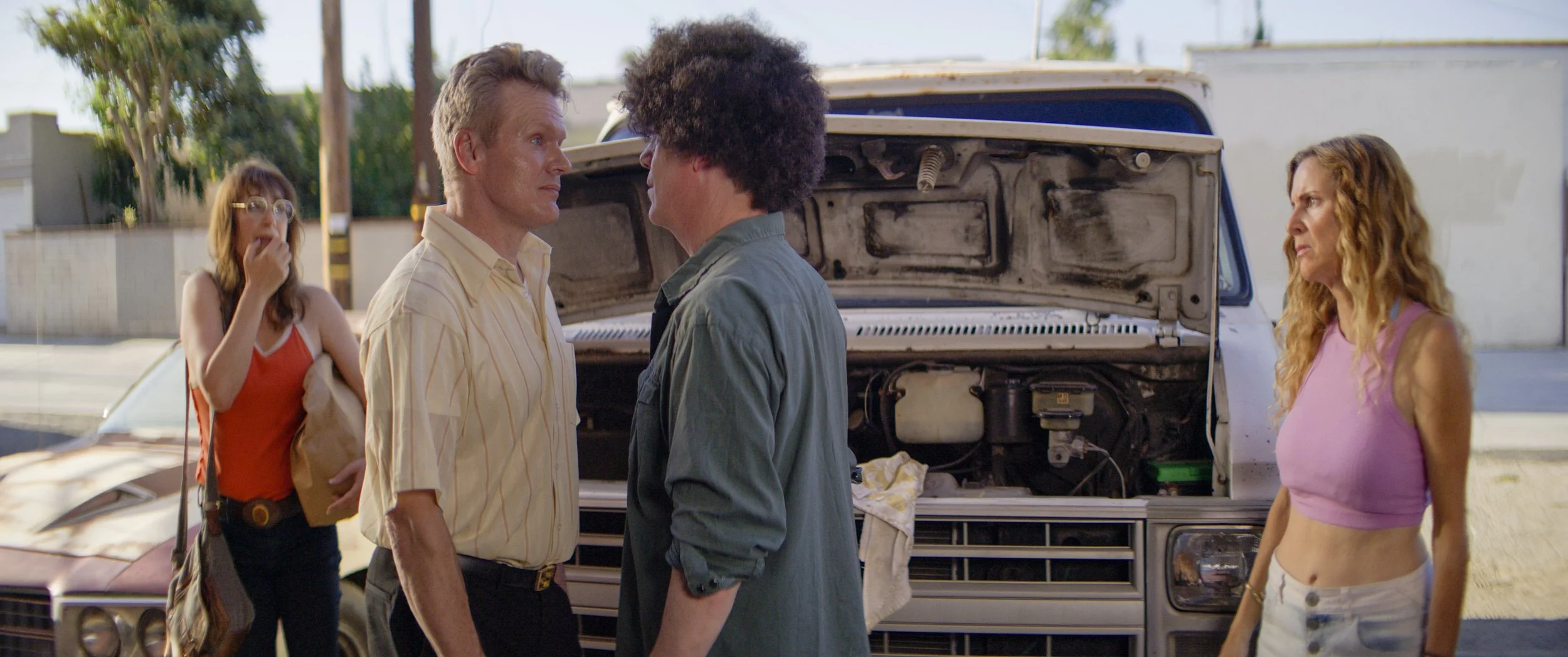
Courtesy of Epic Pictures
Is the movie flawless? I will say it is pretty damn close. Chad Ferrin’s talent shines through with strong casting and many impressive elements. Some supporting characters lack depth, and a few scenes could be longer, but these are minor issues compared to everything the film does well. If I were a betting man, I would say anyone who watches this will enjoy it as much as I did.
By the time the credits rolled, I caught myself still thinking about Carol more than Doug. That's probably the biggest compliment I can give the “Sunset Strip Killers”. It isn't the violence that lingers; it's the psychology. That's where the film really succeeds. It isn't trying to outdo every serial killer movie that's come before it. Instead, it tells a disturbing true story with restraint, strong performances, and enough tension to remind us that some of the most terrifying horror movies don't have to invent their monsters
If you're looking for nonstop jump scares and gallons of fake blood, this probably isn't your movie. Now, if you're a fan of true crime, psychological horror, and films that leave you thinking long after they're over, "Sunset Strip Killers" is absolutely worth checking out. It respects the real-life story without sensationalizing it, builds genuine tension through its characters, and proves that reality is often far scarier than fiction.
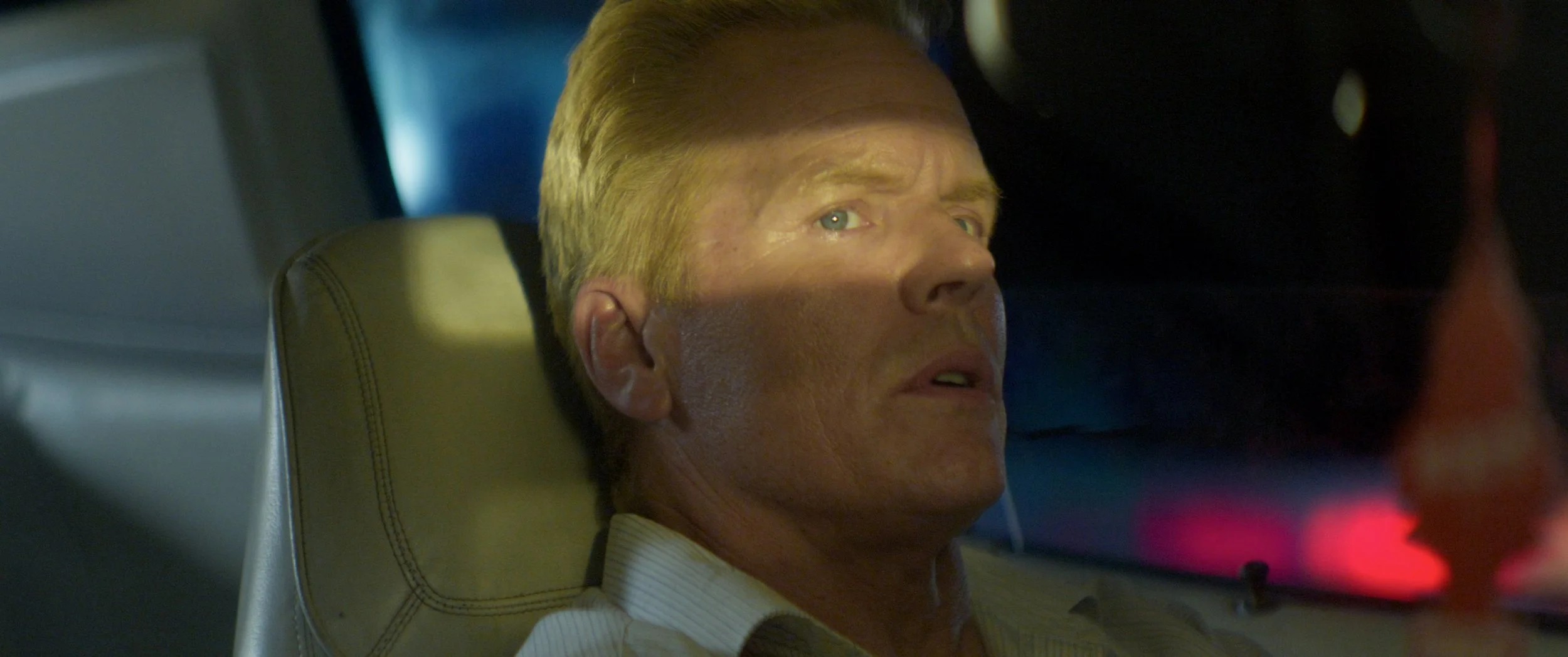
Courtesy of Epic Pictures
Do you plan on seeing "Sunset Strip Killers"? I'd love to hear what you thought. Did you ever sympathize with Carol, or do you think she crossed the line long before the bodies started piling up? Until next time... keep supporting indie horror, keep your watchlist haunted, and remember... there's always room for one more horror movie.
Whether it’s slashers in the woods, ghosts in the attic, or killers in the cornfield, ILHM Reviews brings you the frightful horror flick recommendations worth watching. Follow us on Instagram, be sure to listen to the "I Love Horror" podcast and remember that if you’re a true fan of horror, every night can be a FRIGHT NIGHT!
(NEWS) MIDSUMMER SCREAM Celebrates 30 Years of “SCREAM” with PARAMOUNT SCARES
Courtesy of Midsummer Scream
As a lifelong horror fan, I've never been more excited for Midsummer Scream than for any other event. Every year, horror fans from around the world gather to celebrate the genre we all love, making it one of the country's biggest and most anticipated horror conventions. From meeting legendary actors and filmmakers to exploring haunted attractions, discovering incredible vendors, and celebrating everything from slashers to the supernatural, the convention has earned a reputation as a must-attend event for horror enthusiasts. Midsummer Scream is presented by David Markland (Co-Founder/Executive Director), Gary Baker (Co-Founder/Executive Producer), Claire Dunlap (Co-Founder/Producer), and Rick West (Co-Founder/Creative Director). Their goal is to showcase the diversity of Southern California’s haunt and horror communities as a welcoming beacon, drawing fans from around the world to converge on Los Angeles for a weekend of excitement, networking, and nonstop spooky fun.
This year is especially meaningful for me because it marks my first official horror convention. After years of interviewing people from all walks of the horror world, reviewing films, and immersing myself in the horror community, I finally get to experience the excitement firsthand. I can't wait to share the journey, meet fellow fans, and see what unforgettable scares and surprises await at my first Midsummer Scream. Things will be even more exciting for me and fellow horror fans with Midsummer Scream’s newest announcement. Here is the info:
FROM THE MIDSUMMER SCREAM PRESS RELEASE:
LONG BEACH, CA — There are certain rules that one must abide by to celebrate a horror franchise as esteemed as Scream... and rule number one is you never, ever miss a reunion this big. In an unprecedented partnership with Paramount Scares, Midsummer Scream is thrilled to announce a massive, weekend-long celebration marking the 30th Anniversary of Wes Craven’s genre-shattering masterpiece.
Creeping into the Long Beach Convention Center from August 7-9, the massive three-day event includes hundreds of spooky vendors, over a dozen haunted experiences inside the Hall of Shadows, and panels, presentations, and performances across seven different stages all weekend long.
The Ultimate Woodsboro Reunion
Horror fans can meet the original survivors and killers of Woodsboro for autographs, selfies, and professional photo-ops throughout the weekend, including:
· Matthew Lillard (Stu Macher)
· Skeet Ulrich (Billy Loomis)
· David Arquette (Dewey Riley)
· Jamie Kennedy (Randy Meeks)
· Lee Waddell (stunt actor), Joseph Whipp (Sheriff Burke), and more!
Courtesy of Midsummer Scream
For those needing something that stabs deeper, an incredibly limited number of fans can book a private meet-and-greet with Roger L. Jackson, the voice of Ghostface himself, record a custom voicemail, or audio greeting. Celebrity photo-ops and the Roger L. Jackson meet-and-greet can be ordered through Pose Photo-Ops here.
Step Inside the Paramount Scares Bradley Video Store
PARAMOUNT SCARES is rewinding to Woodsboro 1996 for SCREAM's 30th anniversary, recreating Bradley Video — the fictional store where the nightmare began — right on the Midsummer Scream floor, with best fright-friends FANGORIA manning the counter old-school style, playing genre expert to help fans dig up hidden gems worth renting instantly. Ghostface photo ops and merch giveaways await anyone brave enough to ask "do you like scary movies?"
Can’t-Miss Weekend Panels
The weekend’s programming is packed with dynamic, heavy-hitting panels that will gut you like a fish:
· Saturday, August 8: Matthew Lillard takes the stage to host the SCREAM 30th Anniversary Panel, promising special guests, wild franchise insights, and plenty of chaotic audience engagement.
· Sunday, August 9: Dive deep into the auditory terror that kept you looking over your shoulder with THE SOUND OF SCREAM. This panel features master horror composer Marco Beltrami, Spencer Charnas (frontman of Ice Nine Kills), Roger L. Jackson, film producer Marianne Maddalena, and music supervisor Ed Gerrard. Together, they will dissect the spine-chilling music, terrifying vocal delivery, and razor-sharp audio that defined the franchise.
Courtesy of Midsummer Scream
An Exclusive Slice of Horror History
In honor of the anniversary, attendees can snag a special Midsummer Scream edition of Fangoria Magazine, available only at the show. Featuring a blood-pumping cover starring Ghostface, this collector’s item is packed with archival articles, deep dives, and retrospective looks at Midsummer Scream’s 2026 guest line-up.
Courtesy of Midsummer Scream
Don’t Get Woozy! Admission Will Sell Out Soon!
"Weekend" and "Gold Bat VIP" passes have already been slashed to zero and are completely sold out. If you want to make it to the final credits, you need to move fast and visit midsummerscream.com as single-day passes are on the verge of selling out next.
Midsummer Scream has been on my horror “bucket of blood” list for years, and the fact that my first visit coincides with such a massive celebration of one of my all-time favorite horror franchises makes the experience even more special. Whether you're a lifelong “Scream” fan, a haunt enthusiast, or simply someone who loves everything horror (like yours truly here), this year's convention looks like it's going to be one for the history books. I'll be there every step of the way, covering the event for my podcast “I Love Horror”, and I can't wait to share everything I experience with all of you. See you in Long Beach!
Whether it’s slashers in the woods, ghosts in the attic, or killers in the cornfield, ILHM Reviews brings you the frightful horror flick recommendations worth watching. Follow us on Instagram, be sure to listen to the "I Love Horror" podcast, and remember that if you’re a true fan of horror, every night can be a FRIGHT NIGHT!