BREAKING GLASS PICTURES “DEAR JODI” (2025): Is It An Encore We Need?
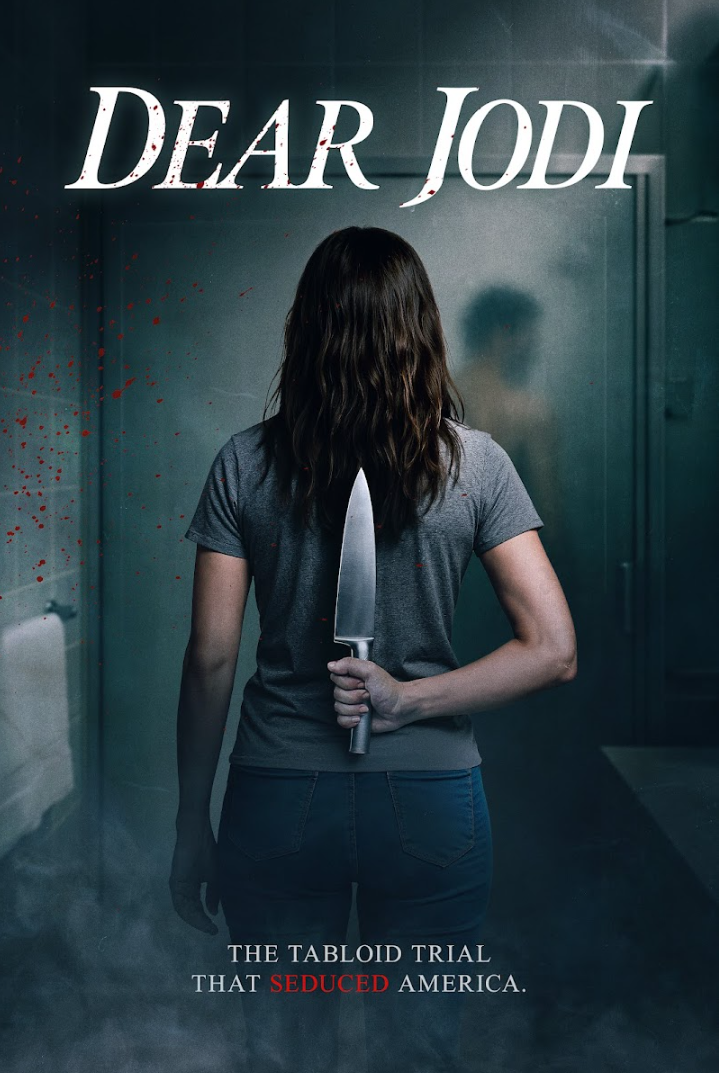
Courtesy of Breaking Glass Pictures
True crime has evolved into one of the most dominant forces in modern cinema and media, transforming real-world tragedy into an endless loop of content. What once served as investigative storytelling now often functions as entertainment engineered for engagement, clicks, and prolonged fascination. As audiences grow more familiar with infamous cases, the genre faces a critical challenge: figuring out whether revisiting these stories offers genuine insight or simply perpetuates obsession. Breaking Glass Pictures’ “Dear Jodi” enters this crowded landscape with polished visuals and reflective intentions but ultimately struggles to justify its existence beyond revisiting a case the public has already dissected to exhaustion.
Directed by Clive Christopher, “Dear Jodi” revisits the murder of Travis Alexander and the trial of Jodi Arias. It was a case that became a cultural spectacle long before a verdict was decided. The documentary positions itself as a quieter, more contemplative alternative to sensational coverage. It does so by promising overlooked evidence, untold perspectives, and renewed insight into why the trial unfolded the way it did. While this approach is admirable in theory, the execution often feels disconnected from the present moment, as though the film is attempting to restart a conversation that concluded years ago.
From a technical standpoint, “Dear Jodi” is competently made. The cinematography is clean, interviews are professionally staged, and the overall presentation reflects a level of care that exceeds many low-budget true-crime releases. Visually, the film looks good. Unfortunately, that polish does not translate into an engaging viewing experience. There is a persistent sense that the documentary lacks urgency or purpose, making it difficult to feel invested despite the gravity of its subject matter.
A major issue lies in the documentary’s reliance on repetition. Much of the runtime is devoted to rehashing the crime and trial in ways that will feel overly familiar to anyone with even a passing knowledge of the case. Rather than trusting its audience, the film frequently reiterates well-known details, creating the impression that viewers are being lectured rather than invited into a deeper analysis. This approach unintentionally undermines the intelligence of its audience and stalls any forward momentum.
The documentary’s collaboration with The Within Range Podcast further complicates its identity. While cross-platform storytelling is not inherently problematic, “Dear Jodi” often feels less like an independent documentary and more like an extended visual companion piece, or even a commercial for the podcast itself. The emphasis placed on the podcast’s perspective and framing gives the film an oddly promotional tone, blurring the line between documentary filmmaking and branded content. It also feels the crime and case around it seem more like a joke to them, more than a serious subject revolving around the loss of a human life.
This structural issue raises a larger question about format. Much of what “Dear Jodi” presents would arguably function more effectively as a long-form YouTube video or podcast episode rather than a feature-length documentary. The conversational pacing, reliance on opinion, and lack of investigative progression make the film feel stretched beyond its natural scope. Instead of building a cohesive narrative, it drifts between commentary and reiteration, never fully committing to a clear investigative goal.
“Dear Jodi” features appearances from Jared Suter, Dominic Vaquez, Darren Burch, Joe Arpaio, Noah Gruber, Vanesha Guidry, and Andrew Leal, whose contributions range from reflective to speculative. While their insights are provided earnestly, the documentary rarely challenges or contextualizes their claims with substantive evidence. This results in a presentation that feels more interpretive than factual, prioritizing perspective over verification (especially with the unneeded reenactments).
One of the more uncomfortable aspects of “Dear Jodi” is its recurring focus on Jodi Arias’ appearance. Despite positioning itself as a critique of media sensationalism, the documentary frequently revisits the same superficial elements that fueled the original media frenzy. The emphasis on her looks, demeanor, and perceived allure contributes little to a meaningful understanding of the case and instead reinforces the spectacle it claims to reject. This fixation detracts from any serious attempt at factual analysis and feels particularly out of place in a film that purports to offer clarity.
Similarly, the documentary devotes significant attention to a song Arias sang while in prison, framing it as a kind of emotional confession. This interpretation feels strained, especially given that Arias had already been convicted at the time. Treating this moment as revelatory borders on performative symbolism rather than substantive insight. Instead of uncovering new information, the film leans into conjecture, mistaking emotional interpretation for evidence.
Perhaps the most troubling aspect of “Dear Jodi” is how the tragedy itself becomes secondary. While the murder of Travis Alexander is acknowledged, the emotional impact on his family often feels overshadowed by the film’s continued fascination with Arias. In attempting to reframe public perception, the documentary risks minimizing the human cost at the center of the story. The result is a film that, intentionally or not, feels like it is cashing in on a tragedy without offering meaningful advancement in understanding.
That said, “Dear Jodi” is not without merit. Its restrained tone avoids overt sensationalism, and there is a genuine desire to examine how media narratives influence public perception and the justice system. These ambitions matter, particularly in a genre often driven by excess. However, intention alone cannot sustain a documentary when its insights feel redundant and its timing feels misaligned.
Ultimately, “Dear Jodi” is a film caught between reflection and relevance. While competently made, it arrives too late to meaningfully reshape the narrative surrounding one of America’s most infamous cases. Instead of illuminating new truths, it reiterates familiar ones, leaving viewers with the sense that the documentary exists more to extend discourse than to deepen it.
As true crime continues to dominate modern cinema, projects like “Dear Jodi” highlight the importance of discernment in storytelling. Not every case is in need to be revisiting, and not every perspective needs to have a feature-length treatment behind it. While the film raises worthwhile questions about media, obsession, and narrative control, it ultimately struggles to answer the most important one of all: “why this story, and why now”?
Whether it’s slashers in the woods, ghosts in the attic, or killers in the cornfield, ILHM Reviews brings you the frightful horror flick recommendations worth watching. Follow us on Instagram, be sure to listen to the the "I Love Horror" podcast and remember that if you’re a true fan of horror, every night can be a FRIGHT NIGHT!