“HERMAN” (2025): A Haunting Journey Through Inner Torment
Courtesy of VP Independent and LBM Pictures
Psychological thrillers that weave religion into a character’s personal hell strike a deeper chord than the average horror movie. These stories don’t rely solely on jump scares or external threats. They dig into guilt, faith, memory, and the terrifying possibility that the darkness haunting us might be of our own creation. When a film blends spiritual unease with the unraveling of the human mind, it feels raw and intimate. It forces audiences to confront their internal fears rather than the ones lurking outside the frame, creating a type of horror that lingers long after the screen goes black.
HOW DARK & TWISTED DOES IT GET?
While psychological thrillers often promise a descent into the human mind, “Herman” delivers something far more unsettling. It drags you into the places you’ve avoided, the locked rooms you refuse to visit, and the shadows you hope no one else ever sees. I walked into this film expecting a traditional slow-burn story about a troubled man in isolation. What I got instead was a harrowing emotional excavation that made me feel the dread within myself in ways I didn’t anticipate. Director and writer Andrew Vogel has crafted a film that doesn’t just ask you to observe Herman’s unraveling. It forces you to sit beside him, breathe the cold air he breathes, and confront the echoes of your own buried pain.
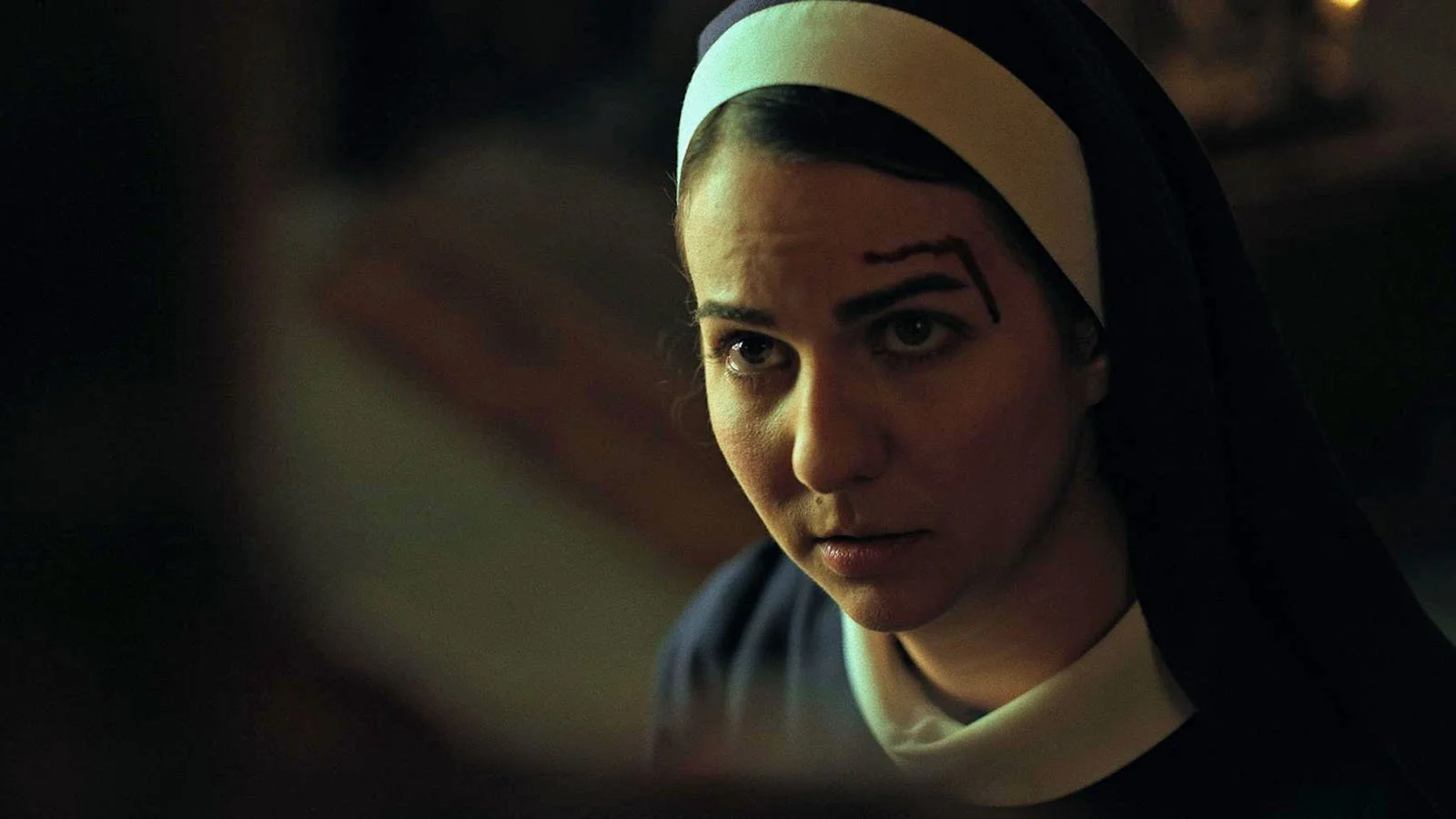
Colin Ward plays Herman with remarkable precision. His performance is controlled yet explosive, fragile yet defiant, and it captures the complicated duality at the heart of the story. Herman is a mountain recluse haunted by a dark force, but the film makes clear early on that the most terrifying intruder is the one already living inside him. When Suzann Toni Petrongolo appears as Sr. Mary, one of his late-night visitors, her presence pushes him toward a reckoning he can no longer postpone. Petrongolo delivers a haunting mix of compassion and quiet authority, amplifying the film’s religious undertones without slipping into cliché.
The supporting cast adds crucial texture. Lawson Greyson brings Alice to life with raw emotional honesty, offering glimpses of what connection might look like for Herman if fear didn’t strangle every attempt at vulnerability. Andrew Vogel, stepping in front of the camera as Max, shows an intuitive grasp of the story’s rhythms. Alex James, as James, adds another layer of tension, a reminder that once the past comes knocking it rarely knocks only once. Soni Theresea Montgomery gives Sr. Josephine an otherworldly calm that unsettles as much as it soothes. Lamar Alexander, playing The Man, delivers a lean yet unforgettable performance, the kind that makes you lean closer without realizing it. Every performer is operating at full force, and the result is a cast that carries the film with unified intensity.
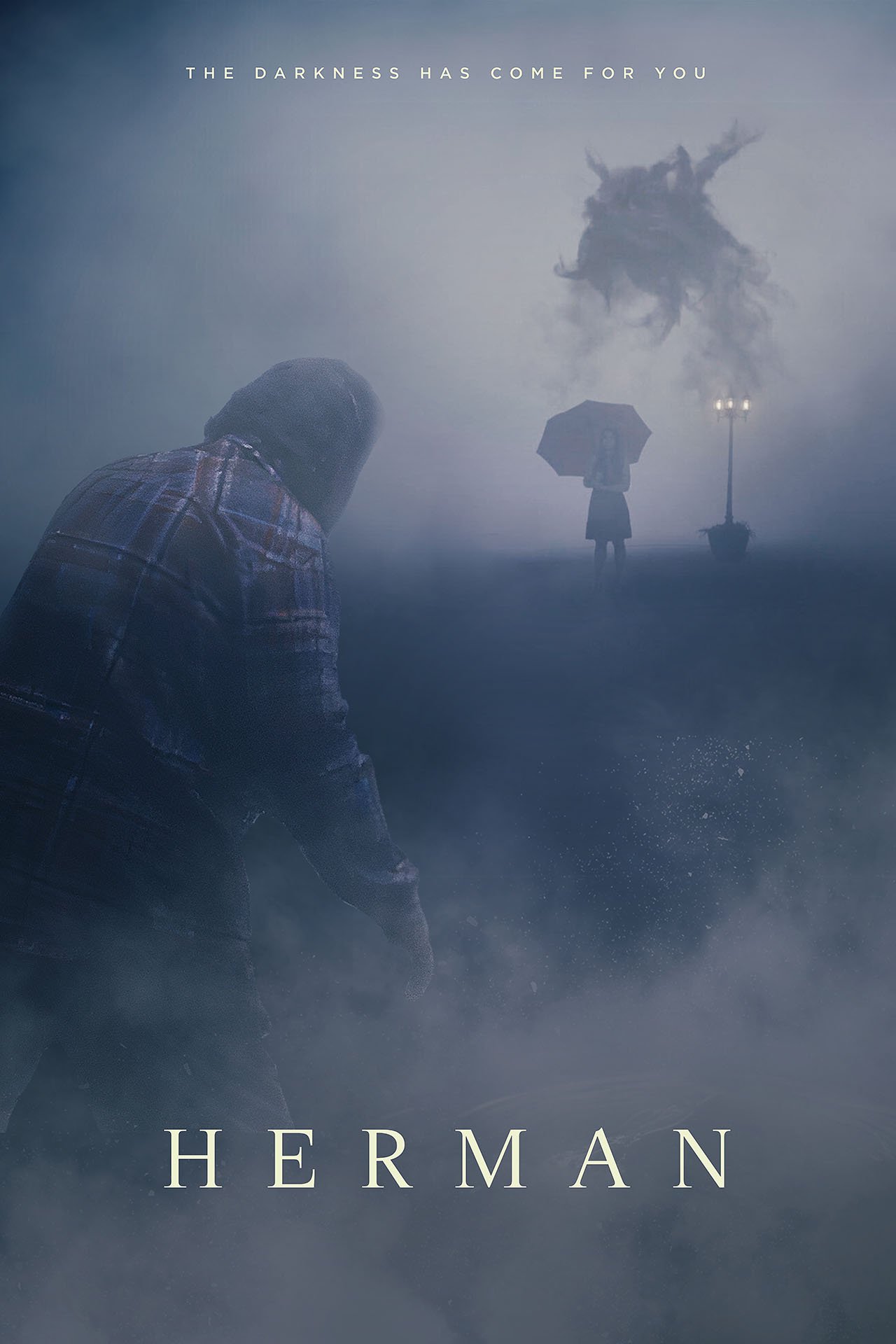
Much of the dread in “Herman” comes from its willingness to sit in silence. Cinematographer Jess Dunlap transforms the mountain setting into a living organism. The fog sequences are some of the most gorgeous horror images I’ve seen this year. The camera doesn’t simply frame Herman’s world. It breathes with him. The fog rolls across the landscape like a memory you’ve tried to outrun, swallowing the cabin, the tree line, and eventually Herman himself. This visual strategy gives the film a mood that reminded me of wandering through “Dante’s Inferno,” each step bringing Herman deeper into his own personal Hell. I could feel the weight of that descent in my chest, as if the film were quietly asking me to examine the painful moments I’ve shoved into the corners of my own mind.
The themes at play here resonate with a sharpness that lingers long after the credits. Herman isn’t only haunted by supernatural threats. He’s pursued by the accumulated dread of his past, the choices that carved pieces out of his soul, and the secrets he swore to take to his grave. These secrets aren’t vague suggestions dropped in to build tension. They are woven through the film’s structure and become the scaffolding that supports the third act. That final stretch is one of my favorite cinematic turns of the year. It’s bold, blistering, and emotionally devastating. I felt as though I were watching two versions of Herman battle for the right to exist. The duality of self is explored with a precision I rarely see in horror, and it made me question how much of my own pain I’ve learned to carry without acknowledging its weight.
Courtesy of VP Independent and LBM Pictures
Vogel’s writing excels here. The dialogue is tight and meaningful, and not a single line feels like filler. The pacing is steady, allowing suspicion and dread to build organically. Nothing is rushed, yet nothing feels indulgent. As a director, Vogel demonstrates a deep understanding of how mood, silence, and visual storytelling can shape psychological horror. His control of each scene is confident, and his decision to merge spiritual symbolism with emotional trauma gives the film a sense of mythic gravity. The religious elements never overexplain themselves. Instead, they act as a compelling guide rope as Herman stumbles through the labyrinth of his inner world. I found myself clinging to that rope right beside him.
The production companies, VP Independent and LBM Pictures, deliver a film that looks and feels polished without losing the intimate grit that makes psychological horror so effective. There is an artistry here that respects the viewer. The film assumes you’re willing to think, to feel uncomfortable, and to question yourself. I appreciated that level of trust. Every scene feels handled with purpose, from the smallest gesture to the sweeping, fog-laden shots that belong on a large theatrical screen.
Emotionally, the film hit me harder than I expected. Herman’s fear is tangible, but it’s the quieter moments that cut the deepest. When the visitors arrive at night and force him closer to the truth he fears most, I found myself leaning into the discomfort. The movie made me think inward, confronting my own dread as though I were the one trapped in that isolated cabin. That level of emotional reflection doesn’t happen often, especially in horror, and it speaks to how powerful the story is when every element works in sync.
As the final moments unfolded, I realized I wasn’t just watching Herman fight for his sanity. I was watching him fight for the right to be seen, understood, and forgiven. That yearning is universal, and the film captures it with heartbreaking authenticity. By the time the last frame hit, I felt like I had walked through Herman’s Hell alongside him and emerged with a deeper understanding of my own psychological scars.
“Herman” is the perfect way to close out 2025. It’s stunningly beautiful, emotionally fearless, and crafted with an artistry that deserves high praise. The writing is exceptional. The directing is confident and captivating. The acting from Colin Ward and the entire cast elevates the film into something unforgettable. Jess Dunlap’s cinematography deserves awards recognition for its hypnotic fog sequences alone. This is a film that earns every shiver, every gasp, and every quiet moment of reflection it inspires.
You can stream “Herman” now on Amazon Prime, and I highly recommend experiencing this psychological nightmare for yourself. Hit play, turn down the lights, and let Herman’s world pull you under. If you’re brave enough, take the journey into the dark and see what secrets you’ve buried there.
Whether it’s slashers in the woods, ghosts in the attic, or killers in the cornfield, ILHM Reviews brings you the frightful horror flick recommendations worth watching. Follow us on Instagram, be sure to listen to the the "I Love Horror" podcast and remember that if you’re a true fan of horror, every night can be a FRIGHT NIGHT!