FOUND TV’s “PRIMAL DARKNESS” is a Savage Step Forward for Found Footage
Courtesy of Found TV
Found TV has quietly become a much-needed haven for found footage fans who crave more than the usual recycled night-vision chaos and shaky-cam clichés. With a sharp eye for indie filmmakers who understand that atmosphere and storytelling matter. They do it in a way that showcases what’s lurking in the dark, the platform consistently uncovers projects that punch well above their budget. It’s a space where creativity thrives, where risks are rewarded, and where the found footage sub-genre is treated less like a gimmick and more like an art form. In a landscape oversaturated with forgettable entries, Found TV has made a name for itself by spotlighting found footage horror movies that don’t just meet expectations, they stalk past them, drag them into the woods, and leave them unrecognizable.
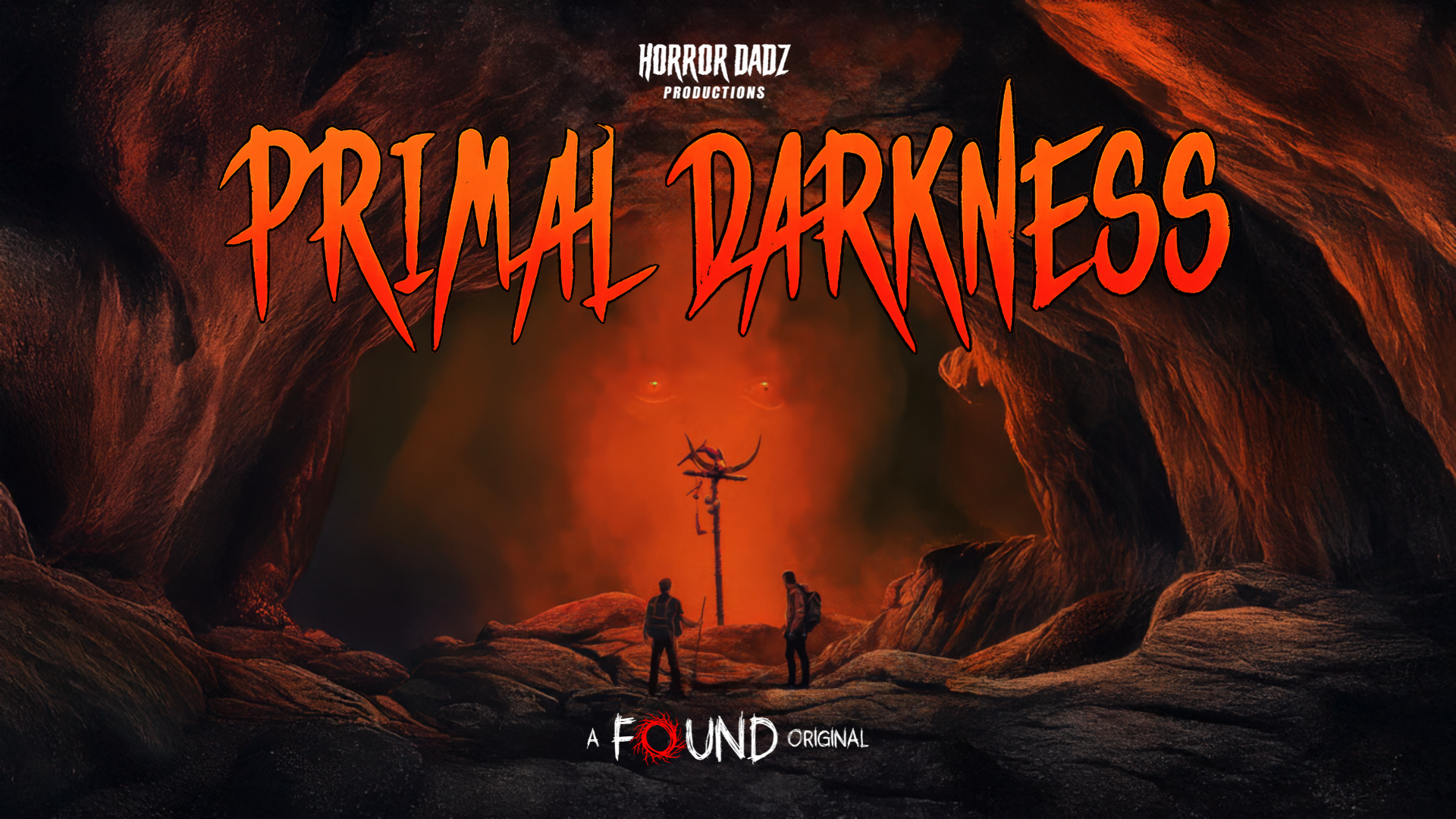
“Primal Darkness” wastes absolutely no time reminding you that nature doesn’t care about your camera angles, your narrative arc, or your survival. It simply exists, and sometimes it hunts in a way that makes it stand out much more than the average found footage horror movie. Found TV’s latest original, written and directed by Dillon Brown, drops viewers into the desolate stretches of rural Nevada and dares them to sit still while something ancient breathes just out of frame.
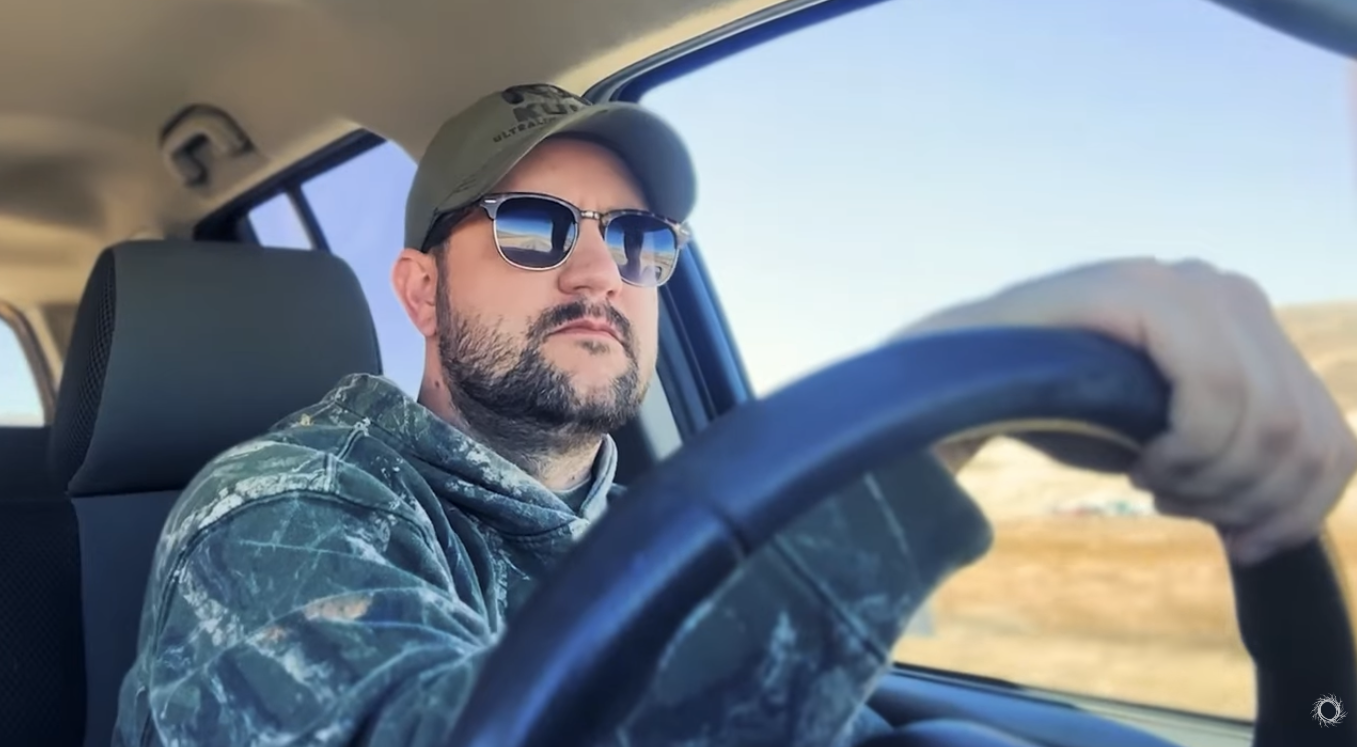
The setup feels familiar to most fans of the found footage horror fans at first, almost comfortingly so. Cole Harrington, a seasoned outdoor host with a confident voice and a camera-ready smile, ventures into cattle country to investigate a string of brutal livestock attacks. It’s the kind of premise that usually leads to wolves, maybe a rogue bear, or if you’re lucky, something cryptozoological with glowing eyes and a shaky backstory. “Primal Darkness” knows you’re expecting that, and then it pivots in such a hard way it will knock you off your feet the instant it does.
What begins as a controlled, almost procedural expedition quickly mutates into something far more unnerving. The discovery of recovered footage showing the final moments of two missing university employees shifts the movie into a darker, more fragmented rhythm. These inserted glimpses are not just exposition; they’re warnings of a fate that is yet to come. Each second of that footage feels like a trespass into something we were never meant to see, and “Primal Darkness” leans into that discomfort with unsettling precision.
One of “Primal Darkness” smartest and most refreshing choices is its creature concept. Without over-explaining or drowning the audience in pseudo-scientific jargon, the movie introduces the possibility of a prehistoric, almost caveman-like predator lurking in the shadows. It’s a bold swing, and it lands. The idea of something not just animalistic but proto-human taps into a deeper, more instinctual fear that comes from something deep within. This isn’t just a beast. It’s a reflection, a distorted echo of what we might have once been.
That concept alone could have carried a lesser movie, but Dillon Brown goes further by grounding the horror in character. Cole Harrington is not your typical disposable found footage lead. He’s layered, increasingly fragile, and compelling to watch as his confidence erodes. Early on, he’s all charm and control, narrating his journey with the ease of someone who’s spent years in front of an audience. As the movie progresses, that polish begins to crack. His voice falters. His decisions become erratic. The camera, once a tool, starts to feel like a crutch that is slowly making him sink into danger.
Courtesy of Found TV
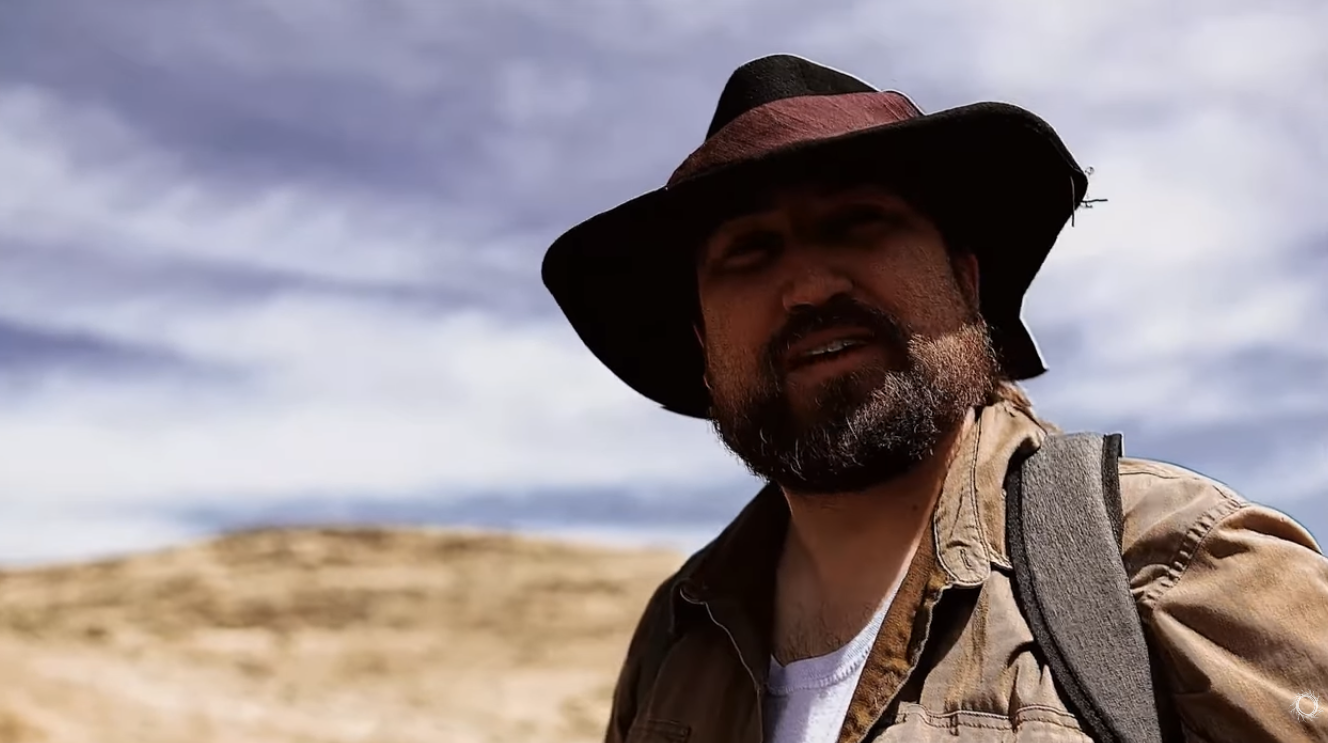
What makes Cole’s descent so effective is how gradual it is. There’s no single breaking point, no over-the-top meltdown. Instead, it’s a series of small and fractured moments where his instincts betray him. A place where the wilderness feels less like a backdrop and more like a trap. By the time the movie reaches its final act, you’re not just watching a man in danger. You’re watching someone unravel in real time, and it’s impossible to look away.
The supporting elements, particularly the recovered footage of the missing university employees, add a chilling layer of narrative depth. These sequences feel distinct in tone. It is grainier, more chaotic, and deeply claustrophobic. They contrast beautifully with Cole’s initially controlled documentation style, creating a visual and emotional dissonance that amplifies the tension. It’s in these moments that the film feels most dangerous, as if it’s brushing up against something it can’t fully contain.
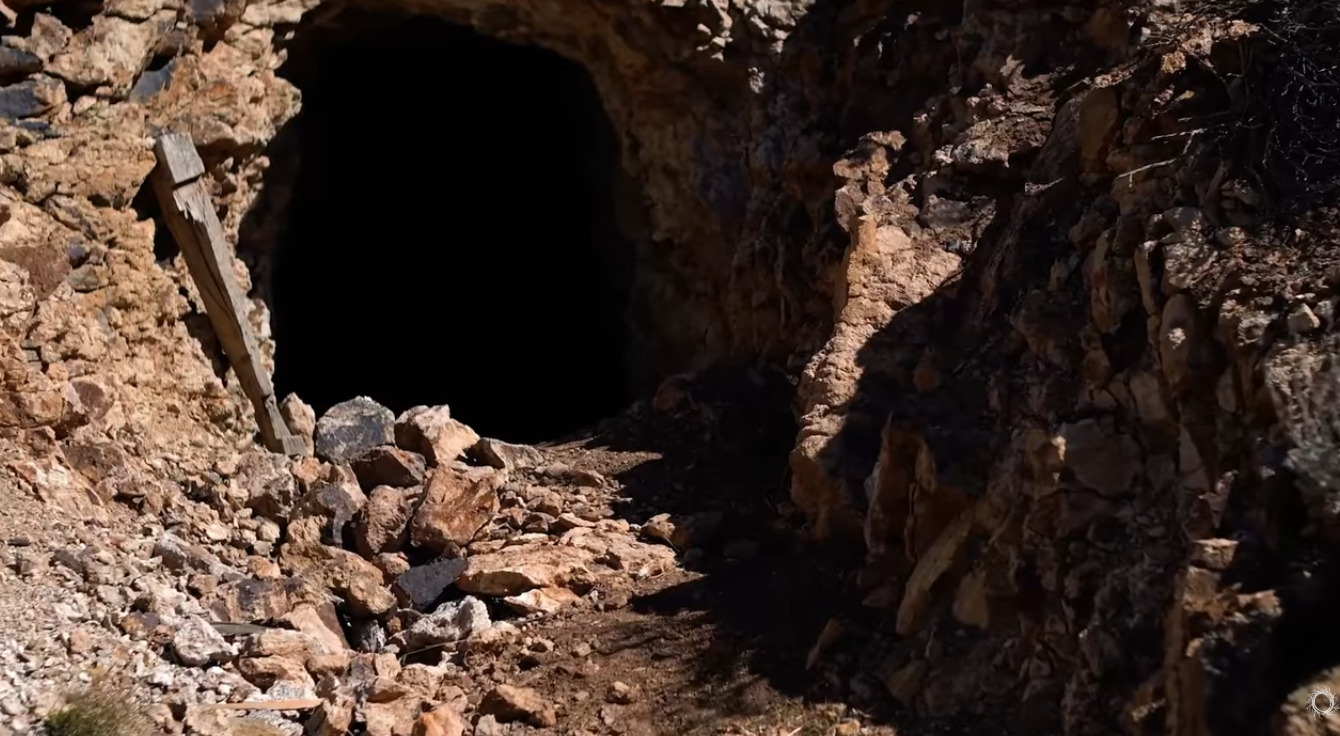
Visually, “Primal Darkness” thrives on restraint. It understands that what you don’t see is often far more terrifying than what you do. The isolated landscape is used to its fullest potential. Its wide, empty spaces that somehow feel suffocating. The camera lingers just long enough to make you question what might be hiding in the distance, then cuts away before you can be sure. When “Primal Darkness” does choose to reveal glimpses of its creature, it does so sparingly and effectively. No overexposure, no cheap jump-scare reliance. It is just enough to let your imagination do the heavy lifting.
Sound design plays a crucial role here, elevating the tension in ways that visuals alone couldn’t achieve. Every rustle, every distant echo, every unnatural silence feels intentional. There’s a constant sense that something is nearby, just outside the frame, listening as closely as you are. It’s the kind of auditory unease that lingers long after the scene has ended.
Courtesy of Found TV
What truly sets “Primal Darkness” apart, though, is its commitment to tone. This isn’t a movie interested in winking at the audience or providing moments of relief. There’s no comedic safety net, no ironic detachment. It takes its premise seriously, and in doing so, it earns your investment. The horror here isn’t flashy. It’s creeping, patient, and deeply rooted in the fear of the unknown.
The decision to frame the story within the found footage format feels purposeful rather than obligatory. Too often, the genre leans on shaky cameras and convenient “lost tapes” as a gimmick. Here, it’s integral to the storytelling. Not just the main story but also the side story with the side characters. The camera becomes a witness, a confidant, and ultimately, a liability. There are moments when you’ll find yourself wanting Cole to drop it, to run, to stop documenting and start surviving. That tension that is between the need to capture and the instinct to escape is where the “Primal Darkness” finds some of its most compelling fear.
It’s also worth noting how effectively the movie builds its mythology without overindulging in exposition. The idea of a primal, possibly prehistoric humanoid creature is introduced with just enough detail to intrigue without demystifying it. There are hints, implications, and fragments of information, but no definitive answers. This ambiguity works in the film’s favor, allowing the horror to remain expansive and unknowable.
As the narrative hurtles toward its conclusion, “Primal Darkness” doesn’t resort to easy answers or neatly tied resolutions. Instead, it embraces the chaos it has been building, delivering an ending that feels both inevitable and deeply unsettling. It’s the kind of finale that sticks with you. Simply not because of what it shows, but because of what it suggests. Although there are some creepy and terrifying things that you see.
Courtesy of Found TV
The movie’s upcoming world theatrical premiere at Unnamed Footage Festival 2026 feels like a perfect fit. This is a movie that understands its audience, fans who appreciate the slow burn, the ambiguity, and the willingness to take risks within a familiar framework. It doesn’t reinvent found footage, but it refines it, sharpening its edges and reminding us why the format can still be so effective when handled with care.
“Primal Darkness” is not just another entry in the ever-growing catalog of found footage horror. It is now that it’s available to stream on the Found TV app, it’s one that’s dangerously easy to stumble into late at night when you probably shouldn’t. It’s a confident, atmospheric, and genuinely unsettling experience that lingers long after the screen goes dark. With its unique creature concept, strong character work, and unwavering commitment to tone, it proves that even in a genre crowded with imitators, there’s still room for something that feels raw, primal, and terrifyingly real. It is a must watch for me (like anything available on Found TV). You are going to want to dim the lights, sit back and prepare yourself for a good scare.
Whether it’s slashers in the woods, ghosts in the attic, or killers in the cornfield, ILHM Reviews brings you the frightful horror flick recommendations worth watching. Follow us on Instagram, be sure to listen to the "I Love Horror" podcast and remember that if you’re a true fan of horror, every night can be a FRIGHT NIGHT!